
Glass Guides
Tinted Glass for Car Showrooms: Display Lighting & Heat Control Strategy
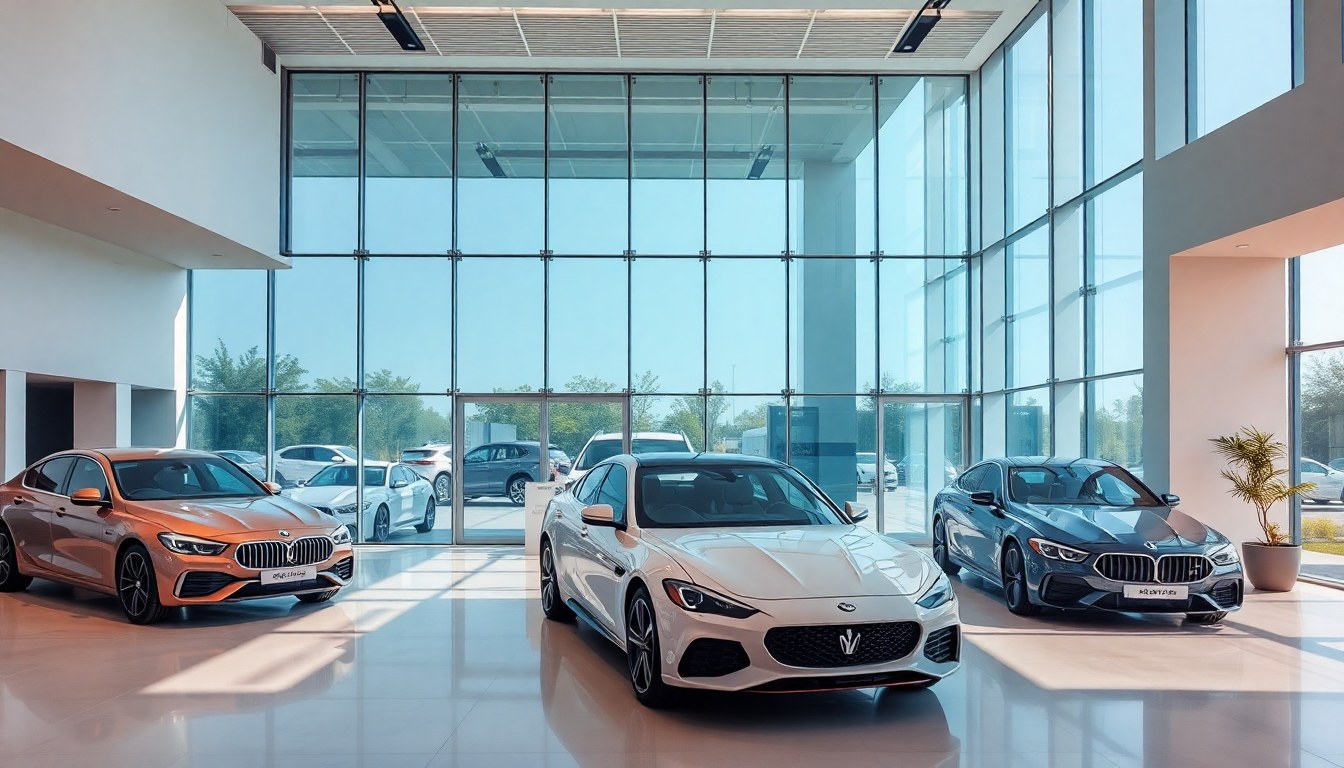
Car showrooms face a unique challenge: vehicles on display must remain visible and appealing to customers while protecting expensive interiors from the relentless damage caused by UV radiation and heat. Tinted glass offers a proven solution that balances these competing demands, reducing fade on dashboards and upholstery while allowing designers to craft sophisticated lighting schemes that showcase vehicles to their best advantage. This guide explores how tinted glass works in showroom environments, the science behind UV protection, and practical strategies for optimizing both display lighting and climate control.
Understanding UV Protection in Tinted Automotive Glass
Ultraviolet (UV) radiation is the primary culprit behind interior fading in vehicles. The sun emits three types of UV rays—UVA, UVB, and UVC—and while the atmosphere filters most UVC, UVA and UVB penetrate standard clear glass with ease. Over weeks and months of showroom display, these rays break down the chemical bonds in leather, vinyl, and plastic components, causing discoloration, brittleness, and loss of aesthetic value. A new car's interior can lose 10–15% of its visual appeal within just a few months of unprotected sun exposure.
Tinted glass works by incorporating metallic oxides, dyes, or reflective coatings that absorb or reflect UV wavelengths before they reach the vehicle interior. Quality automotive tints block 99% of UVA and UVB rays, a standard that meets or exceeds international automotive safety regulations. This protection is especially critical in India's tropical and subtropical climate, where intense midday sun and year-round UV levels are significantly higher than in temperate regions. Showroom managers in cities like Bangalore, Mumbai, and Delhi see measurable benefits in interior preservation when tinted glass is properly installed.
Heat Rejection and Climate Control Benefits
Beyond UV protection, tinted glass reduces solar heat gain—a critical factor for showroom comfort and energy efficiency. Uncontrolled heat buildup inside displayed vehicles can reach 60–70°C on sunny days, potentially damaging electronic components, warping plastics, and making the interior uncomfortable for customer inspections. Tinted glass with reflective properties can reject 40–60% of incoming solar heat, depending on the tint grade and coating technology used.
This heat rejection translates directly into lower air-conditioning costs for the showroom. A well-designed tinting strategy, combined with strategic placement of display vehicles and HVAC optimization, can reduce cooling expenses by 15–25% during peak summer months. For showroom operators managing large inventories, this savings compounds quickly across dozens of vehicles. Additionally, cooler interiors help preserve upholstery, batteries, and electronic systems—reducing warranty claims and customer dissatisfaction.
Choosing the Right Tint Grade
Tint grades are measured by Visible Light Transmission (VLT), the percentage of visible light that passes through the glass. A 50% VLT tint allows half the visible light through; a 35% tint allows 35%, and so on. For car showrooms, the choice depends on balancing visibility with protection:
- 50–70% VLT tints: Ideal for showroom windows and front areas where customer visibility is paramount. These lighter tints provide meaningful UV and heat protection while keeping the showroom bright and welcoming.
- 35–50% VLT tints: Suitable for side and rear display areas where privacy is less critical. These medium tints offer stronger heat rejection and UV blocking.
- 15–35% VLT tints: Reserved for storage areas or vehicles not intended for immediate customer viewing. Very dark tints maximize protection but reduce visibility.
Display Lighting Design for Tinted Glass Showrooms
One common misconception is that tinted glass dims a showroom and makes vehicles look less appealing. In reality, strategic lighting design can enhance the visual impact of displayed cars while working in harmony with tinted glass. The key is understanding how light behaves when passing through tinted surfaces and positioning lighting fixtures accordingly.
When designing showroom lighting for tinted glass environments, prioritize directional and accent lighting over ambient overhead fixtures. LED spotlights angled toward vehicle features—headlights, grille, body curves, and interior trim—create dramatic highlights that cut through the tint and draw customer attention. This approach mimics professional automotive photography lighting and creates a premium, gallery-like atmosphere. Many high-end dealerships in metropolitan areas now use this technique to great effect.
Lighting Strategy Best Practices
Effective lighting in a tinted glass showroom requires careful planning:
- Layer your lighting: Combine ambient lighting (general illumination), task lighting (focused on specific vehicles), and accent lighting (dramatic highlights on key features). This layered approach ensures the showroom feels spacious while individual vehicles stand out.
- Use warm and cool color temperatures: Warm white light (3000K) complements vehicle interiors and creates an inviting atmosphere. Cool white light (5000K) enhances exterior paint colors and metallic finishes. Mix these strategically to showcase different vehicle aspects.
- Install dimmable LED systems: LEDs are energy-efficient, generate minimal heat, and can be dimmed to adjust ambiance throughout the day. This flexibility is invaluable in tinted glass environments where natural light varies.
- Position lights to minimize glare: Tinted glass can reflect light back into customer eyes if fixtures are poorly positioned. Angle lights downward and away from direct sightlines to the glass surface.
- Consider motion-sensor controls: Automate lighting in low-traffic areas to reduce energy consumption without sacrificing visibility when customers are present.
Practical Installation and Maintenance Considerations
Installing tinted glass in a car showroom is not a one-time decision—ongoing maintenance and periodic upgrades ensure maximum performance. Tinted glass films and coatings degrade over time due to UV exposure, temperature cycling, and mechanical stress. Regular cleaning with appropriate products (avoid abrasive cleaners that can scratch the tint) keeps the glass transparent and extends its lifespan.
For showroom operators planning a tint installation, working with experienced glass professionals is essential. Firms like Dimond Glass in Carmelaram and CHOICE ART GLASS specialize in commercial glass applications and can assess your showroom's specific lighting, climate, and visibility needs. Professional installers ensure proper application, correct tint grades for your location, and adherence to local automotive regulations.
Compliance and Safety Standards
India's automotive regulations specify that vehicle windows must meet certain visibility and safety standards. Front windshields typically cannot exceed 70% VLT, and side windows have varying requirements depending on vehicle class. Showroom tinting must not interfere with the vehicle's compliance status—always verify regulations with your glass supplier before installation. Professional installers stay current with these standards and ensure your showroom setup meets legal requirements.
Cost-Benefit Analysis: Investment and Returns
The upfront cost of tinting a showroom ranges from ₹5,000 to ₹20,000 per vehicle, depending on glass area, tint type (film vs. factory tint), and installation complexity. For a typical showroom displaying 20–30 vehicles, total investment might be ₹1–6 lakhs. However, returns materialize quickly:
- Reduced HVAC costs: 15–25% savings on cooling expenses translate to ₹2–5 lakhs annually for large showrooms.
- Extended vehicle value: Protected interiors command higher resale prices and generate fewer warranty claims.
- Enhanced customer experience: A well-lit, climate-controlled showroom with pristine vehicle interiors improves customer satisfaction and conversion rates.
- Brand perception: Premium showrooms with sophisticated lighting and climate control are perceived as more professional and trustworthy.
Most showroom operators see positive ROI within 12–18 months, with benefits continuing for the lifetime of the tint installation.
Regional Considerations for Indian Showrooms
India's diverse climate zones demand region-specific tinting strategies. In high-UV areas like Rajasthan, Gujarat, and coastal regions, stronger tints (35–50% VLT) may be justified. In cooler, cloudier regions like Himachal Pradesh and the Northeast, lighter tints (50–70% VLT) may suffice. Humidity is another factor—coastal showrooms in Mumbai, Goa, and Chennai experience higher moisture, which can affect tint adhesion and clarity over time. Discuss regional climate factors with your glass supplier when selecting tint specifications.
Urban showrooms in tier-1 cities benefit from partnerships with local glass and interior design professionals. Firms like Urban Interiors in Dicarpali and Archidose Architects in Bangalore have expertise in commercial showroom design and can integrate tinted glass into a cohesive aesthetic strategy.
Frequently Asked Questions
Does tinted glass make a showroom look dark or unwelcoming?
Not when designed correctly. Tinted glass reduces glare and harsh sunlight, creating a more comfortable environment. Combined with strategic LED lighting that highlights vehicles, tinted glass showrooms often feel more premium and professional than bright, unshaded spaces. The key is balancing tint grade with thoughtful lighting design.
What is the lifespan of automotive tinting film in a showroom?
Quality automotive tint films typically last 5–10 years in showroom conditions. Factors affecting lifespan include climate intensity, maintenance, tint type (dyed, metallic, or ceramic), and exposure patterns. Regular cleaning and avoiding harsh chemicals extend lifespan significantly.
Can tinted glass be applied to existing showroom windows, or must it be factory-installed?
Both options are viable. Aftermarket tint films can be professionally applied to existing glass and are cost-effective for showroom retrofits. Factory-tinted glass offers superior durability and optical clarity but is more expensive and requires window replacement. Most showrooms use aftermarket films for flexibility and cost efficiency.
Are there any local regulations restricting tint darkness in car showrooms?
Yes. While showroom windows aren't subject to the same restrictions as vehicle windows, local building codes and safety regulations may apply. Consult your local municipal corporation and a professional glass installer to ensure compliance. This is especially important in high-traffic commercial areas.
How does tinted glass affect the ability to photograph vehicles for online listings?
Professional photography requires careful lighting setup. Tinted glass reduces natural light, necessitating supplemental lighting during photo shoots. Many showrooms use temporary lighting rigs or schedule photography during peak daylight hours. Discuss photography needs with your glass supplier—some tint grades are more photography-friendly than others.
Conclusion: Optimize Your Showroom Today
Tinted glass is a smart investment for any car showroom serious about protecting vehicle interiors, controlling climate costs, and creating a premium customer experience. By understanding UV protection mechanisms, selecting appropriate tint grades, and designing lighting that complements tinted surfaces, you can transform your showroom into a showcase that protects inventory while impressing customers. Ready to explore tinted glass solutions for your showroom? Visit glassy.in, India's largest glass-business directory, to connect with qualified glass suppliers, architects, and interior designers near you. Browse verified listings, compare services, and find the perfect partner to bring your showroom vision to life.