
Glass Usage
Tailored Glass Designs for Every Vision
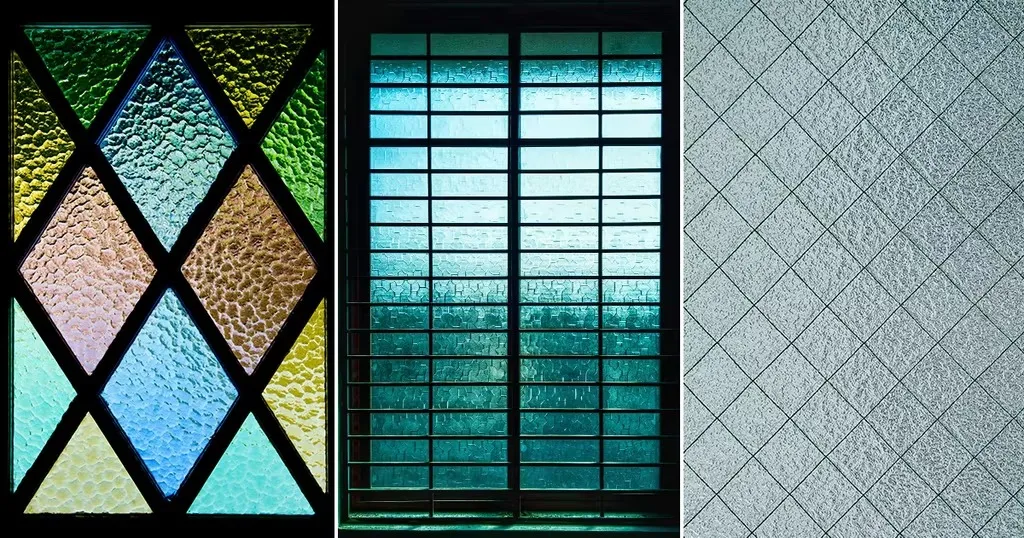
Tailored Glass Designs for Every Vision
Explore how tailored glass designs are revolutionizing interior spaces in India, blending functionality, aesthetics, and sustainability to create unique perspectives.
The Art of Tailored Glass Designs
Glass has long been a symbol of sophistication and versatility in interior design. Tailored glass designs elevate this material to an art form, offering bespoke solutions that cater to individual tastes and needs. From intricate patterns to minimalist finishes, the possibilities are endless.
In India, the demand for personalized glass creations has surged, driven by luxury homeowners and architects seeking unique ways to enhance their spaces. The art lies in balancing creativity with precision, ensuring each piece is both functional and visually stunning.
One of the most compelling aspects of tailored glass designs is their ability to tell a story. Whether it’s a frosted partition that adds privacy or a stained-glass window that reflects cultural heritage, every design carries a narrative.
For interior designers, tailored glass offers a canvas to experiment with light, texture, and color. The interplay of these elements can transform a mundane room into a masterpiece, making glass an indispensable tool in modern design.
Statistics show that 78% of luxury homeowners in India prefer customized solutions for their interiors, with glass being a top choice due to its adaptability and elegance. This trend underscores the growing appreciation for tailored craftsmanship.
As the art of tailored glass designs continues to evolve, it opens up new avenues for creativity, inspiring designers and homeowners alike to push boundaries and redefine spaces.
Understanding Individual Vision Needs
Every space has a unique purpose, and every homeowner has a distinct vision. Tailored glass designs begin with understanding these individual needs, ensuring the final product aligns perfectly with the intended aesthetic and functionality.
For instance, a luxury villa may require expansive glass walls to maximize natural light, while a boutique hotel might opt for decorative glass panels to create an intimate ambiance. The key is to identify the specific requirements of the space and its users.
Architects and interior designers play a crucial role in this process, acting as mediators between the homeowner’s vision and the technical possibilities of glass design. Their expertise ensures that the final product is both practical and visually appealing.
Customization also involves considering factors like privacy, durability, and maintenance. For example, frosted or tinted glass can provide privacy without compromising on style, while tempered glass ensures safety and longevity.
Quotes from industry experts highlight the importance of understanding client needs. “Tailored glass designs are not just about aesthetics; they are about creating solutions that enhance the way people interact with their spaces,” says Anjali Mehta, a leading interior designer in Mumbai.
By prioritizing individual vision needs, tailored glass designs can transform ordinary spaces into extraordinary ones, making them a preferred choice for discerning homeowners and designers.
Customization: The Key to Perfect Glass Solutions
Customization is at the heart of tailored glass designs. It allows homeowners and designers to create solutions that are not only beautiful but also perfectly suited to their specific needs.
From choosing the type of glass to deciding on finishes and patterns, customization offers endless possibilities. For example, etched glass can add a touch of elegance to a dining room, while colored glass can bring vibrancy to a living space.
One popular trend in India is the use of glass tiles for walls and floors. These tiles combine the durability of glass with the versatility of tile design, making them ideal for both residential and commercial spaces. Explore glass tiles that redefine elegance at Glasstiles.in.
Customization also extends to functionality. Smart glass technology, which allows users to control transparency and opacity, is gaining traction among luxury homeowners. This innovation adds a layer of convenience and sophistication to tailored glass solutions.
Practical takeaways for designers include collaborating closely with glass manufacturers to ensure the highest quality and precision. It’s also essential to stay updated on the latest trends and technologies in glass design.
Ultimately, customization empowers homeowners and designers to bring their visions to life, making tailored glass designs a cornerstone of modern interior design.
Innovative Techniques in Glass Design
The world of glass design is constantly evolving, with new techniques pushing the boundaries of what’s possible. These innovations are transforming the way we use glass in interiors, making it more versatile and impactful.
One such technique is laser engraving, which allows for intricate designs and patterns to be etched onto glass surfaces. This method is perfect for creating personalized accents that add character to a space.
Another breakthrough is the use of laminated glass, which combines multiple layers for enhanced durability and safety. This technique is particularly popular in high-end residential and commercial projects.
Digital printing on glass is also gaining popularity, offering designers the ability to create custom images and textures. This technology opens up endless possibilities for creativity, from abstract art to realistic landscapes.
For architects, innovative techniques like curved glass and frameless installations provide new ways to integrate glass into building designs. These methods not only enhance aesthetics but also improve functionality.
As technology continues to advance, the future of glass design looks promising. Designers and homeowners can look forward to even more innovative solutions that redefine the role of glass in interiors.
Balancing Functionality and Aesthetics
One of the biggest challenges in glass design is achieving the perfect balance between functionality and aesthetics. While glass is undeniably beautiful, it must also serve a practical purpose in the space.
For example, glass partitions in offices need to provide privacy while maintaining an open and airy feel. Similarly, glass doors in homes should be durable enough to withstand daily use while complementing the overall design.
Designers often use techniques like frosting, tinting, and texturing to enhance functionality without compromising on style. These methods allow for greater control over light and privacy, making glass more versatile.
Statistics reveal that 65% of architects in India prioritize functionality over aesthetics when choosing materials for their projects. However, tailored glass designs offer a way to achieve both, making them a preferred choice.
Practical tips for balancing functionality and aesthetics include working closely with clients to understand their needs and experimenting with different finishes and techniques to find the perfect solution.
By focusing on both aspects, tailored glass designs can create spaces that are not only beautiful but also highly functional, meeting the needs of modern homeowners and designers.
Materials That Transform Vision
The choice of materials plays a crucial role in tailored glass designs. Different types of glass offer unique properties, making them suitable for various applications.
Tempered glass, for instance, is known for its strength and safety, making it ideal for doors, windows, and partitions. Laminated glass, on the other hand, offers enhanced durability and soundproofing, making it perfect for high-traffic areas.
Frosted and etched glass are popular choices for decorative purposes, adding texture and elegance to interiors. These materials are often used in bathrooms, kitchens, and living spaces to create a sophisticated look.
Colored and stained glass bring vibrancy and personality to a space, making them ideal for accent pieces like windows and panels. These materials are particularly popular in luxury homes and boutique hotels.
For eco-conscious homeowners, recycled glass offers a sustainable option that doesn’t compromise on style. This material is gaining traction in India as more people prioritize environmental responsibility in their design choices.
By understanding the properties of different materials, designers can create tailored glass solutions that transform spaces and bring visions to life.
Precision Craftsmanship for Unique Perspectives
Craftsmanship is the cornerstone of tailored glass designs. Every piece requires meticulous attention to detail to ensure it meets the highest standards of quality and precision.
Skilled artisans use advanced tools and techniques to create custom glass solutions that are both functional and beautiful. Their expertise ensures that every design is executed flawlessly, from intricate patterns to seamless installations.
In India, the demand for precision craftsmanship has led to the rise of specialized glass manufacturers who cater to luxury projects. These professionals work closely with designers and architects to bring their visions to life.
Examples of precision craftsmanship include hand-etched designs, custom-cut panels, and perfectly aligned installations. These details make a significant difference in the overall look and feel of a space.
Practical takeaways for designers include collaborating with experienced craftsmen and investing in high-quality materials to ensure the best results. It’s also important to prioritize precision in every aspect of the design process.
By focusing on craftsmanship, tailored glass designs can create unique perspectives that elevate interiors and leave a lasting impression.
Sustainable Practices in Glass Customization
Sustainability is becoming increasingly important in interior design, and glass customization is no exception. By adopting eco-friendly practices, designers can create solutions that are both beautiful and responsible.
One way to achieve sustainability is by using recycled glass, which reduces waste and minimizes environmental impact. This material is not only eco-friendly but also versatile, making it suitable for various applications.
Energy-efficient glass is another option, offering insulation properties that reduce energy consumption. This type of glass is particularly popular in India, where climate control is a priority for homeowners.
Manufacturers are also adopting sustainable practices, such as reducing water usage and minimizing emissions during production. These efforts contribute to a greener future for the industry.
Practical tips for designers include prioritizing sustainable materials and working with manufacturers who adhere to eco-friendly practices. It’s also important to educate clients about the benefits of sustainable glass solutions.
By embracing sustainability, tailored glass designs can create spaces that are not only stunning but also environmentally responsible, meeting the needs of modern homeowners and designers.
Enhancing Spaces with Personalized Glass Creations
Personalized glass creations have the power to transform spaces, adding character and elegance to interiors. These designs are tailored to the specific needs and preferences of homeowners, ensuring a perfect fit.
From custom mirrors to decorative panels, personalized glass solutions offer endless possibilities for creativity. These pieces can serve as focal points or subtle accents, depending on the design goals.
One popular trend in India is the use of glass partitions to create open yet defined spaces. These installations enhance the flow of light while maintaining privacy, making them ideal for modern homes and offices.
Examples of personalized glass creations include etched designs that reflect cultural heritage, colored panels that add vibrancy, and textured surfaces that create depth. These details make a significant impact on the overall aesthetic.
Practical takeaways for designers include experimenting with different styles and finishes to find the perfect solution for each space. It’s also important to collaborate closely with clients to ensure their vision is realized.
By focusing on personalization, tailored glass designs can enhance spaces and create interiors that are truly one-of-a-kind.
The Future of Tailored Glass Design
The future of tailored glass design is bright, with new technologies and trends shaping the industry. As innovation continues to advance, designers and homeowners can look forward to even more possibilities.
Smart glass technology is one area of growth, offering features like adjustable transparency and integrated lighting. This innovation is set to revolutionize the way we use glass in interiors.
Another trend is the use of 3D printing to create custom glass designs. This technology allows for greater precision and creativity, opening up new avenues for experimentation.
Sustainability will also play a key role in the future of glass design, with more emphasis on eco-friendly materials and practices. This shift aligns with the growing demand for responsible design solutions.
For designers, staying ahead of these trends is crucial. By embracing new technologies and prioritizing sustainability, they can create tailored glass solutions that meet the needs of modern homeowners.
The future of tailored glass design is not just about innovation; it’s about creating spaces that inspire and elevate, making it an exciting time for the industry.