
Smart Glass
Smart Glass Windows: Switchable Technology, Cost & ROI for Indian Homes 2026
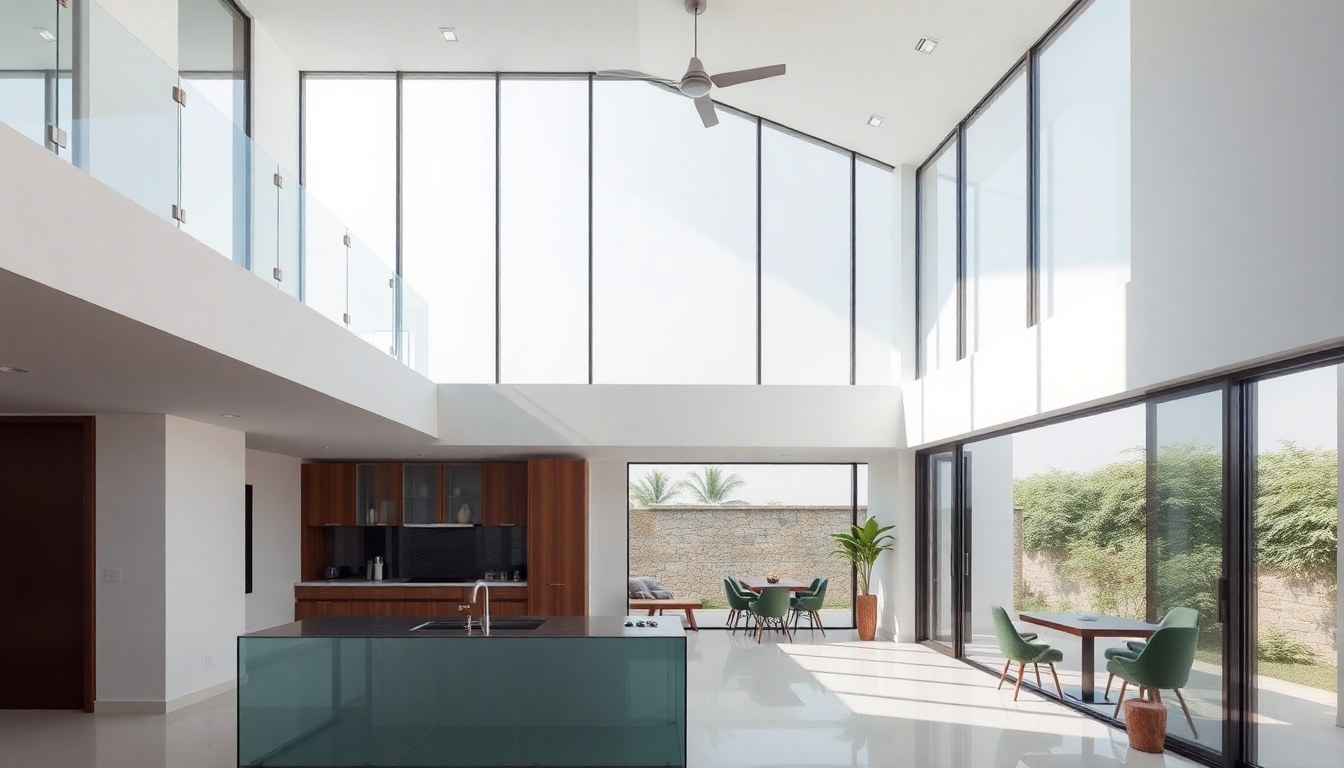
Smart glass windows are transforming how Indian homeowners manage heat, glare, and energy consumption—especially critical in our intense summer months. These switchable windows automatically darken or lighten based on sunlight, temperature, or user control, reducing air conditioning loads by up to 30%. If you're considering an upgrade for your home in 2026, understanding the technology, pricing, and return on investment is essential.
What Is Smart Glass Technology?
Smart glass, also called switchable glass or dynamic glass, changes its light transmission properties in response to external stimuli. Unlike traditional windows that remain static, smart glass actively adapts to environmental conditions, controlling how much solar heat and light passes through. This technology is no longer experimental—it's being installed in commercial buildings across Mumbai, Bangalore, and Delhi, and is now becoming accessible for residential use.
The core principle is simple: reduce unwanted heat gain in summer and retain warmth in winter, all without closing curtains or blinds. For Indian climates where temperatures can soar above 45°C in parts of North India, or where coastal humidity in cities like Chennai demands constant cooling, this technology addresses real pain points.
How Smart Glass Works: The Science
Smart glass relies on electrochromic or thermochromic materials embedded within the window pane. When triggered—either by electric current, heat, or light—these materials change their molecular structure, shifting from transparent to opaque or tinted. The process is reversible and happens in seconds to minutes, depending on the technology.
Electrochromic Glass: Technology & Applications
Electrochromic glass (EC glass) is the most advanced and widely adopted form of smart glass for residential use. It contains a thin layer of electrochromic material sandwiched between two glass panes, along with an electrolyte and ion-storage layers. When a small electrical voltage (typically 1-5 volts) is applied, ions move through the electrolyte, causing the glass to darken. Reverse the voltage, and it clears again.
The key advantage is control: you can adjust tint levels manually via a wall switch, smartphone app, or automated sensors. This makes EC glass ideal for living rooms, bedrooms, and office spaces where occupants want flexibility.
Benefits for Indian Homes
- Heat reduction: Blocks 60-80% of solar heat when fully tinted, significantly lowering AC load during peak hours.
- Glare control: Eliminates harsh afternoon glare without curtains, improving comfort and reducing eye strain.
- Privacy: Switch from transparent to opaque instantly—useful for bathrooms or bedrooms without installing physical blinds.
- UV protection: Reduces fading of furniture and artwork by blocking harmful ultraviolet rays.
- Aesthetic appeal: Maintains clean sightlines and modern appearance, unlike traditional window treatments.
Electrochromic Glass Pricing in India (2026)
EC glass windows are premium products, and pricing reflects the embedded technology. As of early 2026, expect to pay between ₹8,000 to ₹15,000 per square meter for quality electrochromic glass installed in Indian homes. A standard 1.5m × 1.5m window (2.25 sq. m) would cost approximately ₹18,000 to ₹34,000 before installation.
Pricing varies based on:
- Brand and manufacturer (imported vs. Indian-made options)
- Tinting speed and response time
- Control system (manual switch, smart home integration, sensor-based automation)
- Installation complexity and location
- Warranty period and after-sales support
Several Indian and international manufacturers now offer EC glass products. Local distributors in Bangalore, Hyderabad, and Mumbai have begun stocking these products, making installation easier and faster than it was just two years ago.
Thermochromic Glass: Passive Smart Glass
Thermochromic glass takes a different approach. Instead of requiring electricity, it responds automatically to temperature changes. The glass contains thermochromic materials that darken when heated above a certain threshold (typically 25-30°C) and clear when cooled below it. No wiring, no control system, no ongoing power consumption.
This passive technology is ideal for windows where you want automatic sun protection without user intervention. However, you sacrifice the flexibility of manual control—the glass darkens only when it's already hot, not in anticipation of heat.
Thermochromic Glass Pricing & Suitability
Thermochromic glass is more affordable than electrochromic alternatives, typically ranging from ₹4,000 to ₹8,000 per square meter. This lower cost and installation simplicity (no electrical connections needed) make it attractive for budget-conscious homeowners or those in areas with unreliable power supply.
Thermochromic glass works best in:
- Sunrooms and conservatories with high solar exposure
- South and west-facing windows in hot climates
- Commercial spaces where passive cooling is acceptable
- Rural areas where electrical infrastructure may be limited
The trade-off: you lose real-time control and the ability to maintain clarity during cooler months when you might want maximum light.
Energy Savings & ROI for Indian Homes
The primary appeal of smart glass windows is energy efficiency. In Indian homes, air conditioning accounts for 40-60% of summer electricity bills in hot regions. Smart glass can reduce this burden significantly.
Expected Energy Savings
Studies from Indian green building councils and energy audits show that electrochromic smart glass windows can reduce cooling loads by 20-35%, depending on:
- Climate zone (hotter regions see greater savings)
- Window orientation (south and west-facing windows benefit most)
- Building insulation and overall design
- Usage patterns and tinting schedules
For a typical 2,000 sq. ft. home in Delhi or Mumbai with 20-25 sq. m of windows, installing EC smart glass could reduce AC runtime by 4-6 hours daily during summer. At average residential electricity rates of ₹6-8 per kWh, this translates to monthly savings of ₹2,000 to ₹4,000 during peak summer months (April-June).
Calculating Your ROI
Let's work through a realistic example for a Mumbai home:
- Installation cost: 25 sq. m of EC smart glass windows = ₹2,50,000 to ₹3,75,000 (including installation)
- Annual energy savings: ₹24,000 to ₹48,000 (conservative estimate, 8 months of cooling season)
- Simple payback period: 5-16 years depending on savings realized
- Lifespan: 25-30 years with proper maintenance
The ROI improves if you consider additional benefits: reduced wear on AC units (extending their lifespan by 3-5 years), improved thermal comfort (reducing need for cooling), and enhanced property value. Many homebuyers in metro areas now view smart glass as a premium feature, potentially increasing resale value by 5-8%.
Government Incentives & Subsidies
As of 2026, several Indian states offer incentives for energy-efficient home upgrades under green building programs. Check with your state's energy department or municipal corporation for subsidies on smart glass installations. Some states in South India (Karnataka, Tamil Nadu) have been more proactive with such schemes.
Installation & Maintenance Considerations
Smart glass windows require professional installation, particularly electrochromic variants that need electrical wiring and control systems. Improper installation can lead to water leaks, electrical faults, or reduced performance.
Installation Process
The installation typically involves:
- Site assessment and window measurements
- Removal of existing windows (if replacing)
- Installation of smart glass units in frames
- Electrical wiring and control system setup (for EC glass)
- Testing and calibration
- Handover and user training
The entire process usually takes 3-7 days depending on the number of windows and complexity. Choose installers with proven experience—check references and verify they're authorized dealers of the glass manufacturer.
Maintenance & Longevity
Smart glass windows require minimal maintenance compared to traditional windows with blinds or curtains. Regular cleaning with soft cloths and mild detergent is sufficient. The electrochromic layer is sealed within the glass, so it won't degrade from dust or humidity.
Expected lifespan is 25-30 years for EC glass and 20-25 years for thermochromic glass, provided:
- Electrical connections remain secure and moisture-free
- The glass isn't subjected to physical impact or extreme stress
- Control systems are maintained and updated as needed
- Professional servicing is done every 3-5 years
Comparing Smart Glass Options: Which Is Right for Your Home?
Choosing between electrochromic and thermochromic glass depends on your priorities, budget, and climate.
Choose electrochromic glass if: You want maximum control and flexibility, have reliable electricity supply, can afford higher upfront costs (₹8,000-₹15,000/sq. m), and want to optimize comfort year-round. Best for homes in metro areas with moderate to high electricity budgets.
Choose thermochromic glass if: You prefer passive, maintenance-free operation, have budget constraints (₹4,000-₹8,000/sq. m), live in consistently hot climates, or prefer simplicity with no electrical components. Ideal for rural areas or as a supplementary solution for high-exposure windows.
Many forward-thinking homeowners are adopting a hybrid approach: installing EC glass on primary living areas and bedrooms (where control matters) and thermochromic glass on utility spaces or high-heat zones (where passive response is sufficient).
Frequently Asked Questions
How much can smart glass windows actually reduce my electricity bill?
Realistic savings range from 15-30% of your cooling costs during summer months, translating to ₹2,000-₹5,000 monthly savings for a typical Indian home. Actual savings depend on your climate, current AC usage, window orientation, and how consistently you use the smart glass features. Homes in hotter regions (Delhi, Hyderabad, Jaipur) see higher savings than those in moderate climates.
Do smart glass windows work in Indian monsoons and humidity?
Yes, quality EC glass is sealed to prevent moisture ingress and is designed for humid climates. Thermochromic glass is equally resilient. However, installation quality is critical—poor sealing can allow water leakage. Always use certified installers and ensure proper waterproofing around frames. Regular maintenance and occasional professional checks help extend lifespan in humid regions like Mumbai and Kolkata.
Can I install smart glass windows in my existing window frames?
In most cases, yes—smart glass can be retrofitted into existing frames if the frame dimensions and structure are suitable. However, some frames may need reinforcement due to the additional weight of smart glass. A professional assessment is necessary before proceeding. Retrofitting is often cheaper than complete window replacement, though installation time may be longer.
What's the warranty on smart glass windows in India?
Reputable manufacturers offer 5-10 year warranties covering the glass and electrochromic layer, plus 2-5 years on control systems and electrical components. Some premium brands extend warranties to 15 years with proper maintenance records. Always verify warranty terms, coverage exclusions, and after-sales service availability in your city before purchasing.
Are smart glass windows safe? Can they fail suddenly?
Smart glass windows are safe and durable. EC glass is sealed hermetically, preventing electrical hazards. In rare failure scenarios, the glass remains transparent and functions like normal glass—it simply won't tint. Thermochromic glass has no electrical components, so failure risk is minimal. Choose certified products that meet Indian safety standards (ISI certification) to ensure reliability.
Conclusion: Smart Glass Windows as a 2026 Investment
Smart glass windows represent a meaningful upgrade for Indian homeowners seeking energy efficiency, comfort, and modern aesthetics. Electrochromic glass offers maximum flexibility and control at ₹8,000-₹15,000 per sq. m, while thermochromic glass provides passive cooling at ₹4,000-₹8,000 per sq. m. With potential energy savings of ₹24,000-₹48,000 annually and a 25-30 year lifespan, the ROI becomes attractive within 5-16 years—especially when considering comfort improvements and property value enhancement.
The technology is no longer niche. Installation infrastructure is improving across Indian metros, and costs are gradually declining as adoption increases. If you're planning a home renovation or upgrade in 2026, smart glass deserves serious consideration, particularly for south and west-facing windows where solar heat is most intense.
Ready to explore smart glass options for your home? Browse verified glass manufacturers, installers, and suppliers on the glassy.in directory. Connect with local experts in your city who can provide site assessments, customized quotes, and professional installation services.