
Smart Glass
Anti-Glare Glass for Computer Workstations: Reduce Eye Strain
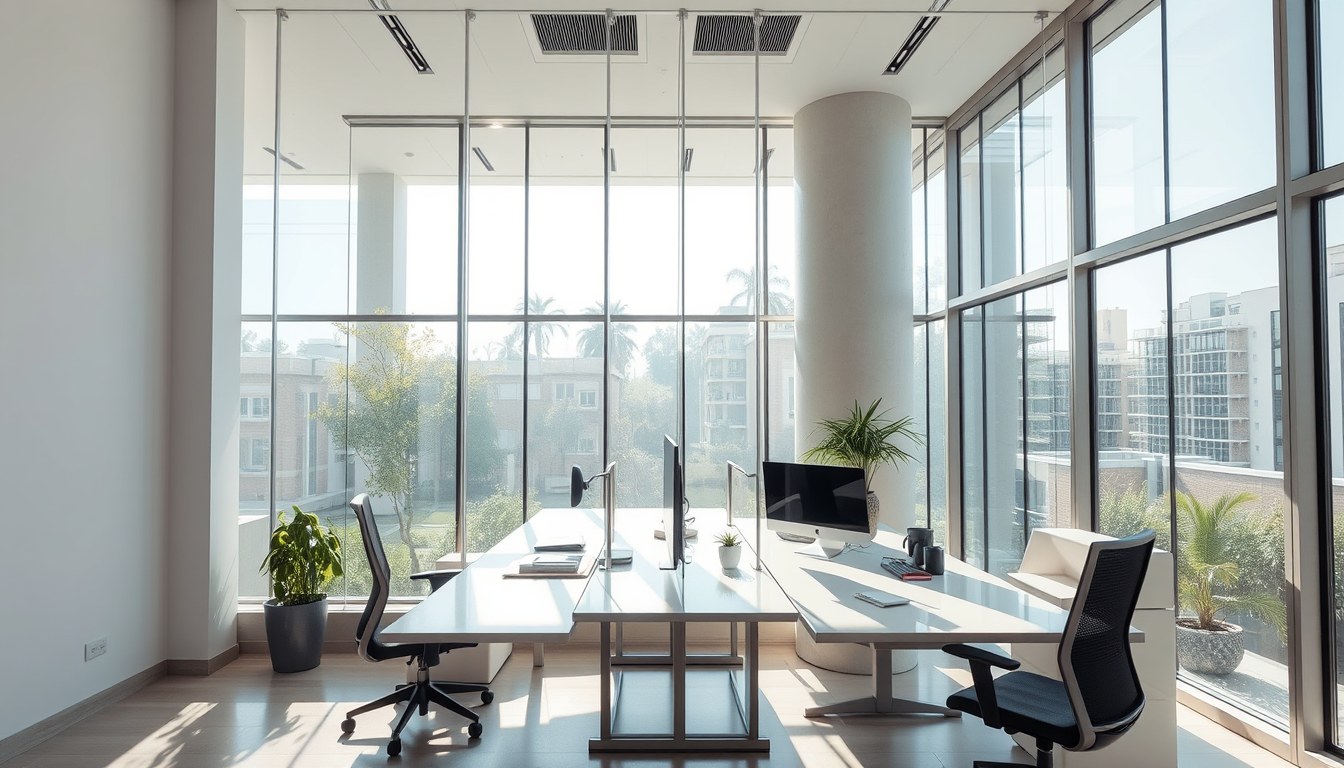
Millions of Indian office workers spend 8–10 hours daily staring at computer screens, yet most workstations lack proper glare management solutions. Anti-glare glass with advanced anti-reflective coatings eliminates screen reflections, reduces eye fatigue, and boosts productivity by creating a visually comfortable workspace. This guide explains the science behind anti-glare technology and how it transforms your office environment.
Understanding Anti-Glare Glass Technology
Anti-glare glass is engineered to minimize light reflections from computer screens, windows, and overhead lighting. Unlike standard glass that reflects 8–10% of incident light, anti-glare variants reduce reflections to 1–2% through specialized coatings applied to the surface. These coatings work by disrupting the optical path of light rays, scattering them in multiple directions rather than creating a single, intense reflection.
The technology is particularly valuable in office settings where natural light from windows and artificial fluorescent or LED lighting create competing glare sources. When light bounces off a standard glass monitor screen or desk partition, it creates a bright spot that forces your eyes to work harder to focus on the actual content. Anti-glare glass eliminates this struggle, allowing your visual system to relax and maintain focus longer.
How Anti-Reflective Coatings Work
Anti-reflective (AR) coatings function through thin-film interference, a principle where multiple ultra-thin layers of different materials are deposited on glass. Each layer has a specific refractive index—a measure of how much it bends light. When light enters these layered coatings, some waves are reflected from each interface while others pass through. By carefully controlling layer thickness and material composition, manufacturers create conditions where reflected waves cancel each other out (destructive interference), dramatically reducing glare.
Common AR coating materials include magnesium fluoride, silicon dioxide, and titanium dioxide. These materials are chemically bonded to the glass surface during manufacturing, creating a durable, permanent coating that resists scratching and cleaning. The coating is typically 100–200 nanometers thick—invisible to the naked eye but highly effective at managing light transmission.
Benefits of Anti-Glare Glass in Office Environments
The primary advantage of anti-glare glass is reduced digital eye strain, medically termed computer vision syndrome. Symptoms include dry eyes, blurred vision, headaches, and neck pain—all triggered by prolonged focus on bright reflections. By eliminating glare, anti-glare glass allows your eyes to maintain steady accommodation (focus adjustment) without constant reflex squinting or strain.
Secondary benefits extend to workplace productivity and health:
- Improved visual clarity: Content on screens appears sharper and more legible without competing reflections.
- Better color accuracy: AR coatings preserve true color rendering, essential for design, photography, and content creation work.
- Reduced headaches: Fewer eye strain episodes translate to fewer tension headaches during and after work.
- Enhanced focus duration: Workers can maintain concentration for longer periods without visual fatigue interruptions.
- Professional appearance: Anti-glare glass partitions and screens create a modern, polished office aesthetic.
Organizations across India—from IT firms in Bangalore to corporate offices in Delhi and Mumbai—have reported measurable improvements in employee satisfaction and reduced sick leave related to eye strain after installing anti-glare glass workstation solutions.
Technical Specifications and Performance Metrics
When selecting anti-glare glass for your workstation, several technical specifications determine effectiveness and durability. Understanding these metrics helps you make informed purchasing decisions aligned with your office needs.
Reflectance and Light Transmission
Reflectance is measured as a percentage of incident light that bounces off the surface. Standard clear glass reflects 4% per surface (8% for a pane with two surfaces). Quality AR coatings reduce this to 0.5–1.5% across the visible spectrum (380–700 nanometers). Light transmission—the percentage of light that passes through the glass—should remain above 90% for AR-coated glass, ensuring your workspace remains bright and welcoming.
Manufacturers typically provide spectral curves showing reflectance and transmission across different wavelengths. For office use, ensure the coating is optimized for the visible spectrum rather than just infrared or ultraviolet ranges.
Durability and Hardness
AR coatings must withstand daily cleaning, accidental contact, and environmental exposure. Hardness is measured on the Mohs scale; quality office glass should rate 6–7 (comparable to ordinary steel). Scratch resistance testing follows ISO 12103 standards, where coated samples are rubbed with abrasive materials to assess resistance. Premium anti-glare glass tolerates moderate cleaning with soft cloths and appropriate glass cleaners without degradation.
Adhesion strength—how firmly the coating bonds to glass—is critical for longevity. Laboratory tests measure adhesion by scratching the surface and examining whether the coating peels away. Properly manufactured AR coatings show excellent adhesion, with the coating failing only under extreme force.
Viewing Angle and Optical Uniformity
Anti-glare effectiveness can vary with viewing angle. Premium coatings maintain consistent performance across a 60–80 degree cone of vision, while budget options may show reduced effectiveness at extreme angles. For workstations where you view screens relatively straight-on, standard AR coatings perform excellently. Optical uniformity—consistency across the glass surface—should be high; any visible streaks or uneven coating indicate manufacturing defects.
Choosing and Installing Anti-Glare Glass for Your Workspace
Selecting the right anti-glare solution depends on your specific office configuration, budget, and aesthetic preferences. Anti-glare glass is available in multiple formats, each suited to different workstation setups.
Glass Partition Panels
Anti-glare glass partitions separate workstations while maintaining visual openness and reducing glare from adjacent screens. These panels are typically 8–10mm thick tempered glass with AR coating on one or both surfaces. They're ideal for open-plan offices where multiple employees work in close proximity. Professional installation by experienced glass specialists ensures proper alignment and safety.
Monitor Screen Protectors
Adhesive anti-glare film can be applied directly to monitor screens, offering a cost-effective solution for existing workstations. These films reduce glare while maintaining touch sensitivity on interactive displays. Quality films are optically clear and resist yellowing over time. Installation requires careful application to avoid air bubbles, though removal is non-destructive.
Desk and Shelf Glass
Anti-glare glass can be custom-cut for desk surfaces, shelves, and document holders. This approach provides comprehensive glare reduction across your entire workspace. Tempered anti-glare glass for desks should be 12mm thick to ensure structural integrity and safety.
For installation guidance and sourcing quality materials, consult experienced glass dealers in your region. Specialists like Balaji Glass profile & modular kitchen and Tuffen Glass work provide custom solutions tailored to office specifications. If you're planning a comprehensive office redesign, working with architects such as HOD Creation ensures anti-glare glass integrates seamlessly with your overall workspace design.
Cost Considerations and Return on Investment
Anti-glare glass costs 20–40% more than standard clear glass, depending on thickness, coating quality, and installation complexity. A typical 1.2m × 1.2m anti-glare glass panel costs ₹8,000–₹15,000 installed, while monitor screen protectors range from ₹500–₹2,000. Desk-sized custom glass (1.5m × 0.75m) runs ₹10,000–₹20,000.
The investment pays dividends through reduced healthcare costs (fewer optometry visits, less medication for eye strain), improved employee retention (workers appreciate ergonomic improvements), and measurable productivity gains. Studies indicate that reducing eye strain can increase focus time by 15–20%, translating to tangible business value in knowledge-work environments.
Maintenance and Care for Anti-Glare Glass
Proper maintenance preserves the anti-glare coating's effectiveness and longevity. Clean anti-glare glass regularly using soft, lint-free microfiber cloths and mild glass cleaner. Avoid abrasive scrubbing pads, harsh chemicals, or acetone-based products that can degrade the coating. For stubborn spots, use distilled water and a soft cloth; the coating's durability allows gentle cleaning without risk of damage.
Inspect coated surfaces periodically for signs of wear. Properly maintained anti-glare glass retains its optical properties for 5–10 years, after which recoating or replacement may become necessary depending on usage intensity and environmental factors.
Frequently Asked Questions
Does anti-glare glass completely eliminate all reflections?
No—anti-glare glass reduces reflections to 1–2% rather than eliminating them entirely. Some minimal reflection is physically unavoidable due to the refractive index difference between glass and air. However, this residual reflection is imperceptible to the human eye and poses no practical problem in office settings. The dramatic reduction from standard glass (8–10% reflection) is sufficient to eliminate eye strain.
Can anti-glare coating be applied to existing glass?
Yes, anti-glare film can be adhered to existing glass surfaces, though this approach is less durable than factory-applied coatings. The film method works well for temporary solutions or retrofitting existing monitors and partitions. For permanent installations or new construction, factory-coated anti-glare glass is preferable due to superior durability and optical quality.
Is anti-glare glass suitable for all office lighting conditions?
Anti-glare glass performs optimally in mixed lighting environments with both natural and artificial light. It's particularly effective where bright sunlight enters through windows or where overhead fluorescent/LED panels create reflections. In very dim offices with minimal ambient light, the benefits are less pronounced, though anti-glare glass still provides value by reducing monitor screen reflections.
How does anti-glare glass affect color accuracy for design work?
Quality anti-reflective coatings maintain excellent color accuracy by preserving the full spectrum of visible light transmission. Premium AR coatings show less than 2% color shift across the visible spectrum. For color-critical work (graphic design, photography, video editing), specify AR coatings optimized for the visible spectrum to ensure true color representation.
What is the lifespan of anti-glare glass coatings?
Factory-applied anti-reflective coatings typically last 5–10 years with normal office use and proper maintenance. Adhesive films may degrade faster, lasting 2–5 years depending on environmental exposure and cleaning frequency. Coating lifespan depends on factors including humidity, temperature fluctuations, cleaning methods, and usage intensity. Regular gentle cleaning extends the coating's functional life.
Transform Your Workspace Today
Anti-glare glass is a proven, technology-backed solution for reducing eye strain and improving workplace comfort. Whether you're outfitting a new office or upgrading existing workstations, the investment in anti-reflective coatings pays returns through healthier employees and enhanced productivity. Explore India's comprehensive glass business directory at glassy.in to connect with certified glass dealers, architects, and interior designers in your region who specialize in anti-glare solutions and can help you create an ergonomic, visually comfortable workspace tailored to your needs.