
Smart Glass
Smart Glass Windows for Home Automation: Cost vs. Real-World Benefits in 2026
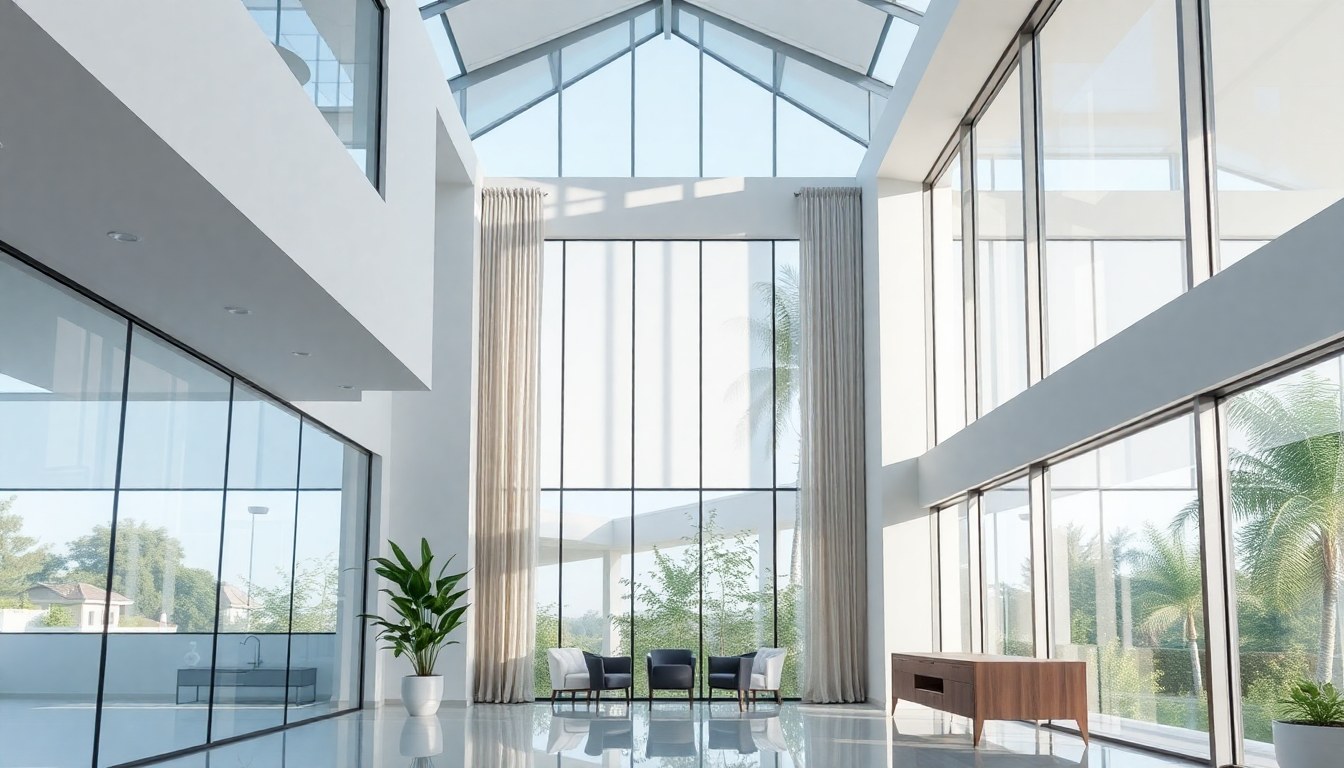
Smart glass windows—also called electrochromic or switchable glass—can darken or lighten on demand, reducing heat gain and cutting cooling costs. For Indian homeowners considering this technology, the critical question isn't whether it works, but whether the investment pays back within a reasonable timeframe given our climate and electricity costs. This analysis breaks down real pricing, energy savings potential, and honest ROI expectations for residential adoption in 2026.
What Is Smart Glass and How Does It Work?
Smart glass (or switchable glass) uses electrochromic technology to change opacity when an electrical current passes through it. A thin layer of electrochromic material—typically tungsten oxide—sits between two glass panes, and when voltage is applied, ions move through an electrolyte layer, causing the glass to darken. Remove the voltage, and it returns to clear. The entire transition takes seconds to a few minutes depending on the system.
There are three main types available in the Indian market:
- Electrochromic glass: Requires constant (low) power to maintain darkened state; most common for residential use.
- Thermochromic glass: Darkens automatically based on temperature; no power needed but less controllable.
- Photochromic glass: Darkens in sunlight like old transition lenses; cheapest but slowest response.
For home automation integration, electrochromic is the preferred choice because it responds instantly to smart home commands, sensors, and schedules.
Current Pricing in India (2026 Estimates)
Smart glass pricing in India remains significantly higher than conventional glass, though costs have begun declining as manufacturing scales up. As of early 2026, expect the following price ranges for installed smart glass windows in residential projects:
- Material cost: ₹8,000–₹15,000 per square meter for the glass panel itself (electrochromic quality)
- Installation + integration: ₹3,000–₹7,000 per square meter including framing, wiring, and smart home controller hookup
- Smart controller unit: ₹25,000–₹60,000 for a basic system managing 4–6 windows; ₹80,000–₹150,000 for advanced systems with sensors and scheduling
- Total installed cost per window (1.5m × 1.5m): ₹1,95,000–₹4,50,000 depending on grade and integration complexity
For comparison, a conventional double-glazed window of the same size costs ₹35,000–₹70,000 installed. This means smart glass carries a premium of 3–6x, which is substantial for most residential budgets.
Where to Source Smart Glass in India
Smart glass supply in India is still limited. Major suppliers include a handful of specialized glass manufacturers and architectural firms that partner with international brands. For professional installation and design consultation, working with experienced architects and interior designers is crucial. Vishwesh Verenkar Architects and firms like XEC CONTRACTORS GOA have experience integrating advanced glass solutions into residential and commercial projects and can advise on feasibility and cost-effective approaches.
Energy Savings: Real Data for Indian Climates
The primary value proposition of smart glass is reduced cooling load. India's hot and humid climate—especially in cities like Delhi, Mumbai, Bangalore, and Hyderabad—means air conditioning accounts for 40–60% of residential electricity consumption during peak months. Smart glass can meaningfully reduce this by blocking solar heat before it enters the home.
Cooling Load Reduction
Studies in hot climates show that electrochromic glass can reduce solar heat gain by 50–70% when fully darkened. In practical terms for an Indian home:
- A south or west-facing window (4–6 square meters) receiving direct afternoon sun can contribute 500–1,200 watts of unwanted heat gain.
- With smart glass darkening during peak hours (11 AM–5 PM), this heat load drops by 250–840 watts per window.
- For a typical 2-bedroom apartment with 3–4 large windows, this translates to 1–3 kW of continuous cooling load reduction during summer months.
In rupee terms, 1 kW of continuous cooling load reduction saves approximately ₹3–₹5 per hour in electricity costs (at ₹12–₹15 per unit, typical for residential tariffs in 2026). Over a 6-month summer season (180 days), that's ₹1,300–₹2,200 per kilowatt of reduction.
Annual Electricity Savings Estimate
For a moderately-sized home with 4 smart windows positioned on high-heat-gain facades:
- Realistic annual savings: ₹8,000–₹16,000 (assuming 2–3 kW average reduction, 180 summer days, and standard tariffs)
- Winter benefit: Minimal in most of India; smart glass may slightly reduce heating in northern regions but doesn't justify the cost alone.
- Indirect benefits: Reduced AC strain extends equipment life (saving ₹15,000–₹25,000 in premature replacement over 15 years)
These figures assume optimal usage—i.e., the homeowner actively uses the smart glass controls or sets automation schedules. Passive ownership without active management yields 30–40% lower savings.
Return on Investment (ROI) Timeline
Using the cost and savings figures above, here's a realistic ROI analysis for a residential smart glass installation:
Scenario: 4-window smart glass system in a Bangalore apartment
- Total installed cost: ₹8,00,000–₹12,00,000 (4 windows × ₹2,00,000–₹3,00,000 each, plus controller)
- Annual energy savings: ₹12,000–₹16,000
- Simple payback period: 50–100 years
- Break-even with indirect benefits (AC lifespan extension, comfort value): 25–40 years
This harsh reality is why smart glass adoption in Indian residential markets remains low. The payback period exceeds the typical lifespan of a home's HVAC system, making the investment difficult to justify on energy savings alone.
When Smart Glass Makes Financial Sense
Smart glass ROI improves in specific scenarios:
- High-rise buildings with premium positioning: Developers can market smart glass as a luxury amenity, justifying higher unit prices and recovering costs through resale value.
- Commercial/office spaces: Businesses with high cooling loads and daytime occupancy see faster payback (15–20 years).
- Government incentives: If India introduces energy-efficiency rebates for smart glass (currently absent), payback improves significantly.
- Retrofit in ultra-premium homes: Homes with electricity costs ₹20+ per unit see faster ROI.
- Privacy + energy savings combined: If the homeowner values switchable privacy (opaque for bedrooms/bathrooms) alongside cooling, the non-energy benefits justify partial cost.
Beyond Energy: Non-Financial Benefits
While ROI on pure energy savings is weak, smart glass delivers other advantages that justify the cost for some homeowners:
- Privacy on demand: Switch windows opaque instantly without closing curtains or blinds—valuable for ground-floor bedrooms or street-facing bathrooms.
- Glare reduction: Eliminates harsh afternoon glare without blocking views, improving comfort and reducing eye strain.
- UV protection: Darkened glass blocks up to 99% of UV rays, protecting furniture, artwork, and skin from fading and damage.
- Aesthetic and smart home integration: Adds a modern, tech-forward appearance and integrates with voice assistants (Alexa, Google Home) for seamless control.
- Noise reduction (minor): The sealed glass assembly provides slight acoustic insulation—not a major benefit but a modest bonus.
For homeowners who value these non-energy benefits highly, smart glass becomes a lifestyle upgrade rather than a pure energy investment, shifting the justification from ROI to personal preference.
Practical Considerations for Indian Homes
Before committing to smart glass, evaluate these practical factors specific to Indian residential contexts:
Power Supply and Reliability
Smart glass requires constant, stable electrical supply. In areas with frequent power cuts or voltage fluctuations, the system may malfunction or require expensive stabilizers and backup power. Battery backup systems add ₹30,000–₹50,000 to the installation cost.
Dust and Maintenance
India's high dust levels (especially in northern and western regions) can reduce the clarity of smart glass over time. Regular cleaning is essential, adding to maintenance burden. Dust also reduces the effectiveness of solar heat blocking slightly.
Installation Expertise
Smart glass installation requires specialized knowledge. Poor installation can lead to electrical faults, seal failures, and water leakage. Verify that contractors have prior experience with smart glass before committing. Local availability of technicians for repairs is limited, which can be problematic if the system fails.
Building Regulations
Check with local municipal corporations and building societies. Some older buildings have restrictions on window modifications, and smart glass may require approval. In some cases, HOA or society rules may prohibit retrofitting smart glass in common areas.
Alternatives to Smart Glass for Cost-Conscious Homeowners
If smart glass feels too expensive, consider these proven alternatives that deliver 40–60% of the benefits at 10–20% of the cost:
- High-performance reflective films: ₹500–₹1,500 per square meter; blocks 50–70% of solar heat; permanent (no switching) but highly effective.
- Motorized external blinds: ₹2,000–₹5,000 per square meter; smart-home compatible; allows manual override and seasonal adjustment.
- Low-emissivity (Low-E) coated glass: ₹3,000–₹6,000 per square meter; passive solar control without electricity; ideal for new construction.
- Hybrid approach: Combine Low-E glass with motorized blinds for ₹5,000–₹10,000 per square meter total—delivers 70% of smart glass benefits at 20–25% of cost.
Frequently Asked Questions
How much electricity does smart glass actually consume?
Electrochromic glass consumes 5–15 watts per square meter when actively switching (darkening/lightening), and 0.5–2 watts per square meter to maintain a darkened state. For a 6 square meter window darkened for 8 hours daily, annual electricity consumption is roughly 15–50 kWh—costing ₹180–₹750 per year. This is negligible compared to energy savings, so the net benefit remains positive even accounting for the glass's own power use.
Can smart glass be retrofitted into existing windows, or does it require new installation?
Smart glass cannot be retrofitted into existing window frames because it requires precise electrical connections and sealed assembly. Retrofit requires removing the old window entirely and installing a new smart glass unit, which is labor-intensive and disruptive. New construction or major renovations are the practical scenarios for smart glass adoption.
What is the lifespan of smart glass, and how much does replacement cost?
Quality electrochromic glass is rated for 200,000–500,000 switching cycles, equivalent to 20–40 years of daily use. However, the electrical controller and wiring may fail sooner (10–15 years). Replacing a single smart glass panel costs ₹1,50,000–₹3,50,000 depending on size and quality. Plan for controller replacement every 12–15 years at ₹40,000–₹80,000.
Does smart glass work in cloudy or rainy climates?
Yes, smart glass functions regardless of weather. However, its energy-saving benefit is reduced on cloudy days because less solar heat penetrates the windows. In regions like Kerala or the Northeast with high cloud cover, annual energy savings may drop by 30–40% compared to sunny regions like Rajasthan or Gujarat.
Is smart glass worth it for a small apartment or only for large homes?
Smart glass makes more financial sense in larger homes or commercial spaces where multiple windows justify the controller cost. For a small apartment with only 2–3 windows, the controller represents a larger portion of total cost, worsening ROI. However, if privacy and comfort are primary motivations (rather than energy savings), even small installations may be justified.
Conclusion: Is Smart Glass Right for You?
Smart glass windows in 2026 remain a premium technology with weak energy ROI for most Indian residential applications. Payback periods of 50–100 years make it difficult to justify purely on electricity savings, especially given India's relatively low electricity costs and the availability of cheaper alternatives like reflective films or motorized blinds.
However, smart glass makes sense if you prioritize privacy, glare reduction, UV protection, and smart home integration alongside energy efficiency. For developers and luxury home builders, smart glass serves as a marketable amenity that justifies premium pricing. For cost-conscious homeowners, hybrid approaches combining Low-E glass with motorized external shading deliver 70% of the benefits at a fraction of the cost.
Before investing, consult with experienced architects and glass specialists who understand your local climate, building regulations, and power reliability. Explore the glassy.in directory to connect with glass suppliers, contractors, and design professionals who can assess your specific needs and recommend the most cost-effective solution for your home.