
Glass Usage
Smart Glass Revolutionizing Sustainable Commercial Spaces
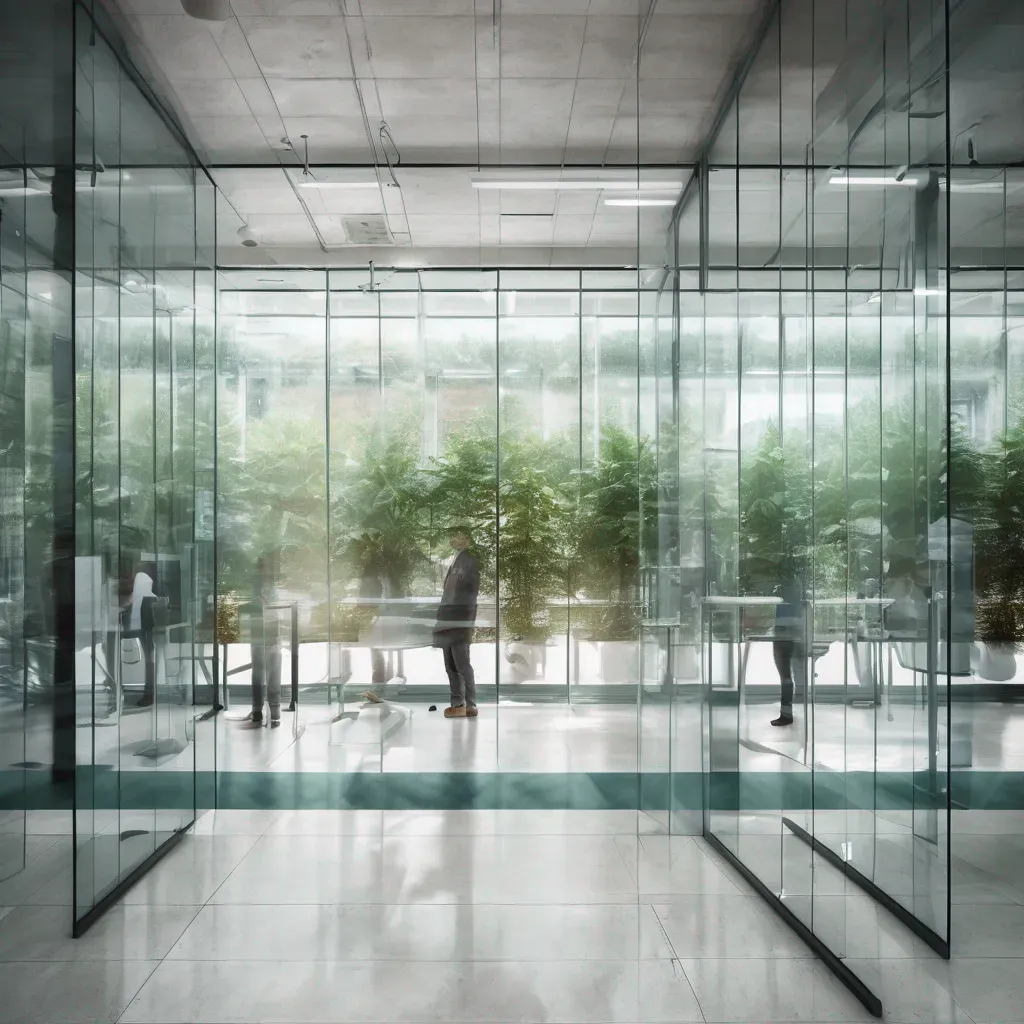
Smart Glass Revolutionizing Sustainable Commercial Spaces
In the modern age of architecture and interior design, sustainability is no longer just an additional feature—it has become a core necessity. As businesses increasingly aim to reduce their environmental footprint while crafting spaces that are ergonomic and aesthetically pleasing, advanced technologies like smart glass are leading the way in revolutionizing commercial environments. This innovative material not only enhances building performance but also seamlessly integrates functionality, art, and design principles—making it a game-changer for architects, interior designers, and businesses alike.
What is Smart Glass?
Smart glass, sometimes referred to as switchable glass or dynamic glass, is a technology-infused material designed to change its opacity or color in response to external stimuli like light, heat, or electricity. This versatility allows it to adjust transparency levels, providing optimal light control, privacy, and energy efficiency on demand. Whether it’s for a minimalist office interior or an artful design-driven workspace, smart glass transforms static surfaces into dynamic features that respond intelligently to their surroundings.
A Sustainable Solution for Commercial Spaces
In recent years, the focus on green buildings and eco-friendly solutions has become more prevalent in the design and construction sector. Smart glass contributes significantly to sustainability in commercial spaces by reducing energy consumption and optimizing natural light infiltration.
One of the most impressive features of smart glass is its ability to regulate indoor temperature, which leads to lower reliance on HVAC systems. By transitioning between transparent and opaque states, the glass minimizes heat loss during winter and prevents excessive solar heat gain during summer. This results in reduced energy bills and lower carbon emissions—a win-win for business owners committed to environmental responsibility.
Moreover, smart glass eliminates the need for traditional window coverings like blinds or curtains, reducing waste and maintenance associated with these items. The long-term durability and performance of this material make it one of the most sustainable choices for modern commercial spaces.
For inspiration on integrating artistry into glass innovations, visit Glassy—a hub for cutting-edge glass designs that combine functionality with artful creativity.
Enhancing Interiors with Art & Glass
The beauty of smart glass is that its functionality doesn’t hinder its ability to serve as an artistic centerpiece within a space. On the contrary, it enhances the connection between art and architecture. Designers and architects are increasingly finding ways to incorporate smart glass into their projects not only for its practical benefits but also for its ability to create visual impact.
Imagine a corporate conference room where the walls are made of frosted smart glass that can seamlessly turn clear during presentations, revealing a scenic city skyline. Or consider the use of smart glass partitions in coworking spaces that can switch between opaque and transparent modes to foster privacy while maintaining an open, airy aesthetic. Such creative applications highlight how smart glass serves as a canvas for artistic expression, allowing professionals in art and design to truly push boundaries.
When paired with advancements in digital displays or projection technology, smart glass becomes even more versatile. Designers can use it to showcase digital artwork or create interactive spaces that captivate both employees and visitors. This seamless blending of art and glass highlights how functional materials can double as design elements, catering to those who value innovation and creativity in commercial interiors.
Real-World Applications
The adoption of smart glass in commercial settings has grown steadily over the years. Here are some practical applications inspiring businesses to embrace this transformative technology:
1. Office Spaces
Open-plan offices benefit from smart glass partitions that allow lighting optimization and privacy control. Adding dynamic glass panels makes offices feel spacious without sacrificing employee comfort.
2. Retail Stores
Retail owners use smart glass to enhance displays, create digital signage, or manage lighting levels effectively—making store interiors more inviting while improving energy efficiency.
3. Hospitality Industry
Hotels and restaurants use smart glass for innovative purposes, such as creating switchable bathroom enclosures or dynamic facades that maximize natural light while providing privacy.
4. Healthcare Facilities
Hospitals increasingly rely on smart glass for patient privacy, ensuring a soothing, healing environment while allowing natural light to filter in.
5. Art and Design Studios
Smart glass serves as both a functional surface and creative tool in spaces where art, glass, and technology converge, showcasing its potential as an artistic medium.
For businesses looking to incorporate artistry into sustainable designs, platforms like Glassy offer valuable resources and inspiration in the realm of art-infused smart glass solutions.
The Future of Smart Glass
The evolution of smart glass technology shows no signs of slowing down. Emerging innovations such as self-cleaning glass, antimicrobial coatings, and integration with IoT (Internet of Things) platforms are set to further boost its utility in commercial spaces. For example, IoT-integrated smart glass could synchronize with smart lighting systems, automatically adjusting transparency or shading based on occupancy and time of day—a feature especially useful for energy optimization.
Moreover, as businesses continue to prioritize wellness in workplace design, smart glass can play a role in circadian rhythm lighting strategies, ensuring employees receive the right amount of natural light for productivity and mental well-being. Combined with its aesthetic versatility and environmental benefits, smart glass is poised to redefine how we build and experience commercial environments.
Conclusion
Smart glass is more than a technological marvel—it’s a sustainable solution that bridges the gap between utility and artistic design in commercial spaces. With its dynamic properties, energy-efficient capabilities, and ability to serve as an artistic medium, this innovative material is shaping the future of interior and architectural design.
Whether you’re designing an eco-friendly workspace, modern retail store, or art-forward hospitality venue, smart glass offers unparalleled versatility to meet your needs. As architects and industry professionals continue to explore its potential, smart glass is undoubtedly set to remain a cornerstone of sustainable and creatively designed commercial spaces.
For more inspiration on incorporating innovative glass solutions into your projects, visit Glassy.