
Smart Glass
Smart Glass for Office Cabins: How Switchable Glass Boosts Privacy & Productivity
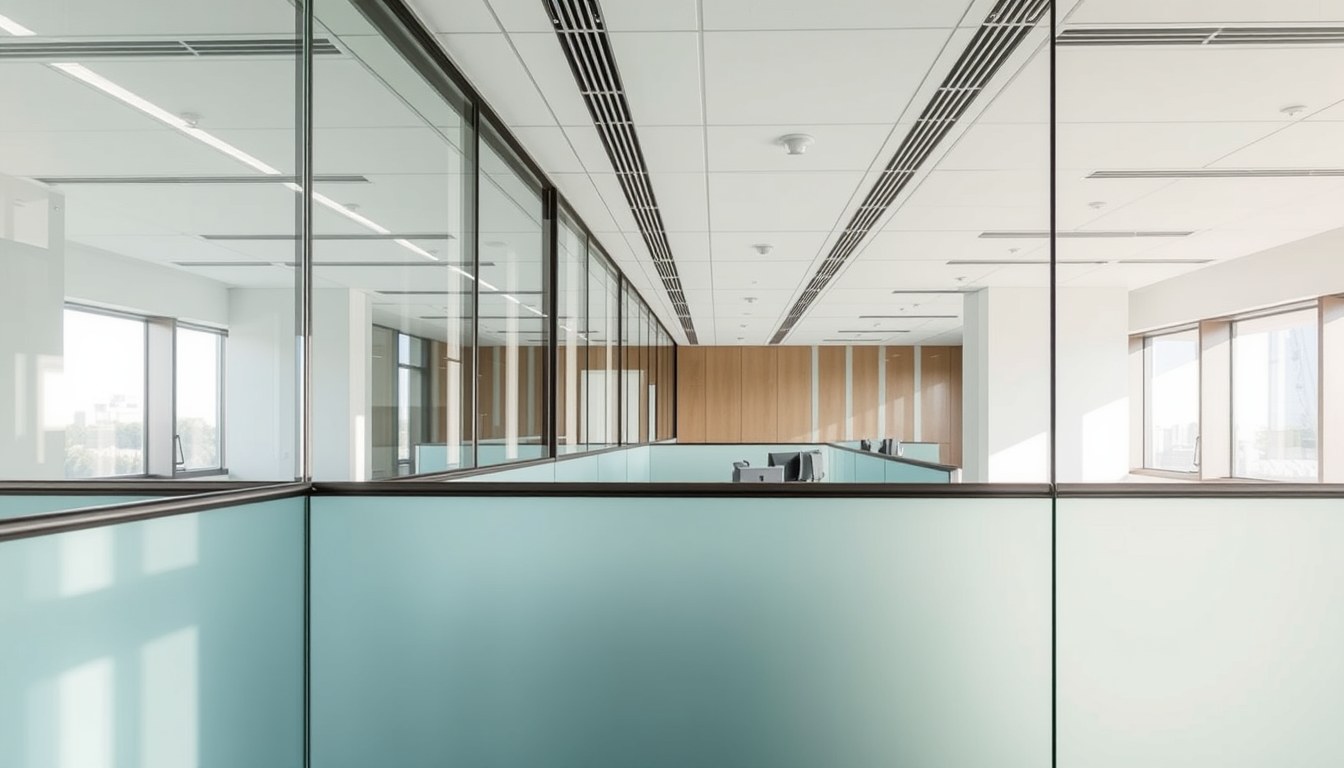
Modern office cabins demand solutions that balance openness with privacy, natural light with glare control, and aesthetics with functionality. Switchable glass—also called smart glass or electronically tinted glass—delivers all three by shifting from transparent to opaque at the flip of a switch. For companies in Bangalore, Delhi NCR, and across India, this technology is transforming how teams work, collaborate, and focus in shared spaces.
What Is Switchable Glass and How Does It Work?
Switchable glass is a smart material embedded with liquid crystals or suspended particles that respond to electrical current. When powered off, the glass appears frosted and opaque; when powered on, it becomes clear and transparent. This instant transformation gives office occupants complete control over their visual privacy without installing blinds, curtains, or frosted film.
The technology relies on one of two main mechanisms. Liquid Crystal Display (LCD) glass uses aligned liquid crystals that scatter light when de-energized, creating opacity. Suspended Particle Display (SPD) glass suspends tiny particles in a polymer film that block light when voltage is applied. Both systems are durable, responsive (typically switching in milliseconds to seconds), and require minimal maintenance compared to traditional window treatments.
Common Types Used in Office Cabins
- Polymer Dispersed Liquid Crystal (PDLC) Glass: Most affordable option; good for interior partitions and cabin doors.
- Electrochromic Glass: Premium choice; gradual tinting allows fine-tuned light control and superior energy efficiency.
- Suspended Particle Display (SPD): Fast switching; excellent for conference rooms where sudden privacy changes are needed.
Key Benefits for Office Cabins and Productivity
Switchable glass addresses three critical pain points in modern office design: privacy, lighting control, and employee well-being. When an executive needs to take a confidential call, opaque glass ensures no one can see inside. When a team wants natural light and an open feel during brainstorming, transparent mode fosters collaboration and reduces the cave-like feeling of enclosed cabins.
Privacy Without Sacrificing Natural Light
Traditional frosted glass and blinds block light entirely or create harsh shadows. Switchable glass lets workers enjoy natural daylight while remaining visually private. This balance reduces eye strain, supports circadian rhythm regulation, and improves mood—all proven factors in workplace productivity. Studies on office lighting show that access to natural light correlates with better focus and fewer headaches.
Reduced Energy Costs
By controlling solar heat gain, switchable glass—especially electrochromic variants—cuts cooling loads in summer and reduces reliance on artificial lighting. Office buildings in hot Indian climates like Bangalore and Delhi can see 15–20% reductions in HVAC energy consumption. Over five to ten years, these savings often offset the initial installation cost.
Noise Reduction and Acoustic Comfort
Many switchable glass installations use laminated or double-glazed configurations that also provide sound dampening. In open-plan offices or high-traffic areas, this dual benefit—visual privacy plus acoustic isolation—helps employees focus on deep work without distractions.
Cost and Budget Considerations in India
Switchable glass pricing in India varies widely based on type, size, and installation complexity. As of 2024, expect the following indicative ranges:
- PDLC Smart Glass: ₹800–₹1,500 per square meter (material and basic installation).
- Electrochromic Glass: ₹1,500–₹3,500 per square meter (premium option with superior performance).
- SPD Glass: ₹1,200–₹2,500 per square meter (mid-range, fast switching).
- Installation and Electrical Integration: ₹5,000–₹15,000 per cabin, depending on cabin size and existing infrastructure.
A typical 120 sq. ft. office cabin with one switchable glass partition (approximately 15–20 sq. meters of glass) would cost between ₹20,000 and ₹60,000 installed, depending on the technology selected. For a 50-cabin corporate office in Bangalore or Delhi NCR, a full retrofit could range from ₹10 lakhs to ₹30 lakhs. Many organizations recoup this investment within 5–7 years through energy savings and improved employee retention.
Financing and ROI
Some Indian corporates access government energy-efficiency schemes or green building certifications (LEED, IGBC) that offer tax credits or rebates for smart glass installation. Consult with your facilities manager or a certified green building consultant to explore available incentives in your region.
Installation and Maintenance in Indian Office Environments
Switchable glass installation requires careful planning, especially in India's diverse climates. High humidity in coastal cities, extreme heat in Delhi and Rajasthan, and monsoon rains all demand robust installation practices.
Pre-Installation Planning
- Structural Assessment: Verify that existing cabin frames can support the weight of smart glass panels (typically 10–15 kg per sq. meter).
- Electrical Infrastructure: Ensure adequate power supply and backup power for switchable glass systems. Most systems draw 0.3–2 watts per sq. meter in active mode.
- Control System Design: Decide whether you want manual switches, motion sensors, or centralized smart building controls integrated with your office management system.
- Climate Considerations: In high-humidity areas, ensure proper sealing and drainage to prevent moisture ingress between glass layers.
Maintenance and Durability
Switchable glass requires minimal upkeep compared to blinds or curtains. Clean the glass surface with soft, non-abrasive cloths and mild soap—avoid harsh chemicals that can damage the electrochromic or liquid crystal layers. Most quality installations come with 10–15 year warranties. The electrical components (drivers, switches) may need replacement after 15–20 years of heavy use, but the glass itself typically lasts the life of the building.
In India's dusty and humid environments, ensure your installation includes proper sealing at frame edges and regular professional inspection (annually or bi-annually) to catch any moisture infiltration early.
Real-World Applications and Case Studies
Leading IT firms, financial services companies, and consulting houses in Bangalore's IT corridor and Delhi NCR's business districts have adopted switchable glass for executive cabins, conference rooms, and collaborative zones. These deployments consistently report improved employee satisfaction, reduced HVAC costs, and enhanced visual appeal compared to traditional office designs.
One mid-sized consulting firm in Bangalore installed switchable glass in 30 senior executive cabins. Within the first year, they reported a 12% reduction in office cooling costs and received positive feedback from employees who appreciated the ability to control privacy without feeling isolated. The investment paid for itself in energy savings alone within six years.
For design and installation expertise, consider partnering with experienced architects and interior designers. LINEAR ARCHITECTS and Void + Edifice Architectural Design Studio are among the firms in India specializing in modern office spaces and can guide switchable glass integration into your cabin design.
Comparing Switchable Glass with Traditional Alternatives
While blinds, curtains, and frosted film are cheaper upfront, they come with hidden costs and limitations:
- Blinds and Curtains: Require frequent cleaning, obstruct views, reduce natural light, and create maintenance overhead. Cost: ₹200–₹500 per sq. meter.
- Frosted or Tinted Film: Permanent; cannot be reversed. No light control flexibility. Cost: ₹100–₹300 per sq. meter.
- Smart Switchable Glass: Flexible, low-maintenance, supports energy efficiency, and enhances aesthetics. Higher upfront cost but superior long-term value.
For organizations prioritizing employee experience, energy efficiency, and a modern workplace image, switchable glass delivers measurable advantages that justify the investment.
Frequently Asked Questions
Does switchable glass work in direct sunlight?
Yes, switchable glass functions in all light conditions, including bright direct sunlight. In fact, its ability to block solar heat and glare in sunlit cabins is one of its strongest advantages. However, the contrast between opaque and transparent modes may be more noticeable in dimly lit interiors; in bright outdoor light, the frosted effect is very pronounced.
What happens to switchable glass if the power goes out?
Most switchable glass systems default to transparent mode if power is lost, allowing occupants to see out and maintain natural light. However, this means privacy is lost. Some premium systems include battery backup to maintain the opaque state during outages. Discuss backup power requirements with your installer based on your privacy needs.
Can switchable glass be installed on existing cabin partitions?
Yes, switchable glass can replace existing glass panels or be retrofitted into existing frames, provided the frames are structurally sound and can accommodate the electrical wiring. Retrofitting is more complex than new installation and may require temporary cabin relocation during the work. Budget accordingly and plan the project during low-activity periods.
Is switchable glass suitable for India's humid climate?
Absolutely. High-quality switchable glass systems are designed to withstand humidity, temperature fluctuations, and UV exposure. Ensure you source products from reputable manufacturers with Indian or international certifications, and work with installers experienced in humid climates. Proper sealing and drainage are critical to longevity.
How long does switchable glass take to switch from opaque to transparent?
PDLC and SPD glass typically switch in 0.1 to 2 seconds. Electrochromic glass switches more gradually over 1–10 minutes, allowing fine-tuned light control. For office cabins where instant privacy is essential, PDLC or SPD is preferable; for steady light management, electrochromic is ideal.
Conclusion and Next Steps
Switchable glass is no longer a luxury—it's a practical investment in office productivity, employee well-being, and operational efficiency. Whether you're designing new cabins or upgrading existing spaces in Bangalore, Delhi NCR, or any Indian city, smart glass offers a modern, flexible solution that traditional window treatments cannot match.
Ready to explore switchable glass for your office? Browse trusted glass suppliers, architects, and interior designers on glassy.in, India's largest glass-business directory. Connect with cube interiors, Yash Home Decor, and other certified professionals who can assess your space, recommend the right smart glass technology, and ensure flawless installation. Get quotes, compare options, and transform your office cabins today.