
Smart Glass
Smart Glass for Home Offices: Privacy & Light Control Without Blinds
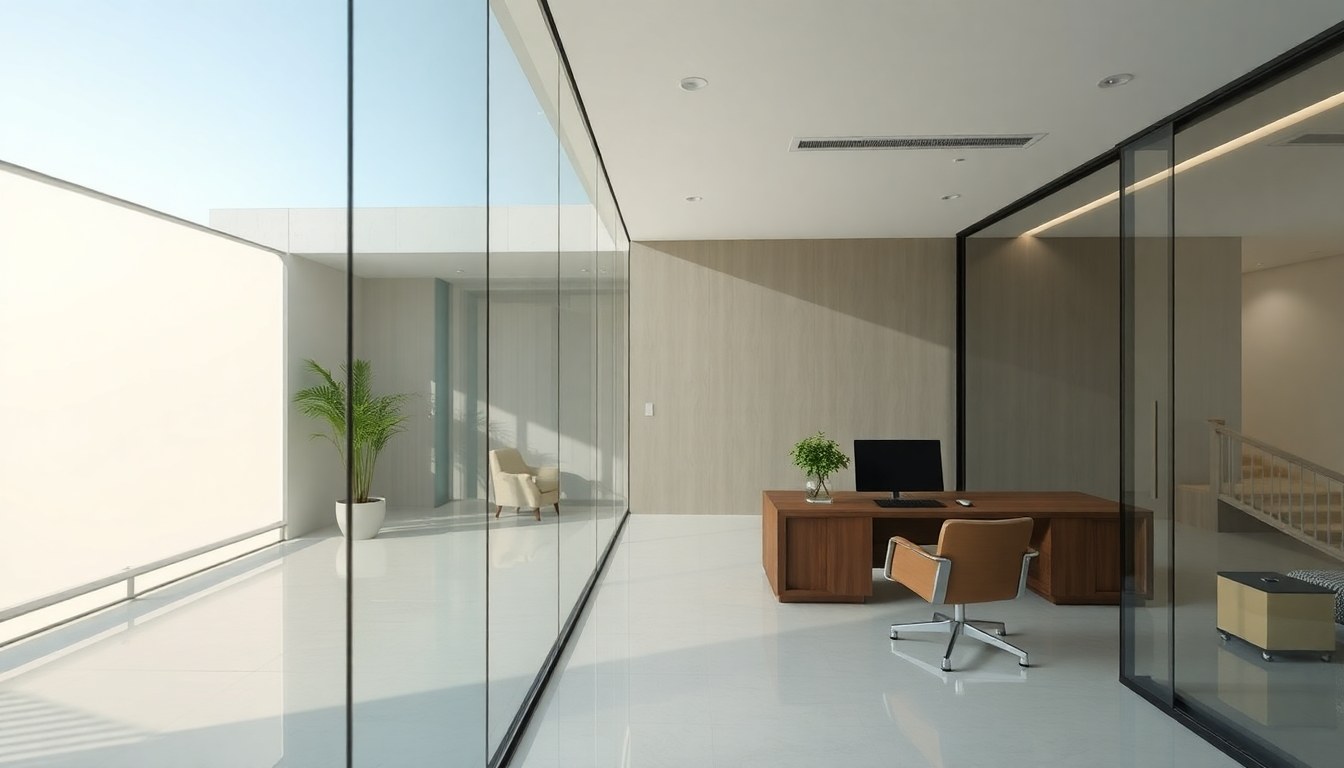
Working from home has become the norm for millions of professionals, but maintaining privacy and controlling light in a home office remains a persistent challenge. Smart glass technology—particularly electrochromic glass—offers an elegant solution that eliminates the need for curtains, blinds, or shutters while preserving natural light and your ability to focus. This guide explores how switchable glass transforms your workspace into a productivity hub that adapts to your needs in seconds.
What Is Smart Glass and How Does It Work?
Smart glass, also known as switchable glass or dynamic glass, is a technology that changes its light transmission properties on demand. The most common type used in home offices is electrochromic glass, which uses an electrical charge to alter the tint of the glass from clear to opaque or any shade in between. When voltage is applied, ions move within a thin coating on the glass, darkening it; when the voltage is removed, the glass returns to its original clear state.
The mechanism relies on five functional layers: two transparent conductive coatings, two electrochromic layers, and an ion-conducting layer in the middle. This sandwich structure is sealed between two panes of tempered glass, creating a durable, maintenance-free product. Unlike traditional blinds that collect dust and require regular cleaning, smart glass remains pristine and requires no upkeep beyond occasional dusting of the frame.
Key Advantages Over Conventional Blinds
- No mechanical parts: Eliminates moving components that wear out, jam, or malfunction over time.
- Instant control: Switch from transparent to opaque in seconds using a wall switch, remote, or smartphone app.
- Aesthetic appeal: Maintains a clean, minimalist look without visible cords, slats, or fabric.
- Durability: Lasts 20+ years with proper installation and no degradation in performance.
- Energy efficiency: Reduces heat gain in summer and heat loss in winter, lowering HVAC costs.
Privacy Solutions for Home Offices
Privacy is paramount when conducting video calls, handling confidential documents, or simply needing to focus without distractions. Smart glass delivers instant privacy without the visual obstruction of traditional blinds. When a colleague or family member walks past your window, a single tap darkens the glass to block the view entirely, yet you retain the ability to see outside and enjoy natural light from within your workspace.
For home offices adjacent to shared living spaces, smart glass eliminates the awkward situation of partial privacy that blinds provide. You're not squinting through slats or dealing with light leaks; the glass either maintains transparency or provides complete opacity. This binary control is psychologically reassuring—you know exactly what level of privacy you have at any moment.
Integrating Smart Glass with Your Office Layout
Professional architects and interior designers, such as those at Studio ARCPLUS CONSTRUCTION, increasingly recommend smart glass for home office renovations. The glass can be installed as a full window replacement, a partial partition, or as a glass door leading into your office space. Many professionals opt for smart glass on the window facing the street or common areas while leaving interior-facing glass clear to maintain connection with household members.
Natural Light and Productivity Benefits
Natural light is scientifically proven to enhance mood, regulate circadian rhythm, and boost productivity. Unlike blackout curtains or heavy blinds that block light entirely, smart glass allows you to modulate light intensity while maintaining the health benefits of natural illumination. You can dim the glass to reduce glare on your monitor during peak sun hours without sacrificing the psychological benefits of daylight exposure.
Studies published in the Journal of Environmental Psychology show that access to natural light improves focus, reduces eye strain, and increases alertness. Smart glass enables this benefit year-round without the need to constantly adjust blinds throughout the day. During winter months when daylight is limited, you can keep the glass fully transparent to maximize every lux of available light. In summer, gradual dimming prevents the harsh glare that forces you to close blinds completely.
Light Control and Screen Glare Reduction
Screen glare is a common complaint among remote workers. Smart glass solves this without the tunnel-vision effect of closed blinds. By adjusting the tint to a mid-level opacity, you reduce monitor glare while still perceiving natural light and the world outside your window. This intermediate state—impossible to achieve with traditional blinds—is one of smart glass's most practical advantages for focused work.
Installation and Cost Considerations
Smart glass installation typically ranges from ₹15,000 to ₹50,000 per square meter depending on the glass size, control system, and whether you're replacing existing windows or retrofitting. A standard home office window of 1.5 square meters might cost ₹22,500 to ₹75,000 fully installed. While this is higher than traditional blinds (₹2,000–₹8,000), the longevity and elimination of replacement costs make it competitive over a 20-year lifespan.
Installation requires professional glaziers experienced with smart glass systems. The electrical wiring must be properly integrated, and the glass must be sealed to prevent moisture ingress into the functional layers. Reputable glass dealers and installation specialists can be found through platforms like glassy.in, where you can connect with verified businesses in your area. Crystal Glass & Hardware and similar established dealers often provide consultation and installation services for smart glass projects.
Control Systems and Smart Integration
Modern smart glass systems offer multiple control options. Basic models use wall switches, while advanced systems integrate with home automation platforms like Google Home, Alexa, or Apple HomeKit. Some allow scheduling—for example, automatically dimming at sunset or brightening at sunrise. Smartphone apps let you adjust tint from anywhere, useful if you're away from your office and want to simulate occupancy or manage energy use.
Energy Efficiency and Cost Savings
Smart glass contributes to home energy efficiency by reducing solar heat gain in summer and minimizing heat loss in winter. In India's hot climate, where air conditioning costs are significant, smart glass can reduce cooling load by 20–30% when strategically tinted during peak heat hours. Over a year, this translates to measurable savings on electricity bills, particularly in southern cities like Chennai where solar intensity is high.
The insulating properties of the glass itself—typically double-glazed with an air gap—also improve thermal performance compared to single-pane windows. Combined with the dynamic tinting capability, smart glass creates a passive climate control layer that reduces reliance on mechanical systems. For environmentally conscious professionals, this is an additional benefit beyond privacy and aesthetics.
Maintenance and Longevity
Smart glass requires minimal maintenance. Unlike blinds that accumulate dust and require weekly cleaning, smart glass needs only occasional wiping with a soft cloth and mild soap. The electrical components are sealed within the glass, eliminating exposure to moisture, dust, or mechanical wear. The typical lifespan is 20–25 years, and most manufacturers offer warranties covering the electrochromic coating and electrical components for 10–15 years.
If a malfunction occurs, it's usually isolated to the control circuit rather than the glass itself. Replacement switches or control modules are inexpensive compared to replacing entire blinds. This reliability makes smart glass a low-stress investment for your home office, allowing you to focus on work rather than maintaining window treatments.
Design Aesthetics and Professional Appearance
For professionals who conduct video calls from home, smart glass elevates the visual backdrop. A clear window showing trees, sky, or a well-maintained garden creates a professional, sophisticated appearance on camera. When you need privacy, the glass transitions to a neutral frosted or tinted appearance that looks intentional and designed—far more polished than partially closed blinds or visible cords.
Architects and designers working on premium home office projects increasingly specify smart glass as a signature feature. Vastulinear Pvt Ltd and similar firms incorporate smart glass into high-end residential office designs, recognizing its value as both a functional and aesthetic upgrade. The seamless integration of technology into architecture appeals to modern professionals who value both form and function.
Frequently Asked Questions
Is smart glass suitable for all window sizes and orientations?
Smart glass can be custom-manufactured for virtually any window size, from small skylights to large floor-to-ceiling installations. However, very large panes (over 3 square meters) may require segmented control zones to ensure even tinting. Orientation matters for energy efficiency—south-facing windows in India benefit most from smart glass, as they receive the most intense solar radiation.
Can smart glass be installed in existing window frames?
Yes, smart glass can be retrofitted into existing frames if the frame is structurally sound and properly sealed. However, professional assessment is essential, as older frames may not provide adequate support or weatherproofing. In most cases, replacing the entire window assembly with smart glass ensures optimal performance and warranty coverage.
What happens to smart glass during a power outage?
Smart glass reverts to its default state when power is lost. Most systems are designed to return to transparent (clear) to maintain visibility and safety. Some advanced systems include battery backup to maintain the current tint state for several hours. Check with your installer about backup power options if this is a concern in your area.
Does smart glass work in very hot or very cold climates?
Smart glass functions reliably in temperatures from –10°C to 60°C, covering most of India's climate range. In extremely hot regions, the glass may heat up slightly due to solar absorption, but this is less than traditional glass and can be mitigated by using reflective tints. Cold climates in northern India pose no issues, as the electrical components are sealed and protected.
How much electricity does smart glass consume?
Smart glass consumes minimal power. A typical 1.5 square meter window draws only 5–10 watts while tinting and less than 1 watt when holding a static tint state. Monthly electricity cost is negligible—often less than ₹50 per window. The energy savings from reduced cooling and heating far outweigh this minimal consumption.
Transform Your Home Office Today
Smart glass represents a paradigm shift in how we manage privacy and light in home offices. By eliminating the need for blinds and curtains, it simplifies your workspace while delivering superior control, durability, and aesthetic appeal. Whether you're building a new home office or upgrading an existing one, smart glass is worth exploring as a long-term investment in your professional environment and personal well-being.
Ready to explore smart glass options for your home office? Visit glassy.in, India's largest glass-business directory, to connect with verified glass dealers, architects, and installation specialists in your area. Browse detailed profiles, compare services, and find the perfect partner to bring smart glass technology into your workspace.