
Smart Glass
Smart Glass for Home Offices: Privacy & Productivity Solutions
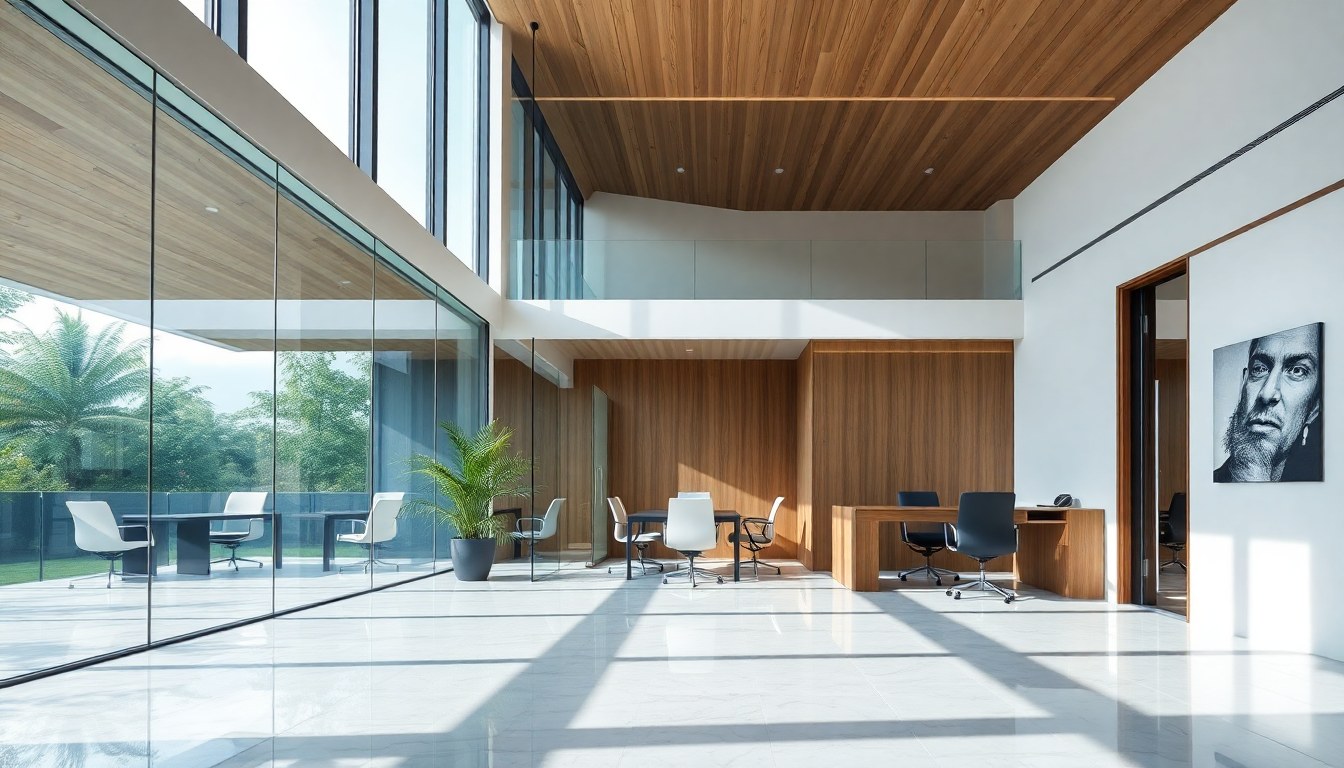
Work-from-home professionals face a unique challenge: creating a private, distraction-free workspace within their homes. Smart glass, also known as switchable glass or dynamic glass, offers an elegant solution that combines privacy control, glare reduction, and energy efficiency in a single installation. Whether you're dealing with curious family members, street-facing windows, or harsh afternoon sunlight, smart glass technology can transform your home office into a focused, comfortable environment.
What Is Smart Glass and How Does It Work?
Smart glass is a cutting-edge material that changes its light transmission properties instantly at the flip of a switch or through automated controls. The most common types use electrochromic or suspended particle technology to shift from transparent to opaque states without requiring physical blinds or curtains.
When activated, smart glass molecules realign to block light and obscure visibility. This process happens in seconds, offering immediate privacy without the need to manually adjust traditional window coverings. The technology operates on low electrical current and can be controlled via wall switches, remote controls, or smartphone apps depending on the system you choose.
Types of Smart Glass for Home Offices
- Electrochromic Glass: Uses an electrical current to change the glass's tint. It's durable, long-lasting, and ideal for permanent installations. Popular brands include research-grade electrochromic systems that can be customized for Indian homes.
- Suspended Particle Device (SPD) Glass: Contains microscopic particles suspended in a liquid layer. When voltage is applied, particles align to block light. This option offers faster response times.
- Polymer Dispersed Liquid Crystal (PDLC) Glass: Uses liquid crystals that align when powered, creating a frosted appearance. It's more affordable and easier to retrofit into existing window frames.
Privacy Benefits for Home Office Professionals
Privacy is perhaps the most immediate benefit of smart glass for home office workers. Unlike traditional blinds or curtains that require manual adjustment, smart glass gives you instant control over who can see into your workspace. This proves invaluable during video conferences, confidential calls, or when you simply need to signal that you're in deep focus mode.
The psychological impact matters too. Knowing you can instantly obscure your workspace creates a mental boundary between your professional and personal life. Family members are less likely to interrupt when they can't see you working, and clients on video calls appreciate the professional appearance of a controlled, private environment.
Practical Privacy Scenarios
- Video Conferencing: Activate smart glass moments before an important client call to eliminate distracting background views and ensure visual privacy.
- Sensitive Discussions: Prevent neighbors or passersby from seeing confidential documents or information displayed on your screens.
- Focus Time: Use smart glass opacity as a visual "do not disturb" signal to household members during critical work periods.
- After-Hours Boundary: Keep your office visually separate from living spaces by maintaining frosted glass during personal time.
Reducing Glare and Improving Productivity
Glare from direct sunlight is one of the most common complaints among home office workers. It causes eye strain, makes screen work difficult, and can trigger headaches during long work sessions. Smart glass solves this problem by allowing you to reduce light transmission without completely darkening your office.
Most smart glass systems offer variable tinting levels, meaning you can adjust opacity to any degree between fully transparent and completely opaque. This granular control lets you maintain natural light for mood and circadian rhythm benefits while eliminating the harsh glare that reduces productivity. Studies consistently show that workers with better light control report higher satisfaction and fewer fatigue-related issues.
Glare Control Without Sacrificing Natural Light
Unlike heavy curtains or reflective films that block light entirely, smart glass allows you to maintain a connection to the outdoor environment while controlling intensity. You can see outside to reduce the cave-like feeling that comes with traditional blackout solutions, yet eliminate the glare that interferes with screen visibility and causes eye discomfort.
This is particularly valuable in Indian homes where afternoon sunlight can be intense. Rather than keeping curtains drawn all day, you can modulate the glass throughout the day, allowing morning light while blocking harsh midday rays, then reopening as evening approaches.
Thermal Efficiency and Cost Savings
Smart glass contributes significantly to your home's thermal regulation, which directly impacts your electricity bills and comfort levels. By controlling light transmission, smart glass reduces the amount of heat entering your office during summer months, decreasing your air conditioning load.
In winter, you can keep the glass transparent to allow solar heat gain during the day, then increase opacity at night to provide insulation benefits. Over time, these thermal efficiencies translate into measurable savings on your power bills, particularly important for those running air conditioning systems in Indian metros like Delhi, Mumbai, and Bangalore.
Energy Savings Breakdown
- Summer Cooling: Smart glass can reduce cooling costs by 20-30% by minimizing solar heat gain through windows.
- Winter Insulation: Opaque settings at night reduce heat loss, providing passive insulation benefits.
- Reduced HVAC Load: Less reliance on air conditioning means lower electricity consumption and extended equipment lifespan.
- Long-term ROI: While initial installation costs are higher than traditional blinds, energy savings typically offset the investment within 5-7 years.
Installation and Cost Considerations for Indian Homes
Smart glass installation in India has become increasingly accessible, with options ranging from full-window replacements to retrofitted smart glass films applied to existing windows. The cost varies significantly based on the technology type, window size, and whether you're replacing existing windows or upgrading current ones.
For a typical home office window in Indian cities, expect to invest between ₹15,000 to ₹50,000 per square meter for quality smart glass installation, depending on the technology and brand. While this is higher than traditional window treatments, the durability, functionality, and long-term savings make it a worthwhile investment for professionals who spend significant time in their home offices.
Installation Options
- Full Window Replacement: Complete window units with integrated smart glass. Most durable but requires structural work.
- Smart Glass Film: Adhesive films applied to existing windows. More affordable, faster installation, though may have slightly lower performance than glass units.
- Modular Panels: Smart glass panels that can be installed independently. Good for renters or those wanting flexibility.
Many Indian glass suppliers and installation companies now offer smart glass solutions. It's worth getting multiple quotes and understanding warranty terms, as this is a significant investment in your workspace.
Automation and Smart Home Integration
Modern smart glass systems integrate seamlessly with home automation platforms, adding convenience and enhancing functionality. You can schedule your smart glass to adjust automatically based on time of day, sunlight intensity, or room occupancy.
Imagine your office glass automatically frosting at 9 AM when you typically start video calls, then gradually clearing as you approach lunch. Or having it darken automatically during peak afternoon heat, then transparent again by 4 PM. These automations optimize both privacy and energy efficiency without requiring you to think about them.
Smartphone app control means you can adjust your glass from anywhere in your home or even remotely if you're away. Voice control integration with popular platforms makes it possible to manage your office environment hands-free, adding to the convenience factor.
Frequently Asked Questions
Is smart glass suitable for all window types in Indian homes?
Smart glass works best with standard window frames and regular glass panes. If you have decorative, curved, or specialty windows, installation may be more complex or expensive. Consult with a professional installer to assess your specific window configuration. Many Indian homes with standard rectangular windows can accommodate smart glass without structural modifications.
How much electricity does smart glass consume?
Smart glass consumes minimal power, typically using less than 5 watts per square meter when activated. Most systems are designed to hold their state without continuous power draw, meaning once you set the glass to a particular opacity level, it maintains that state without ongoing electricity consumption. This makes smart glass an energy-efficient option overall.
Can smart glass be installed in rental homes?
Yes, temporary installation options exist for renters. Smart glass films can be applied to windows and removed without permanent damage, and modular panel systems can be installed and uninstalled relatively easily. However, discuss any modifications with your landlord before installation to avoid disputes.
How durable is smart glass, and what's the typical lifespan?
Quality smart glass systems are highly durable, with lifespans typically ranging from 20 to 30 years with proper maintenance. The glass itself doesn't degrade, and the electrical components are designed for longevity. Regular cleaning with soft, non-abrasive materials keeps the glass functioning optimally.
What's the difference between smart glass and smart films?
Smart glass refers to complete glass panes manufactured with switchable technology built-in, while smart films are adhesive layers applied to existing glass. Films are more affordable and easier to install but may have slightly lower optical clarity and durability. Glass units are more expensive but offer superior performance and longer lifespan. Choose based on your budget and long-term plans for your home office.
Smart glass represents a transformative investment for home office professionals seeking privacy, comfort, and productivity. Whether you're dealing with glare issues, privacy concerns, or rising energy bills, switchable glass technology addresses multiple challenges with a single, elegant solution. Explore smart glass options through India's glass business directory to connect with qualified installers and suppliers in your area who can assess your specific needs and provide customized solutions for your home office.