
Smart Glass
Switchable Smart Glass for Home Office Cabins: Privacy On Demand
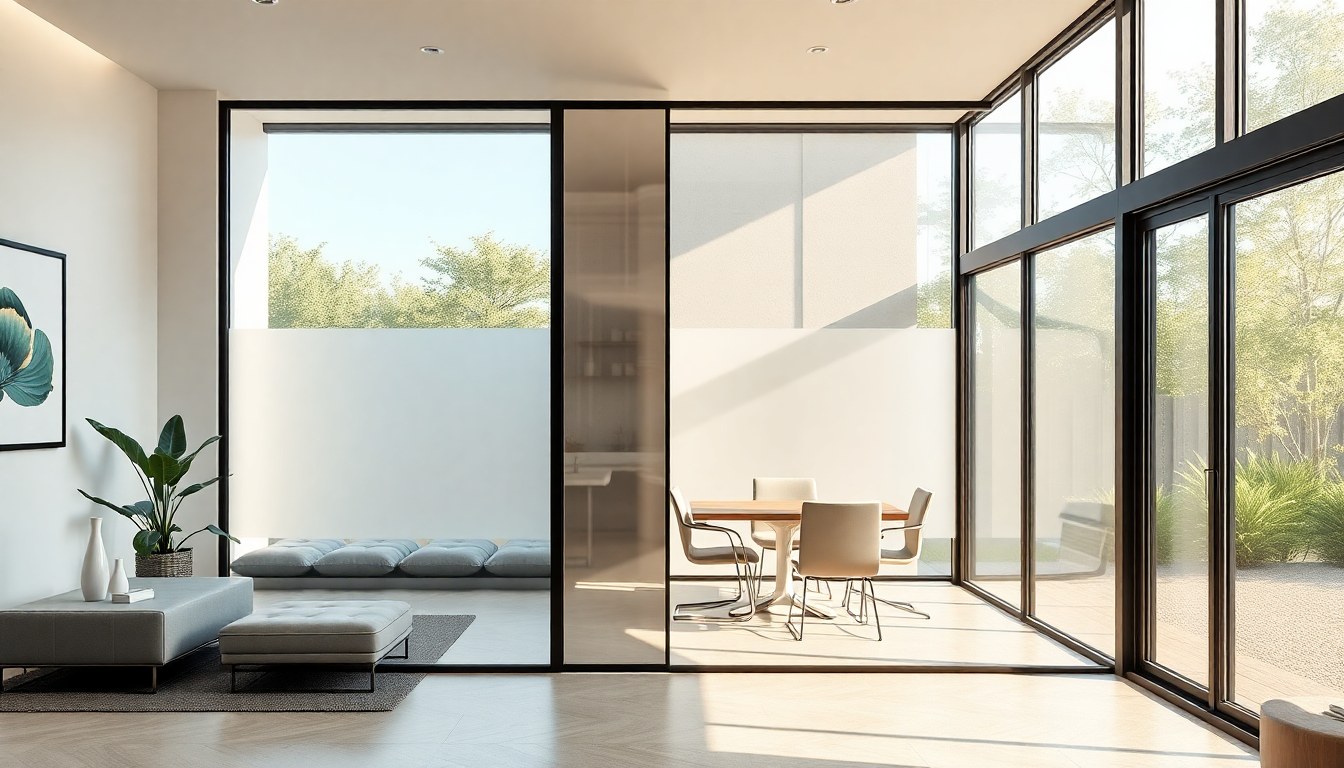
Working from home has become the norm for millions of professionals across India, yet creating a truly private, distraction-free workspace remains a challenge in shared homes. Switchable smart glass—also called electrochromic or liquid crystal glass—offers an elegant solution: instant privacy at the flick of a switch or voice command. This article explores how this technology works, what it costs in the Indian market, power requirements, and how to integrate it seamlessly with your smart home ecosystem.
What Is Switchable Smart Glass and How Does It Work?
Switchable smart glass is a transparent material embedded with electrochromic or liquid crystal technology that changes from clear to opaque (frosted) when electrical current is applied. Unlike traditional blinds or curtains, there's no mechanical moving part—just a thin layer of smart coating sandwiched between two panes of glass.
The two main types are electrochromic glass (EC glass), which gradually darkens like a pair of smart sunglasses, and polymer-dispersed liquid crystal (PDLC) glass, which switches between transparent and milky white almost instantly. For home office cabins, PDLC is often preferred because the transition is faster and the frosted appearance provides complete visual privacy without reducing light transmission when clear.
The technology requires only a low-voltage electrical connection (typically 24V to 48V DC) and minimal power—usually 3 to 8 watts per square meter per minute during switching. Once the glass reaches its target state, power consumption drops dramatically, making it energy-efficient compared to running air conditioning to offset heat from traditional glass.
Cost of Switchable Smart Glass in India
Pricing for switchable smart glass in India varies significantly based on size, type, thickness, and supplier. As of 2024, expect the following approximate ranges:
- PDLC Smart Glass: ₹8,000 to ₹15,000 per square meter (installed). This is the most common choice for office partitions.
- Electrochromic Glass: ₹12,000 to ₹20,000 per square meter. Higher cost but superior light-control gradation.
- Control Electronics: ₹15,000 to ₹40,000 for a single-panel controller with dimming and scheduling features.
- Smart Home Integration Module: ₹5,000 to ₹12,000 for WiFi-enabled controllers compatible with Alexa or Google Home.
For a typical home office cabin with a 2m × 1.5m smart glass partition (3 square meters), the total installed cost ranges from ₹35,000 to ₹70,000 including glass, framing, and basic controls. Adding smart home integration pushes this to ₹45,000–₹85,000.
Factors Affecting Cost
Import duties and GST significantly impact pricing. Most smart glass is imported or assembled from imported components, making it subject to 12–18% GST. Bulk orders and custom sizes may attract discounts from specialized dealers. Installation complexity—whether the glass is retrofitted into an existing frame or built into new cabinetry—also affects labor costs.
Power Requirements and Electrical Integration
Switchable smart glass requires a dedicated low-voltage power supply. Standard specifications are:
- Voltage: 24V to 48V DC (most common: 48V)
- Power Draw: 3–8W per square meter during switching (1–3 seconds to fully opaque)
- Standby Power: Minimal to zero once the desired state is reached
- Controller: Typically a wall-mounted switch or smart controller (6–12W continuous)
A 3-square-meter panel switching from clear to opaque consumes roughly 24–40 watt-seconds (0.007–0.011 kWh) per cycle. Daily usage of 10 switching cycles costs approximately ₹2–3 per month in electricity, making it extremely economical.
Installation Considerations
You'll need a qualified electrician to run a separate low-voltage circuit from your home's distribution board to the smart glass controller. This is safer and cleaner than running mains voltage. If integrating with smart home systems, ensure your WiFi router is positioned to provide strong signal to the controller location. Many installers recommend a dedicated 5A breaker for the low-voltage supply to prevent interference with other devices.
Integrating Switchable Smart Glass with Smart Home Systems
Modern switchable glass controllers are compatible with popular Indian smart home platforms:
- Amazon Alexa: "Alexa, frost my office glass" or schedule automatic frosting during meeting hours.
- Google Home: Voice control and automation routines via Google Assistant.
- Apple HomeKit: Limited availability in India but growing among premium installations.
- Proprietary Apps: Dedicated mobile apps for manual and scheduled control.
A smart home-enabled setup lets you automate privacy based on time of day, presence detection, or calendar events. For example, your glass could automatically frost when you join a video call (detected via your laptop's calendar) and clear when the meeting ends. Some advanced systems integrate with your smart lighting, dimming lights as the glass frosts to maintain consistent ambiance.
When selecting a controller, verify compatibility with your existing smart home hub. If you're starting fresh, consider a unified ecosystem—either Amazon's Alexa or Google Home—to simplify setup and avoid multiple apps.
Design and Aesthetic Considerations for Home Office Cabins
Switchable smart glass elevates the aesthetic of a home office cabin, creating a modern, professional appearance that impresses clients during video calls. The glass appears perfectly clear and colorless when in transparent mode, so it doesn't obstruct views or make the cabin feel cramped. When frosted, it provides a sleek, uniform milky-white appearance far more elegant than traditional roller blinds.
For design harmony, consider working with an experienced interior designer. Viswam Interiors, for instance, specializes in modular kitchens and false ceilings and can advise on integrating smart glass into your cabin's overall layout. Similarly, DezynTrend offers interior design consultation that can harmonize smart glass with your home office aesthetic.
Pair smart glass with complementary elements: aluminum or stainless steel framing for a contemporary look, or wood-framed glass for a warmer, more traditional feel. Ensure the glass height and width align with your cabin's proportions—a full-height partition from floor to ceiling maximizes privacy and visual impact, while a partial partition (say, 1.5m high) maintains sightlines for natural supervision in family settings.
Installation and Maintenance
Professional installation is strongly recommended. The glass must be securely framed, electrical connections must meet safety codes, and the controller must be calibrated. Most installers in major Indian cities (Delhi, Bangalore, Mumbai, Hyderabad) charge ₹3,000–₹8,000 for labor, depending on complexity.
Maintenance is minimal. Clean the glass surface with a soft, damp microfiber cloth—avoid abrasive cleaners that might damage the smart coating. Check electrical connections annually and ensure the controller's firmware is updated. The expected lifespan is 15–20 years with proper care, making it a long-term investment.
Frequently Asked Questions
Does switchable smart glass work with existing windows?
Switchable smart glass cannot be applied as a coating to existing windows. It must be manufactured as a complete unit—two panes with the smart layer sandwiched between. However, you can retrofit it into your cabin by removing the old glass and installing the smart glass unit in the existing frame, provided the frame is structurally sound and compatible with the new glass weight.
What happens if the power goes out?
If power is lost, the glass typically defaults to transparent (clear) mode. This is a safety feature—you won't be trapped in a frosted cabin. Some premium models include a battery backup to maintain the current state for a short period, but this is optional and adds cost.
Can I use switchable smart glass in a humid environment?
Yes, modern PDLC and electrochromic glass is sealed to withstand humidity. Bathrooms and kitchens are common applications. However, ensure the framing and seals are high-quality to prevent moisture ingress over time. Consult with your installer about humidity levels in your specific location.
Is smart glass soundproof?
No. Switchable smart glass provides visual privacy only. Sound transmission is unchanged between clear and frosted states. If you need acoustic isolation, combine smart glass with soundproofing materials—double-glazed units with air gaps or acoustic panels behind the glass frame.
How long does it take to switch from clear to frosted?
PDLC glass typically switches in 0.5–3 seconds, while electrochromic glass takes 5–15 seconds depending on the panel size. The transition is smooth and visually appealing, not jarring.
Conclusion and Next Steps
Switchable smart glass transforms your home office cabin into a private, professional workspace with the press of a button or a voice command. While the upfront cost (₹35,000–₹85,000 for a typical cabin) is higher than traditional solutions, the durability, energy efficiency, and aesthetic appeal justify the investment for serious remote workers.
Ready to explore switchable smart glass for your home office? Visit glassy.in, India's largest glass-business directory, to connect with certified smart glass suppliers, architects, and interior designers in your region. Our directory includes specialists like Linear Architects and Yash Home Decor who can guide you through design, procurement, and installation. Browse verified dealers, compare quotes, and find the perfect smart glass solution for your workspace today.