
Smart Glass
Smart Glass Partitions for Office Privacy: How Switchable Glass Works & Installation Guide
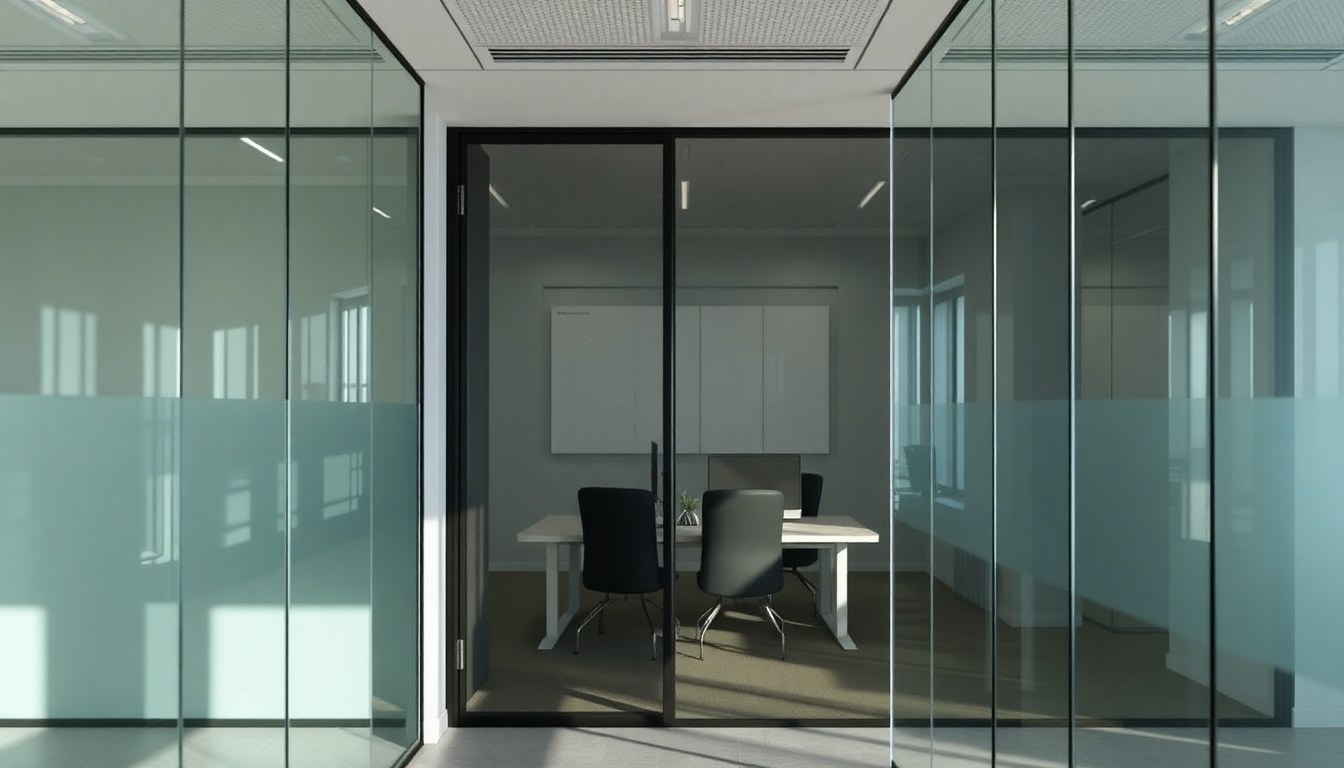
Modern offices demand flexible solutions that balance openness with privacy, and smart glass partitions deliver exactly that. These innovative switchable glass panels transform from transparent to opaque at the flip of a switch, giving your team instant control over workspace visibility without sacrificing natural light. Whether you're designing a cabin in Bangalore or upgrading an existing office, understanding how this technology works and how to install it properly is essential for maximizing both functionality and ROI.
What Is Smart Glass and How Does Switchable Glass Technology Work?
Smart glass, also known as switchable glass or dynamic glass, is a transparent material that changes its light-transmission properties when an electrical current is applied. The most common type used in office partitions is electrochromic glass, which contains a thin layer of electrochromic material sandwiched between glass panes. When voltage is applied, ions move within this layer, changing the glass from clear to dark or frosted, and back again with a simple switch or remote control.
The technology relies on a process called electrochromism—a reversible chemical reaction that occurs when electrical current passes through the material. This allows the glass to shift opacity in seconds, without any mechanical moving parts. Unlike traditional blinds or curtains, there's nothing to clean, maintain, or break, making it a durable long-term solution for high-traffic office environments.
Types of Switchable Glass Used in Offices
- Electrochromic Glass: Offers variable tinting from clear to dark grey. Best for privacy and glare control.
- Suspended Particle Device (SPD) Glass: Contains tiny particles that align when voltage is applied, creating a frosted effect instantly.
- Polymer Dispersed Liquid Crystal (PDLC) Glass: Provides milky-white opacity when powered, fully transparent when off. Ideal for confidential meeting rooms.
- Thermochromic Glass: Changes tint based on temperature, though less common in office settings due to limited control.
Benefits of Smart Glass Partitions for Office Privacy
Smart glass partitions solve multiple office challenges simultaneously. Privacy is the obvious benefit—employees can now have confidential meetings without being watched, and cabins remain visually open during normal hours, maintaining the collaborative feel of modern offices. This flexibility reduces the need for physical blinds, curtains, or frosted film, which can look outdated and require constant maintenance.
Beyond privacy, smart glass improves energy efficiency by reducing the need for air conditioning in summer. When tinted, it blocks up to 99% of UV radiation and reduces heat gain by 40-60%, directly lowering cooling costs. Natural light is preserved without glare, which improves employee wellbeing and reduces eye strain—a key factor in productivity. The technology also eliminates the visual clutter of traditional window coverings, creating a sleek, modern aesthetic that impresses clients and boosts office appeal.
Cost-Benefit Analysis for Indian Offices
While smart glass partitions cost between ₹8,000 to ₹15,000 per square meter installed (compared to ₹2,000-₹4,000 for regular glass), the long-term savings justify the investment. Energy savings alone can recover 30-40% of the initial cost within 5-7 years, depending on climate and usage. Additional benefits include reduced maintenance costs (no blind replacement), improved employee retention due to better workspace quality, and potential for premium rental rates if you're leasing office space.
How to Install Smart Glass Partitions: Step-by-Step Guide
Installing smart glass partitions requires careful planning and technical expertise. The process differs slightly from standard glass installation because electrical connections and control systems are involved. Here's a detailed breakdown of what to expect during installation in your Bangalore or Indian office.
Step 1: Site Assessment and Planning
Begin by measuring the partition area precisely and assessing structural capacity. Smart glass panels are heavier than regular glass due to the electrochromic layer and electrical components. Engage an experienced architect or structural engineer to verify that your existing framework can support the weight. Check electrical availability near the installation site—you'll need a dedicated power supply, ideally with a separate circuit for the smart glass control system.
Determine which glass type suits your needs. For cabin partitions requiring complete privacy, PDLC or electrochromic glass works best. For areas where you want to maintain some visibility while reducing glare, electrochromic glass is ideal. Document the layout and take photos for reference.
Step 2: Prepare the Frame and Electrical Infrastructure
The frame must be structurally sound and level. If you're replacing existing glass, carefully remove old panels and inspect the frame for damage. Smart glass requires aluminum or steel frames that can accommodate the additional weight and the electrical wiring channels. Install conduits or cable trays to run power lines from the main electrical panel to the smart glass control points.
Ensure proper grounding—smart glass systems must be grounded according to Indian electrical standards (IS 3043). A licensed electrician should handle all wiring to meet safety codes. Plan for control switches or touchpads near entry points for easy access.
Step 3: Install the Smart Glass Panels
Smart glass panels must be handled carefully to avoid damage to the electrochromic layer. Use proper lifting equipment and protective gear. Install panels using structural silicone sealant, ensuring even pressure distribution. The sealant must cure fully before applying electrical connections—typically 24-48 hours depending on weather and humidity.
For modular systems, connect individual panels using specialized connectors that allow electrical current to flow seamlessly across multiple panels. This ensures uniform tinting across the entire partition.
Step 4: Connect Electrical and Control Systems
Once the sealant has cured, connect the electrical leads to the power supply. Most modern smart glass systems include a transformer that converts standard 230V AC (Indian standard) to the required lower voltage (typically 24V DC). Install the control module—this is the "brain" of the system that regulates power flow to the glass.
Connect switches, keypads, or app-based controls depending on your system. Many modern smart glass partitions offer remote control via smartphone apps or integration with building management systems (BMS), allowing you to control privacy from anywhere in the office.
Step 5: Testing and Commissioning
Before handing over to your team, test the smart glass multiple times. Verify that the glass transitions smoothly from clear to opaque, that all switches function properly, and that there are no electrical faults. Check response time—quality smart glass should transition within 1-3 seconds. Test with different lighting conditions to ensure visibility and privacy meet your expectations.
Document all control procedures and create a user manual for your team. Train staff on proper operation to prevent misuse and extend the lifespan of the system.
Choosing the Right Installation Partner in Bangalore and India
Installation quality directly impacts performance and longevity. Look for partners with proven experience in smart glass systems and familiarity with Indian building codes. Architects and glass specialists like Void + Edifice Architectural Design Studio can provide design consultation and structural assessment, while experienced glass dealers can source quality materials and manage installation.
When selecting a vendor, verify their credentials, request references from previous office installations, and ensure they offer after-sales support and warranty coverage. A typical smart glass warranty covers 5-10 years for the glass and 2-5 years for electrical components. Always get a detailed quotation that breaks down material costs, labor, electrical work, and contingencies.
For sourcing high-quality glass materials and installation support, reputable dealers like Sabri Glass House and Glass Consortium offer reliable products and professional guidance. Interior designers like Yash Home Decor can integrate smart glass into your overall office aesthetic seamlessly.
Maintenance and Long-Term Care of Smart Glass Partitions
One of the biggest advantages of smart glass is minimal maintenance. Clean the glass surface with a soft, lint-free cloth and mild glass cleaner—standard window cleaning products work fine. Avoid abrasive materials that could scratch the surface. The electrochromic layer is sealed inside the glass, so it's protected from dust and moisture.
Electrically, smart glass systems are designed to be maintenance-free. However, ensure the power supply remains stable and check control switches annually for functionality. If you notice the glass taking longer to transition or not reaching full opacity, contact your installer immediately—these are signs of potential electrical issues that need professional attention.
Keep the control system documentation handy and store it safely. If you need repairs or replacements, having original specifications and warranty details will speed up the process and reduce downtime.
Cost Breakdown: Smart Glass Installation in Indian Offices
Understanding the financial investment helps you plan your budget effectively. Here's a realistic breakdown for a typical office cabin partition (approximately 10 square meters):
- Smart Glass Material: ₹80,000–₹1,50,000 (₹8,000–₹15,000 per sq. m)
- Frame and Structural Work: ₹15,000–₹30,000
- Electrical Installation and Wiring: ₹10,000–₹20,000
- Control System and Switches: ₹8,000–₹15,000
- Labor and Installation: ₹20,000–₹40,000
- Testing and Commissioning: ₹5,000–₹10,000
- Total Estimated Cost: ₹1,38,000–₹2,65,000 for 10 sq. m
Prices vary based on location, glass type, and complexity of electrical integration. Offices in Bangalore and major metros may see slightly higher labor costs. Always request multiple quotations and compare not just price but also warranty, after-sales support, and installer reputation.
Frequently Asked Questions
How long does smart glass take to switch from clear to opaque?
High-quality smart glass typically switches within 1-3 seconds. Budget and mid-range options may take 5-10 seconds. Response time depends on the voltage applied and the specific technology used. Electrochromic glass is usually faster than PDLC or SPD glass.
Is smart glass switchable glass suitable for all office environments?
Smart glass works well in most office settings, but it's particularly effective for cabin partitions, meeting rooms, and executive offices. It's less ideal for areas with high moisture (like bathrooms) unless you use specialized moisture-resistant variants. Ensure your electrical infrastructure can support the installation before committing.
What happens if the power goes out?
This depends on the system design. Most smart glass defaults to transparent when power is lost, which is ideal for safety and visibility. Some systems can be configured to default to opaque for maximum privacy. Discuss your preference with your installer during the planning phase.
Can smart glass be installed on existing partitions?
Yes, but it requires careful assessment of the existing frame's structural capacity and electrical availability. In many cases, the old glass is removed and replaced with smart glass panels while the frame is reused. This is more cost-effective than building new partitions from scratch.
How long do smart glass partitions last?
With proper maintenance, smart glass can last 15-20 years or more. The glass itself is extremely durable, but the electrochromic layer and electrical components may need replacement after 10-15 years. Always choose products backed by comprehensive warranties and reliable after-sales support.
Conclusion: Transform Your Office with Smart Glass Today
Smart glass partitions represent a smart investment in office infrastructure, combining privacy, aesthetics, energy efficiency, and modern technology into a single solution. Whether you're designing a new office in Bangalore or upgrading an existing workspace, understanding how switchable glass works and what installation entails empowers you to make informed decisions that benefit your team and bottom line.
Ready to explore smart glass options for your office? Visit glassy.in, India's largest glass-business directory, to connect with certified architects, experienced glass dealers, and skilled installers near you. Browse verified listings, compare quotes, and find the perfect partner to bring your office vision to life with smart glass technology.