
Smart Glass
Smart Glass for Home Offices: Privacy & Productivity Without Curtains
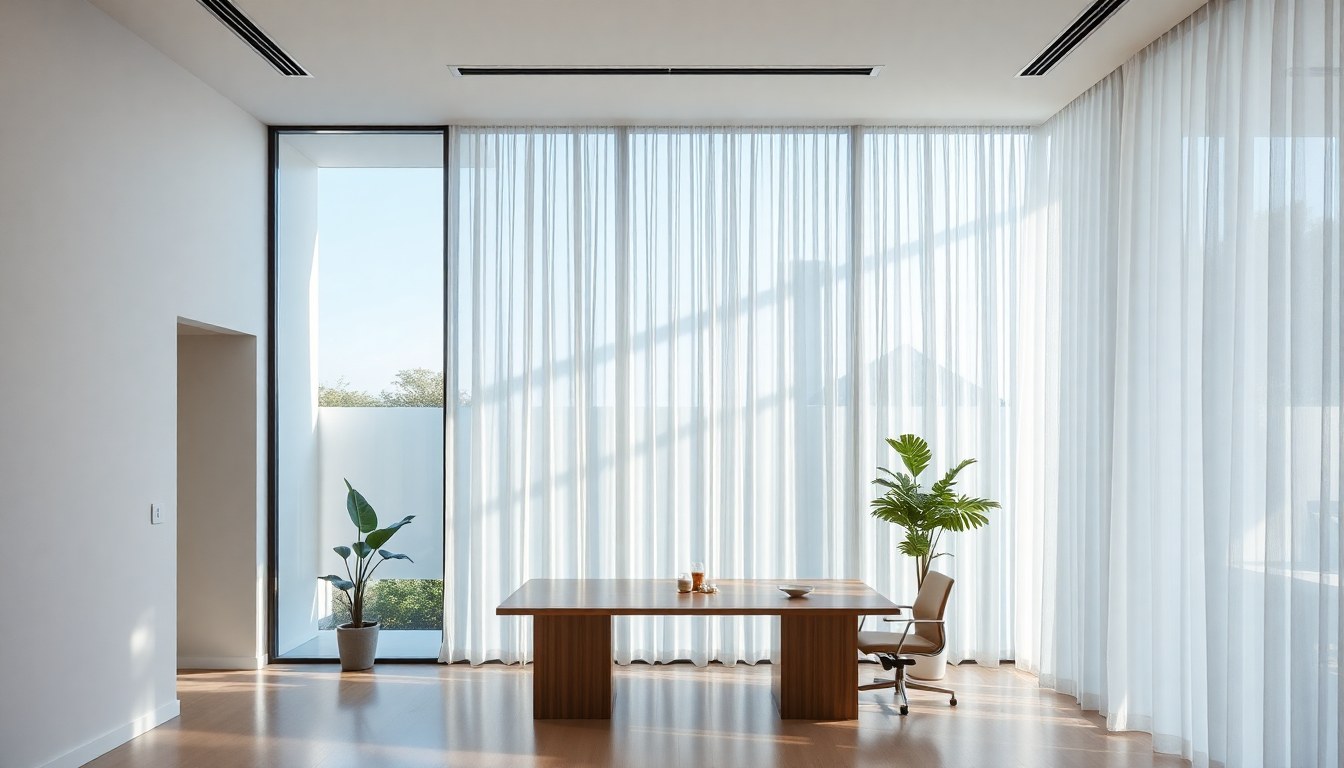
Working from home has become the norm for millions across India, but open-plan apartments and shared spaces make privacy a challenge. Smart glass—also called switchable or electrochromic glass—offers an elegant solution: instant privacy and light control at the touch of a button, without curtains, blinds, or complex installations. This technology transforms your home office into a focused, professional workspace while maintaining the aesthetic appeal of modern interiors.
What Is Smart Glass and How Does It Work?
Smart glass is a technologically advanced material that changes its light transmission properties when an electrical current is applied. The most common type used in homes is electrochromic glass, which contains a special coating that darkens or clears on demand. When switched on, the glass becomes opaque or translucent, blocking outside view and reducing light; when switched off, it returns to transparent.
The mechanism is simple: a thin layer of electrochromic material sits between two glass panes. When you activate it via a switch, remote control, or smartphone app, ions move within the coating, absorbing light. The process is reversible and can be controlled to any opacity level—from fully transparent to completely frosted. No mechanical components mean no wear and tear, making smart glass a durable long-term investment for your home office.
Types of Smart Glass for Home Use
- Electrochromic Glass: Darkens electrically; most common and energy-efficient option.
- Thermochromic Glass: Changes opacity based on temperature; passive and requires no electricity.
- Photochromic Glass: Responds to UV light; similar to transition lenses in eyeglasses.
- Liquid Crystal Glass: Scatters light to create a frosted effect; affordable but less durable than electrochromic.
For home offices, electrochromic glass is the preferred choice because it offers the most control and fastest response times.
Privacy Benefits for Home Office Setups
One of the biggest challenges in Indian homes—especially apartments in Bangalore, Mumbai, and Delhi—is the lack of separation between work and living spaces. Smart glass solves this instantly. When you're on a video call or handling confidential work, activate the glass to block the view from outside or from other rooms. No one can see into your workspace, protecting both your privacy and your professional image during client meetings.
Unlike traditional curtains, smart glass doesn't trap dust or require regular cleaning beyond a simple wipe-down. It also eliminates the visual clutter of heavy drapes, keeping your home office looking clean and modern. For shared apartments or homes with roommates, smart glass creates a psychological boundary—a clear signal that your workspace is off-limits during work hours.
Video Call Confidence
Video conferencing is now central to remote work. Smart glass ensures your background is completely private and professional. You can display a blurred or opaque glass background instead of scrambling to hide clutter or asking family members to stay out of frame. This is especially valuable if you live in a compact Mumbai flat or Bangalore apartment where space is limited.
Light Control and Thermal Efficiency
Controlling natural light is crucial for productivity and eye comfort. Smart glass lets you fine-tune the amount of light entering your workspace throughout the day. During morning hours, you might want full transparency to benefit from natural light and vitamin D. By afternoon, when the sun is intense and glare becomes an issue, you can darken the glass to reduce screen glare and maintain a comfortable working temperature.
This light control directly impacts energy efficiency. By blocking solar heat in summer, smart glass reduces the load on your air conditioning system, lowering electricity bills—a significant saving in hot Indian cities. In winter, transparent glass allows passive solar heating, reducing the need for artificial heating. Studies across global markets show smart glass can reduce cooling costs by 20-30% in commercial settings; residential savings are typically lower but still meaningful for apartments with large windows.
Reducing Eye Strain
Prolonged screen time causes digital eye strain, worsened by harsh glare and bright sunlight. Smart glass acts as an intelligent glare filter. You can adjust opacity to match your screen brightness, creating a balanced visual environment. This is particularly important if your home office window faces east or west, where morning and afternoon sun can be intense in Indian climates.
Installation and Cost Considerations
Smart glass installation in India typically ranges from ₹8,000 to ₹25,000 per square meter, depending on the type, size, and installation complexity. For a standard home office window (1.5m × 1.5m), expect a total cost between ₹18,000 and ₹56,000 including installation. While this is higher than traditional window treatments, the durability and long-term benefits justify the investment.
Installation requires professional help. The glass must be integrated into your existing window frame or installed as a retrofit panel. If your apartment lease restricts permanent modifications, some smart glass solutions are available as removable panels that attach magnetically or with adhesive strips. Always check with your landlord or building management before installation in a rented space.
Maintenance and Lifespan
Smart glass requires minimal maintenance. Wipe it with a soft, damp cloth monthly—avoid abrasive cleaners or rough scrubbing. The electrochromic coating is durable and typically lasts 20+ years with proper care. Most manufacturers offer 5-10 year warranties covering the electrical components. The glass itself is as durable as standard window glass and can withstand Indian weather conditions, including monsoon humidity and intense summer heat.
Smart Glass in Indian Apartment Contexts
Indian apartments, especially in metros like Bangalore, often feature open-plan layouts where the bedroom, living room, and workspace merge. Smart glass is an ideal solution for this constraint. Install it on a window that opens to a common living area, and you've instantly created a private workspace without structural changes. This is particularly valuable for renters who cannot install permanent walls.
In high-rise apartments with neighboring buildings close by, privacy concerns are real. Smart glass prevents neighbors from looking into your home office during work hours. It's also useful in ground-floor apartments where street-level visibility is a concern. The technology integrates seamlessly with modern apartment aesthetics—no bulky frames, no fabric, just clean glass surfaces that complement contemporary interiors.
Many Indian tech companies and startups are now offering smart glass solutions tailored to local needs. Brands like Halio, Research Frontiers (licensed partners), and local manufacturers provide options at various price points. Some even offer smart glass that works with home automation systems like Alexa or Google Home, allowing you to control privacy settings via voice commands.
Comparing Smart Glass to Traditional Alternatives
Smart glass competes with curtains, blinds, and frosted film. Here's how it stacks up:
- Curtains: Affordable but trap dust, require regular washing, block light entirely, and look bulky. Smart glass is cleaner and offers gradual light control.
- Roller Blinds: Flexible and affordable but mechanical parts wear out, collect dust, and are visible from outside. Smart glass is seamless and durable.
- Frosted Film: Budget-friendly but permanent, difficult to remove, and offers no light control. Smart glass is reversible and adjustable.
- Plantation Shutters: Attractive but expensive (₹15,000+), take up space, and require maintenance. Smart glass is space-efficient and low-maintenance.
While smart glass has a higher upfront cost, its longevity, low maintenance, and aesthetic appeal make it competitive over a 10-15 year horizon.
Frequently Asked Questions
Does smart glass work during power cuts?
No. Smart glass requires electricity to change opacity. During a power outage, it remains in its last state—either transparent or opaque. This is why many users prefer electrochromic glass, which can be set to a default transparent state so you're not trapped in darkness. Some advanced systems include battery backup, but this is rare in residential installations.
Can smart glass be installed on existing windows?
Yes, smart glass can be retrofitted onto existing windows, though it's more common to replace the entire window. Retrofit options include adhesive-backed smart film or magnetic panel systems. However, professional assessment is essential to ensure your window frame can support the additional weight and electrical wiring.
Is smart glass soundproof?
Smart glass itself offers minimal sound insulation beyond standard glass. If noise reduction is a priority, you'd need laminated or double-glazed smart glass, which is more expensive. For most home offices, standard smart glass combined with soft furnishings (rugs, curtains on other windows) provides adequate sound control.
How much electricity does smart glass consume?
Smart glass uses very little power—typically 2-5 watts per square meter to change state, and zero watts when in a fixed state. A 2 square meter panel might consume 0.5-1 kWh per month, costing just ₹5-10 depending on local electricity rates. This is negligible compared to air conditioning savings.
Can I control smart glass from my phone?
Yes, many modern smart glass systems integrate with home automation platforms. You can use a smartphone app, voice assistant, or even schedule automatic changes based on time of day. However, basic models come with a simple wall switch. Check with manufacturers about compatibility before purchasing if smart home integration is important to you.
Conclusion
Smart glass transforms home offices by delivering instant privacy, light control, and thermal efficiency without the visual clutter of traditional window treatments. For Indian apartment dwellers—especially in open-plan spaces common in Bangalore, Mumbai, and Delhi—it's a modern solution that enhances both productivity and professionalism. While the upfront cost is higher than curtains or blinds, the durability, low maintenance, and aesthetic appeal make it a worthwhile investment for anyone serious about their home office setup.
Ready to explore smart glass options for your home office? Browse verified glass suppliers and manufacturers on the Glassy.in directory to find local providers, compare prices, and connect with installation experts in your city.