
Smart Glass
Smart Glass for Office Cabins: Auto-Tinting Technology Explained
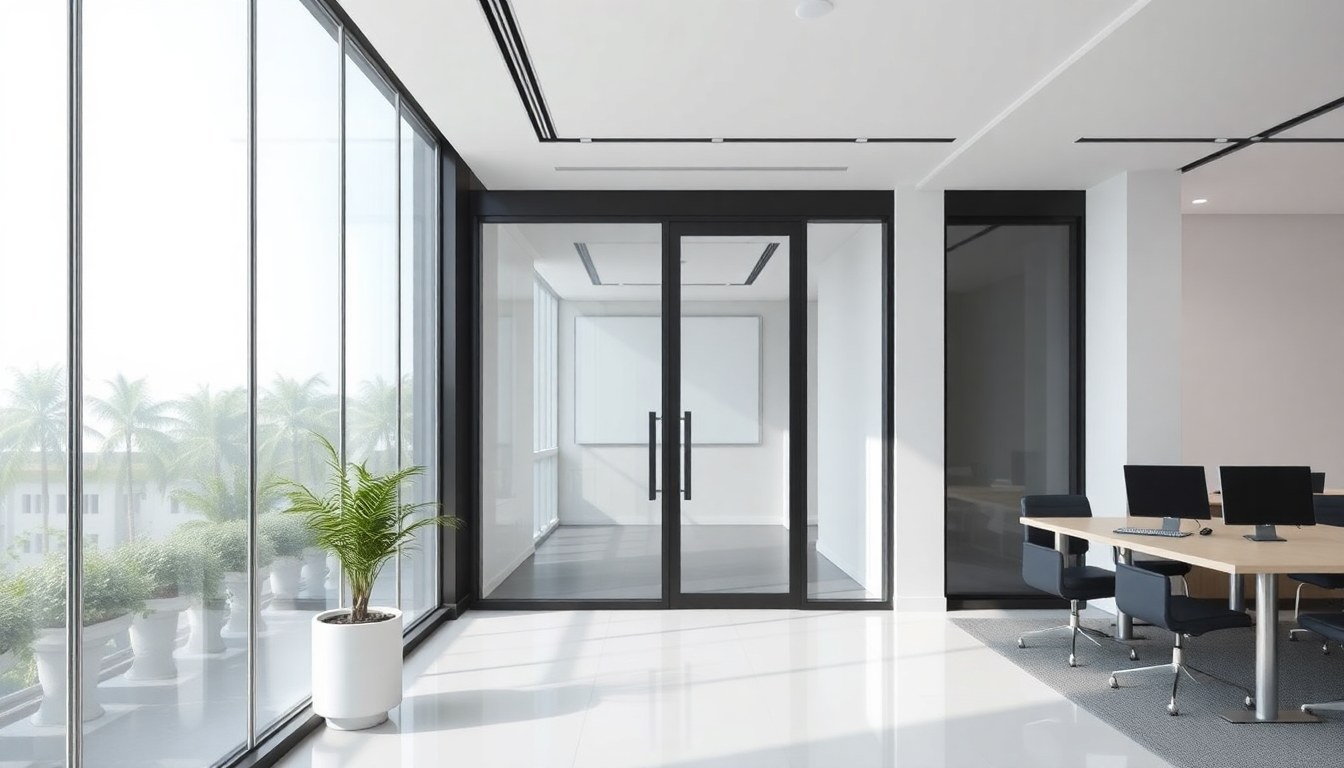
Modern office design demands flexibility, privacy, and sustainability—all without sacrificing aesthetics. Smart glass, also called switchable glass, delivers exactly that by darkening or clearing on demand, eliminating the need for traditional blinds and curtains. If you're planning a corporate office renovation in India, understanding how this technology works and what it costs is essential to making an informed decision.
What Is Smart Glass and How Does It Work?
Smart glass is a glazing technology that changes its light transmission properties when an electrical current is applied. Instead of manually adjusting blinds, you control tinting electronically—via a wall switch, remote, or smartphone app. The glass returns to its clear state when the power is switched off, offering instant privacy without any moving parts.
Two main technologies dominate the smart glass market: electrochromic and PDLC (polymer dispersed liquid crystal). Both are suitable for office cabins, but they operate on different principles and have distinct advantages.
Electrochromic Glass (EC Glass)
Electrochromic glass uses a thin coating of metal oxides that change color when ions move through them in response to a low electrical voltage. When powered, the glass gradually tints from clear to dark blue or gray over several minutes. When power is removed, it slowly returns to clear.
Key characteristics of electrochromic glass include:
- Gradual tinting (not instant, typically 3–8 minutes to full opacity)
- Lower power consumption—uses minimal electricity once tinted
- Excellent solar control, reducing heat gain by up to 60%
- Neutral gray or blue tint when activated
- Longer lifespan (20+ years with proper maintenance)
PDLC Glass (Polymer Dispersed Liquid Crystal)
PDLC glass contains microscopic liquid crystal droplets suspended in a polymer layer. When unpowered, the droplets scatter light randomly, making the glass opaque and white. When an electrical current is applied, the droplets align, allowing light to pass through, and the glass becomes clear.
Key characteristics of PDLC glass include:
- Instant switching (clear to opaque in milliseconds)
- Milky-white opacity when off (not dark)
- Higher power consumption than electrochromic glass
- Better for frequent switching scenarios
- Typical lifespan of 15–20 years
Privacy Benefits for Office Cabins
Privacy is the primary reason businesses install smart glass in executive cabins, meeting rooms, and confidential workspaces. Traditional glass partitions offer no privacy without blinds; smart glass solves this elegantly.
When you need privacy for sensitive meetings or phone calls, activate the glass with a single touch—no need to fumble with blind cords or worry about gaps. The opaque state prevents anyone outside the cabin from seeing inside, while staff inside retain clear outward visibility (depending on the technology chosen). This creates a professional appearance while maintaining confidentiality.
Smart glass also eliminates the maintenance burden of traditional blinds, which collect dust and require regular cleaning. In India's dusty urban environments, this is a significant advantage for office hygiene and aesthetics.
Energy Efficiency and Cost Savings
Beyond privacy, smart glass delivers measurable energy savings, particularly in air-conditioned office buildings across India's hot climate zones.
How Smart Glass Reduces Energy Costs
By controlling solar heat gain, smart glass reduces the cooling load on your HVAC system. Electrochromic glass is especially effective—when tinted, it reflects infrared radiation and can reduce solar heat transmission by 50–60%. Over a year, this translates to lower electricity bills, particularly during summer months when air-conditioning demand peaks.
A typical office cabin with 20 square meters of smart glass can save 10–15% on cooling costs annually, depending on orientation, climate zone, and usage patterns. In metropolitan areas like Delhi, Mumbai, and Bangalore, where commercial electricity rates range from ₹8–12 per unit, annual savings can reach ₹15,000–25,000 for a single cabin.
Return on Investment
While smart glass installation costs more upfront than conventional glazing, the energy savings and productivity benefits justify the investment over 10–15 years. Additionally, many corporate offices find that the enhanced aesthetics and employee satisfaction contribute to better retention and brand image.
Smart Glass Technology Options for Indian Offices
When selecting smart glass for your office cabin, consider your specific needs, budget, and installation constraints.
Electrochromic Glass for Energy-Focused Projects
Choose electrochromic glass if energy savings and long-term durability are priorities. It works best in cabins with consistent sun exposure and where gradual tinting is acceptable. Many Indian architects and interior designers, such as Void + Edifice Architectural Design Studio, recommend electrochromic solutions for large-scale corporate campuses where energy efficiency drives ROI.
PDLC Glass for Flexibility and Instant Privacy
PDLC glass suits environments where instant switching is essential—executive boardrooms, interview rooms, or confidential meeting spaces. Its milky-white opaque state provides absolute privacy without the aesthetic of tinted glass. However, expect higher electricity consumption and slightly lower energy savings compared to electrochromic options.
Installation Costs and Pricing in India
Smart glass pricing in India varies significantly based on technology type, glass dimensions, installation complexity, and supplier. Understanding the cost structure helps you budget accurately.
Electrochromic Glass Pricing
Electrochromic glass typically costs ₹8,000–15,000 per square meter in India, including the glass unit and control electronics. For a standard office cabin with 20 square meters of glazing (e.g., a 4m × 5m partition), expect a total material cost of ₹1,60,000–3,00,000. Installation labor adds another ₹20,000–50,000 depending on structural complexity and location.
PDLC Glass Pricing
PDLC glass is generally more affordable than electrochromic, ranging from ₹5,000–10,000 per square meter. The same 20-square-meter cabin would cost ₹1,00,000–2,00,000 for materials, plus installation charges. However, ongoing electricity costs are higher due to continuous power consumption when the glass is in clear mode.
Hidden Costs to Consider
Beyond the glass and installation, budget for:
- Control systems: Wall switches, remote controls, or smart integration (₹10,000–30,000)
- Electrical wiring: Dedicated circuits and conduits (₹5,000–15,000)
- Structural modifications: If replacing existing glass or reinforcing frames (₹10,000–40,000)
- Maintenance contracts: Annual servicing and warranty (₹5,000–10,000 per year)
Choosing the Right Supplier and Installation Partner
India's glass industry includes specialized suppliers and interior designers who work with smart glass technology. When selecting a partner, verify their experience with commercial installations and ask for references from completed office projects.
Reputable glass dealers and interior design firms, such as M N GLASS and NewEra Interiors and Architect, can guide you through technology selection, cost estimation, and installation timelines. Architects like Orion Arch Development integrate smart glass into comprehensive office design plans.
Always request a detailed quotation that breaks down material costs, labor, control systems, and warranty terms. Compare at least three suppliers before committing, and ensure the contract specifies performance guarantees (e.g., switching response time, durability) and post-installation support.
Maintenance and Long-Term Durability
Smart glass requires minimal maintenance compared to traditional blinds, but proper care extends its lifespan.
Clean the glass surface regularly using soft cloths and mild detergent—avoid abrasive scrubbers that damage the electrochromic or PDLC coating. Check electrical connections annually to ensure switches and wiring remain in good condition. Most manufacturers provide 10–20 year warranties on the glass unit itself, though the control electronics may have shorter coverage (5–10 years).
In India's humid coastal regions (Mumbai, Chennai, Kolkata), ensure proper sealing around glass edges to prevent moisture ingress, which can degrade the internal layers. Well-maintained smart glass installations routinely perform reliably for 15–25 years.
Frequently Asked Questions
What is the difference between smart glass and regular tinted glass?
Regular tinted glass is permanently colored and cannot change. Smart glass actively switches between clear and opaque states using electrical power, giving you on-demand control. This makes smart glass superior for privacy and energy management because you can adjust it instantly based on your needs.
Can smart glass be installed in existing office cabins?
Yes, smart glass can replace existing glass partitions or windows, though structural modifications may be necessary. Installation cost and complexity depend on the current frame design and whether electrical infrastructure is already in place. Consult an experienced installer to assess your specific setup.
How much electricity does smart glass consume?
Electrochromic glass uses minimal power—typically 2–5 watts per square meter while tinting, and almost nothing while holding a tinted state. PDLC glass consumes more, around 5–10 watts per square meter continuously when in clear mode. Annual electricity cost for a 20-square-meter cabin is roughly ₹500–2,000 depending on the technology and usage patterns.
Is smart glass worth the investment for small offices?
For small offices with limited budgets, smart glass may not be cost-effective unless privacy and energy savings are critical priorities. However, if you're renovating a single executive cabin or boardroom, the investment can pay off within 8–12 years through energy savings and improved employee satisfaction. Evaluate your specific needs and compare costs with alternative privacy solutions.
What happens to smart glass during a power outage?
During a power outage, electrochromic glass remains in its last state (clear or tinted) until power is restored. PDLC glass reverts to its opaque state (no power = milky white), so you retain privacy even without electricity. This is an advantage of PDLC in areas prone to power cuts.
Conclusion and Next Steps
Smart glass technology offers Indian offices a modern solution for privacy, energy efficiency, and professional aesthetics. Whether you choose electrochromic or PDLC glass depends on your priorities—energy savings and durability favor electrochromic, while instant switching and guaranteed privacy favor PDLC.
Ready to transform your office cabin? Explore verified smart glass suppliers and interior designers on glassy.in, India's largest glass-business directory. Connect with local experts who understand Indian building codes, climate challenges, and budget constraints. Browse our directory of trusted glass dealers, architects, and interior designers to get quotes and begin your smart glass project today.