
Smart Glass
Smart Glass for Home Offices: Switchable Privacy Solutions in 2026
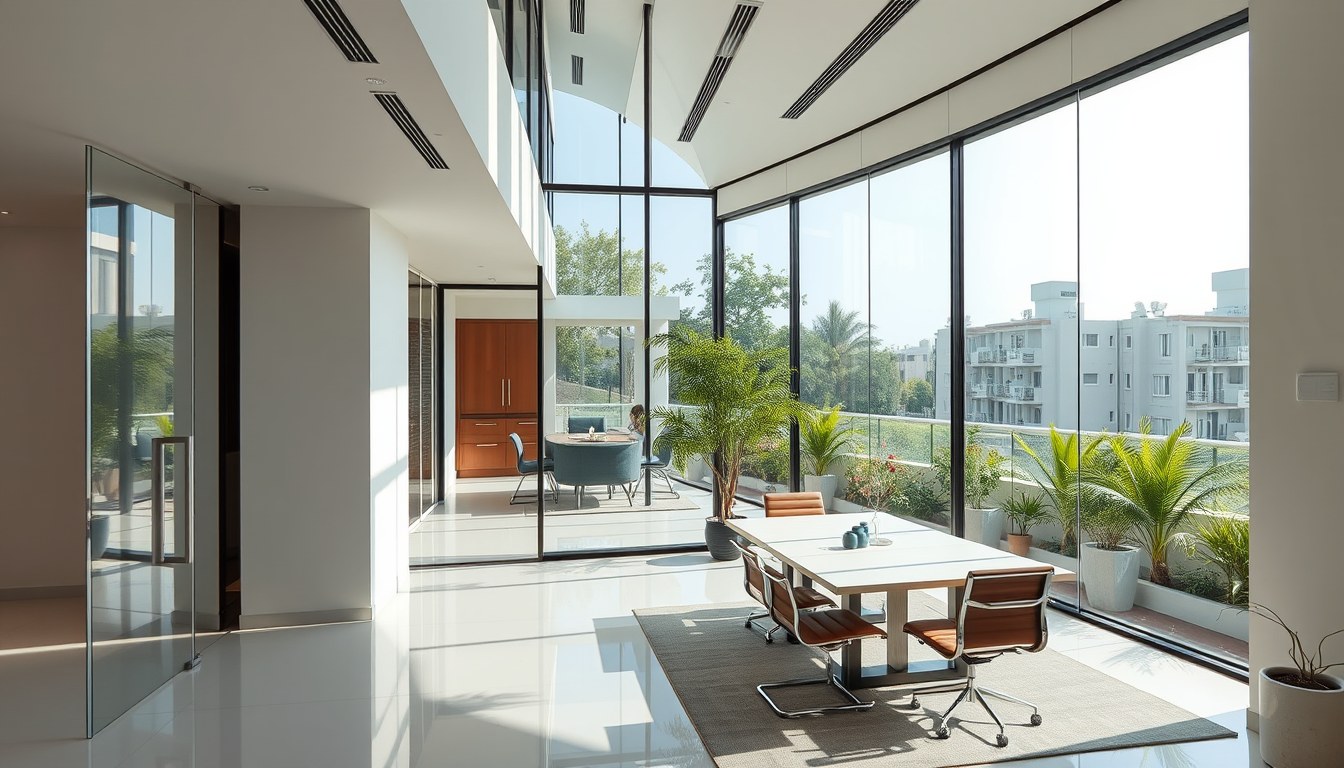
As remote work becomes the norm for Indian professionals, the demand for dedicated, distraction-free home office spaces has never been higher. Smart glass—also called switchable glass or dynamic glass—offers an elegant solution: windows and partitions that transform from transparent to opaque at the flick of a switch, giving you instant privacy without curtains, blinds, or permanent barriers. Whether you're in Bangalore's tech hub or Delhi NCR's growing startup ecosystem, smart glass can elevate your work-from-home setup while reducing energy costs and improving focus.
What Is Smart Glass and How Does It Work?
Smart glass is a revolutionary material that changes its light-transmission properties when an electrical current is applied. Unlike traditional glass, which remains static, smart glass can shift between transparent and opaque states in seconds, offering dynamic control over privacy and light. Two main technologies dominate the market: electrochromic glass and polymer-dispersed liquid crystal (PDLC) glass.
Electrochromic glass works through an electrochemical reaction that darkens the glass when voltage is applied. It's similar to the auto-dimming rear-view mirrors found in modern cars. PDLC glass, on the other hand, contains microscopic liquid crystals suspended in a polymer matrix. When no current flows, the crystals are randomly oriented, scattering light and making the glass opaque. Apply electricity, and the crystals align, allowing light to pass through and making the glass transparent.
Key Advantages Over Traditional Solutions
Smart glass eliminates the clutter of curtains, blinds, and heavy drapes that accumulate dust and require regular maintenance. It provides a sleek, modern aesthetic that complements contemporary home office designs. More importantly, you control privacy electronically—no manual adjustments needed during video calls or when unexpected guests arrive. The technology also integrates seamlessly with smart home systems, allowing voice control or automated scheduling based on time of day.
Why Home Office Professionals Need Smart Glass in 2026
The work-from-home landscape has matured significantly. Professionals now demand spaces that rival traditional office environments in terms of functionality and professionalism. Smart glass addresses three critical pain points: privacy during video conferences, noise reduction, and thermal comfort.
Privacy During Video Calls
Video conferencing is central to remote work. Smart glass allows you to instantly obscure your background without rearranging furniture or investing in expensive backdrop systems. When the glass switches to opaque, it creates a clean, professional appearance while protecting your personal space from colleague visibility. This is particularly valuable for professionals in Bangalore and Delhi NCR, where apartment sizes vary and personal space is at a premium.
Noise Reduction and Focus
Laminated smart glass can reduce external noise by 30-40%, creating a quieter work environment. Combined with the psychological benefit of a visibly private space, smart glass helps minimize distractions and improves concentration during deep work sessions. For those sharing apartments or living in busy urban areas, this acoustic benefit is invaluable.
Energy Efficiency and Cost Savings
Smart glass reflects and absorbs solar heat when switched to opaque mode, reducing the load on air conditioning systems. Studies show that electrochromic windows can reduce cooling costs by 20-30% during summer months. In India's hot climate, especially in metros like Bangalore and Delhi, this translates to measurable savings on electricity bills. Over time, the energy savings offset the initial investment in smart glass installation.
Types of Smart Glass Solutions for Home Offices
The smart glass market offers several configurations to suit different home office layouts and budgets. Understanding the options helps you choose the right solution for your space.
Switchable Glass Windows
Full-window smart glass installations replace traditional window panes with electrochromic or PDLC glass. These are ideal if your home office has exterior windows that overlook busy streets or neighboring buildings. Switchable windows provide maximum privacy control while maintaining natural light when needed. Installation typically costs between ₹8,000 to ₹20,000 per square meter, depending on the technology and glass thickness.
Smart Glass Partitions and Dividers
For apartments or open-plan homes, smart glass partitions create dedicated office zones without permanent walls. These modular systems can be installed between rooms or within a single room to separate your workspace from living areas. They're particularly popular in Delhi NCR's compact apartments, where space optimization is critical. Partition costs range from ₹6,000 to ₹15,000 per square meter.
Smart Glass Doors
Switchable glass doors offer a practical middle ground. They provide privacy when closed and opaque, yet allow light and visual connection when transparent. Ideal for home offices that double as guest rooms or shared spaces, smart glass doors cost between ₹15,000 and ₹35,000 per door, depending on size and specifications.
Installation, Maintenance, and Long-Term Durability
Smart glass installation requires professional expertise to ensure proper electrical wiring and weatherproofing. Most reputable glass suppliers in India provide turnkey installation services, typically completing residential projects within 3-7 days. The process involves removing existing windows or partitions, installing the smart glass units, and connecting them to a control system.
Maintenance is minimal compared to traditional window coverings. Smart glass requires occasional cleaning with standard glass cleaner—no dusting of blinds or washing of curtains. The electrical components are sealed and protected, offering a lifespan of 20-30 years with proper installation. Warranty periods typically range from 5 to 10 years for the glass and electrical systems.
One consideration: smart glass relies on electricity, so power outages will leave it in its last-used state. Most modern installations include backup battery systems or manual override options to address this concern. Additionally, the control systems integrate with standard home automation platforms, allowing remote operation via smartphone apps or voice assistants.
Cost-Benefit Analysis for Indian Home Office Owners
The upfront cost of smart glass installation is higher than traditional solutions—typically ₹50,000 to ₹2,00,000 for a complete home office setup, depending on area and technology choice. However, the long-term benefits justify the investment for serious remote workers.
- Energy savings: ₹5,000-₹15,000 annually in reduced cooling costs, depending on window size and climate
- Productivity gains: Improved focus and fewer distractions translate to better work output and career advancement
- Property value: Smart home features, including switchable glass, increase property appeal and resale value by 3-5%
- Health benefits: Reduced stress from noise and privacy concerns, improved sleep quality with automated light control
- Durability: 20-30 year lifespan eliminates replacement costs associated with curtains, blinds, and other traditional coverings
For professionals earning ₹50,000 or more monthly, the payback period is typically 5-7 years when factoring in energy savings, maintenance reduction, and improved productivity. For those in high-income brackets or running home-based businesses, the ROI is even more compelling.
Choosing the Right Smart Glass Provider in India
As smart glass adoption grows in India, numerous suppliers now offer installation services in Bangalore, Delhi NCR, Mumbai, and other major cities. When evaluating providers, consider the following factors:
- Technology type: Electrochromic glass offers superior color and is ideal for aesthetics; PDLC glass is more affordable and better for privacy
- Response time: Faster switching (under 2 minutes) is more convenient for frequent privacy adjustments
- Power consumption: Modern smart glass uses 3-5 watts per square meter when switching; look for energy-efficient models
- Warranty and support: Ensure the provider offers at least 5 years warranty and has local service centers
- Integration capabilities: Verify compatibility with your existing smart home ecosystem (Google Home, Alexa, etc.)
- Installation expertise: Ask for references and photos of completed projects in your city
Frequently Asked Questions
How long does smart glass take to switch from transparent to opaque?
Most modern smart glass switches within 30 seconds to 2 minutes, depending on the technology and voltage applied. Electrochromic glass typically responds faster than PDLC glass. The switching speed is more than adequate for home office use, though some users find the gradual transition more aesthetically pleasing than instant changes.
Can smart glass be used in bathrooms or kitchens?
Yes, smart glass works well in bathrooms and kitchens, provided proper waterproofing and electrical installation are in place. Many homeowners combine smart glass in multiple rooms for a cohesive smart home experience. However, ensure the installation follows electrical safety codes and uses moisture-resistant wiring.
What happens to smart glass during a power outage?
Smart glass remains in its last-used state during a power outage. If it was transparent when power cut, it stays transparent. Most modern installations include backup battery systems or capacitors that allow at least one or two switching cycles during an outage. Some systems also include manual mechanical overrides for added security.
Is smart glass worth the investment for a rented apartment?
Smart glass can be installed as a semi-permanent fixture in rented spaces, though you'll need landlord approval. Modular smart glass partitions are particularly popular among renters, as they can be removed without damaging walls. However, the long-term value proposition is stronger for homeowners who benefit from increased property value and extended use.
How does smart glass perform in India's hot climate?
Smart glass excels in India's hot climate. When switched to opaque mode, it reflects up to 80% of solar heat, significantly reducing air conditioning load. This makes it especially valuable during summer months in Bangalore, Delhi NCR, and other metro areas. The technology is fully tested and certified for tropical and subtropical climates.
Transform Your Home Office Today
Smart glass represents the future of home office design in India, combining privacy, aesthetics, and energy efficiency in a single solution. Whether you're a software engineer in Bangalore, a consultant in Delhi NCR, or a freelancer anywhere in the country, switchable glass can create a professional, distraction-free workspace that rivals traditional offices. Explore the latest smart glass options and certified installers on glassy.in, India's most comprehensive glass business directory, and find the perfect solution for your home office needs.