
Smart Glass
Smart Glass for Home Offices: Privacy Control Without Curtains
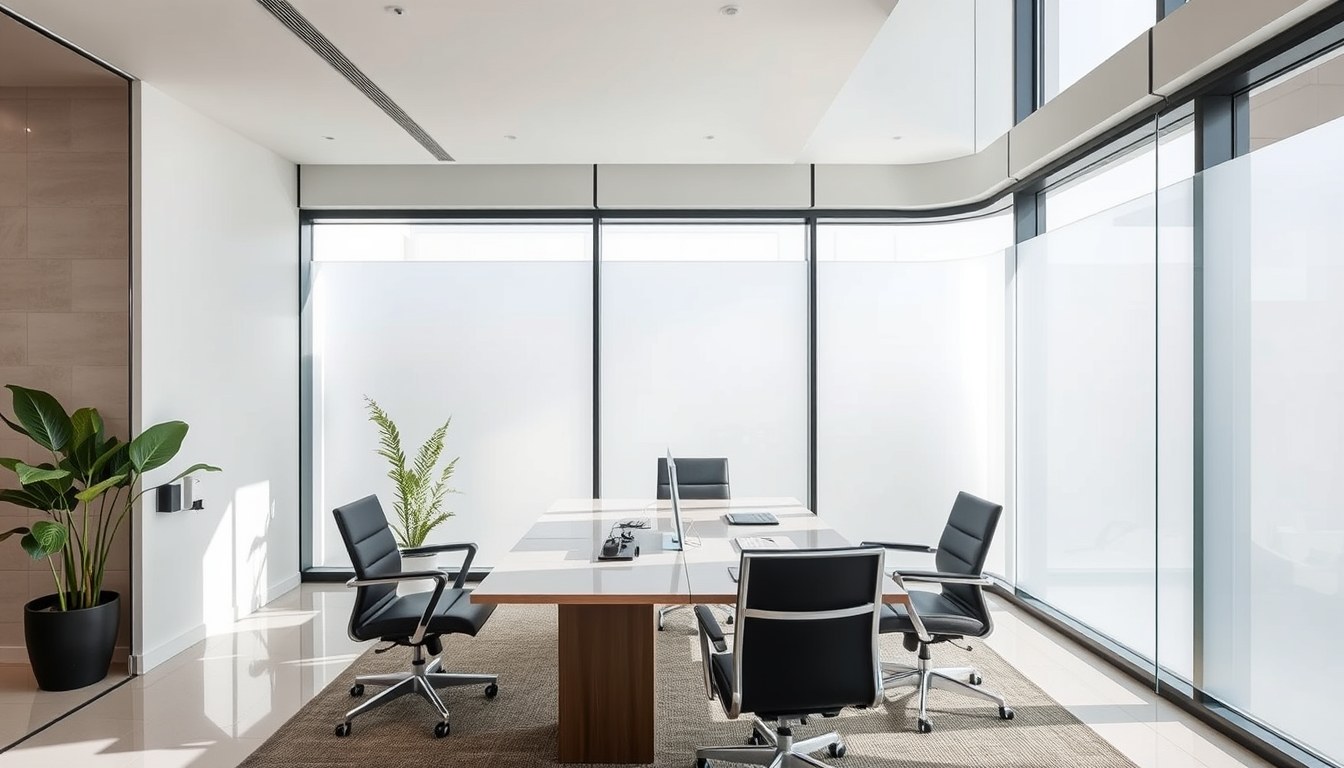
Working from home has become the norm for millions of professionals across India, but privacy remains a persistent challenge—especially when video calls, confidential work, or focused concentration demand an interruption-free environment. Smart glass (also called switchable glass or electrochromic glass) solves this elegantly by transforming from transparent to opaque instantly, giving you complete privacy control without a single curtain rod or blind in sight. Whether you're managing client calls, handling sensitive documents, or simply need to minimize distractions, smart glass creates a professional, modern workspace that adapts to your needs in seconds.
What Is Smart Glass and How Does It Work?
Smart glass is a cutting-edge glazing technology that changes its light-transmission properties when an electrical current is applied. The most common type for home offices is electrochromic glass, which contains a special coating that darkens or lightens based on voltage. When you flip a switch or use a remote control, the glass shifts from crystal clear to frosted or tinted—without any moving parts, no mechanical failures, and no maintenance headaches.
The science is straightforward: tiny ions move within the glass layers, absorbing or reflecting light. This happens in milliseconds, creating an instant privacy barrier. Unlike traditional blinds that gather dust or curtains that fade over time, smart glass maintains its appearance and function for decades. The technology is already widely used in commercial buildings, luxury hotels, and high-end residences across major Indian cities like Mumbai, Bangalore, and Delhi—and it's becoming increasingly accessible for home office setups.
Types of Smart Glass for Home Offices
- Electrochromic Glass: Darkens electronically with a switch; most responsive and popular for privacy control.
- Thermochromic Glass: Reacts to temperature changes; less controllable but useful for heat management.
- Photochromic Glass: Darkens in sunlight automatically; similar to transition lenses but for windows.
- Suspended Particle Devices (SPD): Uses tiny particles suspended in liquid; fast response and excellent light control.
Privacy Benefits for Work-From-Home Professionals
The primary advantage of smart glass is instant, controllable privacy without sacrificing natural light. During video conferences, you can activate privacy mode to prevent colleagues from seeing your home interior. When handling confidential documents or sensitive client information, the frosted effect shields your screen from passersby or family members. Unlike curtains that block light entirely, smart glass can be set to various tint levels, allowing you to maintain ambient lighting while obscuring visibility.
For professionals managing multiple calls throughout the day, the convenience is transformative. No more fumbling with curtain cords before important meetings or leaving your office looking like a cave. A single tap on a wall-mounted control or smartphone app adjusts your privacy instantly. This is especially valuable in Indian homes where office spaces often double as bedrooms or living areas—smart glass creates a psychological and visual boundary that signals "do not disturb" to family members without permanent architectural changes.
Managing Distractions and Focus
Beyond privacy from others, smart glass helps you manage external distractions. Sunlight glare on your monitor is a common productivity killer, particularly in Indian climates where intense afternoon sun can wash out screens. By adjusting the tint level, you reduce glare while maintaining visibility into your workspace. This is far more flexible than static window treatments. You can also use the frosted mode psychologically—it signals to your brain that you're in a focused work zone, improving concentration and reducing the urge to gaze out the window.
Aesthetic and Space-Saving Advantages
Smart glass elevates the visual appeal of your home office significantly. It looks modern, sleek, and professional—exactly what you want if you're hosting client video calls or virtual meetings. There are no bulky curtain rods, no fabric that collects dust, and no need to coordinate colors with your décor. The glass itself becomes a design feature, maintaining clean sight lines and an open, spacious feeling even when privacy is activated.
For small home offices—common in Indian urban apartments—this space-saving aspect is invaluable. Traditional curtains or roller blinds consume valuable wall space and can make compact rooms feel cramped. Smart glass requires no physical installation beyond the window frame itself, leaving your walls clear for shelving, artwork, or additional furniture. The result is a workspace that feels larger, more professional, and better organized.
Complementing Modern Home Office Design
- Minimalist aesthetic: No visible hardware or fabric clutter.
- Professional appearance: Looks corporate-grade, ideal for video calls.
- Flexible transparency: Adjust tint to match your mood or work requirements.
- Easy integration: Pairs seamlessly with modern smart home systems (voice control, automation).
- Longevity: Maintains appearance for 20+ years with minimal maintenance.
Installation and Cost Considerations for Indian Homes
Smart glass installation in India typically ranges from ₹8,000 to ₹25,000 per square meter, depending on the type, size, and supplier. A standard home office window (approximately 1.5 × 1.5 meters) would cost between ₹18,000 and ₹56,000 installed. While this is higher than traditional curtains (₹2,000–₹10,000), the long-term value is substantial: no replacement costs, minimal maintenance, and decades of reliable performance.
Installation requires professional expertise. The glass must be properly sealed, wired to a control system, and integrated with your home's electrical infrastructure. Reputable glass dealers and installers across major Indian cities can handle this work. For example, Crystal Glass & Hardware in Delhi and similar regional specialists can guide you through selection, customization, and installation. Always request multiple quotes and verify the installer's experience with smart glass projects.
Electrical Requirements and Safety
Smart glass operates on low-voltage DC power (typically 24V or 48V), making it safe for residential use. A dedicated electrical circuit is recommended to avoid power fluctuations. Most systems include fail-safe designs—if power is cut, the glass defaults to a safe state (usually transparent). Installation should comply with Indian Electrical Rules and be handled by certified electricians. Professional installers will ensure proper wiring, switching mechanisms, and integration with your home's main electrical panel.
Practical Workflow Integration and Control Options
Modern smart glass systems offer multiple control methods, making them convenient for daily work routines. Wall-mounted switches provide instant manual control, while smartphone apps allow you to adjust privacy from anywhere in your home. Many systems integrate with popular smart home platforms like Google Home or Alexa, enabling voice commands—imagine saying "Alexa, privacy mode" before an important call. Scheduling features let you automate tint adjustments based on time of day or sunlight intensity.
For professionals managing back-to-back meetings, programmable scenes are game-changing. You can create a "Call Mode" that activates maximum privacy, dims lighting to optimal levels, and even adjusts your smart thermostat for comfort. A "Focus Mode" might set partial tint to reduce glare while maintaining natural light. These workflows eliminate manual adjustments and create consistency across your workday.
Integration with Your Work Routine
- Morning routine: Transparent mode for natural light and mood boost.
- Video calls: One-tap privacy activation before meetings.
- Confidential work: Maximum frosting for sensitive document handling.
- Afternoon focus: Partial tint to combat glare and maintain concentration.
- End of day: Transparent mode to signal work-life boundary and transition.
Comparing Smart Glass to Traditional Privacy Solutions
How does smart glass stack up against curtains, blinds, and frosted window film? Each option has trade-offs. Curtains offer affordability and aesthetic variety but require daily adjustment, accumulate dust, and can fade. Roller blinds are practical but create a closed-off feeling and still need regular cleaning. Frosted film is cheap and permanent but can't be adjusted—once applied, you lose transparency entirely.
Smart glass sits at the premium end but offers unmatched flexibility. You get transparency on demand, privacy on demand, and zero maintenance. The technology is quieter than motorized blinds, more durable than fabric, and far more controllable than static film. For professionals who value time, aesthetics, and long-term reliability, smart glass is the logical choice despite higher upfront costs.
Frequently Asked Questions
Does smart glass work in all types of windows?
Smart glass can be retrofitted into most standard window frames, though it works best in new installations or complete window replacements. Existing frames must be structurally sound and properly sealed. Consult a professional installer to assess your specific windows; they can advise on feasibility and recommend solutions tailored to your home office setup.
What's the typical lifespan of smart glass?
High-quality smart glass systems last 20–30 years with minimal degradation. The glass itself is durable, and electronic components are solid-state with no moving parts. Occasional control panel replacements may be needed, but the core glass remains functional. This longevity justifies the initial investment, especially compared to replacing curtains or blinds every few years.
Can smart glass be used with existing window treatments?
Yes, smart glass can work alongside traditional curtains or blinds for layered privacy control, though this defeats the space-saving advantage. Most users find smart glass alone sufficient, eliminating the need for additional window coverings. If you want maximum flexibility, you could use smart glass with lightweight sheer curtains for aesthetic softness on transparent days.
Is smart glass expensive to operate?
Operating costs are minimal. Smart glass consumes power only when changing state (darkening or lightening), not while maintaining a fixed tint. A typical system uses 5–10 watts during transitions and negligible power while static. Over a year, electricity costs are usually under ₹500–₹1,000, making it economical compared to running air conditioning to offset solar heat gain.
How do I maintain smart glass?
Smart glass requires almost no maintenance. Clean it like regular windows using mild soap and water or standard glass cleaner. Avoid abrasive materials that could scratch the surface. The electronic components are sealed and weatherproof, requiring no attention. This low-maintenance nature is one of smart glass's greatest advantages for busy professionals.
Transform Your Home Office Today
Smart glass represents the future of home office design—combining privacy, aesthetics, and functionality in a single elegant solution. Whether you're managing confidential client work, hosting frequent video calls, or simply seeking a distraction-free focus zone, switchable glass delivers instant control without the clutter of traditional window treatments. Explore options from trusted glass suppliers and installers in your area through the glassy.in directory, where you'll find verified businesses offering smart glass solutions, installation services, and expert consultations tailored to your home office needs. Upgrade your workspace today and experience the difference that modern glass technology can make.