
Glass Guides
Skylight Glass Options for Residential Homes: Natural Light, Heat, and Condensation Control
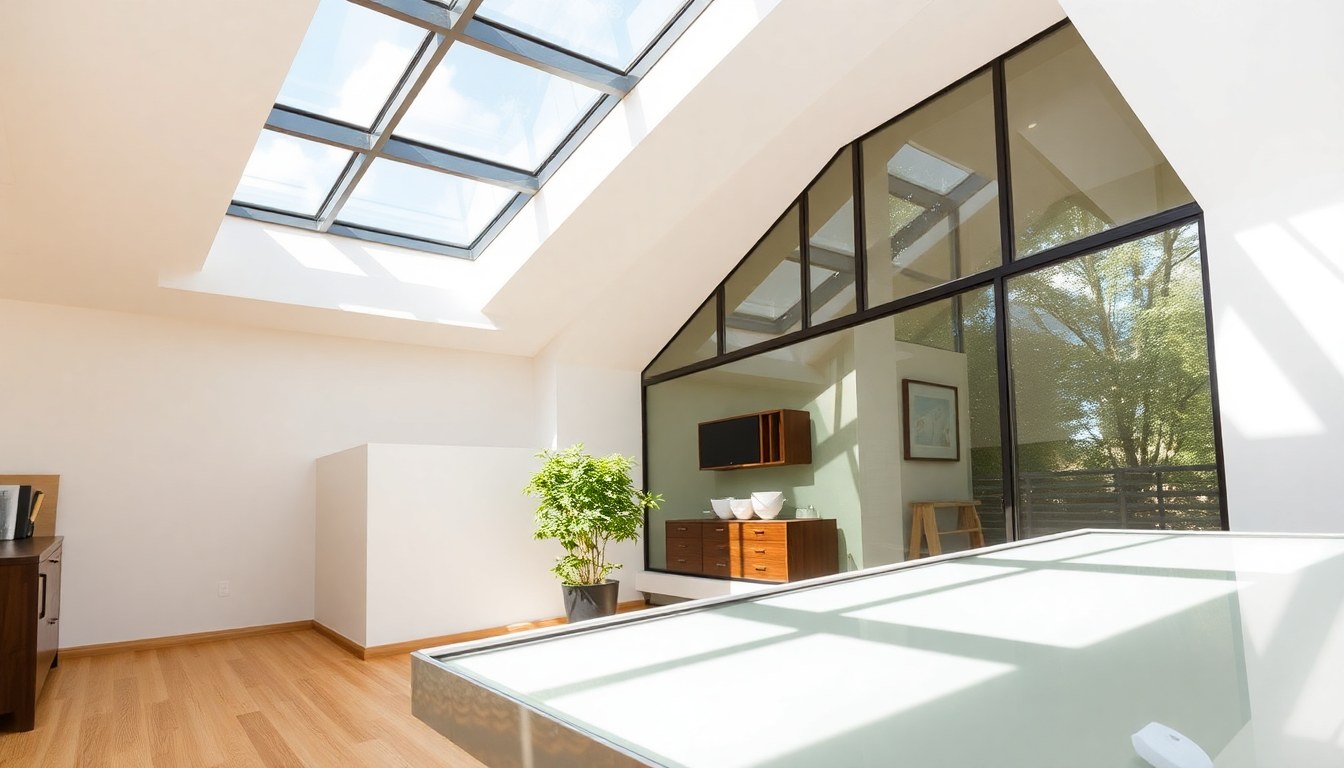
Skylights transform living spaces by flooding interiors with natural daylight, reducing daytime electricity consumption and improving occupant well-being. However, selecting the appropriate skylight glazing is critical—the wrong choice leads to excessive heat gain in summer, condensation buildup in monsoon seasons, and structural stress on your roof. This guide examines the three primary skylight glass options available for Indian residential homes, helping you balance natural light, thermal performance, and moisture control.
Understanding Skylight Glass Types in India
Residential skylights in India typically use three main glazing systems: toughened (tempered) glass, laminated glass, and insulated glazing units (IGUs). Each offers distinct advantages and trade-offs depending on your climate zone, roof orientation, and budget. Toughened glass is the most affordable and offers excellent safety; laminated glass provides sound insulation and UV filtering; and IGUs deliver superior thermal control—essential for managing India's intense solar radiation and humid monsoon conditions.
The choice depends on several factors: your home's location (coastal, plains, or hilly), the skylight's orientation (north-facing skylights receive less heat than south-facing ones), your roof pitch, and local building codes. Working with experienced architects like muppāl architects & associates or AR ARCHITECTS STUDIO ensures your skylight design meets structural and thermal requirements.
Toughened Glass: Durability and Safety
Toughened (tempered) glass is the most commonly used skylight material in India due to its strength, affordability, and safety profile. It undergoes a heat-treatment process that makes it four to five times stronger than annealed glass, and when it breaks, it shatters into small, blunt fragments rather than sharp shards—a critical safety feature for overhead installations.
Advantages of Toughened Glass
- Cost-effective: Typically 30–50% cheaper than laminated or IGU options, making it accessible for budget-conscious homeowners across India.
- Safety: Breaks into harmless granules, meeting Indian building safety standards (IS 2250:2021).
- Thermal shock resistance: Handles temperature fluctuations common in Indian climates without cracking.
- Easy maintenance: Smooth surface resists dust and is simple to clean.
Limitations in Indian Climates
Toughened glass offers minimal thermal insulation, allowing significant heat transmission during summer months—a serious drawback in cities like Delhi, Mumbai, and Bangalore where roof temperatures exceed 60°C. It also provides no condensation control, meaning moisture accumulates on interior surfaces during monsoon seasons in coastal and Western regions. For these reasons, toughened glass alone is best suited for covered or semi-enclosed skylights in cooler hill stations rather than fully exposed residential skylights in India's hot-humid zones.
Laminated Glass: Safety, Sound, and UV Control
Laminated glass consists of two or more glass panes bonded by a polyvinyl butyral (PVB) interlayer. This construction provides superior safety, sound dampening, and ultraviolet (UV) filtering—making it an excellent choice for homeowners prioritizing security and interior preservation.
Benefits for Indian Homes
- Enhanced safety: If broken, glass adheres to the interlayer, preventing sharp fragments from falling into living spaces—critical for overhead skylights.
- UV protection: Blocks 95–99% of harmful UV rays, protecting furniture, artwork, and flooring from fading—valuable in India's intense sunlight.
- Sound insulation: Reduces external noise by 30–40 decibels, beneficial in urban areas and near traffic.
- Structural integrity: Maintains shape even when damaged, supporting roof loads safely.
Thermal Performance Concerns
While laminated glass offers excellent safety and UV control, its thermal insulation is only marginally better than toughened glass. A single-pane laminated skylight still transmits substantial heat into your home during summer, increasing air-conditioning loads and energy costs. Additionally, standard laminated glass does not address condensation issues—moisture will still accumulate on interior surfaces in humid climates. For optimal performance, laminated glass is best combined with an air gap or second pane to create an insulating layer.
Insulated Glazing Units (IGUs): The Premium Solution
Insulated glazing units, commonly called double-glazed or triple-glazed skylights, consist of two or three panes separated by sealed air or argon gas chambers. This design dramatically improves thermal performance and condensation control—making IGUs the recommended choice for most Indian residential skylights, particularly in hot-humid and monsoon-prone regions.
Thermal and Moisture Benefits
IGUs reduce solar heat transmission by 40–60% compared to single-pane glass, significantly lowering cooling costs during summer. The sealed air gap acts as an insulating barrier, while the inner pane remains warmer, reducing the temperature difference that causes condensation. In coastal cities like Chennai, Kochi, and Mumbai, where humidity levels exceed 80% during monsoon, IGUs virtually eliminate interior condensation—a major advantage over single-pane options.
Advanced IGU Specifications
For maximum performance in Indian climates, specify IGUs with the following features:
- Low-emissivity (Low-E) coatings: Reflective coatings on glass surfaces reduce radiant heat transmission by up to 70%, keeping homes cooler without blocking visible light.
- Argon or krypton gas fill: Denser than air, these gases improve insulation by 10–15% and are standard in quality IGUs.
- Laminated inner pane: Combines safety benefits of lamination with thermal efficiency of IGUs.
- Warm-edge spacers: Thermally broken aluminum or fiberglass spacers reduce heat loss at the pane edges, minimizing condensation at corners.
Cost and Installation Considerations
IGUs cost 2.5–4 times more than toughened glass (approximately ₹8,000–₹15,000 per square meter installed, depending on specifications and location). However, the energy savings—typically 15–25% reduction in cooling costs—often justify the investment over 5–10 years. Professional installation is essential; improper sealing compromises the unit's performance and voids warranties. Consult architects experienced in sustainable design, such as Vastulinear Pvt Ltd, to ensure correct sizing, framing, and ventilation integration.
Managing Solar Gain and Condensation in Indian Climates
Beyond glass selection, controlling solar gain and condensation requires thoughtful design. South and west-facing skylights receive intense afternoon sun; consider exterior shading devices like adjustable louvers or reflective films to reduce heat transmission by 30–50%. North-facing skylights provide consistent, indirect light without excessive heat.
Condensation forms when warm, humid indoor air contacts cold glass surfaces. Proper ventilation—whether through ceiling fans, exhaust systems, or operable skylights—removes moisture-laden air before it condenses. In kitchens and bathrooms, local exhaust fans are mandatory. IGUs with warm inner-pane temperatures (achieved through Low-E coatings and argon fill) naturally resist condensation better than single-pane alternatives.
Interior design professionals like Universal Home Decors and TATTVA, The House Of Designs can integrate skylights with coordinated HVAC and ventilation strategies to maximize comfort while minimizing moisture issues.
Structural and Building Code Requirements
Indian building codes (National Building Code 2016) mandate that all overhead glazing be safety glass—either toughened or laminated—to prevent injury from falling fragments. Skylights must also resist wind loads, which vary by location: coastal regions require higher wind-load ratings than inland areas. Roof pitch affects load distribution; steeper roofs (above 45 degrees) shed water more effectively, reducing pooling and condensation risk.
Structural engineers must verify that your roof frame supports the weight of the skylight system (typically 15–25 kg per square meter for IGUs). Improper installation can lead to leaks, structural failure, and voided warranties. Engage qualified architects and contractors who understand local climate challenges and building standards—firms like Studio ARCPLUS CONSTRUCTION and Madras Terrace Architects bring regional expertise to skylight projects.
Frequently Asked Questions
What is the best skylight glass for monsoon-prone areas in India?
Insulated glazing units (IGUs) with Low-E coatings are ideal for monsoon regions. The sealed air gap and warm inner-pane temperature prevent condensation, while the double-pane design provides structural integrity against heavy rain and wind. In coastal cities like Kerala and Maharashtra, IGUs reduce condensation by up to 90% compared to single-pane glass.
How much do skylights cost in India, and is the investment worth it?
Toughened glass skylights cost ₹3,000–₹6,000 per square meter installed; laminated glass costs ₹5,000–₹10,000; and IGUs range from ₹8,000–₹15,000. While IGUs are pricier, they reduce cooling costs by 15–25% annually, paying back their premium investment in 5–10 years while improving comfort and home value.
Can I use a single pane of toughened glass for my skylight?
Toughened glass meets safety codes and works in cooler climates or for semi-enclosed skylights. However, in India's hot-humid zones, it transmits excessive heat and causes condensation. For permanent, fully exposed skylights, IGUs or laminated glass are strongly recommended.
Do Low-E coatings block natural light?
No. Low-E coatings are nearly invisible and transmit 75–85% of visible light while reflecting infrared heat. Your skylight remains bright and clear while staying cooler.
How often should I clean skylights, and what's the best method?
Clean skylights every 3–6 months, more frequently in dusty or coastal areas. Use a soft cloth, mild soap, and water. Avoid abrasive cleaners that scratch coatings. For safety, hire professionals for skylights above 10 feet or on steep roofs.
Choose the Right Skylight Glass for Your Home
Selecting skylight glass is a balance between natural light, energy efficiency, safety, and climate resilience. Toughened glass suits budget-conscious homeowners in cooler regions; laminated glass adds UV and sound protection; and IGUs deliver superior thermal and condensation control for India's challenging climates. Partner with experienced architects and glass suppliers through glassy.in's directory to design and install skylights that brighten your home while keeping it cool, dry, and structurally sound for decades to come.