
Glass Facades
Shopfront Glass Façade Troubleshooting: Condensation, Seal Failure & Cracks
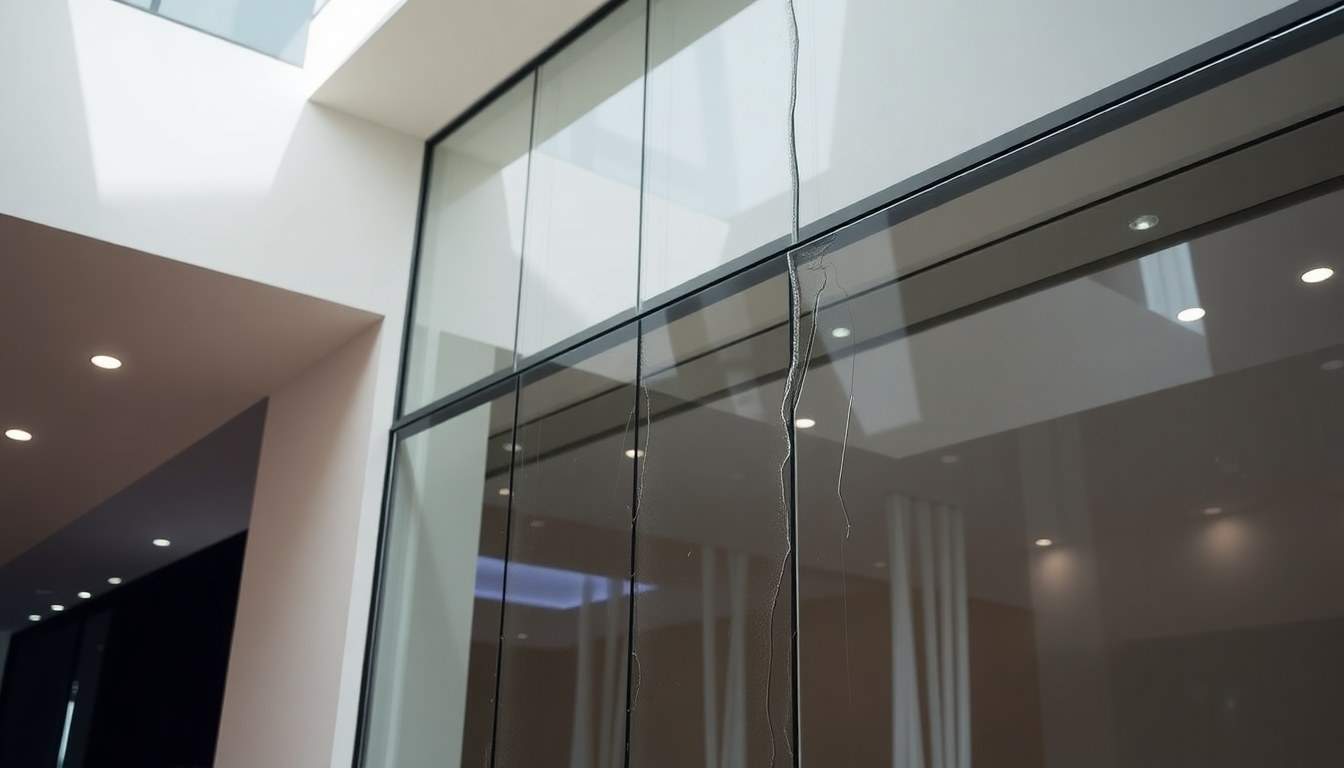
A shopfront's glass façade is your retail space's first impression—but when condensation clouds the view, seals fail, or cracks appear, your business suffers both aesthetically and functionally. These issues aren't just cosmetic; they signal underlying thermal stress, moisture intrusion, and structural vulnerability that demand immediate attention. This guide walks you through diagnosing and resolving the most common shopfront glass façade problems so you can restore clarity, integrity, and customer confidence.
Understanding Condensation in Shopfront Glass
Condensation occurs when warm, moisture-laden air inside your shop meets the cold surface of the glass, causing water vapor to condense into visible droplets or fogging. This is especially common in Indian retail spaces during monsoon season or in air-conditioned shops where the temperature differential between inside and outside is significant. While occasional condensation is normal, persistent fogging indicates either poor ventilation, inadequate insulation, or failing window seals.
The problem worsens when condensation accumulates between glass panes—a sign that the hermetic seal has failed. Water trapped inside the double-glazing cannot evaporate, leading to permanent fogging that no amount of wiping will fix. This not only obscures your merchandise display but also reduces the insulating value of the glass, increasing cooling costs.
Diagnosing Condensation Issues
- Interior condensation: Water droplets on the inside surface of single-pane or outer panes. Usually caused by high indoor humidity and poor air circulation.
- Between-pane fogging: Clouding visible only between glass layers. Indicates seal failure and requires professional replacement.
- Exterior condensation: Rare, but occurs when warm moist air outside meets cold glass. Typically clears as the day warms.
Quick Fixes for Interior Condensation
- Improve ventilation by opening vents or installing exhaust fans to reduce indoor humidity levels.
- Use dehumidifiers, especially during monsoon months, to keep relative humidity below 50%.
- Ensure air-conditioning units are properly maintained and draining moisture effectively.
- Install thermal breaks or secondary glazing to reduce temperature differentials at the glass surface.
Identifying and Addressing Seal Failure
Shopfront glass façades rely on silicone or polyurethane seals to keep water and air out while maintaining structural integrity. These seals degrade over time due to UV exposure, thermal cycling, and weathering—a particular concern in India's intense sun and monsoon conditions. Once seals fail, water ingress accelerates, leading to rust in metal frames, mold growth, and structural damage to the storefront structure itself.
Seal failure often progresses silently. By the time you notice water stains, rot, or fogging, the damage may already extend beyond the visible surface. Regular inspection every six months can catch early signs before costly repairs become necessary.
Signs of Seal Failure
- Water stains or discoloration along the frame edges or glass perimeter
- Persistent fogging between glass panes that doesn't clear
- Visible gaps, cracks, or peeling in the sealant material
- Musty odors or mold growth around the frame
- Drafts or air leakage around the shopfront edges
- Rust or corrosion on aluminum or steel frames
Repair vs. Replacement
Minor seal damage: If the sealant is cracked but the glass isn't affected, re-sealing may be sufficient. A professional glazier can remove the old sealant, clean the joint, and apply fresh silicone or polyurethane. Costs typically range from ₹500 to ₹2,000 per meter of seal in Indian markets.
Extensive seal failure: If water has already penetrated the frame or fogging is between panes, the glass unit and possibly the frame require replacement. This is costlier (₹5,000 to ₹15,000+ per square meter depending on glass type and frame material) but prevents further structural deterioration.
Diagnosing and Managing Cracks in Shopfront Glass
Cracks in shopfront glass pose both safety and security risks. They can originate from thermal stress (rapid temperature changes), impact damage, manufacturing defects, or structural movement in the building. Unlike condensation or seal issues, cracks demand urgent attention—they compromise the structural integrity of the façade and may fail catastrophically.
The size, location, and pattern of a crack determine whether repair or replacement is necessary. Small, stable cracks in non-critical areas might be sealed, while large or spreading cracks require full pane replacement.
Types of Cracks and Their Causes
- Thermal cracks: Straight lines radiating from edges or corners, caused by uneven heating or cooling. Common in shopfronts exposed to direct afternoon sun.
- Impact cracks: Radiating or concentric patterns around a point of impact. Result from collisions, vandalism, or flying debris.
- Edge cracks: Start at the glass edge and propagate inward. Often due to stress concentration at frame joints or manufacturing defects.
- Stress cracks: Appear without obvious cause, often due to structural movement or excessive wind pressure on the façade.
When to Repair vs. Replace
Repairable cracks: Hairline cracks under 30 cm, not in the center of the pane, and not at frame edges can sometimes be sealed with specialized resin. This stabilizes the crack and prevents further spread, though it doesn't restore full strength. Repair costs range from ₹2,000 to ₹5,000.
Non-repairable cracks: Large cracks, those spreading toward edges, or cracks in tempered glass require replacement. Tempered glass cannot be repaired once cracked—it must be replaced entirely. Budget ₹8,000 to ₹20,000+ per pane depending on size and specifications.
Thermal Stress and Prevention
Thermal stress is the root cause of many shopfront glass failures, particularly in India where temperature swings between air-conditioned interiors and sun-baked exteriors can exceed 20°C. When glass heats unevenly—say, one edge is shaded while the rest is in direct sun—the heated portion expands while the cool portion resists, creating internal stress that can cause cracks or seal failure.
Prevention is far more cost-effective than repair. Strategic design choices and maintenance practices can minimize thermal stress and extend the life of your shopfront façade significantly.
Thermal Stress Mitigation Strategies
- Use tinted or reflective glass: Reduces solar heat gain and minimizes temperature differentials across the pane. Consider low-emissivity (Low-E) coatings for better thermal performance.
- Install external shading: Awnings, louvers, or external blinds reduce direct sun exposure and moderate temperature swings.
- Ensure proper frame design: Frames should accommodate thermal expansion and contraction. Aluminum frames with thermal breaks are superior to unbroken aluminum.
- Maintain consistent interior temperature: Avoid extreme temperature differentials by ensuring HVAC systems are well-maintained and thermostat settings are stable.
- Allow expansion gaps: Glass panes should have adequate clearance in frames to expand and contract without binding.
Water Ingress: Detection and Prevention
Water intrusion is the silent enemy of shopfront integrity. It begins invisibly—perhaps a tiny gap in sealant or a micro-crack—and progresses to staining, corrosion, mold, and structural damage. In India's monsoon regions, water ingress is particularly aggressive. Preventive measures and early detection are essential.
Water ingress typically follows the path of least resistance, often entering through frame joints, failed seals, or tiny cracks. Once inside, it can travel along the frame, into insulation, and into the building structure itself, causing costly damage far beyond the glass façade.
Detecting Water Ingress
- Water stains on interior walls or floors adjacent to the shopfront
- Discoloration or efflorescence on the frame or surrounding masonry
- Soft or rotting wood in wooden frames
- Rust or corrosion on metal frames or fasteners
- Musty odors or visible mold growth
- Peeling paint or wallpaper near the shopfront
Preventing Water Ingress
- Inspect seals quarterly, especially before monsoon season. Replace compromised sealant immediately.
- Ensure proper drainage: frames should slope slightly outward to shed water, and drain holes should be clear of debris.
- Apply hydrophobic coatings to porous materials adjacent to the glass.
- Install proper flashing and weep systems to direct water away from the building structure.
- Keep gutters and downspouts clean and functioning to manage roof runoff.
Maintenance Schedule for Shopfront Glass Façades
Proactive maintenance prevents costly failures. A structured inspection and maintenance routine catches problems early, when repairs are simpler and less expensive.
Monthly Checks
- Visual inspection for new cracks, chips, or visible damage
- Check for condensation patterns or fogging
- Inspect seals for visible gaps or peeling
Quarterly Inspections (Seasonal)
- Detailed examination of all seals and joints
- Check for water stains or moisture damage
- Inspect frame condition and fastener tightness
- Clean glass and frames thoroughly
Annual Professional Assessment
Hire a qualified glazier to conduct a comprehensive audit. They can identify stress points, assess seal integrity, measure glass thickness, and recommend upgrades or repairs. Annual professional inspections typically cost ₹5,000 to ₹10,000 but can prevent failures costing ₹100,000+.
Frequently Asked Questions
What causes fogging between glass panes in shopfront windows?
Fogging between panes indicates that the hermetic seal—the airtight bond between glass layers—has failed. Moisture enters the sealed space, and since it cannot evaporate, it condenses on the glass surfaces. This is not a problem with the glass itself but with the seal, and it requires professional replacement of the entire glass unit. Attempting to drill and inject desiccant is a temporary band-aid that doesn't address the underlying seal failure.
Can I repair a cracked shopfront glass pane myself?
Minor hairline cracks (under 10 cm) in non-tempered glass might be stabilized with clear resin kits available at hardware stores, but this is a temporary fix that doesn't restore structural integrity. Tempered glass cannot be repaired once cracked—it must be replaced. For safety and durability, always engage a professional glazier to assess cracks and recommend repair or replacement.
How often should I re-seal my shopfront glass façade?
Silicone and polyurethane seals typically last 10-15 years in India's climate, though this varies based on sun exposure, pollution, and maintenance. Inspect seals every six months and plan for re-sealing every 8-10 years as a preventive measure. If you notice visible cracks, peeling, or water stains, re-seal immediately regardless of age.
What's the difference between thermal glass and regular glass for shopfronts?
Thermal (or insulating) glass is typically double-glazed with an air or gas-filled gap between panes, providing better insulation and reducing thermal stress. Regular single-pane glass offers no insulation and is more prone to condensation and thermal cracks, especially in air-conditioned spaces. While thermal glass costs more upfront (₹1,000-₹3,000+ per square meter vs. ₹300-₹800 for single-pane), it reduces energy costs and extends façade lifespan significantly.
Is water ingress in a shopfront always visible?
No—water ingress often progresses invisibly inside frames and walls before visible signs appear. By the time you see stains or mold, significant damage may have occurred. This is why regular professional inspections are crucial. A glazier can use moisture meters and thermal imaging to detect hidden water penetration before it becomes a major problem.
Your shopfront glass façade is a critical investment in your retail business's appearance, security, and energy efficiency. Don't wait for problems to escalate—address condensation, seal failure, and cracks promptly with professional help. Browse qualified glass specialists and façade experts in your area on glassy.in, India's largest glass-business directory, to find trusted professionals who can diagnose issues, recommend solutions, and execute repairs with precision.