
Safety Glass for Schools: Durable Solutions for Education
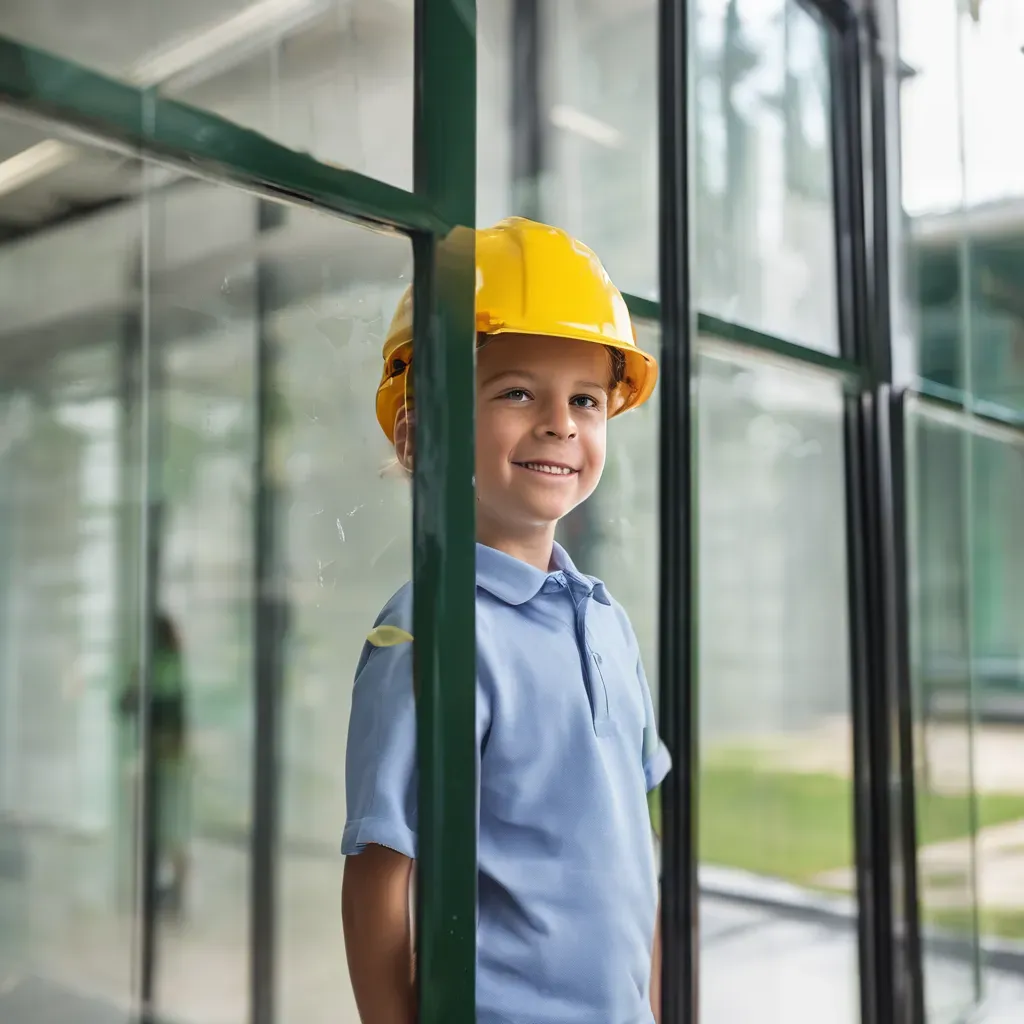
Glass for Educational Institutions: Safety & Durability
Educational institutions are vibrant spaces where learning, creativity, and innovation should thrive uninterrupted. However, the design and construction of these spaces are as critical as the academic pursuits they cultivate. Among the many materials that contribute to an institution’s safety, aesthetics, and functionality, glass stands out as a versatile and transformative choice. Modern schools, colleges, and universities increasingly incorporate glass into their architecture, not just for its sleek appearance but also for its safety and durability when thoughtfully chosen and implemented.
In this article, we’ll explore why using glass in educational settings is a powerful choice, how it adds value to the environment, and why prioritizing safety and durability in glass selection is an essential step.
The Role of Glass in Educational Spaces
Educational institutions have evolved from utilitarian structures to spaces that actively inspire creativity, collaboration, and productivity. Glass, as a design medium, plays a pivotal role in this transformation. Large glass windows, partition walls, skylights, and doors are becoming standard in modern school and university design. Here’s why glass is reshaping the educational architecture landscape:
-
Natural Light: Glass lets daylight flood a space, reducing reliance on artificial lighting and creating an uplifting environment for students and staff. Studies show that classrooms with adequate natural light improve focus, mood, and academic performance.
-
Transparency for Collaboration: Glass partitions foster a sense of openness and cooperation. Transparent classroom walls, for example, enable passersby to witness the learning process while reducing the feeling of isolation inside the rooms. They also encourage a culture of shared exploration and accountability.
-
Art and Creativity: The integration of art and glass can turn functional spaces into inspiring works of art. Stained, etched, or frosted glass with colorful designs can adorn libraries, hallways, or cafeterias, celebrating the institution’s culture while stimulating visual interest in students.
-
Integration with Nature: Glass enables seamless views of outdoor greenery, reducing stress and fostering biophilic connections. This connection to the natural world can significantly enhance student well-being and creativity.
Key Factors: Safety and Durability
While the aesthetic and functional benefits of glass are plentiful, the priorities of safety and durability cannot be overstated in active environments like schools and colleges. Classrooms, hallways, sports facilities, and labs experience heavy usage, making it essential to ensure that materials can withstand wear and tear without compromising security or longevity. Here’s why safety and durability matter for glass in educational spaces:
-
Impact Resistance and Strength
Some of the most innovative advancements in glass technology cater to improving its toughness and safety. Features such as tempered glass enhance the strength of traditional materials by up to four times. Laminated glass, another excellent option, consists of multiple glass layers with an interlayer that prevents shattering upon breakage.These features reduce injury risks and offer peace of mind for schools, avoiding sharp shards in case of accidents—a critical factor in institutions with young children.
-
Fire-Rated Glass
Fire safety in schools and universities cannot be compromised. Fire-rated glass is specifically designed to withstand intense heat for prolonged durations, slowing the spread of fire while maintaining transparency. This allows for better visibility during evacuation scenarios and serves as a barrier for flames and smoke. -
Energy Efficiency and Durability Under Stress
Institutions also need materials that can endure challenging environments. Double- or triple-glazed units maintain thermal insulation while improving energy efficiency, keeping classrooms warm during winters and cool during summers. These solutions not only boost durability but also lower operational costs in the long run. -
Anti-Vandalism and Security Features
Laminated or bullet-resistant glass options provide added layers of protection for the exterior windows and doors of educational institutions. These types of glass are particularly useful in ensuring security in schools located in bustling or high-risk areas.
Glass as a Canvas: Fusing Art with Functionality
Glass is much more than a construction material—it’s a canvas for creativity. Educational spaces are increasingly incorporating art and glass into their designs to create distinctive, dynamic spaces.
For example, glass installations featuring custom patterns, typography, or even student artwork can provide a personal touch while enriching the learning atmosphere. Frosted glass with inspirational quotes in libraries or motivational wallpapers in classrooms sparks creative thinking and keeps students mentally engaged. These artistic glass additions strike a delicate balance between functionality and aesthetic appeal, contributing to an educational environment that feels alive and welcoming.
Selecting the Right Glass Supplier
When investing in glass for safety and durability, educational institutions need expert partners who understand their unique requirements. Collaborating with a trusted glass supplier ensures that your materials will meet the highest standards and stand the test of time.
Glassy is one such expert in the field, offering comprehensive glass solutions designed for safety, efficiency, and customization. By working with professionals who prioritize both art and engineering in glass, institutions can guarantee products that perform exceptionally well while aligning with their broader architectural visions.
Whether you’re looking to enhance aesthetics through innovative art and glass combinations or design resilient and durable glasswork for school facilities, make sure to choose a reliable source like Glassy.
The Future of Educational Buildings with Glass
Educational institutions are facing new challenges and opportunities as they adapt to modern architectural trends and safety standards. Glass has become a cornerstone in this evolution—offering a remarkable combination of transparency, strength, and beauty. With advancements in safety glass and a growing appreciation for art-inspired designs, the material is no longer limited to windows and mirrors but is shaping the educational landscapes of tomorrow.
Using glass effectively means creating a learning environment that is not only visually appealing but also robust, secure, and future-proof. Schools and universities that invest in high-quality, durable glass are future-proofing their buildings to withstand environmental stresses, minimize risks, and inspire generations to come.
By combining cutting-edge glass technology with intuitive design and aesthetic creativity, educational spaces can become extraordinary hubs of inspiration, collaboration, and safety. With the right materials, institutions can turn their walls, skylights, and partitions into symbols of innovation, blending practicality with artistic elegance.
So, as you look to build or renovate your educational site, consider the transformative potential of glass. It’s more than a material—it’s a luminous ally in shaping brighter futures. # Glass for Educational Institutions: Safety & Durability
Glass is an architectural material that can transform spaces into vibrant, functional, and aesthetically pleasing environments. For educational institutions, the use of glass plays a significant role—not just in enhancing the design and functionality of the space but also in creating a secure, durable, and engaging environment for students and staff. As schools, colleges, and universities aim to strike a balance between safety, durability, and visual appeal, glass emerges as an indispensable choice.
This article delves into why glass has become a cornerstone element for educational institutions, highlighting its safety, durability, and potential for artistic expression.
Why Glass is a Game Changer for Educational Institutions
The role of architecture in schools or colleges goes beyond just functionality; it also influences creativity, focus, and the overall learning experience. Glass, particularly safety and architectural glass, helps achieve this by bringing natural light indoors, enhancing visibility and safety, and allowing flexibility in design.
Here are the key reasons why glass suits educational institutions:
1. Setting the Stage for Natural Light
Research suggests that natural light positively influences students’ concentration, well-being, and learning capabilities. Classrooms filled with daylight make learning environments vibrant and welcoming. Glass windows, partitions, or facades can beautifully deliver this benefit.
Modern glass solutions such as double-glazed glass reduce glare, regulate heat, and ensure comfortable ambient lighting for activities like reading or working on screens. Sunlight not only enhances the mood but also reduces dependency on artificial lighting, making the infrastructure energy-efficient.
Ensuring Safety First in Educational Spaces
Educational institutions are bustling environments, with students often engaged in high-energy activities. This makes safety a top concern for architects working within these spaces, and modern glass technology addresses these concerns effectively.
2. Shatter-Resistant Solutions
Installing safety glass such as tempered glass or laminated glass minimizes risks in case of accidental breakage. These types of glass are designed to either shatter into harmless chunks (tempered) or remain adhered to a layer (laminated). This feature ensures students and staff remain unharmed, even in rare instances where accidents might occur.
3. Durability for High Footfall
The durability of glass is a key component in ensuring it withstands wear and tear over time in high-traffic areas like schools or colleges. Toughened and reinforced glass solutions are resistant to impact, scratches, and weather conditions.
For instance, in corridors, railings, or glass doors, the incorporation of sturdy glass meets both safety and functional needs, providing long-lasting value.
Adding Art with Glass: Creativity in Educational Design
Glass isn’t just about functionality—it also offers ample room for creativity and stunning interior art. Incorporating “Art & Glass” into educational institutions can turn simple designs into artistic masterpieces, inspiring both educators and learners.
4. Glass as an Artistic Element
From frosted and stained glass to etched and back-painted designs, the possibilities with glass are endless. Modern institutions are increasingly opting for customized glass installations, such as murals, logos, and quotes etched on glass panels, to foster an engaging and inspiring environment.
Glass art installations also have a unique flair, allowing schools and colleges to represent their identity and values through design. For example, a university can use symbolic imagery etched into a glass wall to communicate its history, mission, or culture.
5. Interactive Learning Spaces
According to contemporary architectural trends, classrooms and libraries are no longer confined to traditional walls. Glass partitions and writable glass boards have gained popularity for creating interactive spaces. They allow educators to illustrate, brainstorm, or create diagrams in an easy-to-erase format while maintaining a refined and modern aesthetic.
Moreover, in shared learning spaces, glass partitions function as sound barriers while still keeping the areas visually connected. The concept of “Art & Glass” can easily extend here, with educational quotes or diagrams etched or layered onto the glass as permanent features.
Eco-Friendly Glass for Sustainable Institutions
For environmentally-conscious educational institutions, glass technologies provide an opportunity to meet sustainability goals. Double-glazed or triple-glazed glass solutions not only enhance energy efficiency but also contribute to reducing the carbon footprint of the building.
Schools and colleges looking to integrate green building practices may benefit from low-emissivity (Low-E) glass, which regulates indoor temperatures by reflecting heat during summers and retaining warmth in winters.
Additionally, glass allows institutions to embrace biophilic design principles—connecting with the natural environment by maximizing outdoor views and inviting elements like light and greenery into interior spaces.
Multi-Functional Versatility
Glass boasts the ability to suit a variety of applications within educational settings. Let’s explore a few examples:
-
Classroom Partitions – Glass partitions can optimize space utilization without creating a sense of confinement. When paired with soundproofing features, they strike a balance between visibility and privacy.
-
Skylights and Facades – Glass skylights and building facades not only provide modern aesthetics but also increase efficiency by harnessing natural light.
-
Balustrades and Railings – In staircases or hallways, glass balustrades enhance safety while maintaining an open and unobstructed view.
-
Library and Laboratory Enclosures – Glass in libraries and labs maintains quiet zones while encouraging collaboration.
The Trusted Choice for Glass in Education
Selecting the right kind of glass for an educational institution requires careful consideration of its specific needs—safety, durability, and design. Moreover, the availability of artistic and customizable options ensures that functionality coexists with creativity, fostering a dynamic learning environment.
When choosing the perfect glass solutions, educational institutions can rely on reputed providers like Glassy, who specialize in high-quality architectural glass. Whether it’s decorative glass for expressive spaces or laminated glass for safety, their expertise ensures customized solutions for any challenge.
Looking for durability, safety, and aesthetic finesse from a single glass provider? Explore Glassy for innovative glass solutions that cater to modern schools, colleges, and universities.
Conclusion
The use of glass in educational institutions goes far beyond providing transparency—it’s about enhancing the experience of learning, promoting sustainability, and creating safe yet inspiring architectural spaces. Durable, versatile, and artistic, glass has become the material of choice for forward-thinking designers and educators alike.
Whether it’s fostering creativity through “Art & Glass” or improving student well-being with bright, open spaces, glass proves to be a timeless, functional, and innovative material that continues to shape the future of educational design. For those looking to build institutions that inspire and protect, integrating high-quality glass is an investment in both form and function.