
Glass Guides
Noise Reduction Glass: IGU Specifications for Quieter Homes
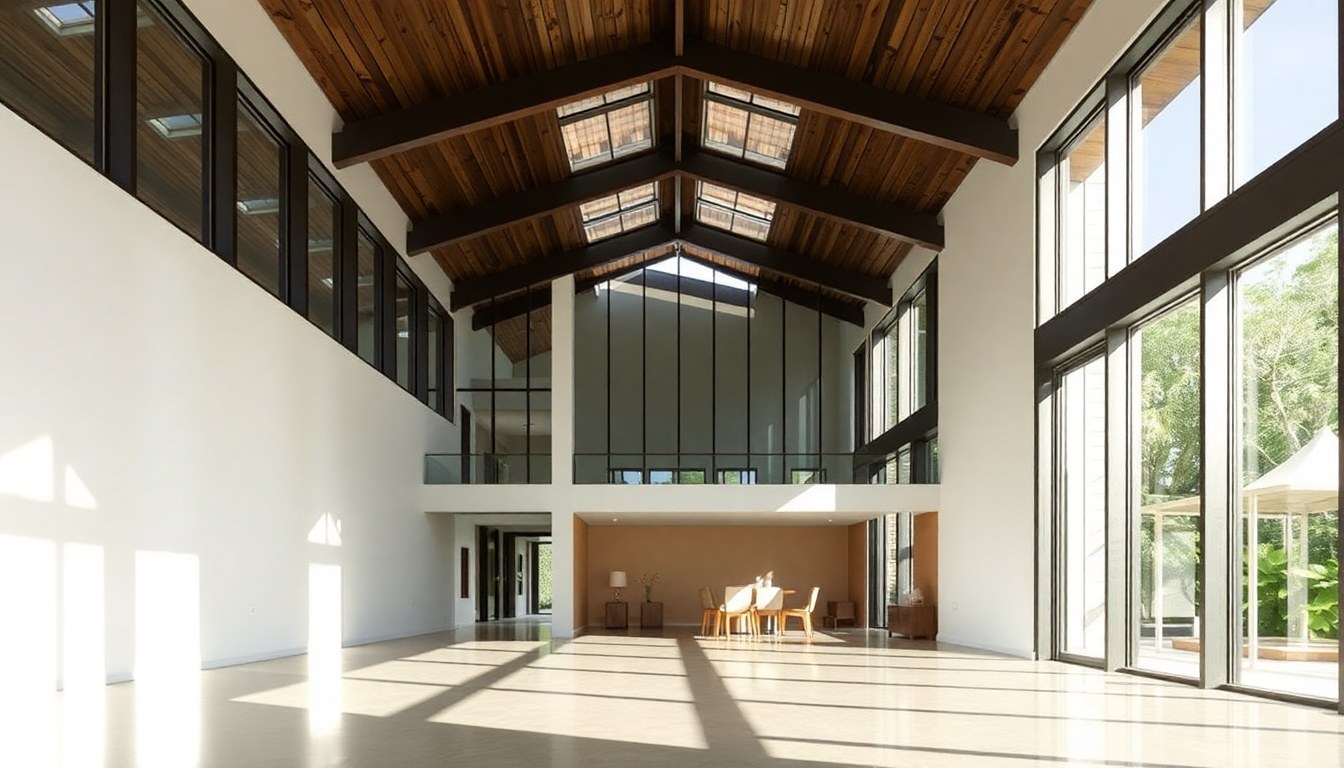
If you live near a busy highway, railway line, or airport, constant traffic noise can disrupt sleep, concentration, and quality of life. Insulated glazing units (IGUs) with acoustic specifications offer a proven solution, reducing external noise by 30–50 decibels depending on configuration. This guide breaks down the technical specifications, glass thickness ratios, and gas fills that make noise reduction glass work—so you can choose the right solution for your home.
What Is Acoustic IGU Glass and How Does It Work?
An insulated glazing unit (IGU) is a sealed assembly of two or more glass panes separated by spacers and a gas-filled cavity. Standard IGUs provide thermal insulation; acoustic IGUs are engineered to absorb and dampen sound waves before they enter your home. The key to noise reduction lies in the combination of glass thickness, pane asymmetry, and the air or gas gap between them.
Sound travels in waves and loses energy when it has to pass through multiple barriers of different densities. When a sound wave hits the first pane of an acoustic IGU, some energy is reflected back outside, some is absorbed by the glass material, and the remainder is transmitted into the cavity. The second pane then reflects or absorbs what reaches it. By breaking the sound path and using materials that dampen vibration, acoustic IGUs can reduce noise transmission by 30–50 decibels—equivalent to the difference between a busy street and normal conversation.
Glass Thickness Ratios: The Foundation of Acoustic Performance
The thickness of each glass pane in an acoustic IGU directly affects its sound-dampening ability. Thicker glass is generally more effective at blocking low-frequency noise (like heavy trucks), while thinner glass can still reduce mid- and high-frequency sounds. However, simply doubling thickness is inefficient; the real power lies in using asymmetrical pane combinations.
Asymmetrical vs. Symmetrical Configurations
A symmetrical IGU uses equal-thickness panes on both sides—for example, 6mm + 6mm. While this offers balanced thermal performance, it creates a resonance effect at certain frequencies, actually amplifying some noise bands. Asymmetrical configurations, such as 6mm + 10mm or 8mm + 12mm, break this resonance and provide superior acoustic performance. The different thicknesses force sound waves to lose coherence as they travel through the unit, preventing reinforcement of specific frequencies.
Common Acoustic Thickness Specifications in India
- 6mm + 10mm (12mm cavity): Reduces noise by approximately 30–35 decibels; suitable for moderately noisy areas.
- 8mm + 12mm (12mm cavity): Reduces noise by 35–40 decibels; recommended for homes near busy roads or railway lines.
- 10mm + 12mm (12mm cavity): Reduces noise by 40–45 decibels; ideal for airport-adjacent properties or high-traffic urban zones.
- Laminated + Tempered combinations: Laminated glass (which has an acoustic interlayer) paired with tempered glass can achieve 45–50 decibel reduction.
For Indian residential projects, 8mm + 12mm is the most cost-effective choice for moderate noise environments, while 10mm + 12mm or laminated combinations are necessary in high-noise zones. Architects and interior designers like Concept Craves and Dzyner often recommend these specifications when designing homes in noisy urban areas.
Gas Fills and Cavity Width: Optimizing the Air Gap
The space between the two glass panes is not simply air—it is a controlled environment filled with either dry air or noble gases like argon or krypton. The type of gas and the width of the cavity both influence acoustic performance.
Cavity Width and Resonance Frequency
The width of the gas-filled cavity determines the resonance frequency of the IGU. A wider cavity (typically 12–16mm) is better for low-frequency noise reduction, while narrower cavities (6–10mm) are more effective at mid- and high-frequency blocking. For maximum acoustic benefit, many manufacturers recommend a 12mm cavity as a balance between thermal and acoustic performance. Some advanced designs use two separate cavities with different widths—for example, 6mm + 10mm + 6mm—to address multiple frequency bands.
Argon vs. Air: Does Gas Type Matter for Sound?
Argon gas is denser than air, which theoretically offers slightly better acoustic damping. However, the difference is marginal—typically 1–2 decibels. The primary benefit of argon is thermal insulation (lower U-value), not noise reduction. For acoustic purposes, a properly designed IGU with dry air performs nearly as well as one filled with argon. In India, where cost is a key factor, air-filled acoustic IGUs are widely used and deliver excellent noise reduction at a lower price point.
Sound Transmission Class (STC) and Weighted Sound Reduction Index (Rw)
To compare acoustic performance across products, two international standards are used: Sound Transmission Class (STC) and Weighted Sound Reduction Index (Rw). Understanding these ratings helps you select the right glass for your needs.
STC Rating (North American Standard)
STC measures how much sound a material blocks across a range of frequencies (125 Hz to 4,000 Hz). The scale runs from 0 to 90, with higher numbers indicating better sound blocking. An STC of 30 blocks normal conversation; STC 50 blocks loud speech; STC 60+ blocks traffic noise effectively. For homes near busy roads in India, aim for STC 50 or higher.
Rw Rating (European/ISO Standard)
Rw (weighted sound reduction index) is the European equivalent, measured in decibels (dB). An Rw of 30 dB is similar to STC 30; Rw 50 dB matches STC 50. Most acoustic IGU products sold in India now list both ratings. A typical 8mm + 12mm acoustic IGU achieves Rw 38–42 dB, while premium 10mm + 12mm or laminated combinations reach Rw 45–50 dB.
Installation and Sealing: Equally Critical to Performance
Even the best acoustic IGU will underperform if installation is poor. Sound finds the smallest gaps and leaks through them, bypassing the glass entirely. Proper sealing, frame material, and installation technique are as important as the glass specification itself.
Key Installation Factors
- Weatherstripping: Use high-quality, continuous weatherseals around the frame perimeter to eliminate air leaks.
- Frame material: Aluminium frames conduct sound; uPVC or wooden frames with thermal breaks are better for acoustic isolation.
- Sealant: Use polyurethane or silicone sealants with good acoustic damping properties, not cheap acrylic varieties.
- Installation depth: The frame must be set deep within the wall cavity to reduce sound transmission through the wall structure itself.
- Caulking the exterior: Seal the outer frame-to-wall joint with acoustic caulk to prevent flanking noise (sound traveling around the window).
When planning a renovation or new build in a noisy area, work with experienced architects or design consultants. Firms like Flow Architects understand the integration of acoustic windows with overall building design, ensuring that glass specifications align with wall construction and ventilation requirements.
Practical Recommendations for Indian Homes
Choosing the right acoustic IGU depends on your noise environment, budget, and building location. Here are practical guidelines for common Indian scenarios:
Moderately Noisy Areas (Suburban Roads, Local Traffic)
Specification: 6mm + 10mm or 8mm + 10mm IGU with 12mm cavity, air-filled. Expected Noise Reduction: 30–35 dB. Cost Range: ₹800–₹1,200 per square foot. This configuration blocks the sound of normal traffic and is suitable for residential areas with occasional heavy vehicles.
High-Traffic Areas (Highways, Major Roads, Railway Lines)
Specification: 8mm + 12mm or 10mm + 12mm IGU with 12mm cavity, argon-filled for better thermal performance. Expected Noise Reduction: 38–45 dB. Cost Range: ₹1,200–₹1,800 per square foot. This is the recommended standard for apartments and homes within 500 meters of a major traffic corridor.
Very High-Noise Environments (Airports, Industrial Areas)
Specification: Laminated glass (6mm or 8mm) + 12mm cavity + 10mm tempered, or triple-glazed with 8mm + 8mm + 8mm and two cavities. Expected Noise Reduction: 45–50 dB. Cost Range: ₹2,000–₹3,000+ per square foot. These premium solutions are essential near airports and are often required by building codes in such zones.
For expert advice on selecting and installing acoustic glass in your specific location, consult with local glass dealers and installers. Kajal Glass Shop and other specialized dealers on the glassy.in directory can provide quotes and technical specifications tailored to your address and noise profile.
Frequently Asked Questions
How much noise reduction can I realistically expect from acoustic IGU glass?
Noise reduction depends on the IGU specification and installation quality. A basic 6mm + 10mm IGU reduces noise by 30–35 decibels, while premium 10mm + 12mm or laminated configurations achieve 45–50 decibels. This translates to noticeable quietness—traffic that sounds loud at the window becomes a faint hum inside. However, no window can achieve 100% soundproofing; flanking noise through walls, doors, and ventilation will still be audible if those elements are not also sealed.
Is argon gas worth the extra cost for acoustic performance?
Argon gas provides marginal acoustic benefit (1–2 dB) over air. Its primary advantage is thermal insulation, which reduces heating and cooling costs. If your budget is tight, an air-filled acoustic IGU will deliver most of the noise reduction you need. Argon is worth the premium if you also want better energy efficiency, especially in cold climates or high-rise buildings where thermal loss is significant.
Can I retrofit acoustic IGUs into my existing wooden or aluminium frames?
Yes, retrofitting is possible if your frames are structurally sound. However, the acoustic performance will be compromised if the frame itself is not sealed properly or if it conducts sound. Aluminium frames are particularly problematic for acoustic isolation. For maximum benefit, consider replacing the frames with uPVC or thermally broken aluminium frames and ensuring professional installation with proper weathersealing and caulking.
What is the difference between acoustic IGU and laminated glass for noise reduction?
Laminated glass has an acoustic interlayer (usually polyvinyl butyral or PVB) that dampens sound vibrations within the glass itself. A single laminated pane is more effective than a single standard pane, but an asymmetrical IGU with two standard panes is often more cost-effective for the same noise reduction. Laminated glass is best used in the outer pane of a premium acoustic IGU or as a safety/security upgrade. It is also heavier and requires stronger frames.
How do I know if a window is truly acoustic-rated, and not just marketing hype?
Look for published Rw (dB) or STC ratings from independent testing laboratories. Reputable manufacturers provide test certificates from accredited labs (such as AHEC in India or NATA-accredited facilities). Ask for the specific glass thickness, cavity width, and gas fill type. Be wary of vague claims like "soundproof" without numbers. Compare quotes from established glass dealers who can reference their testing data and provide technical datasheets for the specific IGU configuration they are recommending.
Conclusion: Invest in Acoustic Comfort
Noise reduction glass is a long-term investment in your health, sleep quality, and property value. By understanding IGU specifications—glass thickness ratios, cavity width, and gas fills—you can make an informed decision that balances acoustic performance with cost and thermal efficiency. For homes in noisy Indian cities, an 8mm + 12mm asymmetrical IGU is the practical sweet spot; for high-noise zones, 10mm + 12mm or laminated configurations are essential.
Ready to upgrade your windows? Browse qualified glass suppliers, architects, and installers on glassy.in, India's largest glass-business directory. Find local experts who understand acoustic specifications and can deliver professional installation in your area.