
Interior Design
Mirrored Wardrobe Doors: Anti-Fogging Coatings & Bathroom Durability
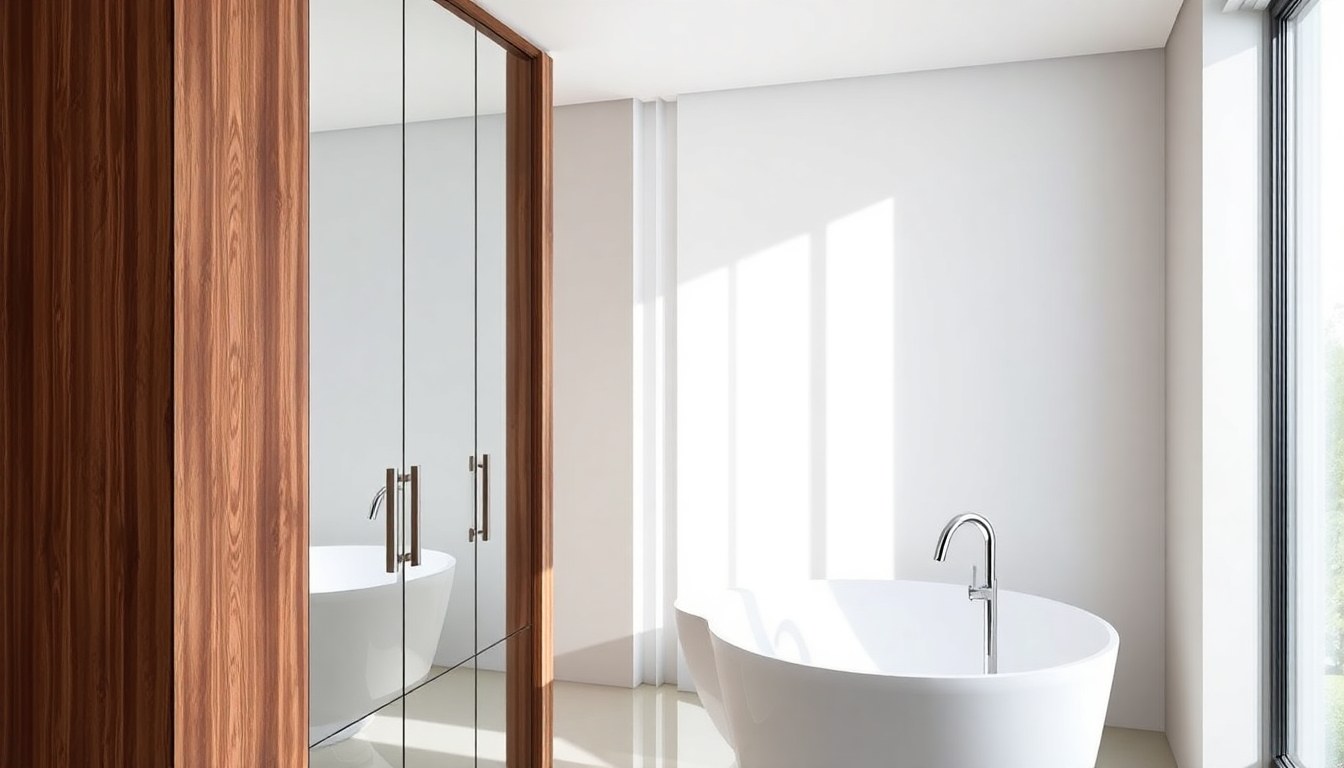
Mirrored wardrobe doors are a practical and stylish addition to any bedroom or bathroom, but bathroom moisture can turn them into foggy, unusable surfaces within minutes of a hot shower. Anti-fogging coatings solve this problem by creating a hydrophilic or hydrophobic barrier that prevents condensation from forming on the mirror surface. Understanding the types of coatings available, their humidity resistance, proper edge sealing techniques, and the costs involved in Bangalore will help you make an informed investment in long-lasting, maintenance-free mirrored doors.
Understanding Anti-Fogging Coatings for Mirrors
Anti-fogging coatings work by either spreading water into a thin, transparent film (hydrophilic approach) or repelling water droplets entirely (hydrophobic approach). Hydrophilic coatings are the most common choice for bathroom mirrors because they allow water to spread evenly across the surface rather than beading up, which keeps the mirror clear and reflective even when wet. These coatings are typically made from silica-based compounds or specialized polymers that bond to the glass surface at a molecular level.
Hydrophobic coatings, on the other hand, repel water and are often used in outdoor or high-splash environments. While effective, they can sometimes leave visible water spots if not maintained properly. For bathroom mirrored wardrobe doors, hydrophilic coatings are generally the preferred choice because they provide superior clarity and require less maintenance over time.
How Anti-Fog Coatings Bond to Glass
The coating process involves a chemical bond between the coating material and the glass surface. Professional-grade coatings use primers and adhesion promoters to ensure the coating adheres permanently rather than flaking or peeling over time. The glass surface is first thoroughly cleaned and sometimes lightly etched to increase surface area for better bonding. This preparation step is crucial—poor surface preparation is the leading cause of coating failure within the first year.
Types of Anti-Fogging Treatments Available
Several coating technologies are available for mirrored wardrobe doors, each with different durability profiles and price points. Understanding these options helps you choose the right solution for your bathroom environment and budget.
Silicon-Based Coatings
Silicon dioxide (SiO₂) coatings are among the most durable and widely used anti-fogging solutions. They create a hard, transparent layer that bonds permanently to glass and can last 5–10 years with minimal maintenance. These coatings are resistant to scratching and chemical degradation, making them ideal for high-humidity bathrooms. Silicon-based coatings are also UV-stable, so they won't yellow or degrade if exposed to sunlight.
Polymer-Based Coatings
Polymer coatings offer a more budget-friendly alternative to silicon-based options. They typically last 2–5 years and provide good anti-fogging performance in moderate to high-humidity environments. Polymer coatings are easier to apply and can be touched up or reapplied more easily than silicon coatings. However, they are slightly more prone to scratching and may require more frequent maintenance.
Titanium Dioxide Coatings
Titanium dioxide (TiO₂) coatings are premium options that combine anti-fogging properties with self-cleaning capabilities. These coatings are photocatalytic, meaning they break down organic residue when exposed to light, reducing the need for manual cleaning. They are extremely durable (10+ years) but come at a higher price point. Titanium dioxide coatings are best suited for high-end installations where long-term durability and minimal maintenance are priorities.
Humidity Resistance and Bathroom Durability
Bathroom environments present unique challenges for mirrored surfaces because humidity levels can reach 80–100% during and after showers. A quality anti-fogging coating must maintain its effectiveness under these extreme conditions without degrading, peeling, or losing its hydrophilic properties over time.
The durability of an anti-fog coating depends on several factors: the quality of the base coating material, the thoroughness of surface preparation, the thickness of the applied coating, and the bathroom's ventilation system. Bathrooms with poor ventilation will experience faster coating degradation because moisture remains trapped on the surface for longer periods. Installing or improving exhaust fans can significantly extend the life of any anti-fogging treatment.
Testing for Humidity Resistance
Professional-grade coatings are tested using standardized humidity chamber tests that simulate years of bathroom conditions in just weeks. Look for coatings that have passed ASTM D2247 (salt spray resistance) or similar durability standards. Reputable coating manufacturers in India and abroad publish these test results, which provide reassurance about longevity and performance.
Maintenance for Extended Durability
Even premium anti-fogging coatings benefit from basic maintenance. Wipe the mirror dry after showers when possible, use a soft microfiber cloth rather than abrasive materials, and avoid harsh chemical cleaners that can degrade the coating. Mild soap and water or a vinegar solution are safe cleaning options. Regular maintenance can extend the life of a coating by 2–3 years beyond its standard warranty period.
Edge Sealing Methods for Mirrored Wardrobe Doors
The edges of mirrored doors are particularly vulnerable to moisture penetration because water can seep between the glass and the backing material (usually aluminum or composite). Proper edge sealing is critical for preventing delamination, corrosion of the backing, and overall failure of the mirrored door.
Silicone Sealant Application
High-quality silicone sealants are the industry standard for edge sealing. These sealants create a waterproof barrier that prevents moisture from entering the mirror assembly. The sealant is applied along all four edges of the door, with special attention to corners and joints. Silicone sealants remain flexible even after curing, which allows them to accommodate the slight expansion and contraction of glass and frame materials due to temperature and humidity changes.
Double-Sealed Edge Banding
Premium mirrored doors feature double-sealed edges, where a primary silicone sealant is applied during manufacturing and a secondary sealant is applied during installation. This double-seal approach provides redundancy and significantly reduces the risk of moisture ingress. The secondary sealant also helps integrate the door frame with the surrounding wall structure, preventing water from entering from the sides.
Aluminum Frame Corrosion Prevention
If the mirrored door uses an aluminum frame, the frame should be treated with a corrosion-resistant coating or anodization. Anodized aluminum resists oxidation and rust, which is essential in high-humidity bathroom environments. Some manufacturers also apply a protective lacquer over the anodized finish for added durability.
Cost of Premium Anti-Fogging Coatings in Bangalore
The cost of anti-fogging treatments for mirrored wardrobe doors in Bangalore varies based on coating type, door size, and the professional installation required. Understanding the pricing structure helps you budget accurately and identify good value options.
Coating Cost Breakdown
For a standard mirrored wardrobe door (approximately 6 feet × 3 feet), expect the following price ranges in Bangalore:
- Polymer-based coatings: ₹3,000–₹5,000 per door, lasting 2–5 years
- Silicon dioxide coatings: ₹6,000–₹10,000 per door, lasting 5–10 years
- Titanium dioxide coatings: ₹12,000–₹18,000 per door, lasting 10+ years
- Professional edge sealing and installation: ₹2,000–₹4,000 per door (additional)
These prices reflect professional application by certified technicians and include surface preparation, coating application, and edge sealing. DIY coating kits are available at lower prices (₹500–₹1,500), but they often deliver inferior results and shorter durability because proper surface preparation and application technique are difficult to achieve without professional equipment.
Long-Term Value Calculation
While premium coatings have a higher upfront cost, they offer better long-term value. A ₹10,000 silicon dioxide coating lasting 7–8 years costs approximately ₹1,250–₹1,430 per year. A ₹4,000 polymer coating lasting 3 years costs approximately ₹1,330 per year. When you factor in the convenience of not having to replace or recoat the mirror frequently, premium coatings become an economical choice for bathroom installations.
Warranty and Service Guarantees
Reputable coating service providers in Bangalore offer warranties ranging from 2 years (polymer coatings) to 10 years (titanium dioxide coatings). Some providers offer maintenance packages that include annual inspections and touch-ups at discounted rates. Always request a written warranty and clarify what is covered—some warranties exclude damage from improper cleaning or installation errors.
Frequently Asked Questions
How long does an anti-fogging coating typically last on a bathroom mirror?
The lifespan depends on the coating type and bathroom conditions. Polymer coatings last 2–5 years, silicon dioxide coatings last 5–10 years, and titanium dioxide coatings last 10+ years. Bathrooms with excellent ventilation and regular maintenance see longer-lasting results. Poor ventilation, harsh cleaning products, and high traffic can reduce lifespan by 1–2 years.
Can I apply an anti-fogging coating myself, or should I hire a professional?
Professional application is strongly recommended. The coating's durability depends entirely on proper surface preparation, which requires cleaning equipment and techniques that most homeowners don't have access to. Professional installers can also ensure even application and proper edge sealing. DIY kits rarely deliver lasting results and often fail within 6–12 months.
Will anti-fogging coating prevent all condensation on my bathroom mirror?
Anti-fogging coatings significantly reduce fogging, but they don't eliminate it entirely in extremely high-humidity conditions. If condensation does form, it spreads into a thin, transparent film rather than beading up, so the mirror remains usable. Improving bathroom ventilation with a good exhaust fan maximizes the effectiveness of any coating.
What is the difference between hydrophilic and hydrophobic anti-fog coatings?
Hydrophilic coatings spread water into a thin, transparent layer, keeping the mirror clear even when wet—ideal for bathrooms. Hydrophobic coatings repel water entirely, but water beads can obscure the mirror. Hydrophilic coatings are the standard choice for bathroom mirrors because they provide superior clarity and require less maintenance.
Are there any maintenance restrictions for coated mirrored doors?
Yes. Avoid abrasive scrubbers, harsh chemicals (like bleach or ammonia), and high-pressure water sprays, as these can damage the coating. Use soft microfiber cloths, mild soap and water, or vinegar solutions for cleaning. Wipe the mirror dry after showers when possible to minimize water sitting on the surface.
Investing in a quality anti-fogging coating for your bathroom mirrored wardrobe doors ensures years of clear, fog-free reflections and protects your furniture investment. Browse trusted glass coating specialists and mirrored door manufacturers on glassy.in, India's largest glass-business directory, to find certified professionals in your area and get quotes for premium coating services.