
Interior Design
Mirrored Glass Accent Walls: Design Trends & Installation for Small Spaces
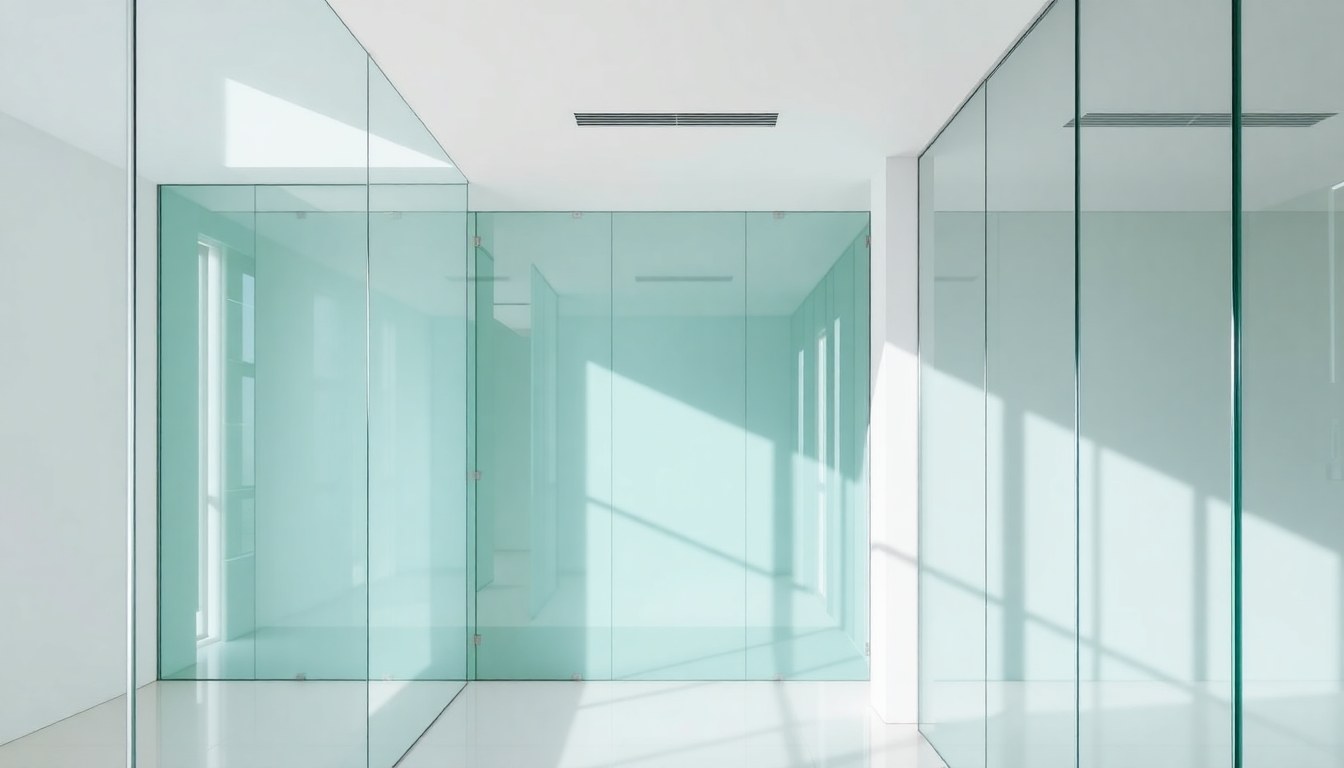
Mirrored glass accent walls are a game-changer for small bedrooms, studios, and compact living rooms across Indian homes. By reflecting light and creating visual depth, mirror walls instantly expand the perceived size of any space while adding a contemporary, luxurious touch. Whether you're working with a 200-square-foot bedroom in Mumbai or a cosy apartment in Bangalore, this design strategy offers both aesthetic appeal and practical spatial benefits that make it worth considering for your next interior project.
How Mirrored Glass Expands Small Spaces
The science behind mirror walls is straightforward: reflective surfaces bounce natural and artificial light around a room, making it feel airier and larger than it actually is. In small Indian homes where square footage is premium, this optical illusion can be transformative. A mirrored accent wall opposite a window will amplify daylight throughout the day, reducing your dependence on artificial lighting and lowering energy costs—a practical benefit alongside the visual one.
Beyond light reflection, mirrors create a sense of depth by making walls appear to recede into the distance. This psychological effect is particularly powerful in bedrooms and living areas where you want to create a sense of openness without structural renovation. The key is strategic placement: a mirror wall that faces the room's main focal point (like a sofa or bed) will have maximum impact on how spacious the area feels.
Design Placement Tips for Maximum Impact
Bedroom Applications
In bedrooms, avoid placing a full mirrored accent wall directly opposite the bed, as this can create an unsettling visual environment for rest. Instead, consider placing mirrored panels on a side wall or the wall behind a dressing table. This placement serves a dual purpose: it's functional for grooming while still expanding the perceived room size. A partial mirror wall—covering roughly 60-70% of the wall height—works beautifully in bedrooms and feels less overwhelming than a floor-to-ceiling installation.
For studio apartments or bedroom-cum-office spaces common in Indian cities, a mirrored accent wall behind a desk or vanity adds sophistication while maintaining the room's restful quality. The reflection of a well-lit corner or window from a mirrored wall can brighten dark corners that are typical in older apartment buildings.
Living Room and Entryway Placement
Living rooms benefit most from mirrored accent walls placed opposite windows or light sources. This amplifies natural light and makes the seating area feel more expansive. An accent wall at the room's entry point—such as behind a console table or as a feature wall flanking the main seating area—creates an immediate sense of grandeur without requiring structural changes.
In narrow living rooms or galley-style layouts common in Indian apartments, a mirrored wall on the longer wall (rather than the shorter end wall) will elongate the space visually. Conversely, in square rooms, a mirrored wall on one side can help break up monotony and create visual interest.
Modern Design Trends in Mirrored Accent Walls
Contemporary mirrored accent wall designs have moved beyond simple reflective surfaces. Today's trending styles incorporate texture, colour, and geometric patterns that maintain the space-expanding benefits while adding personality to your interior.
- Geometric Mirror Panels: Hexagonal, diamond, and circular mirror tiles arranged in intricate patterns create visual movement while maintaining reflectivity. These are particularly popular in modern Indian homes seeking a balance between traditional craftsmanship and contemporary design.
- Smoked and Tinted Mirrors: Charcoal grey, bronze, and rose gold-tinted mirrors soften the harsh reflection of standard clear mirrors while adding warmth to a space. These tones complement both minimalist and maximalist interiors.
- Mixed-Material Accent Walls: Combining mirrored glass with matte black frames, wooden trim, or textured wallpaper creates depth and prevents the wall from feeling too reflective or clinical.
- Partial Mirror Coverage: Rather than covering an entire wall, designers now favour covering 50-70% of a wall with mirrors, leaving sections for artwork, shelving, or textured finishes. This approach feels more curated and less like a dance studio.
- Mirror with Integrated Lighting: LED-backed mirror panels are gaining popularity in Indian homes, providing both ambient lighting and reflectivity—ideal for bedrooms and bathrooms that double as dressing areas.
Edge Finishing and Professional Installation
Types of Edge Finishing
The edges of your mirrored glass accent wall significantly impact the finished look and safety of the installation. Professional edge finishing prevents sharp edges that can cause injury and elevates the overall aesthetic.
- Polished Edges: The most common finish, polished edges are smoothed and bevelled to catch light beautifully. This is the safest option for high-traffic areas and homes with children.
- Bevelled Edges: These angled edges create a subtle light-refracting effect that adds elegance. Bevelled mirrors are slightly more expensive but are worth the investment for premium finishes in living rooms and bedrooms.
- Seamed Edges: When using multiple mirror panels, seaming techniques hide joints and create a seamless appearance. Professional installers use clear silicone or metal trim to conceal seams while maintaining structural integrity.
- Framed Edges: Metal or wooden frames around mirror panels provide both safety and design definition. Popular frame materials in India include brass, stainless steel, and mango wood.
Installation Methods for Indian Homes
Mirrored glass accent walls require professional installation to ensure safety and longevity. The two primary methods used in Indian residential settings are adhesive mounting and mechanical fastening.
Adhesive Mounting: This method uses high-strength mirror adhesive (typically silicone-based) to bond mirror panels directly to the wall. It's ideal for smooth, well-prepared surfaces and creates a seamless appearance. The wall must be clean, dry, and free of imperfections. Adhesive mounting is cost-effective and works well on drywall, cement plaster, and concrete surfaces common in Indian apartments. Curing time is typically 24-48 hours before the wall can bear weight or vibration.
Mechanical Fastening: This involves using mirror clips, brackets, or stud fasteners to secure mirrors to the wall. It's the preferred method for larger panels, high-traffic areas, or walls that may experience vibration (such as near doors or in buildings with traffic noise). Mechanical fastening is more time-consuming and visible but offers superior long-term stability and is easier to repair if individual panels are damaged.
For small spaces in Indian homes, a hybrid approach—combining adhesive for the main surface with mechanical fasteners at top and bottom edges—provides both aesthetic appeal and structural security. Always hire a certified installer familiar with local building codes and humidity conditions, particularly in coastal cities like Mumbai and Kochi where moisture can affect adhesive performance.
Cost Considerations and Material Selection
The cost of a mirrored glass accent wall in India varies based on mirror quality, panel size, edge finishing, and installation complexity. Basic clear mirror panels cost ₹500–₹800 per square foot, while premium tinted or bevelled mirrors range from ₹1,200–₹2,500 per square foot. Installation adds ₹300–₹600 per square foot depending on wall preparation and complexity.
For a small bedroom accent wall (approximately 80–100 square feet), budget ₹60,000–₹1,50,000 for materials and installation combined. This investment typically pays dividends through improved aesthetics and the perception of increased space, making it worthwhile for rental properties and permanent residences alike.
When selecting mirror material, opt for 6mm or 8mm thickness for residential walls—thinner mirrors are prone to warping and breakage, while thicker glass is unnecessary and costly. Ensure your mirror supplier provides a warranty against delamination (where the reflective backing separates from the glass), which can occur due to humidity in Indian climates. Brands available through established glass distributors across Delhi, Pune, and Chennai typically offer 5-10 year warranties.
Maintenance and Care for Mirrored Accent Walls
Mirrored glass accent walls require regular but straightforward maintenance to retain their reflective quality and aesthetic appeal. Dust the surface weekly with a soft, dry microfibre cloth to prevent buildup. For fingerprints and smudges, use a 50-50 solution of white vinegar and distilled water, sprayed lightly onto the cloth (never directly onto the mirror, as excess moisture can damage adhesive or seams).
In humid Indian climates, ensure adequate ventilation around the mirrored wall to prevent moisture accumulation behind the glass. If you notice dark spots or cloudiness developing—a sign of backing deterioration—contact your installer immediately. Avoid hanging heavy items directly on mirrored walls, and keep the area around the base clean to prevent water damage from floor cleaning.
For mechanically fastened mirrors, inspect clips and brackets annually for looseness, particularly in areas prone to vibration. Tighten any loose fasteners promptly to maintain safety and structural integrity.
Frequently Asked Questions
Are mirrored accent walls suitable for all room types?
Mirrored walls work best in living rooms, bedrooms, entryways, and home offices. They're less ideal in kitchens (where cooking heat and moisture can damage adhesive) or bathrooms with high humidity unless you use specially treated, moisture-resistant mirrors. In dining rooms, avoid placing mirrors directly opposite windows during evening hours, as glare can be uncomfortable for diners. Always consider the room's primary function and lighting conditions before committing to a mirrored accent wall.
Can I install a mirrored accent wall in a rental apartment?
Yes, but with caution. Use adhesive mounting rather than mechanical fasteners, and ensure you can remove the mirrors without damaging the underlying wall. Some adhesives leave residue; test removal on a small area first. Alternatively, consider temporary mirror panels or peel-and-stick mirror tiles that are easier to remove. Always check your lease agreement and seek landlord approval before installation.
How do I prevent a mirrored wall from feeling cold or sterile?
Balance mirror panels with warm-toned frames, adjacent textured wallpaper, artwork, or wooden shelving. Use tinted or smoked mirrors instead of clear mirrors for a softer appearance. Incorporate warm lighting—brass or warm-white LED fixtures—to create inviting reflections. Pair mirrored walls with soft furnishings like rugs, curtains, and cushions in warm colours to maintain visual warmth while enjoying the spatial benefits of mirrors.
What's the difference between standard mirror and decorative mirror tiles?
Standard mirrors are continuous sheets offering a seamless reflection, while decorative mirror tiles are individual pieces (typically 12"×12" or 18"×18") arranged in patterns. Tiles allow creative geometric arrangements and are easier to install and replace individually. However, visible grout lines or seams between tiles can disrupt the space-expanding illusion. Standard sheets offer superior reflectivity and a more cohesive appearance but are heavier and require more precise wall preparation.
Will a mirrored wall make my small room feel like a funhouse?
Only if the entire room is mirrored. By limiting the accent wall to one surface and using partial coverage (60-70% of wall height), you maintain visual comfort while gaining spatial benefits. Avoid placing mirrors directly opposite each other, as this creates infinite reflections that can feel disorienting. Thoughtful placement and complementary design elements ensure your mirrored accent wall enhances rather than overwhelms your space.
Ready to transform your small space with a mirrored glass accent wall? Explore trusted glass suppliers, installers, and interior designers in your city through the glassy.in directory. Find verified professionals who specialize in residential mirror installations and can guide you through design, material selection, and expert installation tailored to Indian homes.