
Interior Design
Glass Shopfront Design Trends 2026: What Retail Architects Are Specifying
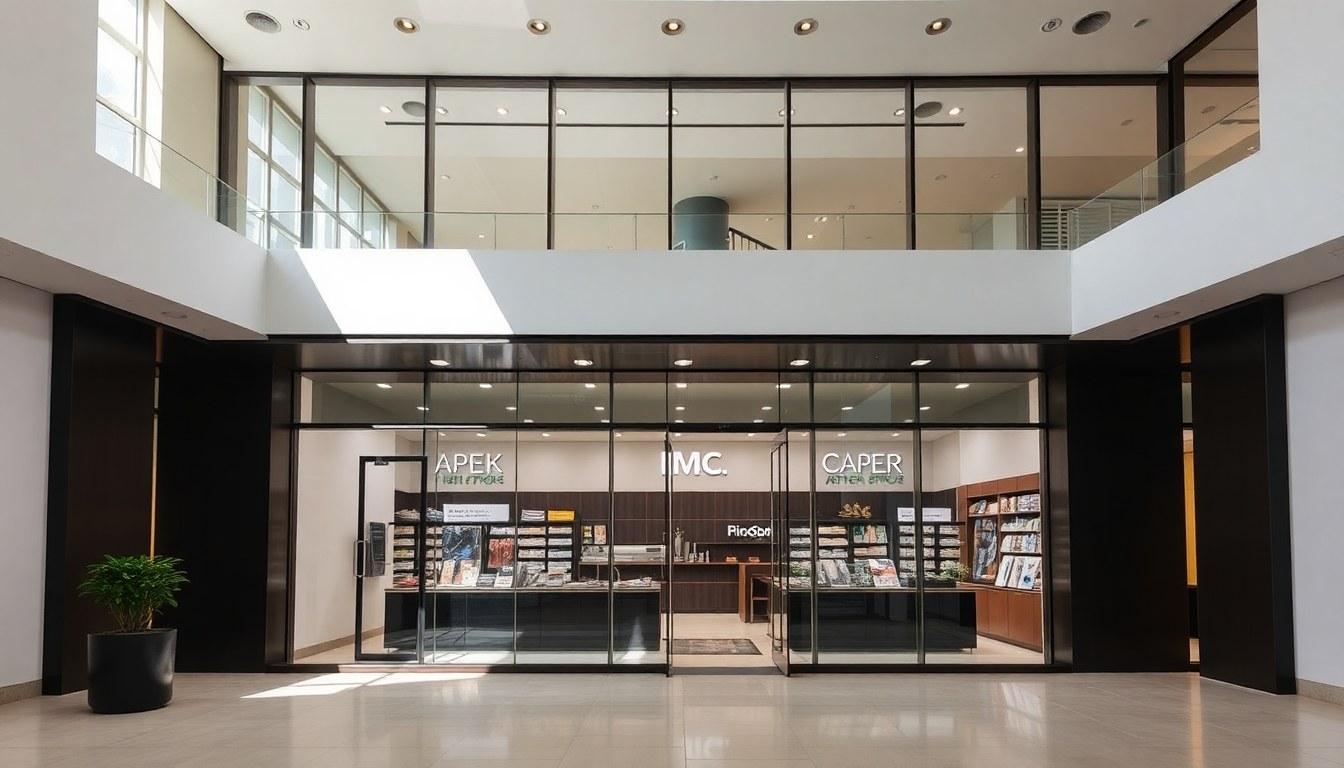
Retail glass shopfronts are no longer just transparent barriers between street and store—they're active design statements that shape brand identity and customer experience. In 2026, architects and retail designers across India are moving toward cleaner aesthetics, smarter materials, and integrated technology that blurs the line between architecture and merchandising. This shift reflects broader consumer expectations: transparency (literal and brand-wise), sustainability, and frictionless interaction with retail spaces.
The Rise of Frameless Glass Systems
Frameless glass shopfronts have become the gold standard for premium retail in Bangalore and other metro hubs. These systems eliminate visible mullions and frames, creating an uninterrupted visual connection between the street and interior displays. The result is a sense of openness and modernity that traditional framed systems cannot match.
The engineering behind frameless systems relies on structural silicone bonding, reinforced glass edges, and hidden support brackets—often mounted to the floor slab or concealed within the building structure. This approach requires precise coordination between architects, structural engineers, and glass specialists. Expert Designs- Architecture, Interior & Structural Designer exemplifies the kind of multidisciplinary expertise now essential for executing these complex installations.
Cost considerations matter: frameless systems typically run 20–30% higher than framed alternatives, but retail brands view this as a brand investment rather than an expense. High-street locations in Bangalore's Indiranagar, Koramangala, and Whitefield corridors increasingly feature frameless frontages for flagship stores and concept boutiques.
Smart Tinting and Dynamic Glass Technology
Electrochromic and thermochromic glass is moving from novelty to necessity in 2026. These smart glasses adjust opacity or tint in response to heat, light, or electrical signals—allowing shopfronts to manage glare, reduce cooling loads, and create dynamic visual effects without blinds or curtains.
For retail, smart tinting solves a real problem: protecting merchandise from UV damage while maintaining visual appeal. Luxury brands selling fashion, cosmetics, or watches benefit most, as these products degrade under prolonged sun exposure. The technology also supports energy efficiency targets—critical as Indian retailers face rising electricity costs and sustainability mandates.
Installation challenges remain. Smart glass requires integration with building management systems (BMS), electrical infrastructure, and often a dedicated control interface. Retrofit projects are more complex than new builds. However, prices have dropped significantly; high-performance smart glass now costs ₹2,500–₹4,500 per square meter, compared to ₹4,000–₹7,000 just three years ago.
Minimalist Mullion Design and Structural Clarity
While frameless is the premium choice, minimalist mullion design is the practical middle ground gaining traction in 2026. Thin-profile aluminum mullions (8–12 mm) replace the chunky frames of the past, creating visual lightness without the engineering complexity or cost of fully frameless systems.
Architects are also exploring structural glazing—where glass panels are bonded directly to the structural frame with minimal visible support. This creates a hybrid aesthetic: cleaner than traditional framing, more cost-effective than frameless, and structurally sound for mid-rise retail frontages.
The color palette for mullions has also shifted. Rather than standard silver or black aluminum, designers now specify powder-coated finishes in warm bronze, charcoal grey, or even white to match interior aesthetics. This attention to detail reflects a broader trend toward treating the shopfront as an extension of interior design rather than a separate technical system.
Integrated Signage and Wayfinding
In 2026, the shopfront and signage are increasingly one system. Rather than mounting signs onto glass, architects are embedding illuminated elements, digital displays, and branded graphics directly into the glass or the mullion structure itself. This creates a cohesive, uncluttered appearance and eliminates the visual noise of layered signage.
Common approaches include:
- Digital-printed glass: Ceramic frit or digital printing applied to glass panels for logos, wayfinding, or atmospheric graphics without reducing transparency.
- LED-integrated mullions: Thin LED strips embedded in aluminum frames to outline storefronts or highlight merchandise zones.
- Backlit glass: Translucent or frosted glass panels with integrated backlighting for brand messaging visible day and night.
- Interactive digital surfaces: Touchscreen or motion-sensor glass panels that display promotions or product information as customers approach.
Bangalore retail zones like Commercial Street and MG Road are early adopters. Brands like Decathlon, Nykaa, and luxury watch retailers have deployed integrated signage systems that reduce clutter while increasing brand recall. The cost premium is typically 15–25% over standard glass and signage, but the visual impact justifies the investment for high-traffic locations.
Sustainability and Material Transparency
Sustainability is no longer a marketing buzzword—it's a specification requirement. In 2026, retail architects are prioritizing low-iron glass (which reduces embodied carbon and improves clarity), recycled glass content, and locally sourced materials to reduce transportation emissions.
Thermal performance matters too. Double-glazed shopfronts with low-emissivity (Low-E) coatings reduce heat gain by 30–40%, lowering cooling costs and improving customer comfort. For air-conditioned retail spaces in India's hot climate, this translates to measurable operational savings.
Transparency extends to sourcing. Retailers and architects now ask suppliers for environmental product declarations (EPDs), certifications (such as Green Building Council ratings), and traceability. This shift is driven partly by consumer expectations and partly by corporate sustainability targets. Aakar Homes and similar design-forward firms are increasingly integrating sustainability criteria into material selection.
Case Studies: Bangalore Retail Leaders
Luxury Fashion District, Indiranagar
A cluster of premium apparel and accessories brands in Indiranagar adopted frameless glass shopfronts with integrated LED backlighting in 2024–2025. The unified aesthetic creates a cohesive streetscape while allowing individual brands to control their visual identity through interior display and lighting. Smart tinting glass on western-facing frontages protects merchandise from afternoon sun without requiring external shading. The result: a 15% increase in foot traffic and higher average transaction values compared to nearby traditional retail.
Tech-Enabled Retail, Whitefield
A new electronics and consumer tech hub in Whitefield features interactive digital glass panels that display product specs and promotions as customers approach. Minimalist aluminum mullions (10 mm) in charcoal grey create visual continuity across multiple storefronts. The integrated approach reduced total signage hardware by 40% while improving wayfinding. Energy-efficient Low-E glazing reduced cooling loads by 28% during the first summer of operation.
Sustainable Concept Store, Koramangala
A zero-waste lifestyle brand in Koramangala specified low-iron recycled glass with ceramic-frit branding and a structural glazing system that minimizes aluminum use. The shopfront required no external signage—all brand messaging is integrated into the glass through printing and subtle backlighting. This approach reduced installation waste by 60% and created a distinctive, premium aesthetic that aligns with the brand's sustainability values.
Material Specifications and Technical Considerations
Architects specifying shopfronts in 2026 must balance aesthetics with performance. Key technical parameters include:
- Glass type: Tempered low-iron or borosilicate for clarity and durability; laminated for safety in high-traffic areas.
- Thickness: 10–12 mm for frameless systems; 6–8 mm for framed systems with mullion support.
- Thermal performance: U-value ≤ 2.5 W/m²K for double-glazed systems in hot climates.
- Sound insulation: STC ≥ 30 for street-facing frontages in busy commercial zones.
- Safety ratings: Compliance with Indian Standards (IS 2553 for tempered glass, IS 2208 for laminated glass).
Coordination with structural engineers is critical. Shopfront loads (dead load of glass, wind pressure, thermal expansion) must be accurately calculated and transferred to the building frame. SRAA3- Construction, Architecture, interior design Company demonstrates the kind of integrated technical expertise required for complex installations.
Maintenance and Long-Term Performance
Frameless and minimalist-mullion shopfronts require more rigorous maintenance than traditional framed systems. Silicone joints must be inspected annually and resealed every 10–15 years. Smart glass systems need regular firmware updates and occasional sensor recalibration. Building managers should budget 2–3% of the initial shopfront cost annually for maintenance.
Durability is improving. Modern structural silicones resist UV degradation for 20+ years. Aluminum mullions are anodized or powder-coated to resist corrosion in urban environments. Smart glass manufacturers now offer 10-year warranties on electrochromic coatings. These improvements reduce lifecycle costs and support the business case for premium systems.
Frequently Asked Questions
What is the cost difference between frameless and framed glass shopfronts?
Frameless systems typically cost 20–30% more than framed alternatives, ranging from ₹3,500–₹6,000 per square meter installed, compared to ₹2,500–₹4,500 for framed systems. The premium reflects the engineering complexity, structural bonding, and precision installation required. However, the visual impact and brand value often justify the investment for flagship retail locations.
Are smart-tinting glass shopfronts worth the investment?
For retail selling UV-sensitive merchandise (fashion, cosmetics, watches, art), smart glass reduces fading and extends product lifespan, offsetting the higher initial cost (₹2,500–₹4,500 per square meter). Additionally, energy savings from reduced cooling loads can recover the investment in 5–7 years in India's hot climate. For general retail, the ROI is less clear unless the brand value of the technology is part of the positioning.
What maintenance do modern shopfronts require?
Frameless and minimalist-mullion shopfronts need annual inspection of silicone joints and resealing every 10–15 years. Smart glass systems require occasional firmware updates and sensor checks. Regular glass cleaning (weekly for high-traffic areas) is standard. Budget 2–3% of the initial cost annually for maintenance and repairs.
Can I retrofit an existing shopfront with smart glass or frameless systems?
Retrofits are technically possible but complex. Frameless retrofits require structural modifications and are often impractical. Smart glass can be retrofitted into existing frames if the structure is sound, but electrical and control systems must be integrated with the building. New construction is simpler and more cost-effective than retrofits for major upgrades.
Which Indian cities are leading in retail glass shopfront innovation?
Bangalore, Mumbai, Delhi, and Hyderabad are the primary hubs. Bangalore's Indiranagar, Koramangala, and Whitefield corridors are particularly active, with premium brands and startups adopting frameless, smart-glass, and integrated-signage systems. Mumbai's Lower Parel and Delhi's Connaught Place are also seeing significant adoption of 2026 design trends.
Conclusion: The Future of Retail Glass
The retail glass shopfront in 2026 is a convergence of aesthetics, technology, and sustainability. Frameless systems and minimalist mullions create visual clarity that resonates with modern consumers. Smart tinting protects merchandise while reducing energy costs. Integrated signage eliminates visual clutter and strengthens brand identity. And material transparency reflects a broader shift toward sustainable, locally sourced design.
For retail architects and building owners in Bangalore and across India, the message is clear: invest in quality glass systems designed for your specific context. Whether you're building a flagship store in Indiranagar or a concept space in Koramangala, the right shopfront design pays dividends in brand perception, customer experience, and long-term operational efficiency.
Ready to specify your next retail shopfront? Explore glassy.in's directory of glass specialists, architects, and installation experts to find partners who understand the latest trends and can deliver precision installations that elevate your retail presence.