
Mirrors
Mirror Warping and Distortion: Causes and Prevention for Bathroom Mirrors in Humid Climates
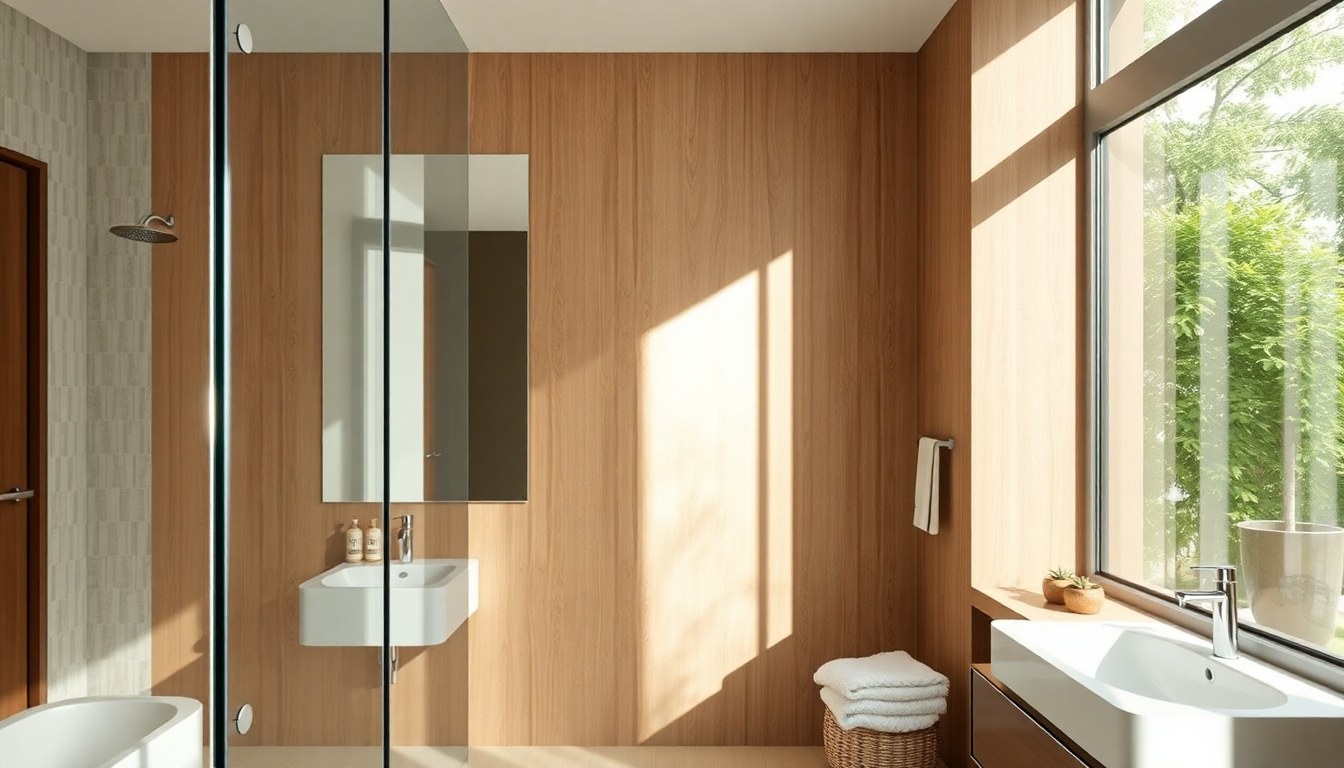
If you've noticed wavy reflections, bulging edges, or mysterious distortions in your bathroom mirror, you're not alone. Mirror warping is an especially common problem in India's humid coastal cities and monsoon-prone regions, where moisture relentlessly attacks the vulnerable edges and backing of your mirror. The good news is that understanding why mirrors warp—and implementing the right prevention strategies during installation—can save you thousands of rupees in replacements and give you crystal-clear reflections for years to come.
Understanding How Bathroom Mirrors Are Constructed
Before diving into warping causes, it's essential to understand what makes up a typical bathroom mirror. A standard mirror consists of a glass pane with a reflective coating (usually silver or aluminum) applied to the back surface, followed by protective layers of copper and paint. This multi-layer sandwich is what creates your reflection, but it's also the mirror's Achilles heel when exposed to moisture.
The glass itself is relatively stable, but the metal coatings and adhesive layers are highly susceptible to oxidation and chemical reactions when water vapor penetrates the mirror's edge seals. In India's bathroom environments—where humidity levels can exceed 80% during monsoons and hot showers create condensation daily—these vulnerable layers face constant attack. The protective paint layer at the back is meant to shield the silvering from moisture, but once edge seals fail, water finds its way in through capillary action.
Quality mirrors use thicker glass (typically 4mm to 6mm) and superior edge-sealing techniques, but even premium mirrors will eventually succumb to moisture if installed incorrectly or in extremely humid conditions without proper ventilation.
Primary Causes of Mirror Warping and Distortion
Edge Seal Failure and Moisture Penetration
The most common culprit behind bathroom mirror warping is edge seal failure. When mirrors are cut during manufacturing, the edges expose the layered structure to the environment. Manufacturers apply edge sealing to prevent moisture ingress, but in many budget mirrors sold in India, this sealing is inadequate or deteriorates quickly in high-humidity conditions. Once moisture penetrates through the edges, it begins corroding the silvering layer, causing dark spots, cloudiness, and eventually physical warping as the backing materials expand and contract at different rates than the glass.
Direct water contact accelerates this process dramatically. If your mirror is positioned where shower spray hits it regularly, or if condensation drips down the mirror face and pools at the bottom edge, expect edge seal failure within months rather than years. The telltale signs include black spots appearing around the perimeter, a foggy appearance that doesn't wipe away, and eventually visible warping as the backing layers delaminate.
Improper Adhesive Application
Many installers in India use standard construction adhesives or mirror tape without understanding how moisture-curing adhesives interact with bathroom environments. When too much adhesive is applied unevenly, or when moisture-sensitive adhesives are used, the curing process can create stress points in the glass. As adhesives absorb moisture from humid air, they expand, pushing against the glass and creating localized pressure that manifests as warping or bulging.
Additionally, applying adhesive all the way to the mirror edges traps moisture that would otherwise evaporate. This creates a sealed pocket where condensation accumulates, directly attacking the mirror's backing layers from behind. Professional installers know to leave a gap between the adhesive and the mirror edge, but this practice is often overlooked in residential installations.
Temperature Fluctuations and Thermal Stress
Indian bathrooms experience dramatic temperature swings—from cool early mornings to steamy hot showers, sometimes multiple times per day. These temperature changes cause the glass, adhesive, and wall substrate to expand and contract at different rates. Over time, this thermal cycling creates micro-stresses in the glass that can lead to visible warping, especially if the mirror was installed on an uneven surface or with rigid mounting that doesn't allow for natural expansion.
Mirrors mounted on exterior walls in cities like Mumbai, Chennai, or Kolkata face additional challenges, as the wall temperature varies significantly between day and night, and between seasons. This differential expansion between the wall and mirror can create bowing, particularly in larger mirrors exceeding three feet in any dimension.
Substrate Issues and Wall Moisture
The wall behind your mirror plays a crucial role in its longevity. If mounted on a wall with rising damp, seepage problems, or inadequate waterproofing, moisture will attack the mirror from behind. Freshly plastered walls that haven't fully cured release moisture for weeks or months, and installing a mirror during this period almost guarantees premature failure.
Gypsum board or plywood substrates, common in modern Indian construction, are particularly problematic in bathrooms because they absorb moisture readily. When these materials get damp, they can warp themselves, taking the mirror along for the ride. Concrete and tile surfaces provide better dimensional stability, but only if properly waterproofed.
Prevention Strategies for Long-Lasting Bathroom Mirrors
Choose the Right Mirror Quality
Investing in a quality mirror with proper edge sealing pays dividends in humid climates. Look for mirrors with beveled edges, which are typically better sealed than straight-cut edges. Copper-free or green-edge mirrors use alternative backing technologies that resist corrosion better than traditional silvered mirrors. While these premium options may cost 30-50% more (expect to pay ₹150-250 per square foot versus ₹80-120 for standard mirrors), they can last three to five times longer in challenging bathroom environments.
Some manufacturers now offer specially treated bathroom mirrors with enhanced edge sealing and moisture-resistant backing layers specifically designed for Indian climate conditions. When shopping, ask specifically about the edge-sealing method and whether the mirror is rated for high-humidity environments.
Implement Proper Installation Techniques
Correct installation is perhaps more important than mirror quality. Always ensure the wall is completely dry, properly waterproofed, and fully cured before mirror installation. Use a moisture meter to verify wall moisture content is below 4% before proceeding. Apply a waterproof primer or sealer to the wall area where the mirror will be mounted to create an additional moisture barrier.
When applying adhesive, use a mirror-specific product designed for humid environments. Apply adhesive in vertical strips or dots rather than continuous beads, and keep adhesive at least one inch away from all edges. This allows air circulation behind the mirror and provides an escape route for any moisture that does penetrate. For larger mirrors, consider using a combination of adhesive and mechanical mounting with J-channels or clips at the bottom to reduce adhesive stress.
Create Adequate Spacing and Ventilation
Never mount a bathroom mirror flush against the wall. Use spacers or mounting techniques that create a 3-5mm air gap behind the mirror. This seemingly small gap makes an enormous difference in moisture management, allowing air circulation that prevents condensation buildup. Some installers use small rubber or plastic spacer dots placed strategically across the back of the mirror before applying adhesive.
Position mirrors away from direct shower spray whenever possible. If your bathroom layout makes this impossible, consider installing a glass partition or shower curtain that shields the mirror from direct water contact. Ensure your bathroom has adequate ventilation—either through an exhaust fan, window, or ventilation grille. Running an exhaust fan during showers and for 20-30 minutes afterward dramatically reduces humidity levels and extends mirror life.
Apply Protective Edge Treatments
After installation, consider applying a clear silicone sealant along the top and side edges of the mirror (not the bottom, which needs to remain open for drainage). This creates an additional moisture barrier while still allowing any trapped moisture to escape downward. Some professionals apply a thin bead of neutral-cure silicone around the perimeter before mounting, creating a gasket effect that keeps wall moisture away from mirror edges.
For mirrors in particularly challenging locations, edge-protective metal or plastic trim strips can be installed. While these add a decorative frame element, they primarily serve to shield vulnerable edges from moisture exposure and direct water contact.
Maintenance Practices to Extend Mirror Lifespan
Regular maintenance can significantly extend your bathroom mirror's functional life. After each shower, use a squeegee or dry cloth to remove water droplets from the mirror surface, paying particular attention to the edges where water tends to pool. This simple habit prevents water from seeping into edge seals and reduces the moisture load on the mirror backing.
Periodically inspect the mirror edges for early signs of deterioration—dark spots, discoloration, or haziness that doesn't clean away. Catching edge seal failure early allows you to apply remedial sealant before the damage spreads. Clean your mirror with appropriate glass cleaners rather than harsh chemicals that might degrade edge seals; avoid spraying cleaner directly onto the mirror, which causes overspray to run down into edges. Instead, spray onto a cloth and then wipe the mirror surface.
Monitor your bathroom's overall humidity levels. If you notice persistent condensation on mirrors, walls, or fixtures, your ventilation is inadequate. Installing or upgrading exhaust fans, keeping bathroom doors open after use, or adding a small dehumidifier can create an environment where mirrors—and all bathroom fixtures—last considerably longer.
When to Replace Rather Than Repair
Once a mirror has begun warping physically, repair is generally not feasible. Surface silvering damage can sometimes be re-silvered by specialized shops in major Indian cities, but physical distortion of the glass indicates structural failure that cannot be reversed. If you notice wavy reflections, bulging areas, or visible bowing when viewing the mirror from the side, replacement is your only option.
However, catching problems early can save portions of your investment. If edge deterioration is limited to one corner or edge, and the mirror is mounted with removable clips rather than permanent adhesive, you might be able to reposition the mirror to hide the damaged area or apply protective treatments to prevent spread. For most cases of advanced warping, though, budget for replacement and use the opportunity to implement the prevention strategies outlined above.
When replacing a warped mirror, carefully remove all old adhesive from the wall, check for underlying moisture problems that contributed to the original failure, address those issues, and allow the wall to dry completely before installing the new mirror. Skipping these steps simply restarts the failure cycle.
Frequently Asked Questions
How long should a bathroom mirror last in Indian climate conditions?
With proper installation and adequate ventilation, a quality bathroom mirror should last 10-15 years even in humid Indian climates. Budget mirrors with poor edge sealing may show deterioration within 2-3 years in high-moisture environments. Mirrors in well-ventilated bathrooms in drier regions like Delhi or Pune typically outlast those in coastal cities like Mumbai, Goa, or Chennai, where humidity levels remain high year-round. The key factors are mirror quality, installation technique, and bathroom ventilation rather than climate alone.
Can I fix a warped bathroom mirror, or does it need complete replacement?
Unfortunately, physical warping cannot be repaired. Once the glass has bent or the backing layers have delaminated enough to cause visible distortion, the structural integrity is compromised. Surface problems like edge darkening or silvering spots can sometimes be addressed by re-silvering services available in major Indian cities, but this is only cost-effective for large or antique mirrors. For standard bathroom mirrors, replacement is more economical than attempted repair, with new mirrors ranging from ₹2,000-8,000 depending on size and quality.
What's the difference between mirror warping and normal condensation?
Condensation is temporary moisture that forms on the mirror surface during hot showers and wipes away easily, leaving a clear reflection. Warping manifests as permanent distortion—wavy reflections that don't improve when the mirror is cleaned, bulging or bowing visible when viewing the mirror from an angle, dark spots around edges that don't wipe away, or a cloudy appearance in certain areas. Condensation is a normal bathroom phenomenon; warping indicates structural damage to the mirror itself.
Should bathroom mirrors be installed before or after tiling?
Mirrors should always be installed after tiling is complete and fully cured. Tile adhesive and grout release moisture during the curing process, which typically takes 7-14 days depending on conditions. Installing a mirror before this curing period exposes it to excessive moisture from behind. Additionally, tiles provide a flat, stable, waterproof surface ideal for mirror mounting. Install tiles first, allow complete curing, clean the surface thoroughly, and then mount your mirror for best results.
Is it better to use adhesive or clips for bathroom mirror installation?
A combination approach works best for bathroom mirrors. Use mirror-specific adhesive applied in strips or dots (not continuous beads) to secure the mirror, plus mechanical support like J-channel at the bottom or side clips for larger mirrors. This hybrid method distributes stress, allows for some movement during temperature changes, and provides redundancy—if adhesive fails due to moisture, clips prevent the mirror from falling. Adhesive alone can trap moisture; clips alone may not provide adequate stability. For mirrors larger than 3 feet in any dimension, mechanical support becomes essential.
Finding the right mirror supplier who understands humid climate challenges is crucial for long-term satisfaction. Visit glassy.in, India's largest glass business directory, to connect with experienced mirror manufacturers, suppliers, and installation professionals in your city who can recommend appropriate products and techniques for your specific bathroom conditions.