
Mirrors
Mirror Glass for Small Spaces: Illusion of Depth in Compact Homes
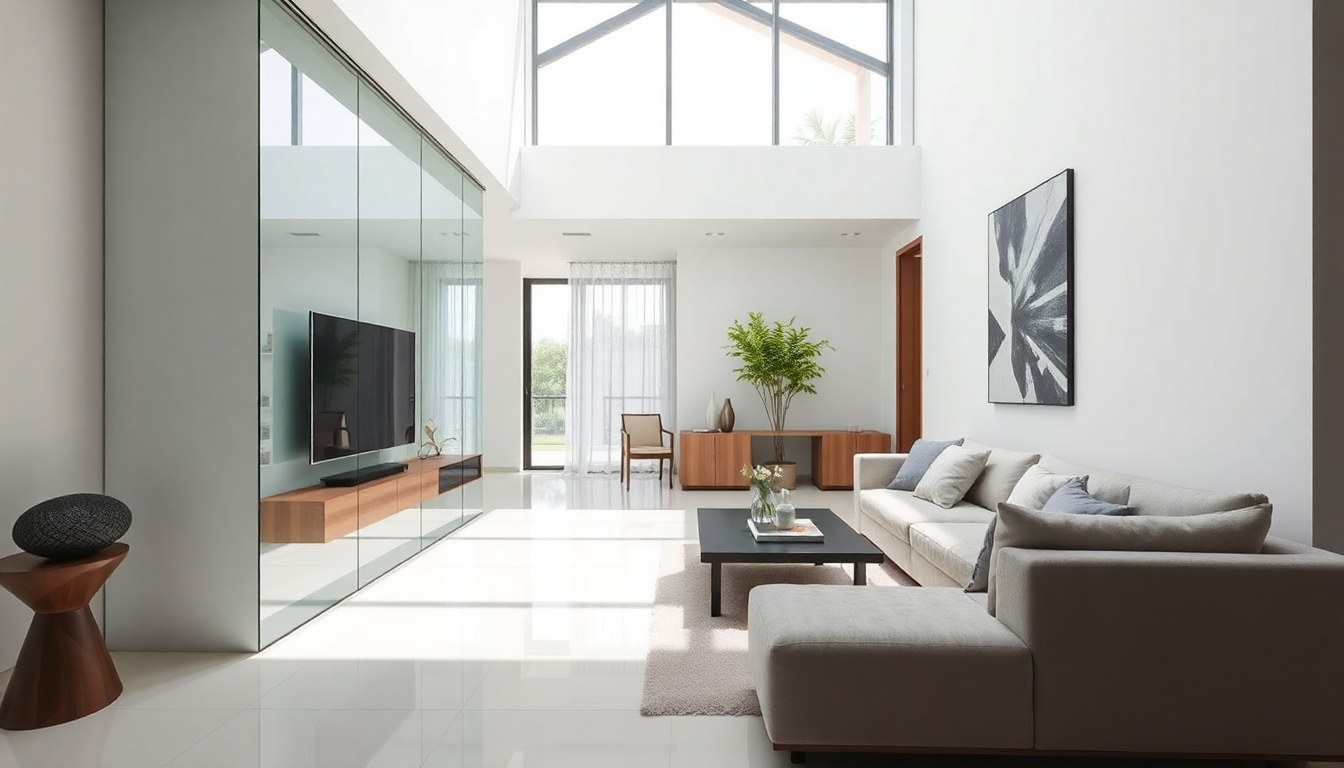
Living in a studio apartment or compact home doesn't mean sacrificing style or the feeling of spaciousness. Mirror glass is one of the most effective, affordable tools to instantly expand the perceived dimensions of any room. When positioned strategically, mirrors reflect light and create visual depth that transforms cramped quarters into airy, open environments—all without breaking down walls or expensive renovations.
Understanding the Psychology Behind Mirrors and Space
The human brain perceives space through light, reflection, and visual continuity. When a mirror reflects a window, wall, or another part of the room, it creates a psychological illusion that extends the room's boundaries. This isn't just interior design fluff—it's grounded in how our eyes process depth and distance. A well-placed mirror essentially doubles the visual information your brain receives, making a 300-square-foot studio feel considerably larger.
The colour and finish of the mirror also matter. Clear, reflective mirrors work best for space expansion, while tinted or frosted mirrors, though decorative, reduce the depth-creating effect. For maximum impact in small spaces, opt for frameless or minimally framed mirrors that don't interrupt the reflected view with visual barriers.
The Role of Light Reflection
Mirrors are light multipliers. A mirror positioned opposite a window bounces natural light throughout the room, brightening dark corners and creating a sense of airiness. In Indian homes where natural light can be limited due to architecture or urban density, this effect is particularly valuable. Even artificial light reflects off mirrors, so placing one near a lamp or light fixture amplifies illumination without additional energy costs.
Strategic Placement for Maximum Impact
The location of your mirror is more important than its size. A poorly placed mirror might catch an awkward corner or reflect clutter, while a well-positioned one can open up an entire room. Here are the most effective placement strategies for small spaces:
Opposite Windows or Light Sources
The golden rule: place mirrors directly across from windows or light sources. This maximizes light reflection and creates the strongest illusion of depth. If your apartment has a single window, a mirror opposite it will bounce that precious natural light around the entire space. In Mumbai, Delhi, or Bangalore apartments where windows are often limited, this placement alone can transform a dim room into a bright, welcoming space.
At the End of Hallways
Long, narrow hallways in compact homes feel claustrophobic. A large mirror at the end of a hallway creates the illusion that the space continues indefinitely. This is particularly effective in Indian apartment layouts where hallways connect multiple rooms. The reflected view tricks the eye into perceiving greater depth, making the hallway feel less like a tunnel.
Adjacent to Doorways
Placing a mirror beside a doorway (not directly blocking it) reflects the adjacent room, visually merging spaces. This works wonderfully in studio apartments where the living, sleeping, and dining areas are one open space. A mirror on the wall next to the bedroom area can reflect the living room, creating visual separation and depth simultaneously.
Corner Placements
Mirrors in corners are underutilized but highly effective. A corner mirror reflects two walls instead of one, creating a more dramatic depth effect. This placement is ideal for small bedrooms or living rooms where wall space is limited and corner real estate is often wasted.
Sizing and Proportion Guidelines
Mirror size matters, but bigger isn't always better in small spaces. An oversized mirror can feel overwhelming and create visual chaos. Instead, follow these proportional guidelines:
- For walls under 8 feet wide: Choose mirrors between 24 to 36 inches wide. This provides significant reflection without dominating the wall.
- For hallways: A mirror 36 to 48 inches wide and 60+ inches tall creates maximum depth illusion.
- For bedroom walls: A 30 x 40-inch mirror is ideal for small bedrooms, providing functionality and space-expanding benefits.
- For multiple smaller mirrors: Instead of one large mirror, consider 2-3 medium mirrors (18-24 inches) arranged asymmetrically. This adds visual interest while maintaining the depth effect.
In Indian homes, where rooms average 100-150 square feet, a single large mirror (36-48 inches) typically works better than several small ones. It creates a cohesive reflection and a stronger illusion of continuity.
Height Considerations
Mount mirrors at eye level (approximately 60 inches from the floor to the mirror's center) for functional use and optimal visual balance. However, for maximum space illusion, slightly higher placement (66-72 inches) reflects more of the ceiling, creating a greater sense of height in rooms with low ceilings—common in older Indian apartment buildings.
Mirror Types and Finishes for Small Spaces
Not all mirror glass is created equal. Different types and finishes serve different purposes in compact homes:
Clear Reflective Mirrors
Standard clear mirrors are the best choice for space expansion. They provide undistorted reflection and maximum light bounce. Ensure the glass is of high quality (at least 6mm thickness) to avoid waviness or discoloration that can blur the reflection and reduce the depth effect.
Frameless Mirrors
Frameless mirrors create seamless visual continuity and feel less "heavy" than framed options. In small spaces, this minimalist approach prevents the mirror from becoming a visual anchor that draws attention. Frameless mirrors are increasingly popular in Indian urban homes for this reason.
Thin-Framed Mirrors
If you prefer a frame, choose thin, minimal frames in neutral colours (black, white, natural wood). Thick or ornate frames consume visual space and interrupt the reflection, reducing the depth-creating effect.
Avoid Tinted and Decorative Mirrors
While aesthetically interesting, smoked, bronze, or rose-gold tinted mirrors reduce reflectivity and diminish the space-expanding illusion. Save these for accent pieces, not your primary space-expanding mirror.
Design Tips for Cohesive Small-Space Interiors
Strategic mirror placement works best when integrated thoughtfully into your overall design. Here are practical tips for Indian homes:
- Coordinate with wall colour: Light, neutral wall colours (whites, soft greys, warm beiges) reflect more light and amplify the mirror's effect. Avoid dark walls opposite mirrors, as they absorb light and reduce the depth illusion.
- Use mirrors to reflect artwork: Position a mirror to reflect a piece of art or a decorative wall. This creates visual interest and makes the reflected space feel intentional, not accidental.
- Keep the reflected view clean: Since mirrors reflect everything behind them, ensure the area they face is clutter-free. A mirror reflecting a messy corner amplifies the chaos.
- Combine with good lighting: Mirrors enhance existing light; they don't create it. Pair mirrors with adequate lighting (natural and artificial) for the best results.
- Balance with other reflective surfaces: Glass shelves, glossy tiles, or polished metal accents complement mirrors without creating visual overload. In small spaces, one or two reflective surfaces per room is ideal.
Common Mistakes to Avoid
Even with good intentions, mirror placement can backfire. Here are mistakes that often occur in small-space design:
Placing mirrors opposite mirrors: This creates an infinite reflection tunnel that can feel disorienting rather than spacious. Avoid placing mirrors directly across from each other.
Using mirrors on every wall: Overdoing mirrors creates a hall-of-mirrors effect that feels chaotic and artificial. Limit yourself to one or two strategic mirrors per room.
Choosing oversized mirrors for tiny rooms: A 60-inch mirror in a 10x10-foot bedroom dominates the space rather than expanding it. Match mirror size to wall dimensions and room function.
Ignoring the reflection: A mirror reflecting a cluttered closet, unmade bed, or pile of laundry doesn't expand space—it amplifies visual disorder. Always consider what the mirror will reflect.
Frequently Asked Questions
How much does mirror glass cost in India?
Mirror glass pricing varies by quality and size. Standard 6mm clear mirror glass costs approximately ₹150-250 per square foot in Indian cities like Bangalore, Mumbai, and Delhi. A 36x48-inch frameless mirror typically costs ₹2,500-5,000 installed, depending on quality and labour. Decorative or specialty mirrors (tinted, bevelled, or framed) cost 20-50% more. For budget-friendly options, check local glass suppliers listed on directories like glassy.in.
Can mirrors make a small room feel cold or unwelcoming?
Not if used thoughtfully. Clear mirrors with warm lighting create an inviting atmosphere. The key is balance—one strategic mirror enhances space without feeling clinical. Pair mirrors with warm colour palettes, soft furnishings, and adequate lighting to maintain warmth and comfort in small spaces.
Is it better to use one large mirror or multiple smaller mirrors in a small apartment?
For maximum space illusion, one large, strategically placed mirror (36-48 inches) is more effective than several small ones. However, multiple smaller mirrors (18-24 inches) can work if arranged thoughtfully to create visual interest without fragmentation. The choice depends on your room layout and design aesthetic.
Where should I avoid placing mirrors in small spaces?
Avoid placing mirrors directly opposite other mirrors, as this creates disorienting infinite reflections. Don't place mirrors where they reflect clutter, dark walls, or the bedroom from the living area (which can feel invasive). Also avoid placing large mirrors in high-traffic areas where they might pose safety risks.
How do I maintain mirror glass to keep the reflection clear?
Clean mirrors monthly with a microfibre cloth and glass cleaner to prevent dust and moisture buildup. In humid climates common to Indian cities, ensure proper ventilation around mirrors to prevent moisture damage and misting. Check the backing of mirrors periodically for signs of deterioration, especially in older installations.
Transform Your Compact Home Today
Mirror glass is a simple, cost-effective solution to make small spaces feel larger, brighter, and more inviting. Whether you're in a 300-square-foot studio in Bangalore or a compact 2-bedroom in Delhi, strategic mirror placement creates real visual impact. Ready to find the perfect mirror for your space? Browse verified glass suppliers and manufacturers on glassy.in—India's largest glass-business directory—to connect with professionals who can help you select and install the ideal mirror solution for your home.