
Mirrors
Mirror Glass with Antifog Coating: Bathroom Innovation for Humid Climates
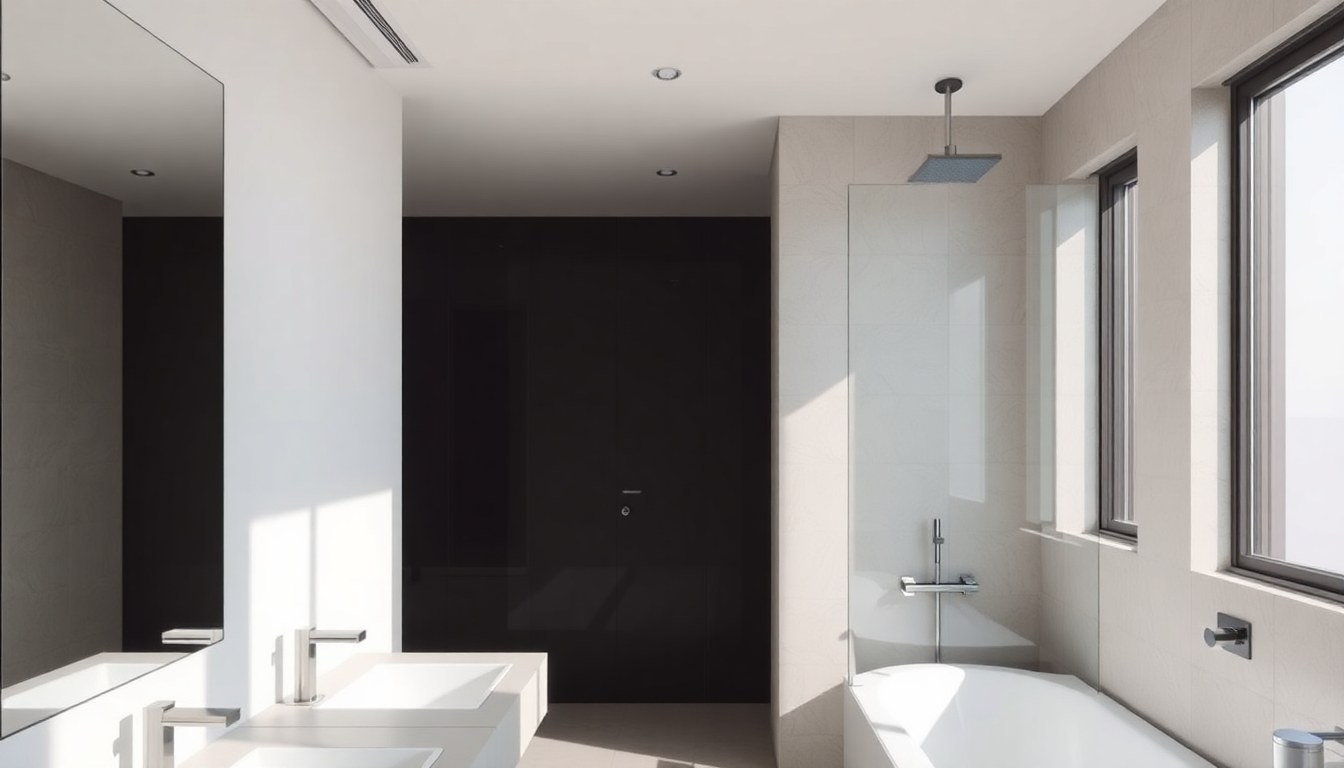
If you've ever stepped out of a hot shower in an Indian bathroom only to find your mirror completely fogged over, you're not alone. Humidity and temperature fluctuations are constant challenges in homes across India, making bathroom mirrors frustratingly unusable at precisely the moment you need them most. Antifog mirror coatings and heated mirror technology are practical, proven solutions that keep your bathroom mirror crystal clear year-round, even in the most moisture-heavy environments.
Understanding Antifog Mirror Coatings
Antifog coatings work by fundamentally changing how water behaves on mirror surfaces. Instead of forming visible water droplets that create that cloudy appearance, the coating causes water to spread into an invisible, ultra-thin layer. This hydrophobic or hydrophilic treatment is applied at the manufacturing stage or as an aftermarket solution, creating a microscopic barrier between the glass and moisture in the air.
There are two main types of antifog technologies available in the Indian market. Hydrophobic coatings repel water, preventing droplet formation altogether. Hydrophilic coatings, on the other hand, attract water and spread it evenly across the surface, eliminating visible fog. Both approaches are effective, though they operate on different principles. The choice between them often depends on your specific bathroom conditions and personal preference.
How Hydrophobic Coatings Prevent Fogging
Hydrophobic antifog coatings create a water-resistant layer that causes condensation to bead up and roll away rather than cling to the glass. This is particularly effective in bathrooms with extreme temperature differences, such as when hot water vapor meets a cold mirror surface. The coating maintains its effectiveness across varying humidity levels, making it ideal for Indian bathrooms that experience seasonal moisture variations.
Heated Mirror Technology: A Premium Alternative
Heated mirrors represent the premium end of antifog solutions. These mirrors incorporate a thin heating element, typically integrated into the backing or frame, that warms the mirror surface to approximately body temperature or slightly higher. By keeping the mirror warm, the temperature difference between the mirror and the surrounding humid air is minimized, preventing condensation from forming in the first place.
Heated mirrors are particularly popular in metropolitan areas like Mumbai, Bangalore, and Delhi, where modern bathrooms increasingly feature smart fixtures and energy-efficient designs. The heating element consumes minimal electricity—typically 50-100 watts—and can be controlled via a switch or integrated into your bathroom's smart home system. Many models include a timer function, allowing you to activate the mirror only when needed.
Installation and Electrical Requirements
Installing a heated mirror requires basic electrical work, which should ideally be handled by a licensed electrician. The mirror needs to be connected to a dedicated circuit with proper grounding and waterproofing to meet bathroom safety standards. Most heated mirrors operate on standard 220V AC supply used in Indian homes. Installation costs typically range from ₹2,000 to ₹5,000 depending on your location and existing electrical infrastructure.
The mirror itself should be mounted at a height of 120-130 cm from the floor for optimal viewing. Ensure adequate ventilation around the mirror to prevent heat buildup, and maintain at least 15 cm clearance from walls and fixtures. Proper installation not only ensures the mirror works effectively but also guarantees safety and longevity.
Comparing Antifog Coatings vs. Heated Mirrors
Both solutions have distinct advantages depending on your budget and requirements. Antifog-coated mirrors are more affordable, ranging from ₹3,000 to ₹8,000 for quality options, and require no electrical installation. They're ideal for renters or those who prefer a simpler solution without additional wiring. However, their effectiveness can diminish over time with frequent cleaning and use.
Heated mirrors cost more upfront—typically ₹8,000 to ₹20,000 including installation—but offer superior, long-lasting performance. They're particularly valuable in high-humidity areas like coastal regions, monsoon-prone cities, or homes with poor ventilation. The heating element ensures consistent results regardless of external humidity levels.
Durability and Maintenance Considerations
Antifog coatings generally last 3-5 years with proper care, though premium coatings can extend to 7-10 years. The coating can wear away faster if you use abrasive cleaners or rough cloths. To maximize longevity, clean your antifog mirror with soft microfiber cloths and gentle, pH-neutral cleaners specifically designed for coated mirrors.
Heated mirrors, when properly installed and maintained, can last 10-15 years or longer. The heating element is sealed and protected, making it resistant to moisture damage. Regular maintenance involves simply ensuring the mirror surface is clean and the electrical connections remain dry. Unlike coatings, heated mirrors don't degrade with use—they maintain consistent performance throughout their lifespan.
Installation Tips for Indian Bathrooms
Successful installation of antifog mirrors depends on understanding your bathroom's specific conditions. Begin by assessing your bathroom's ventilation. Proper exhaust fans or windows that allow moisture to escape are crucial. Even the best antifog solution will struggle in a bathroom with no ventilation.
For antifog-coated mirrors, ensure the mounting surface is clean and dry before installation. Use appropriate wall anchors for your wall type—whether it's tile, plaster, or concrete, which are common in Indian homes. For heated mirrors, hire a qualified electrician to run wiring safely, preferably through conduits behind walls to maintain aesthetics and safety.
Best Practices for Placement
- Mount mirrors away from direct shower spray to minimize constant water exposure
- Position mirrors to receive natural light or good artificial lighting for visibility
- Ensure mirrors are at comfortable eye level for all household members
- Leave adequate space around the mirror for ventilation and cleaning access
- Consider installing mirrors on walls opposite to windows or exhaust fans to maximize air circulation
Ventilation: The Often-Overlooked Factor
No antifog solution works optimally without proper ventilation. In Indian bathrooms, installing or upgrading exhaust fans is often more cost-effective than relying solely on mirror coatings. A good exhaust fan should remove at least 50-100 CFM (cubic feet per minute) of moisture. Running the fan during and for 15-20 minutes after showers dramatically reduces overall bathroom humidity, benefiting your mirror and protecting your walls from mold and moisture damage.
Cost Analysis and Long-Term Value
When evaluating antifog mirror solutions, consider both initial costs and long-term expenses. A basic antifog-coated mirror costs ₹3,000-₹5,000, with replacement needed every 5-7 years. Over 15 years, you might spend ₹9,000-₹15,000 on multiple mirrors. A heated mirror costs ₹12,000-₹25,000 initially but typically needs no replacement and maintains performance indefinitely, making it the more economical choice over extended periods.
Many Indian homeowners find a hybrid approach effective: installing antifog-coated mirrors in guest bathrooms or secondary spaces where cost matters most, while investing in heated mirrors for primary bathrooms where daily use justifies the premium. This strategy balances budget constraints with performance needs.
Frequently Asked Questions
How long do antifog mirror coatings typically last in humid Indian climates?
Quality antifog coatings generally last 3-7 years in typical Indian bathroom conditions. Coastal areas with extreme humidity may see faster degradation. Premium ceramic-based coatings can last up to 10 years. Longevity depends significantly on maintenance—using gentle cleaners and soft cloths extends the coating's life considerably.
Can I apply antifog coating to my existing mirror?
Yes, aftermarket antifog coatings are available as sprays or liquid treatments that can be applied to existing mirrors. However, professional application yields better results than DIY methods. The surface must be thoroughly cleaned and properly prepared before application. Costs for professional application typically range from ₹1,500 to ₹3,000 per mirror.
Are heated mirrors safe to use in bathrooms with children?
Yes, heated mirrors are safe when properly installed. The surface temperature typically reaches 40-50°C, which is warm but not hot enough to cause burns. The heating element is sealed within the mirror backing, eliminating any direct contact risk. Ensure professional installation to guarantee all electrical safety standards are met.
Do antifog mirrors work in extremely humid climates like coastal areas?
Antifog coatings work reasonably well even in high-humidity areas, but heated mirrors are more reliable in extreme conditions. In cities like Mumbai or Kochi where humidity regularly exceeds 80%, heated mirrors provide superior, consistent performance. Combining either solution with proper ventilation is essential for the best results.
What's the difference between mirror defog and antifog coatings?
Mirror defog typically refers to heated mirrors that actively prevent fogging, while antifog coatings are passive treatments that modify how water interacts with the surface. Heated mirrors solve the problem through temperature control, whereas coatings address it through surface chemistry. Both are effective, but they work on different principles.
Ready to upgrade your bathroom mirror? Explore premium antifog and heated mirror options available through verified glass suppliers and manufacturers on glassy.in. Browse our extensive directory to find trusted suppliers near you, compare products, and connect with installation professionals who understand India's unique climate challenges.