
Mirrors
Mirror Glass for Bedroom Wardrobes: Reflective Coating Quality & Durability
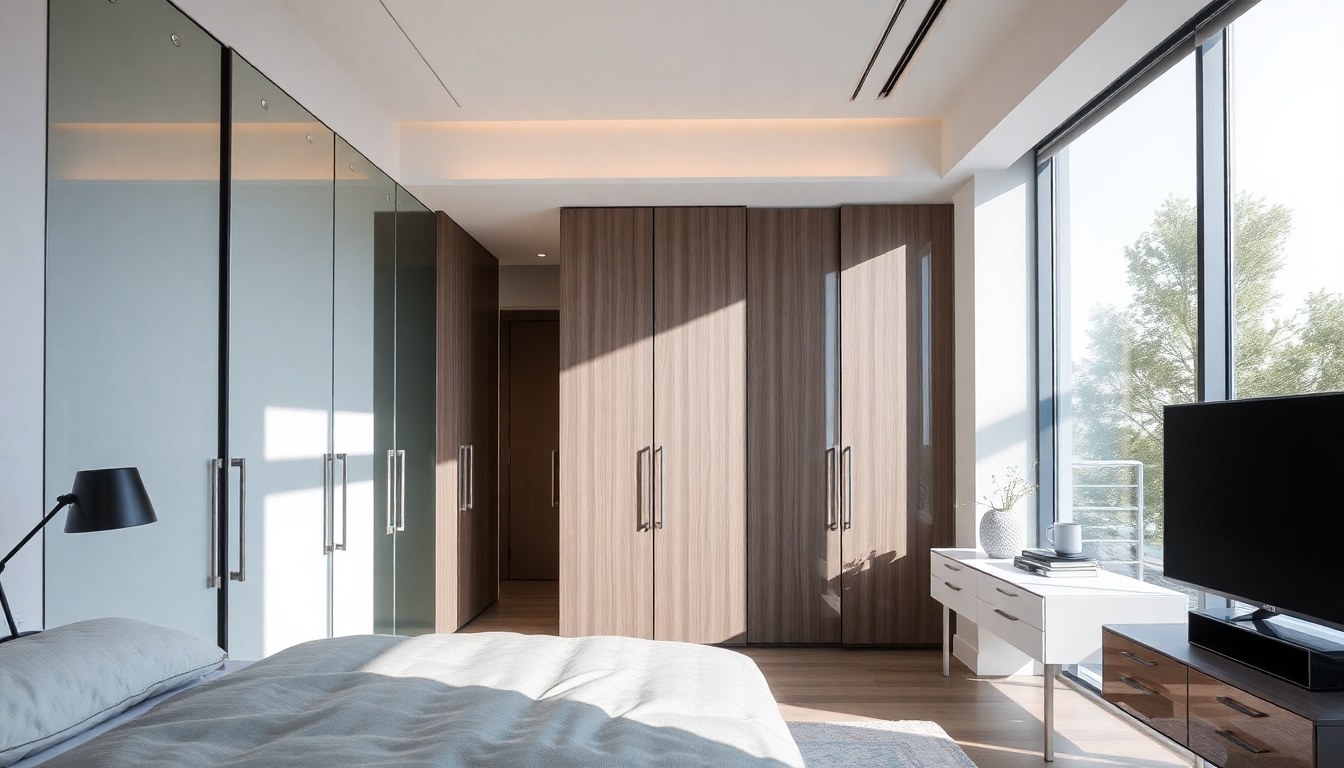
A bedroom wardrobe mirror is more than a functional piece of furniture—it's a daily-use fixture that must withstand humidity, temperature fluctuations, and constant handling. The reflective coating quality directly determines how long your mirror remains clear, corrosion-free, and visually appealing. Understanding the science behind mirror coatings and anti-corrosion treatments helps you invest in wardrobes that maintain their reflective brilliance for years, even in India's humid climate.
Understanding Mirror Glass Coating Technology
Modern mirror glass relies on a multi-layer coating system applied to the back surface of the glass. The reflective layer—typically made of aluminum or silver—is the core component that bounces light back to create the mirror effect. However, this reflective metal is highly susceptible to oxidation and corrosion, which is why protective coatings are essential.
The standard mirror coating structure includes:
- Reflective Layer: Aluminum or silver deposited on clean glass
- Protective Base Coat: A chemical barrier that prevents direct contact between the reflective metal and moisture
- Top Protective Layer: Paint or lacquer that shields the base coat from physical damage and environmental exposure
In bedroom wardrobes, where humidity levels fluctuate seasonally and daily bathroom use increases moisture in the air, the quality of these protective layers directly impacts mirror longevity. Budget mirrors often skip or thin out the protective coatings, leading to black spots, cloudiness, and deterioration within 2–3 years.
Anti-Corrosion Treatments for Bedroom Environments
Bedroom wardrobes face unique environmental challenges. Bathrooms adjoining bedrooms introduce moisture that migrates into wardrobes through ventilation gaps. Coastal areas in cities like Mumbai, Chennai, and Kolkata experience salt-laden humidity that accelerates corrosion. Anti-corrosion treatments counteract these threats by creating barriers between the reflective metal and corrosive agents.
Types of Anti-Corrosion Coatings
Copper-Based Protective Layers: High-quality mirrors use a thin copper layer beneath the reflective aluminum. This copper acts as a sacrificial barrier, oxidizing slowly instead of allowing the reflective layer to corrode. This approach extends mirror life significantly in humid environments.
Epoxy and Polyester Resin Coatings: These chemical barriers are applied over the reflective layer, forming a waterproof seal. Epoxy coatings offer superior adhesion and chemical resistance compared to traditional lacquer, making them ideal for bathrooms and humid zones. Premium mirrors often feature epoxy coatings that can withstand 10+ years of exposure.
Lacquer and Paint Finishes: Traditional paint-based backings are economical but less durable. They work adequately in dry bedrooms but deteriorate faster in high-humidity zones. The paint can peel, crack, or allow moisture infiltration at the edges.
Humidity Resistance Standards
International standards like ISO 1837 define humidity resistance testing for mirrors. Mirrors are exposed to 85% relative humidity at 38°C for extended periods to simulate tropical and subtropical climates. Mirrors meeting this standard show minimal corrosion spots after 500–1000 hours of exposure. When buying bedroom wardrobe mirrors in India, look for products certified to ISO 1837 or equivalent Indian Standards (IS 2911).
Factors Affecting Mirror Coating Durability
Mirror coatings don't fail uniformly. Several interconnected factors determine how long a mirror remains pristine in your bedroom wardrobe:
Glass Quality and Edge Sealing
The glass substrate itself matters. Impurities in low-grade glass can promote corrosion at the glass-coating interface. More importantly, the edges of mirror glass are vulnerable points where moisture can seep in and attack the reflective layer from the sides. Quality mirrors have sealed edges with epoxy or special edge sealants that prevent moisture ingress. Budget mirrors often leave edges unsealed, creating pathways for corrosion to spread from the perimeter inward.
Humidity and Temperature Cycling
Bedroom wardrobes experience daily temperature and humidity fluctuations, especially in regions with distinct seasons. Morning showers introduce moisture; afternoon heat dries the air. This constant cycling stresses the coating, causing micro-cracks where moisture can penetrate. Mirrors with flexible, multi-layer coatings resist this cycling better than rigid single-layer coatings.
Installation and Ventilation
How the mirror is installed affects coating longevity. Wardrobes with poor ventilation trap moisture against the mirror surface, accelerating corrosion. Mirrors mounted with air gaps and ventilation holes perform better. Additionally, mirrors installed in direct contact with wooden frames can absorb moisture from the wood, transferring it to the mirror edges. Quality wardrobe designs include moisture barriers between the frame and mirror.
Maintenance Practices
Daily cleaning with appropriate products extends mirror life. Harsh chemical cleaners or abrasive materials can damage protective coatings. Using soft, lint-free cloths and mild glass cleaners preserves the coating integrity. Conversely, neglecting to wipe condensation allows moisture to sit on the surface, promoting corrosion spots over time.
Comparing Coating Quality: Budget vs. Premium Mirrors
The mirror market in India offers a wide price range, from budget options under ₹500 per square foot to premium mirrors exceeding ₹2000 per square foot. These price differences reflect coating quality and durability expectations:
Budget Mirrors (₹300–₹800/sq ft)
Budget mirrors typically feature single-layer aluminum reflective coatings with basic paint backing. They lack copper base layers or epoxy protective coatings. Expected lifespan in humid bedrooms is 2–4 years before visible corrosion spots appear. These mirrors are suitable for dry, well-ventilated bedrooms with minimal humidity exposure.
Mid-Range Mirrors (₹800–₹1500/sq ft)
Mid-range mirrors often include copper base layers and improved paint or early-stage epoxy backings. They incorporate edge sealing and better quality control. Expected lifespan is 5–8 years in typical bedroom environments. These mirrors represent good value for most Indian homes and are widely available through established glass suppliers.
Premium Mirrors (₹1500–₹3000+/sq ft)
Premium mirrors feature full multi-layer copper-aluminum-copper sandwich structures with epoxy or polyester resin protective coatings. They undergo rigorous humidity testing and carry durability warranties of 10+ years. Edges are professionally sealed, and the glass substrate is of the highest quality. These mirrors are ideal for humid coastal regions and high-use wardrobes.
Regional Considerations for Indian Climates
India's diverse climates demand different mirror specifications. Coastal cities like Mumbai, Goa, and Chennai experience year-round high humidity and salt-laden air. Mirrors here must have copper base layers and epoxy coatings to resist corrosion. Inland dry regions like Delhi and Jaipur allow for more economical mirror choices, as humidity stress is lower. Northern hill stations with temperature extremes benefit from flexible coatings that resist thermal stress.
When selecting mirrors for bedroom wardrobes, consider your region's average relative humidity and seasonal patterns. Suppliers in metros like Bangalore, Hyderabad, and Pune increasingly stock humidity-rated mirrors suitable for their climates. Consulting local glass distributors ensures you get mirrors optimized for your specific environmental conditions.
Warranty and Durability Guarantees
Reputable mirror manufacturers offer warranties that reflect coating durability. Budget mirrors rarely come with corrosion warranties. Mid-range mirrors may offer 3–5 year warranties against significant corrosion. Premium mirrors frequently carry 10–15 year warranties, sometimes even lifetime guarantees against manufacturing defects. These warranties are meaningful only if the manufacturer is established and locally accessible for claims.
When purchasing mirrors for bedroom wardrobes, request documentation of coating specifications, humidity test results, and warranty terms. Transparent manufacturers provide ISO certifications and testing reports. This transparency is a strong indicator of coating quality and the company's confidence in durability.
Frequently Asked Questions
What causes black spots on bedroom wardrobe mirrors?
Black spots are typically corrosion of the reflective aluminum or silver layer. Moisture penetrates the protective coating through cracks, edge gaps, or damaged areas, reaching the reflective metal. The metal oxidizes, creating dark spots that expand over time. This is accelerated in humid environments and by poor edge sealing. Spots indicate the protective coating has failed and the mirror's lifespan is declining.
How long do quality mirror coatings typically last in Indian bedrooms?
In average Indian bedroom conditions, quality mirrors with proper epoxy coatings and copper base layers last 8–12 years. In dry regions, they may last 15+ years. In highly humid coastal areas, even premium mirrors may show minor corrosion after 8–10 years if ventilation is poor. Budget mirrors typically fail within 3–5 years in humid conditions. Proper maintenance and ventilation significantly extend these timelines.
Is it worth upgrading to premium mirror coatings for bedroom wardrobes?
Yes, if your bedroom experiences high humidity or you plan to keep the wardrobe for 10+ years. The price difference between mid-range and premium mirrors is typically ₹500–₹1000 per square foot, which translates to ₹3000–₹8000 for a standard wardrobe. Premium mirrors last 2–3 times longer, offering better value over a decade. For dry bedrooms or shorter-term use, mid-range mirrors provide excellent durability at reasonable cost.
Can mirror coating damage be repaired?
Once the protective coating is compromised and corrosion spots appear, the damage cannot be repaired. The mirror must be replaced. However, corrosion can be slowed by improving ventilation, reducing humidity, and avoiding moisture accumulation. Preventive maintenance—regular gentle cleaning and keeping the wardrobe dry—is far more cost-effective than replacement.
What's the difference between aluminum and silver reflective coatings?
Silver coatings offer higher reflectivity (up to 98%) compared to aluminum (92–95%), making mirrors appear brighter. However, silver is more susceptible to corrosion and tarnishing. Aluminum is more durable and corrosion-resistant, making it the standard for bedroom wardrobes. Most modern mirrors use aluminum with copper protection layers to balance reflectivity and durability. Silver is reserved for specialized applications like optical instruments.
Conclusion
Choosing mirror glass for bedroom wardrobes requires understanding coating technologies, anti-corrosion treatments, and environmental factors specific to your location. Quality reflective coatings with copper base layers and epoxy protection ensure your wardrobe mirrors remain clear and corrosion-free for a decade or more. Whether you opt for budget, mid-range, or premium mirrors, prioritize sealed edges, humidity certifications, and manufacturer transparency. Your investment in superior coating quality pays dividends in durability and aesthetic appeal.
Ready to find the perfect mirror glass for your bedroom wardrobe? Explore India's largest glass-business directory on glassy.in to connect with trusted suppliers, compare coating specifications, and source mirrors tailored to your regional climate and budget.