
Mirrors
Mirror Glass Splashbacks for Kitchens: Installation & Maintenance Tips
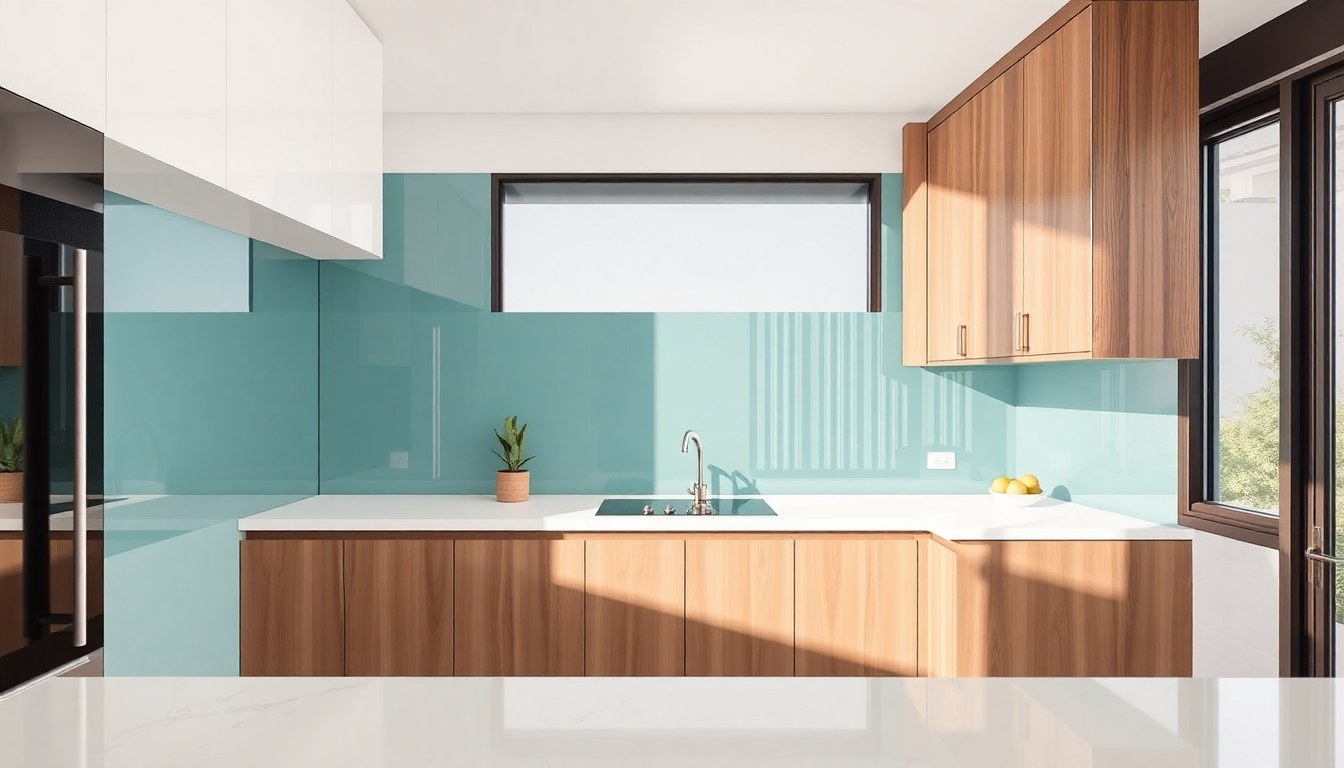
Mirror glass splashbacks have become a popular choice for modern Indian kitchens, combining aesthetic appeal with functional protection against cooking splashes and heat. Unlike traditional tile or stone backsplashes, mirrored glass creates an illusion of space, reflects natural light, and adds a contemporary touch to any kitchen design. Whether you're renovating your kitchen in Mumbai, Delhi, Bangalore, or any other city, understanding the installation process and maintenance requirements will help you make an informed decision and ensure your splashback remains beautiful for years to come.
Why Mirror Glass Works as a Kitchen Backsplash
Mirror glass splashbacks offer several advantages that make them an attractive option for kitchen design. The reflective surface instantly makes kitchens appear larger and brighter, which is especially valuable in compact Indian homes where space is at a premium. The seamless nature of glass also means no grout lines to accumulate dirt and bacteria, making it inherently more hygienic than tiled alternatives.
From a practical standpoint, mirrored glass provides excellent protection against cooking splatters, steam, and moisture. Unlike painted walls or wallpaper, glass can withstand high temperatures and humidity without warping or peeling. The non-porous surface resists staining and prevents the absorption of cooking odors, which is a significant advantage in Indian kitchens where spice-based cooking can leave lingering smells on porous materials.
Aesthetically, mirror splashbacks work with both contemporary and traditional kitchen designs. They complement stainless steel appliances, modern cabinetry, and minimalist décor while also adding elegance to more ornate kitchen styles. The reflective quality can highlight beautiful countertops or kitchen islands, making them focal points in your cooking space.
Understanding Edge Safety and Installation Considerations
Safety is a primary concern when installing mirror glass splashbacks, particularly regarding sharp edges. Modern mirrored glass splashbacks come with polished or beveled edges that are significantly safer than raw glass edges. Beveled edges not only look more refined but also reduce the risk of cuts and injuries, making them ideal for kitchens where family members, including children, move around frequently.
Edge Types and Their Benefits
- Polished Edges: Smooth and safe, these edges are rounded to eliminate sharp points. They're the most common choice for residential kitchens and offer a clean, professional appearance.
- Beveled Edges: Cut at an angle, beveled edges catch light beautifully and create a premium look. They're slightly more expensive but add significant aesthetic value.
- Seamed Edges: Where two mirror pieces meet, professional installers use specialized seaming techniques to create smooth transitions that are both safe and visually seamless.
Installation should always be performed by certified professionals who understand the weight-bearing requirements and proper adhesive application. In India, many glass suppliers and installers offer installation services as part of their package, typically costing between ₹500 to ₹1,500 per square foot depending on your location and the complexity of the design. Always verify that your installer uses tempered or safety glass, which is mandatory in kitchens for safety reasons.
Moisture Resistance and Durability
One of the most significant advantages of mirror glass splashbacks is their superior moisture resistance. Unlike wood, drywall, or natural stone, glass doesn't absorb water and won't develop mold or mildew. This makes it exceptionally durable in the humid conditions typical of Indian kitchens, especially during monsoon seasons or in coastal cities.
The backing of the mirror is where moisture management becomes critical. High-quality mirrored glass uses a protective backing layer that prevents water from seeping behind the mirror and causing corrosion or deterioration. When choosing your splashback, ensure the manufacturer uses moisture-resistant backing materials and provides a warranty against backing degradation. Reputable suppliers in India typically offer 5 to 10-year warranties on their mirror products.
To maintain moisture resistance, ensure proper installation with appropriate adhesives and sealants around the edges. A qualified installer will apply silicone sealant along the top edge where the splashback meets the wall, creating a waterproof barrier. Regular maintenance of these seals—checking them annually and reapplying as needed—will extend the life of your splashback significantly.
Cleaning Without Streaks: A Practical Maintenance Guide
Keeping mirror glass splashbacks streak-free requires the right approach and materials. The key to avoiding streaks is using the correct cleaning solution and technique, combined with proper drying methods.
Step-by-Step Cleaning Process
- Daily Wiping: After cooking, wipe down the splashback with a soft, dry cloth or paper towel to remove fresh splatters. This prevents dried residue from becoming stubborn.
- Weekly Deep Clean: Mix equal parts white vinegar and water in a spray bottle. Vinegar is excellent for cutting through grease without leaving chemical residues. Spray the solution generously on the mirror and let it sit for 2-3 minutes.
- Wipe with Microfiber Cloth: Use a high-quality microfiber cloth (not newspaper, which can leave lint) to wipe the solution in one direction. Microfiber cloths are superior to paper towels as they trap dirt particles rather than pushing them around.
- Final Dry Pass: Use a clean, dry microfiber cloth to buff the surface dry immediately. This prevents water spots and ensures a streak-free finish.
- Polish if Needed: For stubborn spots or extra shine, use a commercial glass polish designed for mirrors, following the manufacturer's instructions.
Avoid commercial window cleaners containing ammonia, as they can damage the mirror backing over time. Similarly, avoid abrasive scrubbers or rough cloths that may scratch the reflective coating. For tough, baked-on splatters, soak the area with your vinegar solution for 5-10 minutes before wiping, rather than applying force.
Cost-Effective Alternatives and Budget Considerations
While mirror glass splashbacks offer excellent value, understanding the full cost picture helps you make the best decision for your budget. In India, prices vary significantly based on location, mirror quality, and installation complexity.
Pricing Breakdown
Material Costs: Basic mirrored glass splashbacks typically cost ₹400 to ₹800 per square foot, while premium options with beveled edges or special coatings range from ₹800 to ₹1,500 per square foot. Standard kitchen splashbacks usually measure 3 to 4 feet in height and span the width of your countertop, so calculate your square footage accordingly.
Installation Costs: Professional installation adds ₹500 to ₹1,500 per square foot, depending on wall conditions, accessibility, and whether any structural preparation is needed. Some installers offer discounts for larger projects.
Cost-Effective Alternatives
- Partial Mirror Splashbacks: Instead of covering the entire wall, use mirrors for the most visible areas and combine with other materials like painted walls or tiles for less visible sections. This reduces costs while maintaining visual impact.
- Mirrored Tiles: Smaller mirrored tiles are more affordable than large mirror sheets and offer design flexibility. However, they require more maintenance due to grout lines.
- Reflective Laminates: Budget-friendly laminates with mirror finishes provide similar aesthetic benefits at 40-50% lower costs, though they're less durable than actual glass.
- DIY Installation: Experienced homeowners can save installation costs by applying peel-and-stick mirror tiles, though professional installation ensures better longevity and safety.
Consider your kitchen's layout and usage patterns when deciding on extent and style. A splashback behind the stove requires more robust materials than one behind the sink, which might justify the investment in premium mirrored glass for high-heat areas.
Professional Installation Best Practices
Hiring the right professional ensures your mirror splashback is installed safely and correctly. Look for installers who specialize in glass work and can provide references from previous kitchen projects. Many reputable glass suppliers in major Indian cities offer installation services or can recommend certified installers.
Before installation, ensure your wall is clean, dry, and level. Any irregularities should be addressed beforehand, as they'll be visible through the mirror. The installer should use high-quality silicone adhesive rated for kitchen use and apply it in a way that allows for thermal expansion and contraction. They should also ensure proper support, especially for large mirror sheets, using appropriate brackets or support systems if required.
Request a warranty document covering both the mirror material and installation workmanship. Reputable installers stand behind their work and typically offer 1-2 year warranties on installation quality.
Frequently Asked Questions
Can I install a mirror glass splashback myself?
While small peel-and-stick mirror tiles can be a DIY project, large mirror sheets require professional installation due to weight, precision alignment, and safety considerations. Improper installation can result in the mirror falling, which is dangerous and costly. If you're experienced with home improvement projects, you might attempt small tile installations, but for comprehensive splashbacks, professional installation is strongly recommended.
How long does a mirror glass splashback last?
With proper maintenance, a quality mirror glass splashback can last 10-15 years or longer. The lifespan depends on the quality of the mirror backing, installation workmanship, and how well you maintain it. Regular cleaning and prompt attention to any damage will maximize longevity.
Is mirror glass splashback suitable for all kitchen styles?
Mirror glass works well with most kitchen styles, from contemporary to traditional. However, in very rustic or heavily ornate designs, it might feel out of place. Consider your overall kitchen aesthetic and perhaps consult with a designer. You can also use partial mirrors combined with complementary materials to suit your style better.
What should I do if my mirror splashback develops spots or discoloration?
Spots or discoloration usually indicate moisture behind the mirror, which suggests a backing issue or installation problem. Contact your installer or supplier immediately. Small spots might be addressed with professional restoration, but widespread discoloration typically requires replacement. This is why choosing a reputable supplier with a good warranty is crucial.
Are there safety concerns with mirror splashbacks in kitchens with children?
Mirror glass splashbacks are safe if properly installed with polished or beveled edges and tempered glass. However, supervise young children around mirrors, as with any reflective surface. The main risk is not the mirror itself but the kitchen environment (heat, sharp objects, etc.). Ensure the installation is secure and there are no loose edges or backing issues.
Mirror glass splashbacks are an excellent investment for modern kitchens, offering beauty, durability, and easy maintenance. Whether you're planning a kitchen renovation in Delhi, Bangalore, Mumbai, or elsewhere in India, understanding these installation and maintenance tips will help you make the right choice. Explore the wide range of mirror glass suppliers and professional installers available on glassy.in, India's largest glass-business directory, to find the perfect solution for your kitchen needs.