
Mirrors
Mirror Glass Specifications for Fitness Studios: Durability & Safety Standards
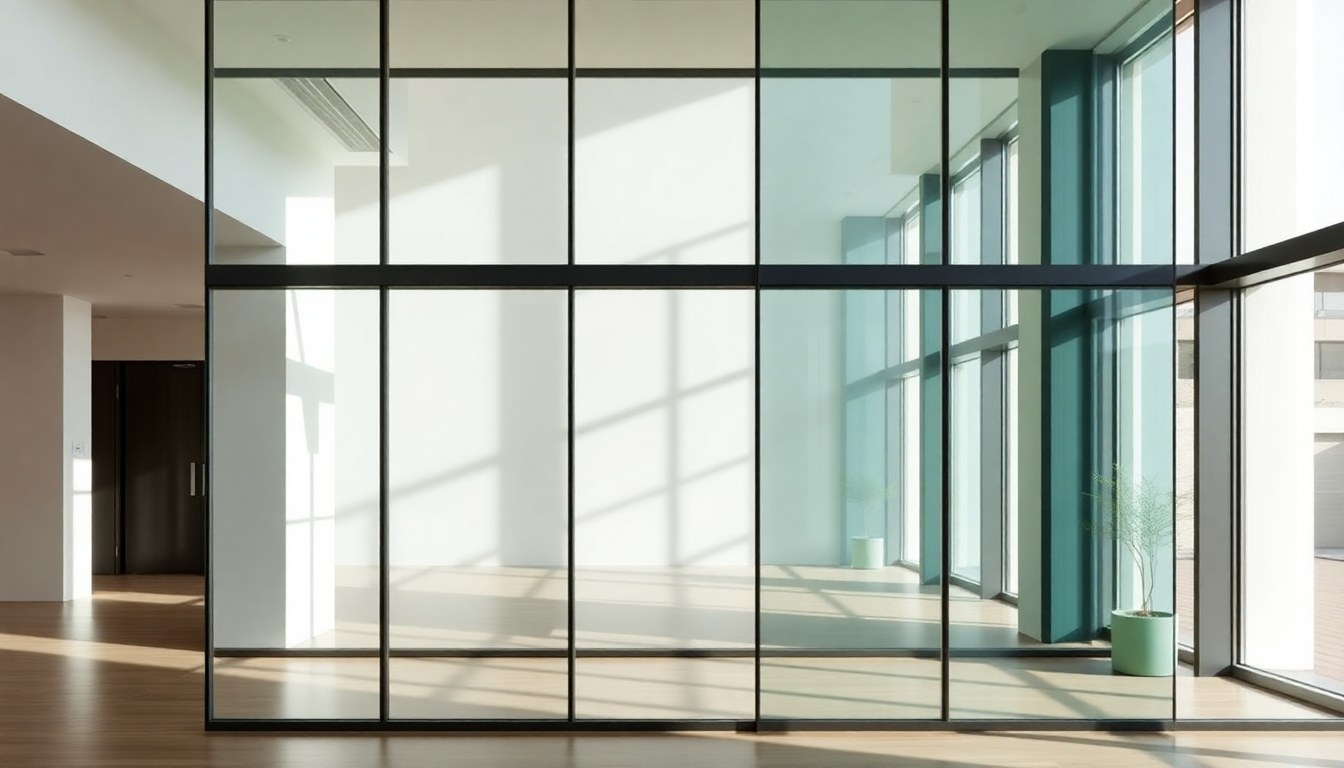
Mirrors are essential in every fitness studio, enabling members to monitor their form, posture, and technique during workouts. However, selecting the right mirror glass goes far beyond aesthetics—it directly impacts safety, longevity, and compliance with building codes. This comprehensive guide covers the critical specifications, durability standards, and safety requirements you need to know when installing mirrors in gyms and fitness studios across India.
Why Mirror Glass Quality Matters in Fitness Environments
Fitness studios present unique challenges for mirror installation. High-impact activities, temperature fluctuations, humidity, and constant vibrations from equipment create an environment far more demanding than typical office or residential spaces. Poor-quality mirror glass can develop spots, discoloration, and reflective distortion within months, while inadequate backing materials can lead to dangerous delamination.
Beyond aesthetics, substandard mirrors pose serious safety risks. Improper edge finishing can cause cuts, weak backing materials may fail under stress, and non-safety-rated glass can shatter into sharp fragments if impacted. Investing in properly specified mirror glass protects your members, reduces liability, and ensures your studio maintains a professional appearance for years.
Glass Thickness Requirements for Fitness Studios
The thickness of mirror glass directly determines its strength, stability, and resistance to breakage. For fitness studios, thickness selection depends on the mirror's dimensions, mounting height, and proximity to high-traffic or equipment areas.
Standard Thickness Specifications
- 4mm mirror glass: Suitable for small mirrors (under 1 square meter) mounted at heights above head level, away from direct impact zones. Not recommended for floor-to-ceiling installations or areas near equipment.
- 5mm mirror glass: The most common choice for fitness studios. Provides excellent strength-to-weight ratio, suitable for mirrors up to 2-3 square meters, and offers good resistance to vibration and minor impacts.
- 6mm mirror glass: Recommended for large mirrors (over 3 square meters), floor-to-ceiling installations, and areas near heavy equipment or high-traffic zones. Provides superior rigidity and impact resistance.
- 8mm or thicker: Reserved for specialized applications, such as mirrors directly behind free-weight areas or in studios with frequent high-impact activities. Rarely necessary but offers maximum durability.
For most fitness studios in India, 5mm or 6mm mirror glass represents the optimal balance between safety, cost, and performance. Consult a structural engineer or glass supplier if your studio has unusual dimensions or installation requirements.
Backing Materials and Anti-Shattering Standards
The backing material applied to mirror glass is critical for safety. It prevents glass fragments from scattering if the mirror breaks and maintains structural integrity even after impact. Never install mirrors without proper backing, regardless of glass thickness.
Types of Backing Materials
- Copper or aluminum backing: Traditional mirror backing that provides reflectivity and some structural support. Adequate for low-risk areas but offers limited safety benefits.
- Safety backing film: A transparent adhesive film applied to the rear surface that holds glass fragments together if breakage occurs. Meets Indian Standards (IS 2553) for safety mirrors and is recommended for fitness studios.
- Laminated mirror glass: Glass bonded to a plastic interlayer during manufacturing. Provides superior impact resistance and fragment containment. More expensive but ideal for high-risk areas.
- Acrylic or polycarbonate alternatives: Non-glass options that are shatter-proof. Offer excellent safety but may have lower optical clarity and require more frequent replacement due to scratching.
For fitness studios, safety backing film combined with 5-6mm mirror glass meets Indian safety standards and provides adequate protection. Laminated mirrors are worth considering for areas directly behind free-weight zones or functional training areas where impact risk is highest.
Edge Protection and Finishing Standards
Raw or poorly finished mirror edges are a common source of injuries in fitness environments. Members leaning against mirrors, moving equipment, or accidentally brushing edges can suffer cuts. Proper edge finishing is non-negotiable for safety compliance.
Edge Finishing Options
- Polished edges: Smooth, beveled edges that eliminate sharp points. Standard for most fitness studio installations and meet safety requirements.
- Seamed or wrapped edges: Edges covered with protective rubber, vinyl, or foam trim. Provides additional cushioning and is ideal for mirrors at eye level or in high-traffic areas.
- Beveled edges: Angled edges that reduce the sharpness and improve the mirror's aesthetic appeal. Recommended for visible mirrors in premium fitness studios.
Always specify polished or beveled edges when ordering mirrors. For mirrors lower than 1.2 meters from the floor or in areas where members frequently move, consider adding protective edge trim. This adds minimal cost but significantly reduces injury risk.
Installation and Mounting Standards
Even the highest-quality mirror glass can fail if improperly installed. Fitness studios experience constant vibration, temperature changes, and structural stress that demand robust mounting systems.
Key Installation Requirements
- Mounting hardware: Use stainless steel or corrosion-resistant brackets rated for the mirror's weight and size. Minimum 4 mounting points for mirrors under 2 square meters; additional points for larger installations.
- Wall preparation: Ensure walls are flat, level, and structurally sound. Uneven walls cause stress concentration and increase breakage risk. Use shims or spacers to maintain alignment.
- Adhesive backing: High-quality mirror adhesive suitable for fitness environments (resistant to humidity and temperature fluctuations). Never rely on adhesive alone—always use mechanical fasteners.
- Clearance and spacing: Maintain at least 10-15mm clearance around mirrors to allow for expansion and contraction. Mirrors touching walls or other surfaces can crack under thermal stress.
- Vibration isolation: In studios with cardio equipment or high-impact activities, consider vibration-dampening mounts to reduce stress transmission to mirrors.
Professional installation is strongly recommended. Improper mounting is a leading cause of mirror failure and safety incidents. The cost of professional installation (typically ₹500-1,500 per square meter in major Indian cities) is a worthwhile investment compared to the risks and costs of failure.
Compliance and Safety Certifications
Mirror glass for commercial fitness studios must comply with Indian safety standards and building codes. Understanding these requirements protects your studio legally and ensures member safety.
Relevant Indian Standards
- IS 2553:2008: Specification for safety mirrors. Covers mirror glass, backing, edge finishing, and testing requirements. Any mirror installed in a public fitness space should meet this standard.
- IS 2652:2007: Float glass and surface treatment. Ensures glass quality, flatness, and optical properties suitable for mirrors.
- National Building Code (NBC) 2016: Specifies safety requirements for mirrors in commercial spaces, including thickness, backing, and installation standards.
When sourcing mirrors, request certification documents confirming compliance with IS 2553. Reputable suppliers provide these certificates as standard. If a supplier cannot provide documentation, consider an alternative. The cost difference between compliant and non-compliant mirrors is minimal, but the liability implications are significant.
Cost Considerations and Budgeting
Mirror glass costs vary based on thickness, size, backing type, and location in India. Understanding pricing helps you budget effectively without compromising on safety or quality.
Typical price ranges (per square meter) in Indian markets: 5mm mirror glass with standard backing: ₹800-1,200; 6mm mirror glass with safety backing: ₹1,200-1,800; Laminated or specialty mirrors: ₹2,000-3,500. Installation costs add ₹500-1,500 per square meter depending on complexity and location. A typical 20-square-meter fitness studio mirror installation costs ₹30,000-60,000, including materials and labor.
While budget constraints are real, remember that mirror replacement is far more expensive than initial quality investment. A mirror that fails after 2-3 years costs more over time than a durable option that lasts 10+ years. Prioritize compliance and safety over minimizing upfront costs.
Maintenance and Longevity
Proper maintenance extends mirror lifespan and maintains optical clarity. Fitness studio environments—with sweat, humidity, and dust—demand regular care.
- Clean mirrors weekly with a soft cloth and appropriate glass cleaner (avoid abrasive materials that scratch the surface).
- Check mounting hardware monthly for corrosion, looseness, or damage, especially in humid climates.
- Inspect backing material annually for signs of deterioration, discoloration, or delamination.
- Address water damage or humidity issues immediately—moisture behind mirrors leads to backing failure and spotting.
- Avoid direct contact with mirrors during high-impact activities; use protective padding if necessary in high-risk areas.
With proper maintenance, quality mirror glass in fitness studios typically lasts 10-15 years before requiring replacement. This longevity justifies the initial investment in specification-compliant materials and professional installation.
Frequently Asked Questions
What thickness of mirror glass is safe for a fitness studio?
For most fitness studios, 5mm or 6mm mirror glass is the industry standard. 5mm suits mirrors up to 2-3 square meters, while 6mm is better for larger installations or high-impact areas. Always pair with safety backing film and ensure IS 2553 compliance. Consult a glass supplier if your installation has unusual dimensions or is in a high-impact zone.
Is acrylic mirror a good alternative to glass in fitness studios?
Acrylic mirrors are shatter-proof and safer if impact is a primary concern. However, they scratch easily, distort over time, and require more frequent replacement. For most fitness studios, glass with proper backing and edge protection is more cost-effective and provides superior optical clarity. Reserve acrylic for specific high-risk areas if needed.
How do I ensure my mirrors meet Indian safety standards?
Request certification documents confirming compliance with IS 2553:2008 from your supplier. Specify 5-6mm thickness, safety backing film, polished or beveled edges, and professional installation. Choose suppliers with established reputation and documented experience in fitness studio installations. Never compromise on documentation—it protects both your members and your liability.
Can mirrors be installed directly on drywall in a fitness studio?
Drywall alone is insufficient for mirror mounting in fitness studios due to vibration and structural stress. Install mirrors on solid backing (plywood or cement board) mounted to studs, using stainless steel brackets and quality adhesive. This ensures mirrors remain stable despite the constant vibration from equipment and high-impact activities.
How often should fitness studio mirrors be replaced?
Quality mirrors with proper backing and maintenance typically last 10-15 years. Replace mirrors earlier if you notice backing deterioration, discoloration, spots that won't clean, visible damage, or loose mounting hardware. Regular inspection (at least annually) helps identify issues before they become safety hazards.
Selecting the right mirror glass for your fitness studio is an investment in safety, durability, and member experience. Use this guide to specify mirrors that meet Indian safety standards, withstand the demands of a fitness environment, and provide years of reliable service. Browse the glassy.in directory to connect with certified mirror suppliers and installation professionals across India who understand fitness studio requirements and can help you make informed decisions for your facility.