
Mirrors
Mirror vs Toughened Glass for Gym Walls: Complete Comparison
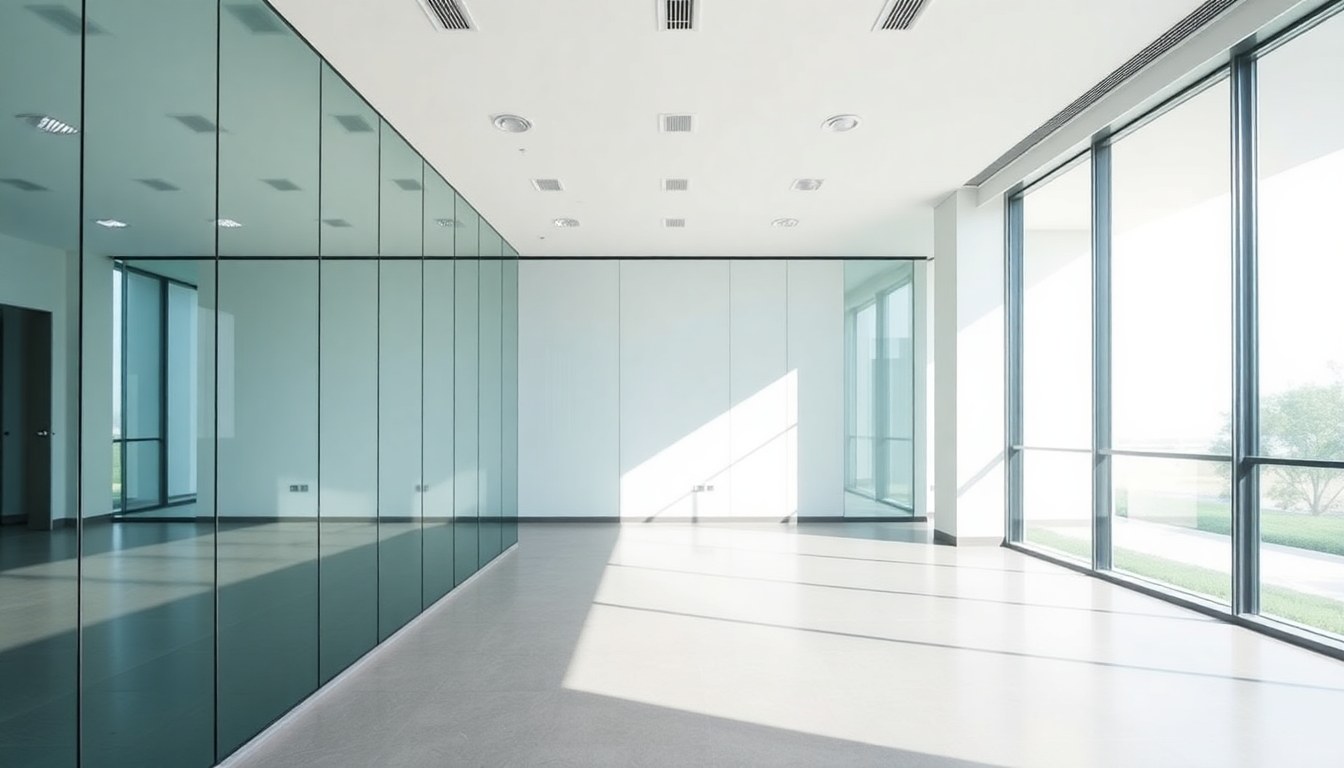
Installing mirrors in your gym is essential for form correction and creating the illusion of more space, but choosing between standard mirrors and toughened glass mirrors can significantly impact safety, longevity, and your budget. While standard mirrors are cheaper upfront, toughened glass mirrors offer superior safety and durability that may justify the higher initial investment, especially in high-traffic commercial gyms.
Understanding the Basic Differences
Standard mirrors are made from regular annealed glass with a reflective coating on one side. This glass undergoes minimal processing beyond cutting and coating, making it less expensive but also more vulnerable to breakage. When standard glass breaks, it shatters into large, sharp shards that can cause serious injuries in a gym environment where people are moving quickly and handling heavy equipment.
Toughened glass mirrors, also known as tempered glass mirrors, undergo a thermal or chemical treatment process that increases their strength by four to five times compared to standard glass. The tempering process involves heating the glass to approximately 620°C and then rapidly cooling it, creating surface compression and internal tension. When toughened glass does break, it crumbles into small, relatively harmless pebble-like pieces rather than dangerous shards.
The key distinction lies not just in strength but in failure mode. Standard mirrors create a hazard when they break, while toughened glass mirrors are designed to fail safely. This fundamental difference makes toughened glass the preferred choice for environments where safety is paramount.
Safety Considerations for Gym Environments
Gyms present unique safety challenges that make mirror selection critical. Heavy weights, resistance bands, medicine balls, and other equipment can accidentally impact mirrors. In crowded group fitness classes, people moving energetically increase the risk of accidental contact with walls. Standard mirrors in these situations become liability issues, as a single break can cause severe lacerations.
Toughened glass mirrors dramatically reduce injury risk. Even if someone falls against the mirror or drops equipment on it, the breakage pattern minimizes harm. This is particularly important in commercial gyms where owner liability is a concern. Many insurance companies actually require toughened glass installation in commercial fitness facilities, and some building codes mandate it for public spaces.
Impact Resistance Comparison
Toughened glass can withstand impacts of approximately 5 to 8 times greater force than standard mirrors of the same thickness. A 6mm toughened glass mirror can typically handle impacts that would immediately shatter a standard mirror. This resilience is crucial near free weight areas, functional training zones, and high-intensity workout spaces.
However, toughened glass has one vulnerability: edge damage. Once the edges are compromised, the entire panel can spontaneously shatter due to the internal stresses. Proper installation with appropriate edge protection and spacing from walls is essential to maintain the safety benefits.
Durability and Lifespan
Standard mirrors in gym settings typically last 5 to 10 years before requiring replacement due to edge chipping, surface scratches, or breakage from impacts. The reflective coating can also deteriorate faster in humid environments common in gyms, leading to black spots or silvering loss around the edges. Cleaning chemicals and sweat exposure accelerate this degradation.
Toughened glass mirrors generally offer a lifespan of 15 to 25 years or more when properly installed and maintained. The tempering process makes the surface more resistant to scratches and the overall structure more resistant to thermal stress from temperature fluctuations. The coating on quality toughened glass mirrors is often more robust, with better resistance to moisture and chemical exposure.
The extended lifespan of toughened glass mirrors means fewer replacements over the lifetime of your gym. When you factor in installation costs, downtime, and disposal expenses, the total cost of ownership often favors toughened glass despite the higher initial price.
Cost Analysis: Initial Investment vs Long-Term Value
Standard mirrors in India typically cost between ₹80 to ₹150 per square foot for 4-6mm thickness, including basic installation. For a typical 100 square foot gym wall mirror installation, you might spend ₹8,000 to ₹15,000. This lower upfront cost makes standard mirrors attractive for budget-conscious home gyms or temporary fitness spaces.
Toughened glass mirrors range from ₹200 to ₹400 per square foot for similar thickness, putting the same 100 square foot installation at ₹20,000 to ₹40,000. The price varies based on thickness (6mm, 8mm, or 10mm), edge finishing quality, and coating specifications. Cities like Mumbai, Delhi, and Bangalore typically see prices at the higher end due to transportation and installation costs.
Hidden Costs to Consider
- Replacement frequency: Standard mirrors may need replacement 2-3 times over a 20-year period, while toughened glass might last the entire duration
- Insurance premiums: Commercial gyms may face higher insurance costs with standard mirrors or even coverage exclusions
- Liability exposure: A single injury from broken standard glass can result in medical costs and legal fees far exceeding the price difference
- Installation downtime: Each replacement means closing sections of your gym, potentially losing revenue
For commercial gyms with high traffic, toughened glass typically proves more economical over a 10-year period. Home gyms with careful usage patterns may find standard mirrors adequate, though the safety benefits of toughened glass remain valuable regardless of setting.
Maintenance and Cleaning Requirements
Both mirror types require regular cleaning to maintain clarity and hygiene in gym environments. Standard mirrors are slightly more delicate during cleaning, as excessive pressure or abrasive materials can scratch the surface more easily. The edges are particularly vulnerable and can chip if cleaning equipment strikes them repeatedly.
Toughened glass mirrors are more forgiving during maintenance. Their harder surface resists scratching better, allowing for more vigorous cleaning when needed. This is beneficial in gyms where sweat, chalk dust, and handprints require frequent attention. However, you should still avoid abrasive cleaners and use microfiber cloths with appropriate glass cleaning solutions.
Both types benefit from the same cleaning best practices: use pH-neutral cleaners, avoid ammonia-based products that can damage reflective coatings, and clean from top to bottom to prevent streaking. In high-humidity areas, ensure proper ventilation to prevent moisture accumulation at the edges, which can cause silvering deterioration in both mirror types.
Installation Considerations
Standard mirror installation is relatively straightforward and can sometimes be handled by experienced DIY installers. The mirrors can be cut to size on-site if needed, allowing for adjustments during installation. They can be mounted using mirror adhesive, J-channels, or clip systems, providing flexibility in installation methods.
Toughened glass mirrors require professional installation because the glass cannot be cut, drilled, or modified after tempering. All sizing, edge finishing, and hole drilling for mounting must be completed before the tempering process. This means precise measurements are critical, and errors can be costly. Professional installers ensure proper spacing from walls, adequate edge protection, and secure mounting that won't create stress points.
The installation cost for toughened glass is typically ₹30 to ₹60 per square foot higher than standard mirrors due to the specialized handling requirements and heavier weight. However, this professional installation often results in better long-term performance and reduced risk of installation-related failures.
Making the Right Choice for Your Gym
For commercial gyms, CrossFit boxes, martial arts studios, and high-intensity training facilities, toughened glass mirrors are the clear recommendation. The safety benefits, liability protection, and long-term durability justify the higher cost. Areas with heavy equipment, high traffic, or energetic activities should always prioritize toughened glass.
Home gyms with controlled usage, careful owners, and primarily cardio or light weight training might function adequately with standard mirrors. However, if children use the space, if you plan to expand your equipment collection, or if resale value matters, toughened glass remains the better investment. The peace of mind alone often justifies the price difference.
Consider a hybrid approach for larger facilities: install toughened glass in high-risk areas like free weight zones and functional training spaces, while using standard mirrors in lower-risk areas like stretching zones or offices. This balances budget constraints with safety priorities.
Frequently Asked Questions
Can I replace standard gym mirrors with toughened glass mirrors later?
Yes, you can replace standard mirrors with toughened glass at any time. However, you'll need to remove the existing mirrors completely and may need to modify mounting systems since toughened glass is heavier and requires different installation methods. Plan for professional installation and precise measurements since toughened glass cannot be cut after manufacturing.
How thick should gym mirrors be for safety?
For standard mirrors, 5-6mm thickness is typical, though this still presents safety risks. For toughened glass mirrors, 6mm is the minimum recommended thickness for most gym applications, with 8mm or 10mm preferred for areas with heavy equipment or high-impact activities. Thicker glass provides better impact resistance and reduces flexing that can cause breakage.
Do toughened glass mirrors provide the same reflection quality as standard mirrors?
Yes, toughened glass mirrors provide identical reflection quality to standard mirrors when using the same coating quality. The tempering process does not affect optical clarity or reflective properties. Both types are available with standard or premium coatings, so reflection quality depends on coating choice rather than whether the glass is tempered.
What is the warranty difference between standard and toughened glass mirrors?
Standard mirrors typically come with 1-2 year warranties covering manufacturing defects but not breakage. Toughened glass mirrors often include 5-10 year warranties covering both manufacturing defects and sometimes spontaneous breakage, though impact damage from accidents is generally excluded from both types. Always verify specific warranty terms with your supplier.
Are there any disadvantages to toughened glass mirrors?
The main disadvantages are higher initial cost and the inability to modify the glass after tempering. You cannot cut, drill, or resize toughened glass, so measurements must be perfect before manufacturing. There's also a small risk of spontaneous breakage due to nickel sulfide inclusions, though this is rare with quality manufacturing. Despite these limitations, the safety benefits typically outweigh the drawbacks for gym applications.
Ready to install mirrors in your gym? Visit glassy.in to connect with verified mirror suppliers and glass professionals across India who can provide expert guidance, competitive quotes, and professional installation services for both standard and toughened glass mirrors tailored to your specific requirements.