
Mirrors
Mirror vs Toughened Glass for Gym Walls: Complete Comparison for Indian Fitness Centers
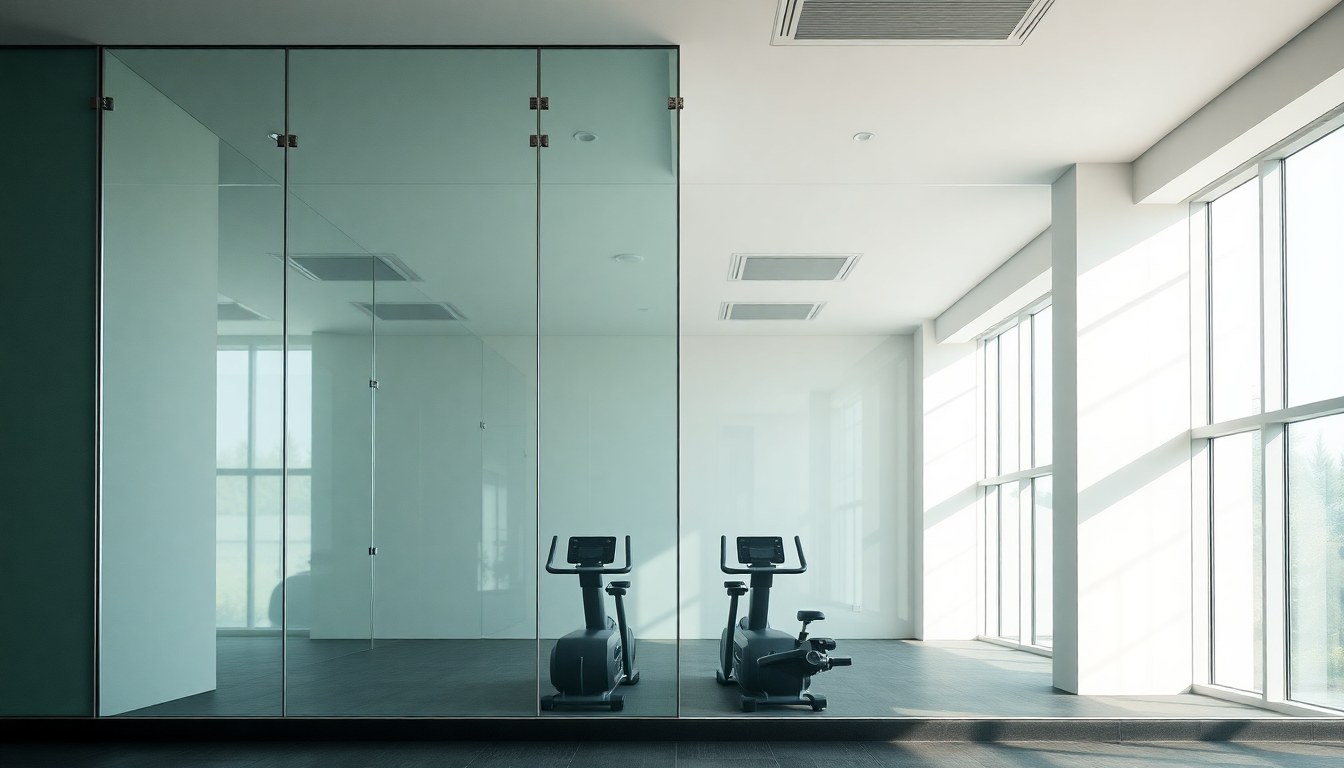
When setting up a gym or dance studio in India, one of the most critical decisions involves choosing between safety-backed mirrors and clear toughened glass for wall installations. Both options serve distinct purposes—mirrors help clients monitor form and technique, while toughened glass creates modern, transparent partitions—but they differ significantly in safety features, maintenance requirements, and cost implications. This comprehensive comparison will help fitness center owners make an informed choice based on their specific needs.
Understanding the Two Glass Types
Safety-backed mirrors designed for gyms consist of standard float glass with a reflective coating on one side and a protective backing film on the other. This backing, typically made of vinyl or polyester, holds glass fragments together if the mirror breaks, preventing dangerous shards from scattering across the gym floor. Most gym mirrors range from 4mm to 6mm in thickness, with the backing adding minimal additional weight.
Toughened glass, also known as tempered glass, undergoes a heat treatment process that makes it four to five times stronger than regular glass. When it does break, it shatters into small, relatively harmless granules instead of sharp shards. Gym installations typically use 8mm to 12mm toughened glass for partition walls, viewing panels, or decorative elements. Unlike mirrors, toughened glass is transparent and cannot have a reflective coating applied after the tempering process.
The fundamental difference lies in their primary function: mirrors are essential for form-checking during workouts, while toughened glass serves as a safety barrier, partition, or aesthetic element. Many modern fitness centers use both materials strategically throughout their facilities.
Impact Resistance and Safety Standards
Impact resistance is paramount in gym environments where free weights, barbells, and exercise equipment create constant risk of accidental collision. Toughened glass offers superior impact resistance compared to safety-backed mirrors. A 10mm toughened glass panel can withstand impacts that would shatter a standard mirror, even with backing film. However, this advantage comes with a caveat: once toughened glass reaches its breaking point, it shatters completely into small pieces.
Safety-backed mirrors, while less impact-resistant, provide a different safety advantage. The backing film keeps broken glass adhered to the surface, preventing it from falling and creating a hazard zone. This containment feature is particularly valuable in high-traffic areas where immediate cleanup might not be possible. In Indian fitness centers where multiple classes run simultaneously, this containment can prevent injuries during peak hours.
Indian Safety Standards and Certifications
The Bureau of Indian Standards (BIS) provides guidelines for both materials. IS 2835 covers safety mirrors, while IS 2553 addresses toughened glass specifications. Reputable suppliers in metros like Mumbai, Delhi, Bangalore, and Pune should provide BIS-certified products. Always verify certifications before purchase, as substandard materials pose serious liability risks for gym owners.
Cost Comparison for Indian Fitness Centers
Budget considerations significantly influence material selection for gym owners across India. Safety-backed mirrors typically cost between ₹150 to ₹350 per square foot, depending on thickness and backing quality. A standard gym wall measuring 10 feet by 8 feet would require approximately ₹12,000 to ₹28,000 for complete mirror coverage, including basic installation.
Toughened glass commands a higher price point, ranging from ₹250 to ₹600 per square foot for 10mm to 12mm thickness. The same 80 square foot wall would cost ₹20,000 to ₹48,000. This price difference reflects the more complex manufacturing process and superior strength characteristics. However, for partition walls where transparency is needed, toughened glass becomes the only viable option, making cost comparison less relevant.
Long-term Cost Considerations
Beyond initial installation, consider replacement costs. Mirrors require more frequent replacement in high-impact zones, particularly near free weight areas. Toughened glass, while more expensive initially, often proves more durable in collision-prone areas. However, when toughened glass does break, the entire panel must be replaced, whereas small mirror sections can sometimes be repaired or replaced individually.
- Mirror replacement: ₹150-₹350 per square foot plus labor
- Toughened glass replacement: ₹250-₹600 per square foot plus specialized installation
- Backing film reapplication for mirrors: ₹50-₹100 per square foot
- Edge polishing and finishing: typically ₹30-₹80 per running foot for both materials
Maintenance and Cleaning Requirements
Daily maintenance differs significantly between these materials. Mirrors require frequent cleaning to remove fingerprints, sweat marks, and dust—common in gym environments. Standard glass cleaners work well, but ammonia-free solutions are recommended to prevent backing deterioration. In humid coastal cities like Chennai, Goa, or Kochi, moisture can seep behind mirrors, causing silvering damage that appears as dark spots or streaks.
Toughened glass is generally easier to maintain. Its non-porous surface resists moisture penetration, and it can be cleaned with stronger solutions without risk of backing damage. However, clear toughened glass shows every smudge and fingerprint prominently, requiring frequent cleaning in high-touch areas. Many gym owners in India opt for frosted or acid-etched toughened glass for partitions to minimize visible marks.
Preventing Moisture Damage in Indian Climate
India's diverse climate zones present unique challenges. In humid regions, ensure mirrors have proper edge sealing to prevent moisture ingress. Adequate ventilation around mirror installations extends their lifespan significantly. Toughened glass, being non-reflective and without backing, naturally resists humidity-related degradation, making it advantageous for gyms in high-humidity areas.
Installation Complexity and Requirements
Mirror installation is relatively straightforward and can be completed by experienced glaziers available in most Indian cities. Mirrors are typically mounted using specialized adhesives, J-channels, or clip systems. The wall surface must be perfectly flat and dry, as any irregularity will create distortion in the reflection. Installation usually takes one to two days for a standard gym space.
Toughened glass installation requires more specialized expertise. Because toughened glass cannot be cut or drilled after tempering, all measurements must be precise before manufacturing. Any mounting holes, cutouts, or edge treatments must be specified upfront. This precision requirement often extends lead times to two to four weeks. Installation involves heavy-duty mounting hardware, and the glass panels are significantly heavier than mirrors of equivalent size.
- Measure the installation area with millimeter precision
- Specify all holes, cutouts, and edge finishes before ordering
- Prepare wall mounting points with appropriate load-bearing capacity
- Use professional installers experienced with heavy glass panels
- Allow for proper curing time of adhesives and sealants
Best Applications for Each Material Type
Safety-backed mirrors excel in specific gym zones. They are ideal for cardio areas, yoga and aerobics studios, dance practice rooms, and personal training zones where form-checking is essential. Position mirrors on walls parallel to workout areas rather than directly behind equipment to minimize impact risk. In Indian CrossFit boxes and functional fitness spaces, mirrors help athletes maintain proper technique during complex movements.
Toughened glass serves different purposes optimally. Use it for reception area partitions, viewing windows between studios, decorative wall panels, and protective barriers around high-impact zones. Many premium gyms in Indian metros use toughened glass to create semi-private training pods or to separate functional training areas from machine zones. The transparency maintains visual openness while providing physical separation.
Hybrid Approach for Modern Fitness Centers
The most effective gym designs combine both materials strategically. Install safety-backed mirrors where form-checking is essential and impact risk is moderate. Use toughened glass for partitions, protective barriers, and modern aesthetic elements. This hybrid approach optimizes both functionality and budget allocation. For example, a 2,000 square foot gym might use mirrors on three walls of the group exercise studio while employing toughened glass to create a transparent partition separating the weights area from the cardio zone.
Frequently Asked Questions
Which is safer for a gym: safety-backed mirrors or toughened glass?
Both materials offer safety features suited to different scenarios. Toughened glass is more impact-resistant and less likely to break, making it safer in high-collision zones. However, safety-backed mirrors contain broken glass fragments when they do shatter, preventing scatter injuries. For general gym walls where form-checking is needed, safety-backed mirrors provide adequate safety. For protective barriers or partitions near heavy equipment, toughened glass is the superior choice. Consider the specific location and use case when making your decision.
Can I install gym mirrors myself to save costs?
While technically possible, professional installation is strongly recommended for gym mirrors. Improper installation can create distortion, affect adhesive longevity, and create safety hazards. Professional glaziers ensure proper wall preparation, use appropriate adhesives for gym environments, and provide warranty coverage. The cost difference between DIY and professional installation—typically ₹30 to ₹80 per square foot—is minimal compared to the risk of improper installation. Most Indian cities have experienced mirror installers who understand local climate challenges.
How long do gym mirrors last compared to toughened glass?
With proper installation and maintenance, safety-backed gym mirrors typically last 8 to 12 years before showing signs of silvering deterioration or backing degradation. In coastal or highly humid areas, this lifespan may reduce to 5 to 8 years. Toughened glass, being more resistant to environmental factors, can last 15 to 20 years or more. However, in high-impact gym environments, physical damage rather than aging often determines replacement timing for both materials.
What thickness should I choose for gym walls?
For safety-backed mirrors, 5mm to 6mm thickness is standard for most gym applications. Thinner 4mm mirrors are acceptable for low-impact areas like yoga studios. For toughened glass, minimum 10mm thickness is recommended for partition walls, with 12mm preferred for floor-to-ceiling installations or areas near heavy equipment. The additional thickness provides better impact resistance and reduces flexing, which can be noticeable in large glass panels.
Do I need special permission to install gym mirrors in commercial spaces in India?
Most Indian municipalities do not require specific permits for interior mirror installation. However, if your gym is in a commercial complex or mall, you may need approval from the building management. Fire safety regulations may apply to large glass installations, particularly for toughened glass partitions that could impede evacuation routes. Check with your local municipal corporation and building management before beginning installation. Ensure your contractor follows BIS standards to avoid compliance issues during safety inspections.
Whether you choose safety-backed mirrors, toughened glass, or a strategic combination of both, selecting the right material for your gym walls impacts safety, functionality, and member experience. Connect with verified glass suppliers and installation professionals through the glassy.in directory to find experienced vendors in your city who understand the unique requirements of Indian fitness centers.