
Mirrors
Mirror Types for Indian Bathrooms: Complete Comparison Guide 2026
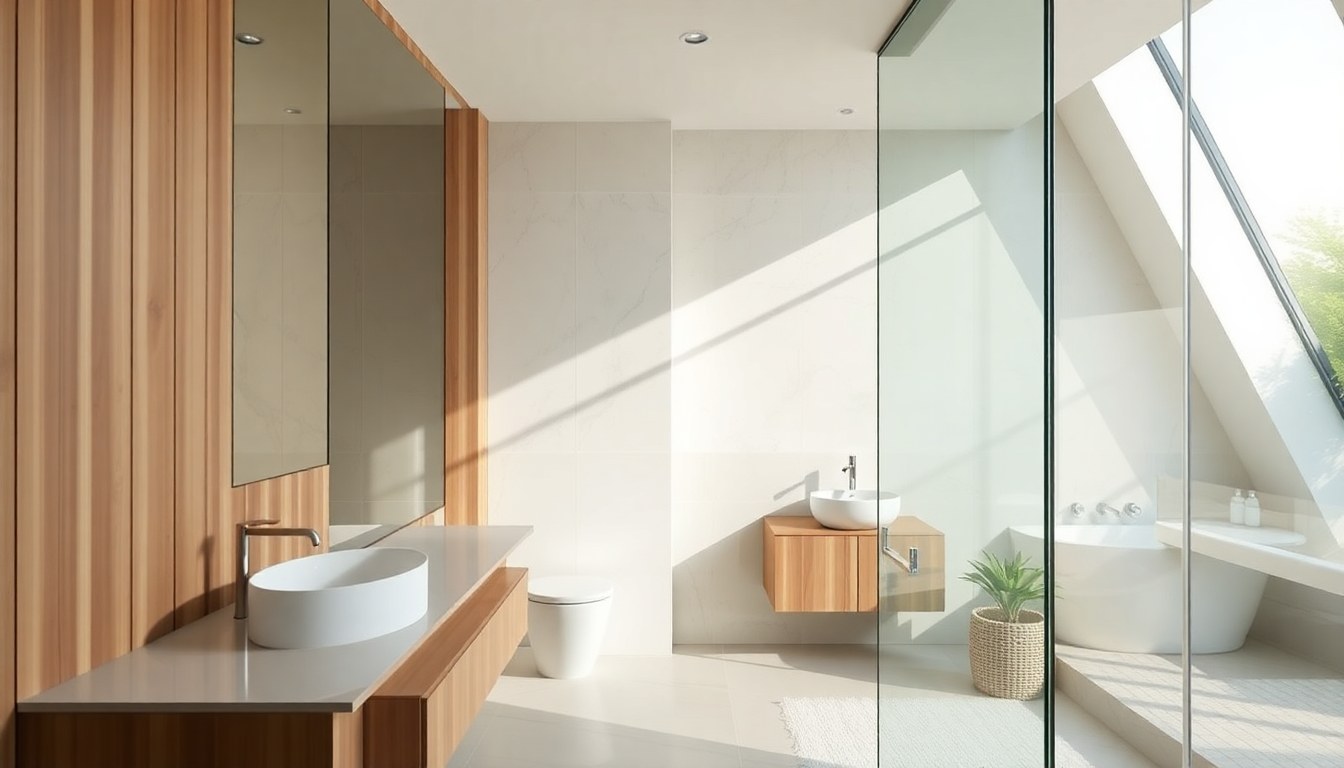
Selecting the right bathroom mirror for your Indian home involves more than just picking a reflective surface. With humidity levels reaching 80-90% during monsoons in cities like Mumbai and Kolkata, and extreme temperature variations in regions from Chennai to Delhi, your bathroom mirror must withstand unique environmental challenges while serving daily grooming needs. This comprehensive guide examines plain mirrors, LED mirrors, anti-fog mirrors, and magnifying mirrors to help you make an informed choice for your bathroom renovation or new construction project.
Plain Bathroom Mirrors: The Traditional Choice
Plain bathroom mirrors remain the most popular choice in Indian households, accounting for the majority of bathroom mirror installations. These mirrors consist of a glass sheet with a reflective coating on the back, typically protected by a layer of paint or copper. Their simplicity translates to affordability and versatility in design.
The primary advantage of plain mirrors lies in their cost-effectiveness and wide availability. You can find quality plain bathroom mirrors starting from ₹800 for a basic 18x24 inch piece, with premium options featuring beveled edges or designer frames ranging up to ₹5,000. Installation is straightforward, requiring only basic mounting hardware and adhesive suitable for bathroom conditions.
Moisture Resistance Considerations
Standard plain mirrors face significant challenges in Indian bathrooms due to high humidity. Without proper backing protection, moisture can penetrate the edges and cause silvering deterioration—the black spots that appear around mirror edges. To combat this, look for mirrors with copper-free backing or those specifically treated with moisture-resistant coatings. Applying a silicone sealant around the edges after installation adds an extra layer of protection, particularly important in coastal cities.
Best Applications for Plain Mirrors
Plain mirrors work best in well-ventilated bathrooms with exhaust fans or windows that reduce moisture accumulation. They're ideal for guest bathrooms with lower usage or in drier climates like Pune or Bangalore where humidity is less aggressive. For budget-conscious renovations or rental properties, plain mirrors offer the best value proposition without compromising basic functionality.
LED Bathroom Mirrors: Modern Functionality Meets Style
LED mirrors have transformed from luxury items to increasingly accessible bathroom fixtures in Indian markets. These mirrors integrate LED lighting strips either around the perimeter or behind the mirror surface, providing illumination that eliminates shadows during grooming tasks. The technology has evolved significantly, with many models now featuring touch controls, dimming capabilities, and color temperature adjustment.
Pricing for LED mirrors in India varies considerably based on features and size. Basic LED-framed mirrors start around ₹3,500 for a 24x18 inch piece, while premium backlit models with smart features can exceed ₹25,000. Mid-range options with good build quality and standard features typically fall between ₹8,000 and ₹15,000, offering excellent value for most homeowners.
Energy Efficiency and Electrical Considerations
Modern LED mirrors consume minimal electricity, typically between 8 to 20 watts depending on size and brightness. This translates to negligible impact on your monthly electricity bill—even with daily use of two hours, a 15-watt LED mirror costs less than ₹15 per month at average Indian electricity rates. However, installation requires proper electrical wiring and should be handled by qualified electricians to ensure safety in the moisture-rich bathroom environment. Always verify that the LED mirror has an IP44 rating or higher for bathroom use.
Durability in Indian Conditions
Quality LED mirrors with proper sealing perform well in Indian bathrooms. The LED strips themselves are relatively moisture-resistant when properly encased, and many manufacturers now use moisture-proof drivers specifically designed for bathroom applications. Look for brands offering at least a two-year warranty on electrical components. The mirror glass itself should have the same moisture-resistant backing as plain mirrors to prevent silvering issues.
Anti-Fog Bathroom Mirrors: Clear Vision in Humid Conditions
Anti-fog mirrors address one of the most frustrating aspects of bathroom mirrors in India—the condensation that forms immediately after a hot shower. These mirrors incorporate heating elements or special coatings that prevent water vapor from condensing on the surface, maintaining clear visibility even in steamy conditions.
Two primary technologies dominate the anti-fog mirror market. Heated anti-fog mirrors use thin electrical heating pads attached to the back of the mirror that warm the glass surface slightly above ambient temperature, preventing condensation. Coating-based anti-fog mirrors use hydrophilic or hydrophobic treatments that either spread water into an invisible film or repel it entirely. Heated versions are more reliable but require electrical installation, while coating-based options need no power but may require periodic reapplication or replacement.
Pricing and Installation Requirements
Anti-fog mirrors represent a mid-to-premium investment. Coating-treated mirrors without electrical components start around ₹4,000 for standard sizes, while heated anti-fog mirrors begin at approximately ₹6,500 and can reach ₹30,000 for large, feature-rich models that combine LED lighting with anti-fog heating. Installation of heated models requires electrical connection similar to LED mirrors, adding ₹1,500 to ₹3,000 to overall costs depending on your bathroom's existing wiring.
Performance in Indian Bathrooms
Anti-fog mirrors prove particularly valuable in Indian bathrooms lacking adequate ventilation. In apartments with attached bathrooms and no windows—common in cities like Mumbai and Bangalore—these mirrors maintain usability immediately after showers without the waiting period required for standard mirrors to clear. The heating elements typically consume 30-50 watts when active, and most models include timers or automatic shut-off to prevent continuous operation. For households with multiple family members using the bathroom in succession during morning hours, the time-saving convenience justifies the additional investment.
Magnifying Mirrors: Precision for Grooming Tasks
Magnifying mirrors serve specialized grooming needs, offering magnification levels typically ranging from 3x to 10x. These mirrors are essential for tasks requiring precision—applying makeup, shaving, tweezing, or skincare routines. While not typically used as primary bathroom mirrors, they complement the main mirror as secondary fixtures.
Wall-mounted magnifying mirrors with extendable arms offer the most versatility, allowing users to position the mirror at optimal distances and angles. Freestanding countertop models provide portability but consume valuable bathroom counter space. Many modern magnifying mirrors incorporate LED lighting around the perimeter, ensuring adequate illumination for detailed work. Dual-sided designs featuring both magnified and regular reflection on opposite faces maximize functionality.
Choosing the Right Magnification Level
The appropriate magnification depends on intended use and individual eyesight. A 5x magnification works well for general grooming and makeup application, providing sufficient detail without excessive distortion. Higher magnifications like 7x or 10x suit specific tasks such as contact lens insertion or detailed skincare examination but can be disorienting for general use. Consider starting with a 5x mirror and adding higher magnification only if specific needs warrant it.
Installation and Pricing in India
Basic wall-mounted magnifying mirrors without lighting start around ₹1,200, while premium models with LED illumination, chrome or brass finishes, and quality extension arms range from ₹3,500 to ₹12,000. Installation of wall-mounted versions requires drilling and secure mounting to ensure stability when extended. Countertop models need no installation but should have weighted bases to prevent tipping. For bathrooms with limited wall space, consider combination mirrors that integrate a small magnifying section within a larger plain or LED mirror.
Making the Right Choice for Your Indian Bathroom
Your ideal bathroom mirror depends on multiple factors including budget, bathroom size, ventilation, climate, and personal grooming requirements. For most Indian bathrooms, a combination approach works best—a primary mirror addressing your main needs supplemented by specialized options for specific tasks.
Budget-conscious homeowners in well-ventilated spaces can achieve excellent results with quality plain mirrors, investing in proper moisture-resistant backing and edge sealing. Those prioritizing convenience and modern aesthetics should consider LED mirrors, which provide both functional lighting and contemporary style. Bathrooms with poor ventilation or in high-humidity regions benefit significantly from anti-fog technology, either standalone or combined with LED features. Magnifying mirrors serve as valuable additions for anyone requiring precision in grooming tasks.
Climate-Specific Recommendations
Coastal cities like Mumbai, Chennai, and Goa demand the highest moisture resistance. Prioritize copper-free backing, comprehensive edge sealing, and consider anti-fog features as essential rather than luxury. In drier inland cities like Pune, Hyderabad, or Delhi, standard moisture-resistant plain mirrors perform adequately with proper ventilation. Northern regions with temperature extremes should ensure mirror adhesives and mounting hardware can withstand expansion and contraction cycles.
Installation Best Practices
Regardless of mirror type, proper installation ensures longevity in Indian bathroom conditions. Leave a gap of at least 4-6 inches between the mirror bottom edge and water sources like sinks or countertops to minimize direct water exposure. Use stainless steel or brass mounting hardware that resists corrosion. Apply silicone sealant around all edges, ensuring no gaps where moisture can penetrate. For electrical mirrors, ensure all connections are properly insulated and positioned away from direct water spray zones. Always hire qualified professionals for electrical installations to maintain safety and warranty coverage.
Frequently Asked Questions
Which mirror type lasts longest in humid Indian bathrooms?
Anti-fog mirrors with heated elements and copper-free backing typically offer the longest lifespan in humid conditions, as the heating element keeps moisture away from the reflective coating. However, a quality plain mirror with proper copper-free backing and comprehensive edge sealing can last 10-15 years with minimal maintenance. The key factors are moisture-resistant backing material and proper installation with complete edge sealing, regardless of mirror type.
Are LED bathroom mirrors safe for Indian bathrooms with frequent power fluctuations?
Quality LED mirrors designed for the Indian market include voltage stabilization circuits that handle typical power fluctuations. Look for mirrors with wide input voltage ranges (100-240V) and built-in surge protection. Reputable manufacturers test their products for Indian electrical conditions. Additionally, installing a voltage stabilizer for your bathroom circuit provides extra protection for all electrical fixtures. Always purchase LED mirrors with proper certifications and warranties covering electrical components.
How much does professional installation cost for different mirror types in Indian cities?
Plain mirror installation typically costs ₹500-₹1,500 depending on size and mounting complexity. LED and anti-fog mirrors requiring electrical work cost ₹2,000-₹4,000 for installation, including wiring and connection work. Wall-mounted magnifying mirrors with extension arms cost ₹800-₹1,500 to install. Prices vary by city, with metro areas like Mumbai and Delhi at the higher end. Always obtain quotes from multiple installers and verify their experience with bathroom fixtures before proceeding.
Can I install anti-fog coating on my existing bathroom mirror?
Yes, aftermarket anti-fog treatments are available in India, ranging from spray-on coatings (₹300-₹800) to stick-on film sheets (₹500-₹1,200). However, these solutions require regular reapplication every few months and don't match the performance of built-in heated anti-fog systems. For permanent solutions, heated anti-fog pads can be retrofitted to existing mirrors by professionals, costing ₹3,000-₹6,000 including installation. This option works well if you're satisfied with your current mirror but want anti-fog functionality.
What size bathroom mirror is ideal for standard Indian bathrooms?
For typical Indian bathrooms measuring 5x7 feet to 8x10 feet, mirrors measuring 24x36 inches to 30x40 inches provide optimal functionality without overwhelming the space. The mirror should span approximately 70-80% of the vanity width beneath it for visual balance. In compact bathrooms common in urban apartments, a 18x24 inch mirror suffices for single-user spaces. Master bathrooms can accommodate larger mirrors up to 48x36 inches or dual mirror configurations for double vanities. Always maintain at least 4-6 inches clearance from countertops and ensure the mirror height allows all household members comfortable viewing.
Ready to source quality bathroom mirrors for your project? Visit glassy.in, India's most comprehensive glass and mirror business directory, to connect with verified manufacturers, suppliers, and installers across the country. Compare options, read reviews, and find the perfect mirror solution for your Indian bathroom today.