
Mirrors
Mirror Placement Strategy for Small Rooms: Maximizing Space Perception
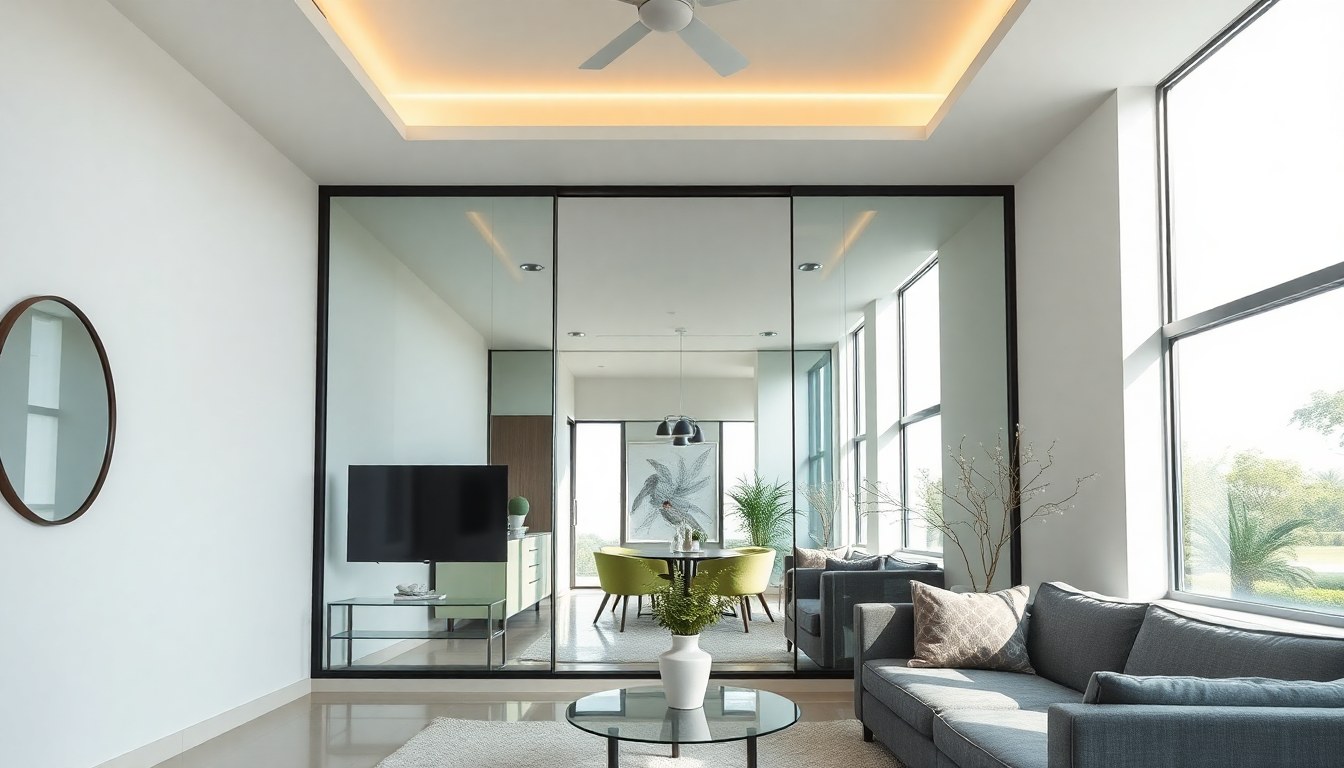
In compact Bangalore and Delhi apartments, every square foot counts. Strategic mirror placement is one of the most cost-effective ways to amplify natural light, create depth, and make small bedrooms and living rooms feel significantly larger. The right mirror in the right position doesn't just decorate—it fundamentally transforms how a room feels and functions.
Why Mirrors Work for Small Spaces
Mirrors reflect light and create visual continuity, tricking the eye into perceiving more space than actually exists. When positioned correctly, they bounce natural sunlight deeper into a room, reducing the need for artificial lighting and improving the overall ambiance. This is especially valuable in Indian homes where natural light often comes from limited windows.
Beyond functionality, mirrors add sophistication and style. A well-placed mirror with the right frame complements your décor while serving a practical purpose. For renters in shared apartments or those hesitant about permanent installations, mirrors offer flexibility—you can reposition them as your needs change.
Strategic Mirror Placement for Small Bedrooms
Bedroom mirrors require careful placement to maximize their benefit without creating awkward reflections or disrupting sleep. The goal is to expand perceived space while maintaining comfort and privacy.
Opposite or Adjacent to Windows
Position a large mirror directly opposite a window to reflect natural light across the entire room. This doubles the visual impact of daylight and makes the space feel brighter and airier. If a window-facing wall isn't available, place the mirror on a wall perpendicular to the window. Angle it slightly to catch and redirect light effectively.
Above Bedroom Furniture
Install a mirror above the headboard or dresser to create the illusion of additional wall space. A horizontal rectangular mirror works well above a bed, while vertical mirrors suit dresser areas. Ensure the mirror doesn't directly reflect your sleeping position—many people find this unsettling at night.
Corner Placement
Mirrors in corners are underutilized assets in small bedrooms. A tall corner mirror reflects both walls, creating a sense of expanded floor area. This works especially well in rooms with awkward layouts where wall space is limited.
Optimizing Mirror Placement in Small Living Rooms
Living rooms are social spaces where mirrors should enhance comfort without overwhelming the environment. Strategic placement creates depth and makes the room feel welcoming.
Opposite the Main Light Source
Place mirrors across from windows or glass doors to maximize natural light reflection. In living rooms with multiple seating areas, this approach ensures light reaches every corner. During evening hours, position mirrors to reflect artificial lighting from lamps and ceiling fixtures.
Along Feature Walls
A large mirror or gallery of smaller mirrors on a feature wall draws the eye and creates a focal point that makes the space feel larger. This works particularly well above a sofa or accent wall. Ensure the mirror's frame complements your existing décor—wood frames suit traditional interiors, while metal or frameless mirrors suit modern designs.
Flanking Doorways and Entryways
Mirrors on either side of a doorway create symmetry and make the transition between rooms feel more spacious. This technique is especially effective in narrow hallways leading to living areas, as it breaks up the linear perspective.
Frame Selection and Backing Options
The frame and backing of your mirror significantly impact both aesthetics and longevity. In humid Indian climates, especially in coastal areas, proper backing prevents moisture damage and extends mirror life.
Frame Materials for Indian Homes
- Wood frames: Warm, versatile, and suit most décor styles. Choose moisture-resistant woods like teak or engineered wood for durability in humid climates.
- Metal frames: Aluminum and stainless steel frames resist corrosion and work well in modern or minimalist interiors. They're ideal for bathrooms and kitchens where humidity is high.
- Frameless mirrors: Contemporary and space-efficient, though they require careful installation to prevent edge chips.
- Decorative frames: Ornate frames suit traditional Indian interiors but can make small rooms feel cluttered—use sparingly.
Backing Types for Longevity
Mirror backing prevents moisture from seeping behind the reflective layer, which causes discoloration and deterioration. In India's varied climate, quality backing is essential. Aluminum backing is superior to traditional paper backing, offering better moisture resistance. Copper backing is premium but more expensive. For small bedroom and living room mirrors, aluminum-backed mirrors are a reliable, cost-effective choice.
Size Considerations
In small rooms, one large mirror often works better than multiple small ones. A single 4x6 feet mirror creates more impact than three smaller mirrors scattered across walls. However, in very compact spaces (under 100 sq. ft.), two medium mirrors positioned strategically can be more effective than one oversized mirror that dominates the room.
Installation Tips and Safety
Proper installation ensures your mirror stays secure and performs its space-expanding function effectively. Mirrors are heavy, and incorrect mounting can damage walls or create safety hazards.
- Use appropriate hardware: Heavy mirrors require heavy-duty wall anchors or mounting brackets. Standard picture hooks won't suffice for mirrors weighing over 5 kg.
- Check wall composition: Concrete, brick, and drywall require different installation methods. Consult a local installer if unsure.
- Secure at correct height: Position mirrors at eye level (typically 60-65 inches from the floor) for optimal viewing and to prevent accidents.
- Avoid direct sunlight: Prolonged exposure to direct sunlight can damage mirror backing. Position mirrors to reflect light but not receive it directly for extended periods.
- Ensure stability: Floor-standing mirrors must be weighted at the base or secured to walls to prevent tipping, especially in homes with children or pets.
Mirror Placement for Different Room Layouts
Room shape and furniture arrangement influence optimal mirror placement. Tailor your strategy to your specific space.
Narrow Rectangular Rooms
In long, narrow bedrooms or living rooms common in Indian apartment complexes, place mirrors on the shorter walls to break the linear perspective. This widens the visual perception of the room. Avoid mirrors on the long walls, as they can intensify the tunnel-like feeling.
L-Shaped Rooms
Position mirrors at the corner bend to create continuity and make the space feel unified. This works well in open-plan living-dining areas where you want to blur boundaries between zones.
Rooms with Low Ceilings
Vertical mirrors draw the eye upward, creating the illusion of height. Position tall, narrow mirrors on walls to elongate the space visually. Avoid horizontal mirrors in low-ceiling rooms, as they emphasize the ceiling's proximity.
Budget-Friendly Mirror Solutions for Indian Apartments
Quality mirrors don't require excessive spending. In India, you'll find excellent options across all price ranges.
- Budget mirrors (₹1,500–₹5,000): Basic aluminum-framed mirrors suitable for bedrooms. Quality is acceptable for residential use.
- Mid-range mirrors (₹5,000–₹15,000): Better backing, diverse frame options, and larger sizes. Ideal for most small apartments.
- Premium mirrors (₹15,000+): High-quality backing, designer frames, and custom sizes. Worth the investment for long-term durability.
For renters, adhesive-backed mirrors or lightweight acrylic mirrors (₹2,000–₹4,000) offer temporary solutions without wall damage. While less reflective than glass, they work adequately for space-expanding purposes.
Common Mistakes to Avoid
Even well-intentioned mirror placement can backfire without careful consideration.
- Reflecting clutter: Mirrors amplify visual chaos. Ensure the wall behind or opposite the mirror is clean and organized.
- Too many mirrors: Multiple mirrors create confusion and can feel disorienting. Limit to one or two strategic placements per room.
- Poor frame-décor matching: A mirror frame that clashes with your interior design disrupts the cohesive feel you're trying to achieve.
- Ignoring natural traffic patterns: Don't place mirrors where they create unexpected reflections or startle people walking through the room.
- Neglecting maintenance: Dusty or streaky mirrors lose their effectiveness. Clean mirrors weekly with appropriate glass cleaner.
Frequently Asked Questions
Can I use mirrors in small bathrooms to make them look bigger?
Absolutely. Bathrooms benefit greatly from mirror placement. Position a large mirror above the sink opposite any window to reflect light. For shower areas, consider moisture-resistant mirrors with aluminum backing. Avoid mirrors directly above toilets—this is considered inauspicious in Indian homes and creates awkward reflections.
What's the best mirror size for a small bedroom?
For bedrooms under 150 sq. ft., a single mirror measuring 3x5 feet or 4x6 feet is ideal. This provides significant light reflection without overwhelming the space. If your bedroom is smaller (under 100 sq. ft.), a 2x4 feet mirror positioned opposite a window works well.
Should I use mirrored walls in small rooms?
Full mirrored walls can feel overwhelming and disorienting in small spaces. Instead, use partial mirroring—cover one section of a wall or use panels. This achieves the space-expanding effect without the claustrophobic feeling that sometimes accompanies full mirroring.
How do I prevent moisture damage to mirrors in humid climates?
Choose mirrors with aluminum or copper backing, which resist moisture better than paper backing. Ensure proper ventilation in the room, especially in bedrooms with attached bathrooms. Wipe mirrors dry after humid periods, and avoid placing mirrors directly above water sources. In coastal areas like Mumbai or Kochi, spend extra on quality backing—it's worth the investment.
Can I hang mirrors on rented apartment walls?
Yes, with precautions. Use damage-free adhesive strips rated for your mirror's weight, or command hooks. These leave no permanent marks when removed. For heavier mirrors, discuss with your landlord before installation. Alternatively, use lightweight acrylic mirrors or freestanding mirrors that require no wall mounting.
Transform Your Small Space Today
Strategic mirror placement is a simple yet powerful way to enhance small bedrooms and living rooms. Whether you're in a compact Bangalore apartment or a Delhi flat, the right mirror positioned thoughtfully can dramatically improve light, depth, and overall perception of space. Explore the glassy.in directory to connect with local mirror suppliers, installers, and glass specialists who understand your region's climate and architectural needs. Quality mirrors backed by professional installation ensure your investment delivers lasting results.