
Mirrors
Mirror Glass for Bedroom Wardrobes: Reflectivity & Durability Grades
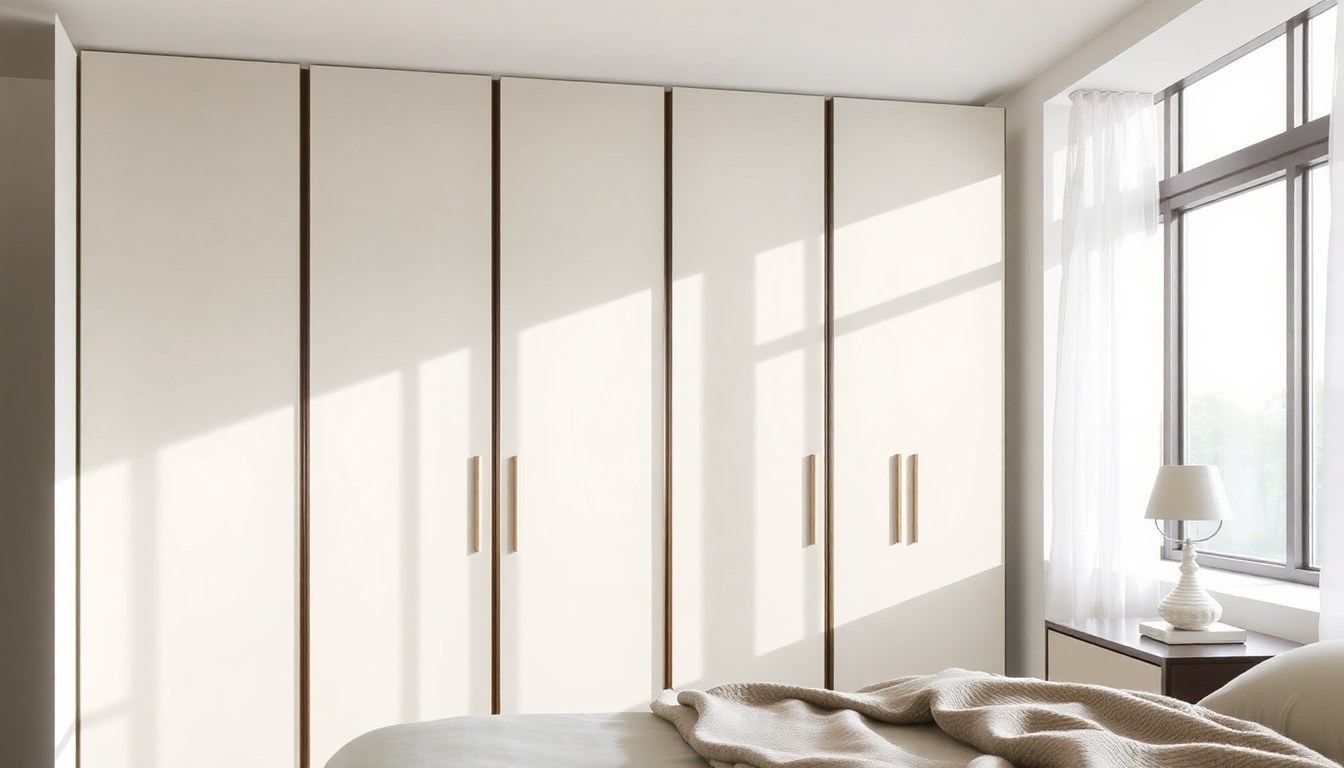
A bedroom wardrobe mirror isn't just a functional piece—it's a daily-use fixture that needs to deliver crystal-clear reflections for years. The quality of your mirror depends on three critical factors: the silver-coating grade, the backing material, and the protective treatments applied. Understanding these elements helps you invest in a mirror that won't fade, tarnish, or lose its reflective power within a few seasons.
Understanding Mirror Glass Reflectivity Grades
Mirror reflectivity is measured as a percentage—how much light bounces back to your eye. Standard mirrors typically offer 90–95% reflectivity, while premium-grade mirrors can reach 98–99%. The difference might sound small, but it directly impacts the clarity and brightness of your reflection. A 90% mirror may appear slightly dimmer or have a faint greenish tint, especially under artificial light, while a 98% mirror delivers a vivid, true-to-life image.
Reflectivity grades are determined by the quality of the silver coating applied to the glass back. The silver layer must be uniform, free from pinholes, and applied at the correct thickness (typically 0.1 to 0.15 microns). Indian manufacturers like those in Firozabad and Jaipur produce mirrors across all these grades, with prices ranging from ₹500–₹2,500 per square meter depending on the reflectivity level and backing quality.
Silver-Coated vs. Aluminum-Coated Mirrors
Silver-coated mirrors are the industry standard for bedroom wardrobes because they offer superior reflectivity (95–99%) and a neutral, true-color reflection. Aluminum-coated mirrors, by contrast, provide 85–90% reflectivity and a slightly cooler, bluer tone. While aluminum is more corrosion-resistant in humid environments, it sacrifices the optical quality that makes silver the preferred choice for wardrobe mirrors.
For bedroom use, silver-coated mirrors with proper backing and anti-corrosion treatments outperform aluminum alternatives. The key is ensuring the silver layer is protected by robust backing and sealing systems.
Backing Materials and Their Role in Durability
The backing of a mirror—the layer applied to the silver coating—is what keeps moisture, dust, and oxygen away from the reflective surface. Without adequate backing, your mirror will develop black spots, edge deterioration, and eventual loss of reflectivity within 2–5 years. Three main backing options exist in the Indian market:
- Paint backing: A traditional, budget-friendly option using epoxy or polyurethane paint. Cost-effective but offers limited moisture protection. Suitable for dry, air-conditioned bedrooms. Price: ₹400–₹800 per sq. m.
- Copper backing: A thin copper layer applied before paint, which adds a barrier against corrosion. Copper's antimicrobial properties also help prevent fungal growth. Mid-range option. Price: ₹800–₹1,500 per sq. m.
- Bituminous backing: A thick, tar-based layer that provides excellent moisture resistance. Best for humid climates and high-use areas. Premium option. Price: ₹1,200–₹2,000 per sq. m.
In Indian bedrooms—especially in coastal cities like Mumbai, Chennai, or Kolkata—bituminous or copper-backed mirrors are recommended. In drier regions like Delhi or Jaipur, paint-backed mirrors with proper sealing are adequate.
Edge Sealing and Moisture Protection
The edges of a mirror are its most vulnerable points. When moisture penetrates the edges, it travels behind the backing and corrodes the silver layer. High-quality mirrors feature sealed or beveled edges with additional protective coatings. Some premium mirrors also have edge paint or UV-resistant sealants applied around the perimeter to prevent water ingress.
Anti-Corrosion Treatments and Protective Coatings
Beyond backing, modern mirrors receive additional protective treatments to extend their lifespan. These treatments are especially important for bedroom wardrobes, which experience daily moisture from showers, humidity, and condensation.
Common Anti-Corrosion Treatments
- Lacquer coating: A clear, hard finish applied over the backing to seal out moisture. Adds ₹150–₹300 per sq. m. to the cost.
- UV-protective coating: Prevents discoloration and fading caused by sunlight. Recommended if your wardrobe is near a window. Adds ₹200–₹400 per sq. m.
- Anti-fungal treatment: Chemical treatments that inhibit mold and mildew growth on the backing. Adds ₹100–₹250 per sq. m. Highly recommended for bathrooms or humid bedrooms.
- Silicone edge sealing: Applied to the edges and corners to prevent water seepage. Adds ₹50–₹150 per sq. m.
A premium wardrobe mirror in India typically combines bituminous backing with lacquer coating and silicone edge sealing, costing ₹1,500–₹2,500 per square meter. This investment pays off through 10–15 years of reliable use without deterioration.
Choosing the Right Grade for Your Bedroom
The ideal mirror grade depends on your bedroom's climate, humidity levels, and usage intensity. Here's a practical guide:
For Dry, Air-Conditioned Bedrooms
A standard-grade mirror (92–95% reflectivity) with paint backing and basic edge sealing is sufficient. These mirrors cost ₹500–₹1,000 per sq. m. and will last 8–10 years with minimal maintenance. Ensure the bedroom has good ventilation and low humidity (below 50%).
For Humid or Coastal Bedrooms
Invest in a premium-grade mirror (97–99% reflectivity) with bituminous backing, copper layer, lacquer coating, and anti-fungal treatment. Cost: ₹1,800–₹2,500 per sq. m. This combination provides 12–15 years of durability even in high-humidity environments like Mumbai or Goa.
For Bathrooms Attached to Bedrooms
If your wardrobe mirror is in a bedroom with an attached bathroom, treat it like a bathroom mirror. Use premium-grade mirrors with bituminous backing, silicone edge sealing, and anti-fungal coating. Budget ₹2,000–₹2,800 per sq. m.
Installation and Maintenance Tips
Even the best mirror requires proper installation to perform well. Ensure your wardrobe frame allows for adequate air circulation behind the mirror. Avoid direct contact between the mirror back and wooden frames—use rubber spacers or backing strips to create a small gap. This prevents moisture accumulation and extends the mirror's life significantly.
Regular maintenance is simple: wipe the reflective surface with a soft, dry cloth or a microfiber cloth dampened with distilled water. Avoid abrasive cleaners or excessive moisture on the back. In humid climates, ensure your bedroom has a dehumidifier or exhaust fan running regularly to keep humidity below 60%. These steps, combined with a quality mirror, ensure your wardrobe reflection stays pristine for years.
Frequently Asked Questions
What is the difference between 95% and 99% reflectivity mirrors?
A 99% reflectivity mirror reflects nearly all light back to you, creating a bright, vivid, true-to-life reflection with no color distortion. A 95% mirror absorbs slightly more light, which may appear dimmer or have a faint greenish or bluish tint under certain lighting. For bedroom wardrobes where you're checking your appearance, the 99% option provides noticeably better clarity. The price difference is usually ₹300–₹500 per sq. m., making it a worthwhile upgrade for daily-use mirrors.
How long do wardrobe mirrors typically last?
Standard mirrors with paint backing last 5–8 years in dry conditions, while premium mirrors with bituminous backing and protective coatings last 12–15 years or longer. Lifespan depends heavily on climate humidity, ventilation, and maintenance. In humid Indian cities, investing in premium grades ensures your mirror won't develop black spots or edge corrosion within 5–7 years.
Is copper-backed mirror better than paint-backed for bedroom use?
Copper backing offers better corrosion resistance than paint alone, especially in humid environments. However, bituminous backing with copper and lacquer coating is superior to copper backing alone. For dry bedrooms, paint backing is adequate and cost-effective. For humid or coastal areas, copper or bituminous backing is recommended. Check your bedroom's humidity levels and climate before deciding.
Can I install a bathroom-grade mirror in my bedroom wardrobe?
Yes, bathroom-grade mirrors (premium quality with bituminous backing and anti-fungal treatment) can be installed in bedroom wardrobes and will last longer than standard grades. However, they're more expensive (₹2,000–₹2,800 per sq. m.) and unnecessary unless your bedroom is very humid or poorly ventilated. Reserve bathroom-grade mirrors for actual bathrooms or bedrooms with attached baths.
What should I do if my mirror develops black spots?
Black spots indicate moisture has penetrated the backing and corroded the silver layer. Unfortunately, this damage cannot be repaired—the mirror must be replaced. To prevent this, ensure proper edge sealing during installation, maintain humidity below 60%, and use spacers between the mirror and wooden frame to allow air circulation. Regular maintenance prevents premature deterioration.
Choosing the right mirror glass for your bedroom wardrobe is an investment in quality and longevity. Explore India's largest glass-business directory on glassy.in to connect with trusted mirror manufacturers and suppliers who can guide you toward the perfect grade for your home's climate and needs.