
Mirrors
Mirror Glass for Retail & Salons: Durability & Installation Tips
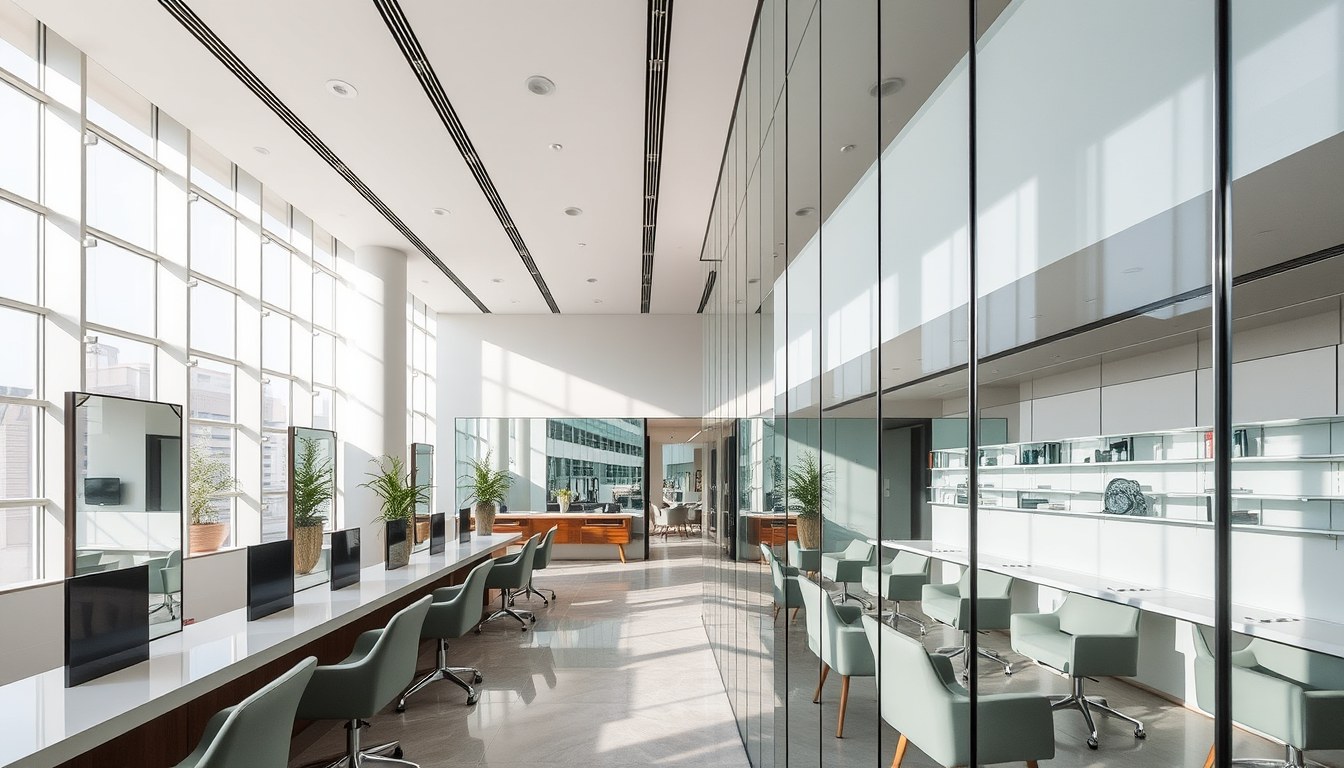
Mirror glass is a cornerstone of retail and salon design, creating the illusion of space while enhancing customer experience. However, high-traffic commercial environments expose mirrors to moisture, temperature fluctuations, and physical stress that domestic mirrors rarely face. Choosing the right backing, installation method, and maintenance routine is critical to preventing edge corrosion, delamination, and costly replacements.
Why Mirror Quality Matters in Commercial Spaces
Retail stores, salons, spas, and beauty clinics rely on mirrors not just for aesthetics but as functional tools. A customer trying on clothes or a stylist assessing a haircut depends on clear, distortion-free reflection. Poor-quality mirrors with thin backing or inadequate moisture protection degrade quickly, creating dark spots and visible deterioration that damages your business image.
Commercial mirrors endure constant humidity exposure (especially in salons and spas), temperature swings from air conditioning, and frequent cleaning with harsh chemicals. Standard residential mirror glass simply cannot withstand these conditions. Investing in high-quality mirror glass with proper backing and installation techniques protects your business investment and maintains a professional appearance for years.
Understanding Mirror Backing Options
The backing of a mirror is what makes it reflective and determines its durability. The most common backing materials for commercial applications are aluminum and silver coatings, each with distinct advantages and price points.
Aluminum Backing
Aluminum-backed mirrors are increasingly popular in commercial settings because they offer superior moisture resistance compared to traditional silver backings. Aluminum creates a more durable reflective layer that resists oxidation and edge corrosion, making it ideal for humid environments like salons, spas, and bathroom-adjacent retail spaces. Aluminum-backed mirrors typically cost 15–25% more than silver-backed options but deliver longer lifespan and lower maintenance requirements.
Silver Backing
Traditional silver backing provides excellent optical clarity and is the most cost-effective option. However, silver is more susceptible to oxidation and moisture penetration, especially at the edges where the backing meets the glass. Silver-backed mirrors require protective copper and paint layers to delay edge corrosion, but in high-humidity environments, they may show visible black or brown spots within 3–5 years. Silver backing works well for lower-humidity retail spaces but is less suitable for salons and spas without additional protective measures.
Protective Coatings
Both aluminum and silver backings benefit from additional protective layers. A quality edge-seal coating (often epoxy or polyester-based) applied during manufacturing prevents moisture from seeping behind the mirror at the edges—the most common failure point. When selecting mirrors, always verify that edge-sealing has been applied, as this single feature can extend mirror life by 50% or more.
Wall Mounting Techniques for Durability
How you install a mirror is just as important as the mirror itself. Poor mounting creates stress points that can lead to cracking, and improper spacing allows moisture to accumulate behind the glass. Commercial mirror installations require careful planning and professional execution.
Direct Adhesive Mounting
Direct adhesive mounting—applying mirror adhesive (typically a polyurethane or acrylic-based product) directly to the wall—is the most common method for large commercial mirrors. This approach creates a clean, seamless appearance and minimizes gaps where moisture can hide. However, it demands a perfectly flat, clean wall surface and proper curing time (typically 24–48 hours before the mirror bears any load). Use only mirror-specific adhesives rated for your wall type (drywall, tile, or plaster), as general-purpose adhesives may fail under the weight and humidity stress of commercial environments.
Mechanical Fastening (Clips and Standoffs)
Mechanical fastening using stainless steel clips or standoffs is preferred in high-humidity salons and spas because it allows air circulation behind the mirror, reducing moisture accumulation. Standoffs create a small gap (typically 10–15 mm) between the mirror and wall, which is critical for moisture management. This method also simplifies mirror replacement if damage occurs. Ensure fasteners are stainless steel or chrome-plated to prevent rust stains on the wall, and always use rubber or silicone spacers to distribute weight evenly and prevent stress fractures.
Framed Mounting
Framing mirrors in aluminum or wooden frames provides structural support and protects edges from chipping. Framed mirrors are easier to install and relocate, making them ideal for retail spaces that undergo frequent redesigns. The frame also conceals edge imperfections and provides a finished, professional look. However, frames require regular cleaning to prevent dust and moisture accumulation in corners.
Protecting Against Moisture and Edge Corrosion
Edge corrosion—the black or brown discoloration that appears along mirror edges—is the leading cause of premature mirror failure in commercial spaces. This occurs when moisture penetrates the gap between the glass and backing, oxidizing the reflective coating. Prevention is far more cost-effective than replacement.
- Ensure proper ventilation: Install mirrors away from direct water sources and maintain adequate air circulation behind the mirror. In salons, avoid placing mirrors directly above sinks or shampoo stations.
- Apply edge sealant: During installation, seal all exposed edges with waterproof silicone or epoxy-based edge sealant. This is not a cosmetic step—it is essential maintenance.
- Maintain humidity levels: Keep indoor humidity between 30–50% using dehumidifiers or proper HVAC management. Humidity above 60% accelerates corrosion significantly.
- Use moisture barriers: Install a moisture-resistant backing board (such as cement board or waterproof plywood) between the wall and mirror in high-humidity zones.
- Regular inspection: Check mirrors monthly for early signs of edge corrosion, discoloration, or delamination. Address issues immediately to prevent spreading.
Cleaning and Maintenance for Longevity
Commercial mirrors require regular cleaning to maintain clarity and prevent damage. However, harsh chemicals and improper techniques can damage the backing and accelerate corrosion.
Use only pH-neutral, ammonia-free glass cleaners specifically formulated for mirrors. Avoid vinegar-based or acidic cleaners, which can etch the glass and damage the backing coating. Always wipe mirrors with soft, lint-free microfiber cloths—paper towels and rough fabrics can scratch the surface. Never spray cleaner directly onto the mirror; instead, spray the cloth first to prevent liquid from running behind the glass. For stubborn spots, use distilled water with a small amount of isopropyl alcohol (50:50 ratio) and wipe immediately to prevent moisture accumulation.
In high-traffic salons, establish a daily cleaning routine using appropriate products. Weekly deep cleaning with proper techniques will keep mirrors looking pristine and extend their lifespan. Avoid cleaning mirrors during peak humidity hours (early morning or after heavy water use), as this increases the risk of moisture seeping behind the glass.
Selecting the Right Mirror Thickness and Size
Mirror thickness directly impacts durability and safety in commercial spaces. For retail and salon applications, 6 mm (quarter-inch) mirrors are the industry standard. This thickness provides adequate strength to resist breakage from accidental impacts while remaining cost-effective. For very large mirrors (over 2 meters in any dimension), 8 mm or 10 mm thickness is recommended to prevent warping and stress fractures.
Tempered mirrors (heat-treated for safety) are ideal for high-traffic areas, especially salons where mirrors may be near customer seating. Tempered mirrors break into small, relatively harmless pieces rather than sharp shards, reducing injury risk. The cost premium (typically 20–30% more) is justified by improved safety and durability.
When ordering custom mirrors for retail or salon spaces, always specify aluminum backing with edge-sealing, stainless steel mounting hardware, and tempered glass. Provide accurate wall measurements and note any moisture-prone areas so suppliers can recommend appropriate protective measures.
Frequently Asked Questions
How long do commercial mirror backings typically last?
Aluminum-backed mirrors with proper edge-sealing and maintenance can last 10–15 years in high-humidity environments. Silver-backed mirrors typically last 5–8 years before visible corrosion appears. Lifespan depends heavily on humidity levels, ventilation, and maintenance practices. Regular inspection and prompt repair of edge damage can extend mirror life significantly.
What is the best way to prevent edge corrosion in salon mirrors?
Edge corrosion prevention requires a multi-layered approach: choose aluminum-backed mirrors with factory edge-sealing, maintain humidity below 50%, ensure proper ventilation behind mirrors, apply additional edge sealant during installation, and conduct monthly inspections. Avoid placing mirrors directly above water sources, and clean mirrors with appropriate pH-neutral products only.
Can I install a large mirror myself, or should I hire a professional?
Mirrors larger than 1.5 meters are best installed by professionals who have proper tools, experience with adhesive application, and knowledge of wall structure. Improper installation can lead to mirror failure, wall damage, or safety hazards. For smaller mirrors in low-humidity areas, DIY installation with mirror adhesive is possible if you follow manufacturer instructions carefully. Always ensure the wall is perfectly flat and clean before installation.
What causes black spots on mirrors, and can they be fixed?
Black or brown spots indicate edge corrosion—moisture has penetrated behind the mirror backing and oxidized the reflective coating. Unfortunately, once corrosion appears, it cannot be reversed or repaired. The affected mirror must be replaced. Prevention through proper installation, ventilation, and maintenance is the only effective strategy.
Is aluminum backing more expensive than silver backing?
Yes, aluminum backing typically costs 15–25% more than silver backing. However, the longer lifespan, superior moisture resistance, and lower maintenance requirements make aluminum a better long-term investment for commercial spaces, especially salons and spas. The initial cost difference is quickly offset by avoiding premature replacement and maintenance issues.
Choosing the right mirror glass for your retail or salon space is an investment in both aesthetics and functionality. Visit the glassy.in directory to connect with trusted mirror suppliers and installers across India who specialize in commercial-grade mirrors with proven durability and professional installation services.