
Mirrors
Mirror Installation Guide: Types, Costs, and Best Practices for Indian Bathrooms
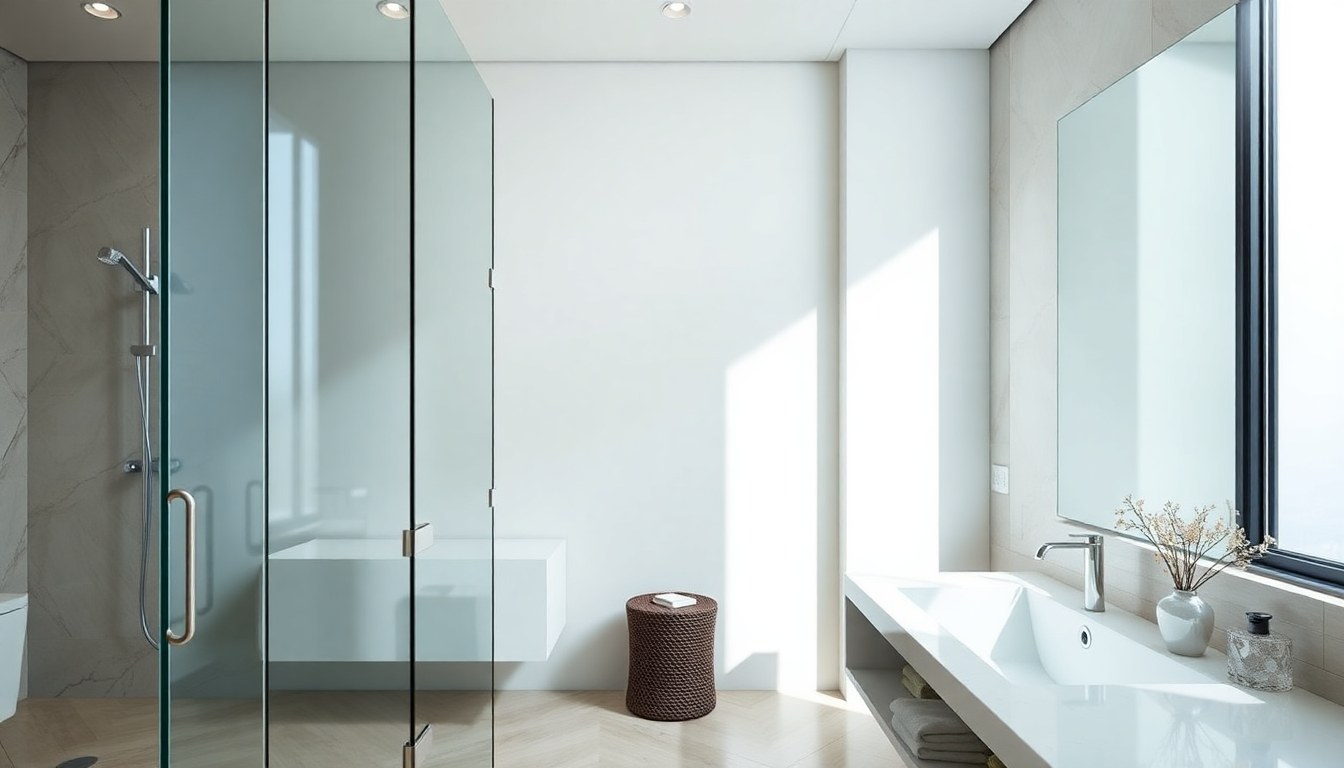
Installing the right bathroom mirror transforms both the functionality and aesthetics of your space, but choosing between frameless, LED-backlit, and anti-fog options can be overwhelming. This comprehensive guide walks you through everything you need to know about bathroom mirror types, installation methods, safety requirements, and realistic cost estimates for Indian homes, ensuring you make an informed decision that suits your budget and bathroom design.
Understanding Bathroom Mirror Types for Indian Homes
Bathroom mirrors have evolved far beyond simple reflective surfaces. Modern Indian homes now have access to various mirror types, each designed to address specific needs ranging from humidity resistance to energy-efficient lighting. Understanding these options helps you select a mirror that complements your bathroom's size, lighting conditions, and overall design aesthetic.
The three most popular bathroom mirror categories in India include frameless mirrors that offer a sleek, contemporary look; LED-backlit mirrors that provide integrated lighting solutions; and anti-fog mirrors designed specifically for high-humidity environments common in Indian bathrooms. Each type comes with distinct installation requirements, maintenance needs, and price points.
Frameless Mirrors
Frameless mirrors remain the most popular choice for Indian bathrooms due to their versatility and affordability. These mirrors feature polished edges and can be customized to any size or shape, making them ideal for both compact urban bathrooms and spacious master suites. The absence of a frame creates a clean, minimalist appearance that works with virtually any interior design style.
Installation typically involves adhesive mounting or clip systems, and prices range from ₹150 to ₹400 per square foot depending on thickness and edge finish quality. For bathrooms in cities like Mumbai and Chennai with high humidity, opt for 5mm or 6mm thickness to prevent warping over time.
LED-Backlit Mirrors
LED-backlit mirrors have gained tremendous popularity in metro cities, offering both functional lighting and a modern aesthetic appeal. These mirrors feature LED strips mounted behind or around the mirror surface, creating a soft ambient glow that eliminates harsh shadows during grooming tasks. Many models include touch sensors, dimming capabilities, and even Bluetooth connectivity.
Expect to invest between ₹8,000 and ₹35,000 for quality LED-backlit mirrors, depending on size and features. Installation requires electrical work, so factor in electrician charges of ₹1,500 to ₹3,000. These mirrors work exceptionally well in bathrooms with limited natural light or inadequate overhead lighting.
Anti-Fog Mirrors
Anti-fog mirrors address one of the most common frustrations in Indian bathrooms—condensation buildup after hot showers. These mirrors incorporate heating pads or special coatings that prevent moisture accumulation, maintaining clear visibility even in steamy conditions. This feature proves particularly valuable during monsoon months when humidity levels peak.
Anti-fog technology can be integrated into both frameless and LED-backlit mirrors. Standalone anti-fog mirrors cost between ₹6,000 and ₹20,000, while anti-fog heating pads that retrofit existing mirrors range from ₹2,500 to ₹5,000. The heating elements consume minimal electricity, typically adding less than ₹50 to monthly power bills.
Installation Methods and Safety Standards
Proper installation ensures your bathroom mirror remains securely mounted for years while meeting safety standards crucial for humid, wet environments. The installation method depends on mirror weight, wall type, and whether the mirror requires electrical connections for lighting or anti-fog features.
Indian bathrooms typically feature brick, concrete, or tile walls, each requiring specific mounting approaches. Understanding your wall composition and choosing appropriate hardware prevents accidents and ensures the mirror withstands daily use and environmental stress from moisture and temperature fluctuations.
Adhesive Mounting
Mirror adhesive provides a clean, frameless look without visible hardware. This method works best for mirrors under 10 kilograms on smooth, dry surfaces. High-quality mirror adhesives designed for bathroom use resist moisture and temperature changes, maintaining bond strength over time.
Application requires thorough surface preparation—walls must be clean, dry, and free from paint flakes or dust. Apply adhesive in a continuous bead pattern, leaving no gaps that could trap moisture. Allow 24 hours of curing time before removing support braces. Professional installation using adhesive mounting costs between ₹800 and ₹2,000 depending on mirror size.
Mechanical Mounting with Clips and Brackets
Mechanical mounting systems use clips, brackets, or J-channels to secure mirrors, offering superior strength for larger or heavier mirrors. This approach allows for easier removal or replacement and provides better weight distribution across mounting points. Most frameless mirrors above 15 kilograms require mechanical mounting for safety compliance.
Installation involves drilling into walls and using appropriate anchors—plastic anchors for brick walls, metal anchors for concrete. Position bottom clips first to support the mirror's weight, then install top clips to prevent forward tilting. Leave a 2-3mm gap between mirror and wall to allow air circulation and prevent moisture trapping. Professional installation charges range from ₹1,200 to ₹3,500.
Safety Glass Standards
Indian Standard IS 2835 specifies requirements for safety mirrors in bathrooms. Consider mirrors with safety backing film that holds glass fragments together if breakage occurs, preventing injuries. For bathrooms used by children or elderly family members, tempered glass mirrors offer enhanced impact resistance, though they cost 20-30% more than standard mirrors.
Ensure mirrors installed above sinks or counters have polished edges to prevent cuts during cleaning. Maintain minimum distances of 150mm from shower heads and 100mm from basin edges to reduce direct water exposure and accidental impact.
Cost Breakdown for Indian Bathrooms
Understanding the complete cost picture helps you budget effectively for your bathroom mirror project. Prices vary significantly based on mirror type, size, installation complexity, and your city's labor rates. Metro cities like Delhi, Bangalore, and Mumbai typically see 15-25% higher installation costs compared to tier-2 cities.
Material Costs
- Basic frameless mirror (4mm): ₹150-₹250 per square foot
- Premium frameless mirror (6mm, beveled edge): ₹300-₹450 per square foot
- LED-backlit mirror (24x36 inches): ₹8,000-₹15,000
- LED-backlit mirror with anti-fog (24x36 inches): ₹15,000-₹35,000
- Framed decorative mirror: ₹3,000-₹25,000 depending on frame material
- Mirror adhesive (professional grade): ₹400-₹800 per tube
- Mounting clips and brackets: ₹200-₹600 per set
Installation and Labor Costs
- Basic frameless mirror installation: ₹800-₹2,000
- Large mirror installation (above 20 sq ft): ₹2,500-₹5,000
- LED mirror with electrical work: ₹2,000-₹4,500
- Anti-fog mirror with heating pad installation: ₹1,800-₹3,500
- Custom cutting and edge polishing: ₹500-₹1,500
For a typical Indian bathroom measuring 6x8 feet, installing a quality frameless mirror (3x4 feet) costs approximately ₹3,500 to ₹6,000 including materials and labor. Upgrading to an LED-backlit mirror with anti-fog features for the same size ranges from ₹18,000 to ₹40,000 as a complete package.
Best Practices for Long-Lasting Installation
Following proven best practices during installation ensures your bathroom mirror remains secure, functional, and attractive for many years. Proper preparation, quality materials, and attention to environmental factors make the difference between a mirror that lasts decades and one requiring replacement within a few years.
Indian bathroom conditions—high humidity during monsoons, temperature fluctuations, and hard water exposure—demand extra care during installation. These practices help your mirror withstand these challenges while maintaining clarity and structural integrity.
Pre-Installation Preparation
Measure your space carefully, accounting for lighting fixtures, switches, and plumbing outlets. Position mirrors to maximize natural light reflection while avoiding direct sunlight that can create glare. For bathrooms with windows, install mirrors on perpendicular walls rather than opposite windows.
Check wall integrity before installation—repair any cracks, dampness, or loose tiles. Apply waterproof sealant around the installation area if your bathroom experiences seepage issues. Allow walls to dry completely for at least 48 hours before mirror installation, especially after tile work or painting.
Ventilation Considerations
Adequate ventilation extends mirror life significantly by reducing moisture exposure. Install exhaust fans rated for your bathroom size—typically 80-100 CFM for bathrooms up to 80 square feet. Position mirrors at least 6 inches away from direct shower spray zones.
Leave small gaps between mirror edges and walls to allow air circulation behind the mirror surface. This prevents moisture trapping that leads to silvering deterioration and black edge spots common in poorly ventilated Indian bathrooms.
Maintenance Guidelines
Clean bathroom mirrors weekly using a solution of equal parts white vinegar and water, or specialized glass cleaners designed for bathrooms. Avoid harsh chemicals or abrasive materials that damage mirror coatings. Wipe dry with microfiber cloths to prevent water spots and streaking.
Inspect mounting hardware every six months, tightening any loose clips or brackets. Check adhesive bonds for separation, especially along edges. Address any deterioration immediately to prevent mirror detachment. For LED mirrors, dust light strips quarterly to maintain optimal brightness.
Frequently Asked Questions
What is the ideal height for bathroom mirror installation?
The center of your bathroom mirror should be positioned at eye level for primary users, typically 60-65 inches from the floor for average Indian heights. For shared bathrooms, center the mirror at 62 inches to accommodate most family members. If installing above a vanity or basin, maintain 4-6 inches of clearance above the countertop, with the mirror extending at least 30 inches vertically for full face and upper body visibility.
Can I install a bathroom mirror myself or should I hire a professional?
Small frameless mirrors under 5 kilograms can be safely installed as a DIY project using quality adhesive, provided you have basic tools and follow manufacturer instructions carefully. However, professional installation is strongly recommended for mirrors larger than 15 square feet, LED-backlit mirrors requiring electrical work, or any mirror installation on tile walls where drilling precision prevents tile cracking. Professional installation costs ₹800-₹4,500 but ensures safety compliance and warranty protection.
How do I prevent my bathroom mirror from fogging up?
Several solutions address mirror fogging: apply commercial anti-fog sprays or coatings monthly (₹200-₹500 per bottle); install a mirror with integrated heating pad that prevents condensation (₹6,000-₹20,000); improve bathroom ventilation with exhaust fans; or use the budget-friendly method of rubbing a small amount of shaving cream on the mirror surface and buffing it off, creating a temporary anti-fog layer lasting several days. For permanent solutions in humid climates, invest in anti-fog mirrors or heating pads.
What thickness of mirror is best for Indian bathrooms?
For standard bathroom applications, 5mm thickness offers the best balance of durability, clarity, and cost-effectiveness. Mirrors of 4mm thickness work for small applications under 10 square feet but may warp in high-humidity conditions over time. Upgrade to 6mm thickness for mirrors larger than 20 square feet or in coastal cities with extreme humidity. Avoid 3mm mirrors for bathrooms as they lack structural stability and distort reflections, particularly in large sizes.
How much does it cost to install a LED mirror in an Indian bathroom?
LED mirror installation costs depend on size and features. A basic 24x36 inch LED-backlit mirror costs ₹8,000-₹15,000 for the unit, plus ₹1,500-₹3,000 for electrical installation if you need new wiring from the switchboard. Premium models with touch controls, dimming, and anti-fog features range from ₹15,000-₹35,000, with similar installation charges. Total project costs typically fall between ₹10,000 and ₹40,000 including all materials and labor. Cities like Mumbai and Delhi see 15-20% higher costs compared to tier-2 cities.
Ready to find trusted mirror suppliers and installation professionals in your city? Browse the comprehensive glassy.in directory to connect with verified glass and mirror businesses across India, compare quotes, and read customer reviews to make the best choice for your bathroom renovation project.