
Glass Guides
Low-E Glass vs Tinted Glass: Which Reduces Heat Better for Surat Homes?
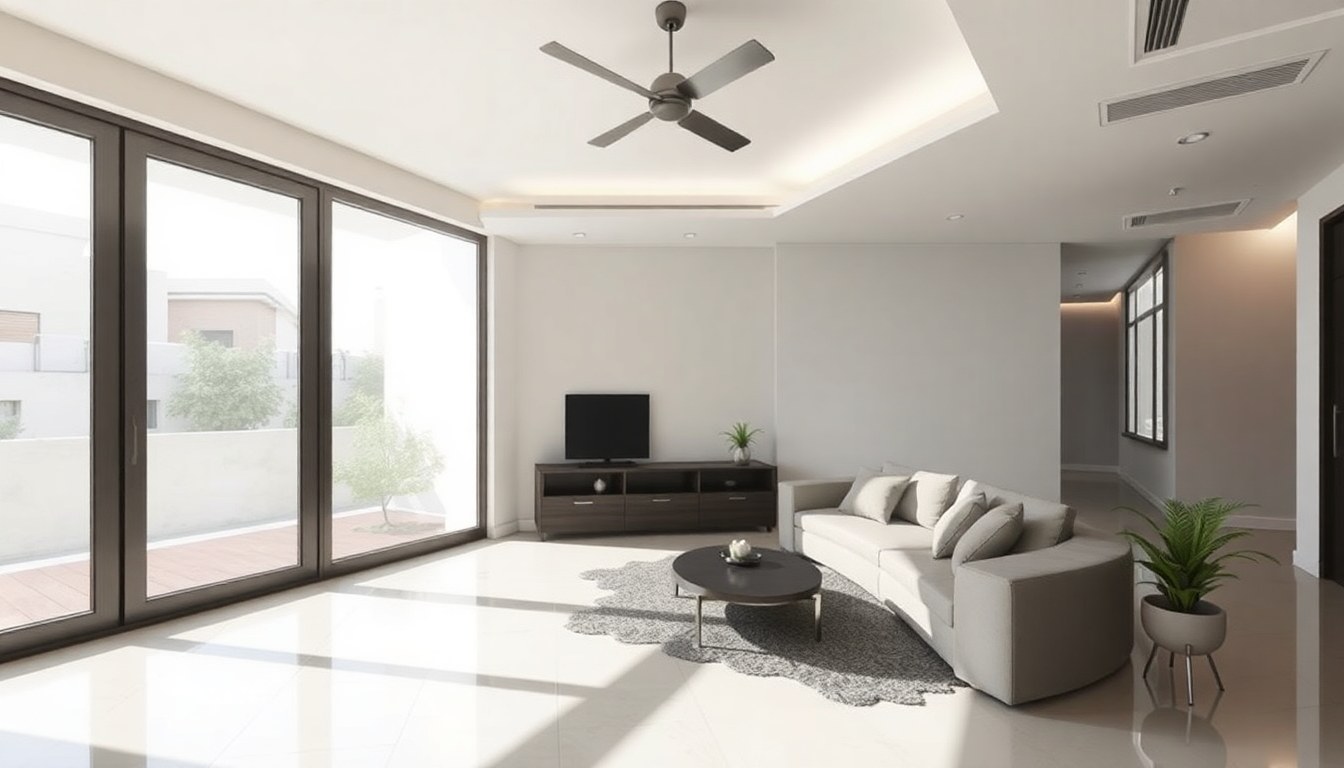
Surat's sweltering summers, with temperatures often exceeding 40°C, make choosing the right window glass critical for home comfort and energy bills. Both Low-E (low-emissivity) glass and tinted glass promise heat reduction, but they work through fundamentally different mechanisms and deliver vastly different results. While tinted glass blocks heat by absorbing solar radiation, Low-E glass reflects infrared energy while maintaining natural light—a distinction that can save Surat homeowners thousands of rupees annually in air conditioning costs.
Understanding How Low-E Glass Works
Low-E glass features an ultra-thin metallic coating, typically made of silver or tin oxide, that is virtually invisible to the naked eye. This microscopic coating selectively filters wavelengths of light, allowing visible light to pass through while reflecting infrared and ultraviolet radiation back toward their source. During Surat's brutal summer months, this means solar heat is bounced away before it can enter your home, while in winter, the coating traps indoor heat from escaping.
The coating can be applied through two methods: hard-coat (pyrolytic) or soft-coat (sputtered). Hard-coat Low-E glass has the coating fused to the glass surface during manufacturing, making it more durable and suitable for single-pane applications. Soft-coat Low-E, applied in a vacuum chamber after production, offers superior thermal performance but requires protection within an insulated glass unit (IGU). For Surat homes, soft-coat Low-E in double-glazed configurations typically delivers the best heat rejection.
The real advantage lies in selectivity. Low-E glass can reject up to 70% of solar heat gain while allowing approximately 70% of natural light to enter. This means your rooms stay bright without becoming greenhouses—a critical consideration when you're already battling intense sunlight for most of the year.
How Tinted Glass Reduces Heat
Tinted glass incorporates color additives during the manufacturing process, creating shades ranging from light grey and bronze to dark blue and green. These pigments absorb solar radiation across the spectrum, preventing a portion of heat from passing through to your interior spaces. The darker the tint, the more solar energy it absorbs—but this comes with significant trade-offs.
When tinted glass absorbs solar heat, the glass itself becomes hot, sometimes reaching temperatures that make it uncomfortable to stand near windows. This absorbed heat then radiates inward and outward, meaning a substantial portion still enters your home through re-radiation and conduction. In Surat's climate, where afternoon sun can be relentless, heavily tinted windows can become heat radiators themselves.
The major drawback for residential applications is light reduction. To achieve meaningful heat rejection—typically 35-55% depending on tint darkness—you must sacrifice natural daylight. Darker tints that block more heat also create dim interiors, forcing you to use artificial lighting during daytime hours and potentially negating energy savings. Many homeowners find this trade-off unacceptable, especially for living rooms and bedrooms where natural light contributes to wellbeing.
Heat Rejection Performance Comparison
When comparing actual thermal performance, Low-E glass demonstrates clear superiority for Surat's climate conditions. A standard double-glazed Low-E unit can achieve a Solar Heat Gain Coefficient (SHGC) as low as 0.23, meaning only 23% of solar heat passes through. In contrast, moderately tinted glass typically has an SHGC between 0.40 and 0.60, allowing significantly more heat transfer.
The U-value, which measures overall insulation performance, tells an even more compelling story. Low-E insulated glass units can achieve U-values around 1.4 to 1.8 W/m²K, while single-pane tinted glass typically ranges from 5.0 to 5.8 W/m²K. Lower U-values mean better insulation, translating directly to reduced air conditioning loads. For a typical 1,500 square foot Surat apartment with 150 square feet of window area, switching from tinted to Low-E glass can reduce cooling energy consumption by 25-40%.
Real-World Energy Savings
Consider a medium-sized Surat home running air conditioning for approximately 8-10 hours daily during summer months. With electricity costs around ₹7-9 per unit, the annual cooling expense for windows alone can exceed ₹15,000-20,000 with standard tinted glass. Low-E glass can reduce this by ₹5,000-8,000 annually, creating a payback period of 3-5 years depending on installation costs.
Professional architects and interior designers increasingly specify Low-E glass for residential projects in hot climates. Firms like DK Architecture Design in Ahmedabad routinely incorporate high-performance glazing in their bungalow projects, recognizing the long-term value proposition for homeowners facing similar climate challenges to Surat.
Cost Considerations and Return on Investment
Tinted glass remains the more economical upfront choice, typically costing ₹200-400 per square foot for standard installations. Low-E glass, especially in double-glazed configurations, ranges from ₹500-900 per square foot depending on coating type, glass thickness, and frame specifications. This 2-3x price difference causes many homeowners to hesitate, but the calculation shouldn't end with initial costs.
When evaluating true cost-effectiveness, factor in energy savings over the expected 20-25 year lifespan of quality window installations. A ₹50,000 additional investment in Low-E glass for an average home can generate ₹1,00,000-1,50,000 in cumulative energy savings, not accounting for inevitable electricity rate increases. Additionally, Low-E glass provides superior UV protection, preventing furniture, flooring, and fabrics from fading—an often-overlooked benefit worth thousands in preserved furnishing value.
Maintenance costs also favor Low-E glass. Because it stays cooler than heat-absorbing tinted glass, it experiences less thermal stress and lower risk of thermal breakage. Tinted glass, particularly in west-facing installations exposed to intense afternoon sun, faces higher replacement risk due to thermal expansion and contraction cycles.
Aesthetic and Functional Differences
Beyond thermal performance, these glass types create distinctly different living environments. Low-E glass maintains color neutrality, allowing true color perception of outdoor views and interior spaces. Your garden looks green, the sky appears blue, and artwork displays accurate hues. Tinted glass, by contrast, casts everything in its color tone—bronze tints create warm amber views, grey tints cool everything down, and green tints can make outdoor spaces look peculiar.
For home interiors, this distinction matters significantly. Interior designers and architects working on high-end residential projects, such as those undertaken by Royal Kitchens and Interiors, understand that glass selection impacts the entire design palette. Low-E glass preserves design intent, while tinted glass requires compensating for color shifts in material and finish selections.
Privacy considerations also differ. Tinted glass offers some daytime privacy through reduced visibility, though this effect reverses at night when interior lights make rooms highly visible from outside. Low-E glass provides no inherent privacy benefit, though reflective Low-E coatings can offer one-way mirror effects during daylight hours. Homeowners seeking privacy typically need additional solutions like curtains or blinds regardless of glass choice.
Which Glass is Right for Your Surat Home?
For most Surat homeowners prioritizing long-term comfort and energy efficiency, Low-E glass represents the superior investment. Its ability to reject heat while maintaining natural light aligns perfectly with the challenges of Gujarat's climate. The technology particularly excels in living areas, bedrooms, and any space where you value daylight and views.
Tinted glass remains viable for specific applications: budget-constrained projects, commercial buildings where aesthetics favor uniform tinted facades, or secondary spaces like storage rooms where light reduction isn't problematic. Some homeowners also choose tinted glass for west-facing bathrooms or utility areas where intense afternoon sun creates discomfort and privacy is desired.
The optimal solution for many homes combines both technologies. Consider Low-E glass for primary living spaces and bedrooms, where comfort and light quality matter most, while using tinted glass for service areas or as a budget-friendly option for less critical windows. This hybrid approach balances performance with cost constraints.
Installation and Professional Guidance
Proper installation significantly impacts performance for both glass types. Low-E glass, especially double-glazed units, requires precise frame installation to maintain the sealed air gap that enhances insulation. Even minor installation errors can compromise thermal performance and lead to condensation issues. Working with experienced glaziers and architects ensures you realize the full benefit of your investment.
Before finalizing your decision, consult with local glass suppliers and architects familiar with Surat's specific climate conditions. They can provide samples, demonstrate visible light transmission differences, and help calculate project-specific energy savings based on your home's orientation, window sizes, and usage patterns.
Frequently Asked Questions
Can Low-E glass really reduce my electricity bills in Surat's extreme heat?
Yes, Low-E glass can reduce cooling costs by 25-40% compared to standard clear or tinted glass. For a typical Surat home running air conditioning 8-10 hours daily during summer, this translates to annual savings of ₹5,000-8,000. The glass works by reflecting infrared heat before it enters your home, reducing the thermal load on your air conditioning system. The exact savings depend on your window area, AC efficiency, and usage patterns, but most homeowners see measurable reductions in their electricity bills within the first cooling season.
Does tinted glass block UV rays better than Low-E glass?
Both glass types block UV radiation effectively, but Low-E glass typically provides superior protection. Quality Low-E coatings block up to 95-99% of harmful UV rays while maintaining high visible light transmission. Tinted glass blocks UV proportional to its darkness—darker tints block more UV but also reduce beneficial natural light. For protecting furniture, artwork, and flooring from fading while maintaining bright interiors, Low-E glass offers the better balance.
Will Low-E glass make my rooms too dark?
No, this is a common misconception. Low-E glass is designed to maintain high visible light transmission (typically 60-70%) while selectively blocking infrared heat and UV radiation. Unlike tinted glass, which reduces light proportionally to heat reduction, Low-E glass keeps rooms naturally bright. You'll notice little to no difference in interior brightness compared to standard clear glass, while experiencing significantly less heat gain.
How long does Low-E coating last on glass?
When properly installed in sealed double-glazed units, soft-coat Low-E coatings last 20-25 years or more without degradation. Hard-coat Low-E, being fused to the glass surface, is even more durable and can last the entire lifespan of the glass itself. The coating is protected from environmental exposure within the sealed air gap of insulated glass units. Quality Low-E glass from reputable manufacturers typically comes with 10-20 year warranties covering coating performance.
Can I add Low-E coating to my existing tinted windows?
Low-E coatings cannot be reliably applied to existing installed glass as a retrofit. The coating must be applied during manufacturing under controlled conditions. If you want to upgrade from tinted to Low-E glass, you'll need to replace the entire glass unit. However, this replacement often proves worthwhile given the superior performance and energy savings. Some window film products claim Low-E properties, but these aftermarket films cannot match the performance of factory-applied Low-E coatings.
Choosing between Low-E and tinted glass impacts your home's comfort, energy costs, and livability for decades. For expert guidance on glass selection and to connect with qualified installers in Surat and across India, explore the comprehensive business directory at glassy.in—your trusted resource for all glass-related needs.