
Glass Guides
Low-E Glass for Bangalore Skylights: Summer Heat Rejection Explained
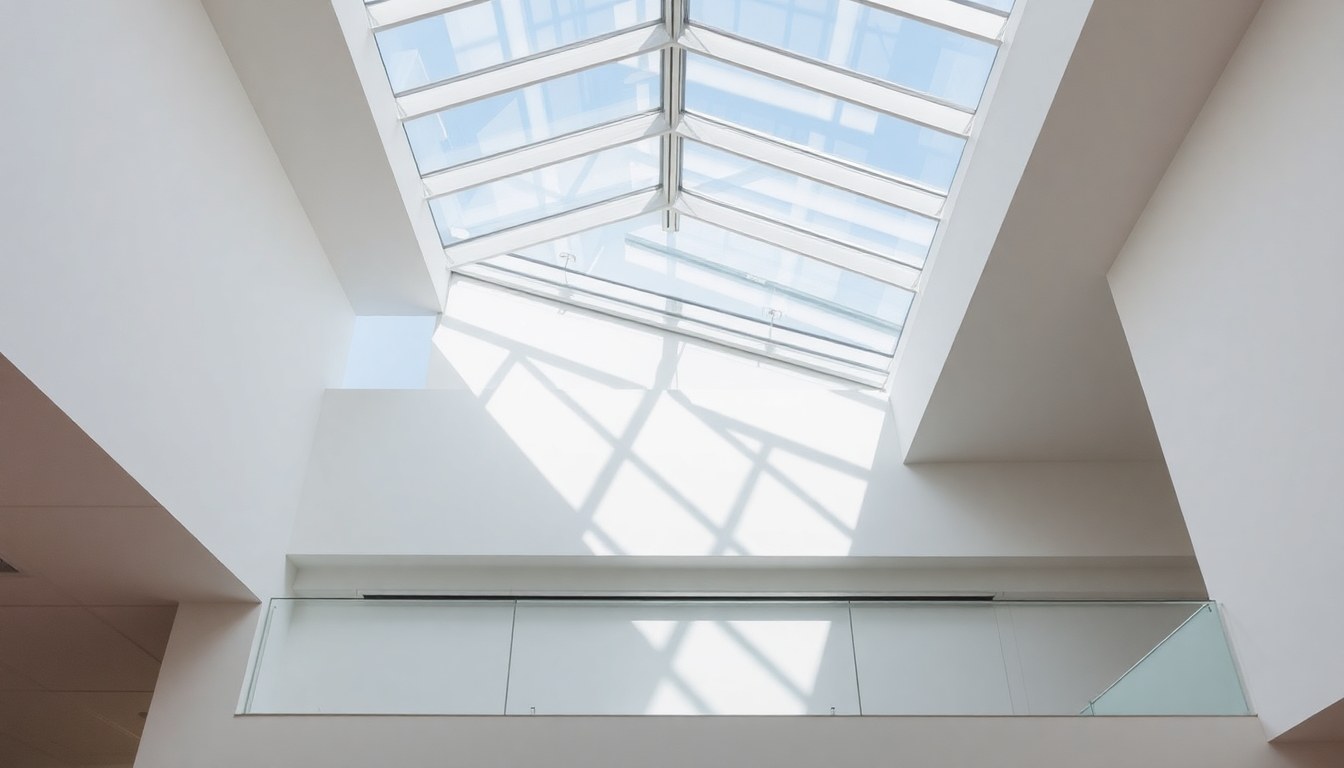
Bangalore's intense summer heat and monsoon humidity create unique challenges for roof glazing systems. Low-emissivity (low-E) glass skylights offer a proven solution by reflecting infrared radiation while maintaining visible light transmission—keeping interiors cooler and reducing air-conditioning loads by up to 30%. This technical guide explains how low-E coatings work, the critical role of Solar Heat Gain Coefficient (SHGC) ratings, and how to select the right skylight glass for Bangalore's tropical climate.
Understanding Low-Emissivity Coatings and How They Work
Low-emissivity coatings are microscopically thin metallic or metal-oxide layers applied to glass surfaces. These coatings are engineered to be transparent to visible light (wavelengths 380–700 nanometers) while reflecting thermal infrared radiation (wavelengths 700–2,500 nanometers). The most common low-E coating materials include silver, tin oxide, and indium tin oxide (ITO), applied in layers just 10–100 nanometers thick.
The physics behind low-E performance relies on the principle of emissivity—the ability of a surface to emit thermal radiation. Standard clear glass has an emissivity value of approximately 0.84, meaning it absorbs and re-radiates 84% of the thermal energy it receives. Low-E coatings reduce this value to 0.04–0.10, dramatically decreasing heat transfer through the glazing. In Bangalore's context, where rooftop temperatures can exceed 70°C during peak summer months, this reduction translates directly into measurable energy savings.
Passive vs. Active Low-E Coatings
Passive low-E coatings (hard-coat or pyrolytic) are applied during the glass manufacturing process. They offer excellent durability and are ideal for skylights where the coating faces the exterior. These coatings have higher solar transmittance and are better suited to climates requiring winter heat gain.
Active low-E coatings (soft-coat or sputtered) are applied after manufacturing and offer superior thermal performance with lower solar transmittance. They are more sensitive to moisture and require protective spacers in insulated glass units (IGUs). For Bangalore's monsoon season, soft-coat low-E must be sealed within double-glazed assemblies to prevent degradation.
Solar Heat Gain Coefficient (SHGC) and Its Role in Heat Rejection
The Solar Heat Gain Coefficient quantifies how much solar radiation passes through glazing as heat. SHGC values range from 0 to 1; a lower SHGC indicates better heat rejection. Standard clear glass has an SHGC of approximately 0.86, meaning 86% of solar energy enters the building. High-performance low-E glass for skylights typically achieves SHGC values between 0.20 and 0.40.
For Bangalore, where the solar irradiance on horizontal surfaces (skylights) reaches 800–1,000 W/m² during summer afternoons, selecting low-E glass with SHGC ≤ 0.30 is critical. A typical 10 m² skylight with SHGC of 0.30 will transmit approximately 2.4–3.0 kW of heat during peak hours, compared to 6.9–8.6 kW for clear glass—a reduction of nearly 65%.
Calculating Heat Rejection for Your Skylight
To estimate heat rejection performance, use this formula:
Solar Heat Gain (kW) = Skylight Area (m²) × Solar Irradiance (W/m²) × SHGC
Example: A 5 m² skylight in Bangalore during summer (1,000 W/m² irradiance) with SHGC 0.25 would transmit 1.25 kW of heat. The same skylight with clear glass (SHGC 0.86) would transmit 4.3 kW—a difference of 3.05 kW that your air-conditioning system must remove, consuming approximately 0.9–1.2 kWh of electricity daily (assuming 3.5 COP for a typical AC unit).
Low-E Glass Performance in Monsoon and Humidity Conditions
Bangalore receives an average of 900 mm annual rainfall, concentrated during June–September. This high humidity and intermittent heavy rain create specific challenges for skylight glazing systems. Moisture ingress, condensation on interior surfaces, and coating degradation are primary concerns.
Properly sealed low-E skylights with double or triple glazing perform exceptionally well in monsoon climates. The air gap (typically 12–16 mm) between panes provides insulation, while desiccant-filled spacers absorb residual moisture. Low-E coatings remain protected when sealed within IGUs, preventing direct exposure to humidity and preventing the "haze" or loss of transparency that can occur with unprotected soft-coat low-E.
During the monsoon, low-E skylights also reduce interior condensation. The inner glass surface maintains a warmer temperature due to reduced heat loss, minimizing the temperature differential that causes condensation—a critical factor in Bangalore's humid climate where interior moisture levels can exceed 70% relative humidity.
Comparing Low-E Options: Tinted, Reflective, and Neutral Variants
Low-E glass comes in several variants, each with distinct optical properties suited to different applications:
- Neutral low-E (Clear + Low-E): Maintains a clear appearance, transmits 70–75% visible light, SHGC 0.25–0.35. Best for residential skylights where aesthetics matter.
- Tinted low-E (Bronze/Gray + Low-E): Reduces glare and visible light transmission to 50–65%, SHGC 0.20–0.28. Suitable for commercial or west-facing skylights.
- Reflective low-E: Offers maximum heat rejection (SHGC < 0.20) but reduces visible light to 40–50% and creates an external mirror effect. Rarely used for residential skylights but effective for industrial spaces.
For Bangalore residences and small commercial spaces, neutral or light-tint low-E skylights offer the best balance of heat rejection, daylighting, and aesthetic appeal. Consult with local architects like Priya Architectural Solutions or Site Practice to determine the optimal specification for your project's orientation and usage patterns.
Installation and Maintenance Best Practices for Bangalore Climates
Proper installation is essential to realize the full benefits of low-E skylights. The glazing must be sealed within an insulated glass unit (IGU) with quality spacers and sealants. In Bangalore's humid climate, high-quality silicone or polyisobutylene (PIB) sealants are mandatory to prevent moisture ingress. The IGU should be installed with the low-E coating on the interior-facing surface (surface 2 or 3, depending on whether the skylight is single or double glazing) to maximize thermal performance.
Maintenance is straightforward but important. Clean skylights quarterly to remove dust, pollen, and monsoon residue that reduce visible light transmission and can trap heat. Use mild soap and soft cloths—avoid abrasive cleaners that can damage the low-E coating. Inspect seals annually, especially after heavy monsoon rains, to ensure no water infiltration. If condensation appears persistently between panes, the IGU seal has failed and replacement is necessary.
For installation in Bangalore, partner with experienced glass dealers and installers like Royal Art Glass Work, who understand local climate requirements and can ensure proper sealing and orientation of low-E coatings.
Cost-Benefit Analysis: Is Low-E Skylight Glass Worth the Investment?
Low-E skylights cost 40–60% more than standard clear glass skylights. A typical 10 m² skylight in neutral low-E might cost ₹45,000–₹65,000 installed, compared to ₹25,000–₹35,000 for clear glass. However, the energy savings justify this investment in Bangalore's climate.
A 10 m² low-E skylight reduces cooling energy consumption by approximately 2.5–3.5 kWh per day during summer months (April–June), translating to ₹750–₹1,050 monthly savings at current Bangalore electricity rates (₹10–₹12 per kWh). Over a 20-year lifespan, cumulative savings exceed ₹1.8 lakh, with payback periods of 4–6 years. Additional benefits include improved interior comfort, reduced glare, and increased property value—factors that enhance the return on investment beyond simple energy calculations.
Frequently Asked Questions
What is the difference between low-E and tinted glass for skylights?
Tinted glass reduces heat and glare through absorption, darkening the appearance and reducing visible light by 50–70%. Low-E glass reflects infrared radiation while maintaining clarity and visible light transmission of 70%+. Low-E is superior for skylights because it rejects heat without significantly darkening the space. Tinted glass absorbs heat, which can cause thermal stress and potential breakage in hot climates like Bangalore.
Can low-E coatings be applied to existing skylights?
No, low-E coatings are applied during glass manufacturing or to new IGUs. Retrofitting existing single-pane skylights requires replacement with low-E insulated glass units. However, external reflective films or interior cellular shades can provide temporary heat rejection until full replacement is feasible. For long-term performance in Bangalore's climate, replacement with low-E IGUs is recommended.
How much will low-E skylights reduce my air-conditioning bills?
Energy savings depend on skylight area, orientation, and existing AC efficiency. A 10 m² south or west-facing skylight with low-E glass typically reduces cooling costs by ₹750–₹1,200 monthly during summer months. North-facing skylights (which receive less direct sun in Bangalore) may save 30–40% less. Professional energy audits can provide precise estimates for your property.
Are low-E skylights suitable for monsoon-prone areas like Bangalore?
Yes, low-E skylights perform excellently in monsoon climates when properly installed as sealed IGUs. The air gap and desiccant spacers prevent moisture ingress, while the low-E coating remains protected inside the assembly. Condensation risk is actually lower with low-E skylights because the inner glass surface stays warmer. Ensure installation by qualified professionals to guarantee proper sealing.
What SHGC value should I choose for my Bangalore skylight?
For Bangalore's hot, sunny climate, choose SHGC ≤ 0.30 for maximum heat rejection. If daylighting is a priority and the skylight faces north or east, SHGC 0.35–0.40 is acceptable. South and west-facing skylights should never exceed SHGC 0.25. Consult with interior designers like Yukta Interiors to balance heat rejection with your daylighting and aesthetic goals.
Conclusion: Invest in Low-E Skylights for Long-Term Comfort and Savings
Low-E glass skylights represent a smart, science-backed investment for Bangalore homes and businesses. By understanding SHGC ratings, emissivity principles, and monsoon-climate performance, you can select glazing that reduces heat gain by 60–70% while maintaining natural light and visual comfort. The combination of lower energy bills, improved interior climate control, and enhanced property value makes low-E skylights a worthwhile upgrade in India's tropical climate.
Ready to upgrade your skylights? Browse verified glass suppliers, architects, and interior designers on glassy.in—India's largest glass-business directory. Find local experts in Bangalore who understand low-E specifications, monsoon durability, and climate-appropriate glazing solutions for your project.