
Glass Guides
Low-E Coated Glass for Skylights: Energy Savings & Heat Control
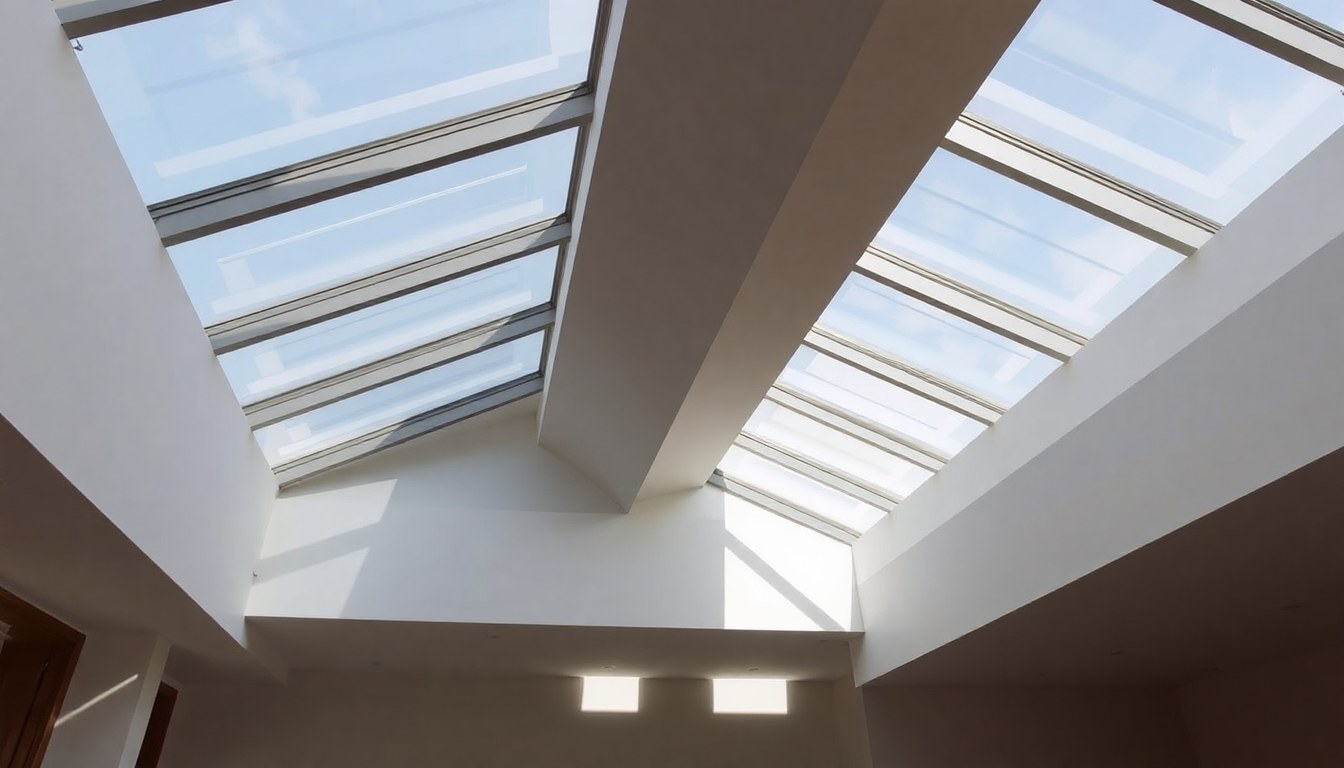
Skylights flood your home with natural light, but traditional glass allows unwanted solar heat to pour in, driving up air-conditioning costs. Low-emissivity (low-E) coated glass skylights solve this problem by blocking infrared radiation while maintaining brightness, delivering measurable energy savings and superior thermal comfort. If you're building or renovating, understanding low-E technology is essential to maximizing both daylighting and climate control efficiency.
What Is Low-E Coating and How Does It Work?
Low-emissivity coating is a microscopically thin layer of metallic oxide applied to glass surfaces. This transparent layer reflects infrared (heat) radiation while allowing visible light to pass through. The coating works by reducing the emissivity of the glass—essentially its ability to emit thermal energy—which is why it's called "low-E."
In skylights, low-E coatings are typically applied to one or more surfaces of a double or triple-glazed unit. The coating reflects heat radiation back outdoors during summer, preventing solar gain from entering your living spaces. During winter in colder climates, the same coating can reflect interior heat back inside, though this benefit is less pronounced in tropical and subtropical regions like India where cooling is the primary concern.
Types of Low-E Coatings
- Soft-coat (vacuum-deposited): Applied in a controlled vacuum chamber; offers superior performance but requires protective glazing and is more common in sealed units.
- Hard-coat (pyrolytic): Fused to the glass surface during manufacturing; more durable and suitable for skylights exposed to weather, though slightly lower performance than soft-coat.
Energy Savings and Cooling Cost Reduction
The primary benefit of low-E skylights is reduced cooling load. In Indian climates, where intense solar radiation can raise indoor temperatures significantly, low-E coatings can cut solar heat gain through skylights by 50–70%, depending on the coating specification and orientation. This translates directly to lower air-conditioning consumption and reduced electricity bills.
A typical residential skylight without low-E coating allows approximately 60–70% of solar radiation to enter as heat. With a quality low-E coating, this drops to 15–35%, depending on the Solar Heat Gain Coefficient (SHGC) rating. For a 2 square meter skylight in direct sunlight, this difference can mean 1–2 kilowatts of heat prevented from entering your home—equivalent to running a small air-conditioner unit continuously.
Quantifying Your Savings
The exact savings depend on several factors: your location's climate, skylight size and orientation, existing insulation, and your cooling system's efficiency. In hot climates like Delhi, Mumbai, or Bangalore, homeowners can expect 15–25% reduction in cooling costs if skylights account for a significant portion of their roof area. Larger installations or multiple skylights yield proportionally greater savings.
To estimate your potential savings, multiply your skylight area (in square meters) by the solar radiation intensity in your region (typically 800–1000 W/m² at solar noon) and the reduction percentage offered by low-E coating. Work with architects like Groove Designs or Linear Design to perform detailed energy modeling for your specific project.
Heat Control and Year-Round Comfort
Beyond cooling costs, low-E skylights improve indoor comfort by reducing temperature fluctuations. Uncoated skylights create hot spots directly below them, forcing air-conditioning systems to work harder and creating uneven thermal distribution. Low-E coatings minimize this effect, resulting in more consistent indoor temperatures and reduced strain on HVAC systems.
In spaces with multiple skylights or large roof glazing, low-E coatings prevent the "greenhouse effect" that can make certain rooms uncomfortably warm even when the rest of the home is climate-controlled. This is particularly important in home offices, studios, or living areas where people spend extended periods.
Winter Performance in Indian Context
While India's winters are mild in most regions, low-E coatings still provide value by reducing heat loss during cooler months. In hill stations or northern areas where winter temperatures drop significantly, the coating's ability to reflect interior heat back indoors becomes relevant. However, the primary benefit remains summer cooling efficiency in most of India.
Light Transmission and Visual Quality
A common concern is whether low-E coatings reduce natural light. Quality low-E coatings maintain 70–80% visible light transmission, meaning skylights remain bright and functional. The slight reduction in brightness is often imperceptible to occupants, while the thermal benefit is substantial.
Some low-E coatings have a subtle tint or reflective appearance when viewed from outside. Modern formulations minimize this aesthetic impact, and architects can specify coatings that balance performance with appearance. Discuss coating options with your supplier or designer to match your aesthetic preferences and performance requirements.
Selecting and Installing Low-E Skylights
When choosing low-E skylights, specify the Solar Heat Gain Coefficient (SHGC) and U-value. For Indian climates, aim for an SHGC of 0.25–0.35 to maximize cooling benefits, and a U-value below 2.0 W/m²K for good insulation. Ensure the skylight unit is triple-glazed or uses insulating spacers between panes to prevent condensation and improve thermal performance.
Installation quality is critical. Poor sealing allows air leakage and reduces the coating's effectiveness. Hire experienced installers and ensure proper flashing, insulation, and weatherproofing. Architects specializing in sustainable design, such as ConstructDesigning or STUDIO 2000, can oversee installation and ensure compliance with building codes.
Maintenance Considerations
- Clean skylights regularly to maintain light transmission and coating effectiveness.
- Avoid abrasive cleaners that may damage the low-E layer; use soft cloths and mild soap solutions.
- Inspect seals and flashing annually for signs of leakage or degradation.
- In coastal areas, salt spray can degrade coatings; choose hard-coat options for better durability.
Cost Considerations and ROI
Low-E coated skylights cost 20–40% more than standard glazing, but the energy savings typically recover this investment within 5–8 years in hot climates. Over a 20–30 year lifespan, the cumulative savings are substantial. Additionally, improved comfort and reduced HVAC wear extend equipment life, providing indirect financial benefits.
Government incentives for energy-efficient home improvements vary by state in India. Check with your local energy authority or building department for potential subsidies or tax credits on energy-efficient glazing. Some states offer incentives for green building practices that include high-performance glass.
Frequently Asked Questions
Do low-E coatings reduce natural light entering the home?
No, not significantly. Quality low-E coatings transmit 70–80% of visible light while blocking 50–70% of solar heat. The reduction in brightness is minimal and usually unnoticeable to occupants, while the thermal benefit is substantial.
Can low-E skylights be installed in existing homes?
Yes, low-E skylights can replace standard skylights during renovation. However, the existing roof opening must be structurally sound and properly flashed. Consult an architect or structural engineer to assess feasibility and ensure correct installation.
What is the difference between soft-coat and hard-coat low-E glass?
Soft-coat (vacuum-deposited) offers superior thermal performance but is more delicate and typically used in sealed double or triple-glazed units. Hard-coat (pyrolytic) is more durable and can withstand outdoor exposure, making it suitable for skylights. Hard-coat performance is slightly lower but still excellent for most applications.
How long do low-E coatings last?
Low-E coatings in sealed units last the lifetime of the glazing system—typically 20–30 years or more. Hard-coat coatings are more durable than soft-coat. Proper maintenance, including regular cleaning and inspection, ensures longevity and continued performance.
Are low-E skylights worth the investment in India?
Yes, especially in hot climates. The energy savings on cooling costs, combined with improved comfort and reduced HVAC strain, typically justify the higher upfront cost within 5–8 years. For homes with significant skylight area or in regions with intense solar radiation, the ROI is even faster.
Conclusion
Low-E coated glass skylights are a smart investment for energy-efficient homes in India. By reducing solar heat gain while maintaining natural light, they lower cooling costs, improve comfort, and reduce environmental impact. Whether you're designing a new home or upgrading an existing one, low-E technology delivers measurable benefits that pay for themselves over time. Explore the glassy.in directory to connect with experienced architects, designers, and glass suppliers who can help you select and install the perfect low-E skylight solution for your project.