
Glass Guides
Low-E Glass for Indian Summers: How It Reduces AC Load & Costs
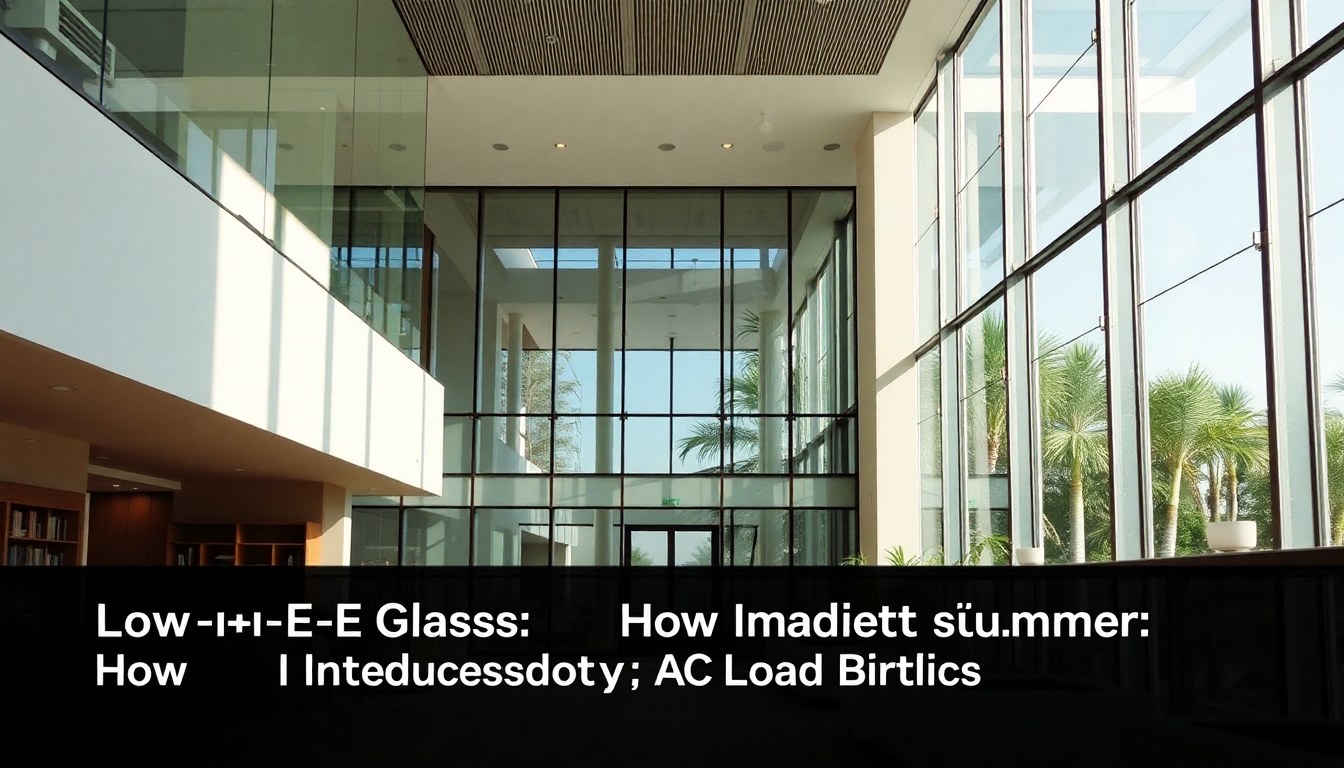
If you live in India's hot regions—Hyderabad, Chennai, Delhi, or Bangalore—your air conditioning bill likely spikes during summer months. Low-emissivity (low-E) glass is a proven technology that reflects solar heat while allowing visible light through, cutting your AC load by 30–40% and delivering real savings on energy bills. In this guide, we explain how low-E coating works, quantify the energy savings, and show you the return on investment for your home.
What Is Low-E Glass and How Does It Work?
Low-emissivity glass has a microscopically thin metallic coating—usually silver, tin oxide, or other reflective materials—applied to one or both surfaces. This coating is invisible to the naked eye but extraordinarily effective at managing heat transfer.
The coating works in two ways: it reflects infrared radiation (heat) back outside during summer, and in winter, it reflects indoor heat back into the room. For Indian homeowners, the summer benefit is the priority. When sunlight hits the window, visible light (which you need for natural illumination) passes through, but up to 60% of solar heat is rejected before it enters your home.
The Physics Behind the Coating
The metallic layer on low-E glass has a low emissivity value (typically 0.05–0.15 on a scale where 1.0 is a perfect heat emitter). This means the glass absorbs less thermal radiation and re-radiates very little, keeping heat outside where it belongs. In contrast, ordinary clear glass has an emissivity of around 0.84, making it a poor barrier against solar heat.
How Much Heat Does Low-E Glass Actually Reject?
The heat rejection performance of low-E glass is measured by its Solar Heat Gain Coefficient (SHGC). High-performance low-E coatings achieve an SHGC of 0.20–0.30, meaning only 20–30% of solar heat enters the room. Standard clear glass has an SHGC of around 0.86.
For a typical 3-bedroom house in Chennai or Hyderabad with 40–50 square meters of window area, this difference translates to blocking 15,000–25,000 BTU of heat per day during peak summer. Your AC doesn't have to work as hard to maintain the desired temperature, running fewer hours and consuming less electricity.
Real-World Performance in Indian Cities
- Hyderabad: Summer temperatures reach 40–42°C; low-E glass reduces indoor heat gain by approximately 35–40%.
- Chennai: High humidity and heat (38–40°C) make low-E glass especially valuable; combined with good ventilation, it cuts AC runtime by 25–35%.
- Delhi: Intense dry heat (42–45°C) in May–June; low-E glass delivers 30–38% heat reduction.
- Bangalore: Moderate summers (30–35°C) still benefit from 20–25% AC load reduction.
Energy Bill Savings: What You Can Expect
The actual cost savings depend on your current electricity rates, existing window area, AC capacity, and usage patterns. However, here's a realistic estimate for an average Indian household.
Sample Calculation for a Middle-Class Home in Hyderabad
Assume a 1,500 sq. ft. apartment with 400 sq. ft. of window area, running a 2-ton AC for 8 hours daily during 5 months of summer (150 days):
- Current annual AC energy cost: ₹18,000–₹22,000 (at ₹8–₹10 per unit in Hyderabad)
- With low-E glass (35% heat reduction): AC runs 5–6 hours instead of 8, cutting consumption by ~35%
- Annual savings: ₹6,300–₹7,700
- 5-year savings: ₹31,500–₹38,500
These numbers assume electricity rates remain constant. Given India's rising tariffs, actual long-term savings are likely higher. Moreover, reduced AC runtime extends the lifespan of your compressor and reduces maintenance costs—an added benefit often overlooked.
Factors That Affect Your Savings
- Local electricity tariff and seasonal rates
- Current window orientation (north-facing windows receive less direct heat than west or south-facing)
- Quality of existing insulation and air-sealing
- AC unit age and efficiency rating (older units benefit more)
- Presence of external shading (trees, awnings, or external louvers amplify low-E benefits)
Return on Investment (ROI) and Payback Period
Low-E glass costs approximately ₹400–₹800 per square foot installed, depending on the coating quality and your location. For a 400 sq. ft. window area, expect a total investment of ₹1.6–₹3.2 lakhs.
Given annual savings of ₹6,000–₹8,000, your payback period is typically 4–7 years. After that, every rupee saved goes straight to your bottom line. Since quality low-E glass lasts 20–25 years, you're looking at 13–21 years of pure savings after the payback window closes.
When Is ROI Best?
- Homes in extreme-heat zones (Hyderabad, Chennai, Delhi, Jaipur)
- Properties with large window areas or poor existing insulation
- New construction (installation cost is lower when bundled with other glazing work)
- Homes with high electricity tariffs (metro cities often have premium rates)
- Commercial buildings with 24/7 AC operation
Installation and Maintenance Tips
Low-E glass is most effective when installed correctly. The coating must face the right direction: in summer-dominant climates like India's, the coating should face outward (exterior-facing) to reject heat before it enters. During installation, ensure proper sealing around the frame to prevent air leaks, which would negate some thermal benefits.
Maintenance is straightforward. Clean low-E glass with mild soap and soft cloths—avoid abrasive cleaners or hard scrubbing, which can damage the coating. Regular cleaning (every 2–3 months) ensures maximum light transmission and heat rejection. If you're renovating your home, consult with experienced professionals like Linear Design or 78 Design Studio to integrate low-E glass into your overall design strategy.
Professional Installation vs. DIY
Low-E glass replacement is not a DIY job. Improper installation can create thermal stress, air leaks, or condensation issues. Always hire licensed glaziers with experience in low-E installations. Many reputable glass dealers and installers across India now stock low-E products; check the glassy.in directory for certified suppliers in your city.
Low-E Glass vs. Other Heat-Rejection Solutions
You might wonder how low-E glass compares to alternatives like reflective films, external shading, or upgraded AC units. Here's a quick comparison:
- Reflective films: Cheaper upfront (₹100–₹200 per sq. ft.), but visible and reduce natural light; typically last 5–7 years.
- External louvers or awnings: Effective but require regular maintenance and consume exterior space; cost ₹200–₹500 per sq. ft.
- Upgraded AC units (5-star rating): Efficient but don't reduce heat gain; you still pay for cooling that heat. Best paired with low-E glass.
- Low-E glass: Higher upfront cost but invisible, lasts 20+ years, and reduces heat at the source. Best long-term ROI.
For most homeowners, low-E glass combined with external shading (trees, blinds) and a modern AC unit delivers the best overall comfort and savings.
Government Incentives and Certifications
India's Energy Conservation Building Code (ECBC) recommends low-E glass for commercial buildings in hot climates. While direct government subsidies for residential low-E glass are limited, some states offer energy-efficiency tax credits or rebates. Check with your local municipal corporation or state energy office.
Look for low-E glass products certified by BIS (Bureau of Indian Standards) and ISI marks, which ensure quality and durability. Reputable suppliers, such as Silicate Glass work, can guide you through certifications and compliance.
Frequently Asked Questions
Does low-E glass block natural light?
No. Low-E coatings are designed to allow 70–80% of visible light through while blocking infrared heat. Your home will remain naturally bright without the heat penalty of ordinary glass.
Can low-E glass be retrofitted to existing windows?
Low-E coatings are applied during glass manufacturing, so you cannot retrofit existing panes. However, you can replace old windows with low-E units. Many homeowners do this during renovations or when old windows fail.
Is low-E glass more expensive than regular glass?
Yes, low-E glass costs 30–50% more than clear glass. However, the energy savings over 5–7 years typically recover this premium, after which you benefit from years of reduced bills.
Will low-E glass help in winter?
Yes, but less noticeably in India's mild winters. The coating reflects heat back indoors, reducing heating costs. In northern regions (Delhi, parts of Himachal), this benefit is more significant.
How long does low-E coating last?
High-quality low-E coatings last 20–25 years, matching the lifespan of the glass itself. Degradation is minimal if the glass is properly maintained and protected from extreme physical damage.
Conclusion: A Smart Investment for Indian Summers
Low-E glass is not a luxury—it's a practical investment that pays for itself while keeping your home comfortable. With energy bills rising and summers growing hotter, reducing your AC load by 30–40% translates to significant savings and a smaller carbon footprint.
If you're planning a renovation or new build in a hot Indian city, low-E glass deserves serious consideration. Pair it with good ventilation, external shading, and a modern AC unit for optimal results. Ready to explore low-E glass options for your home? Browse certified glass suppliers and installers on glassy.in, India's largest glass-business directory, to find trusted professionals in your area.