
Glass Guides
Low-E Glass Coatings Explained: Heat Rejection & Energy Savings
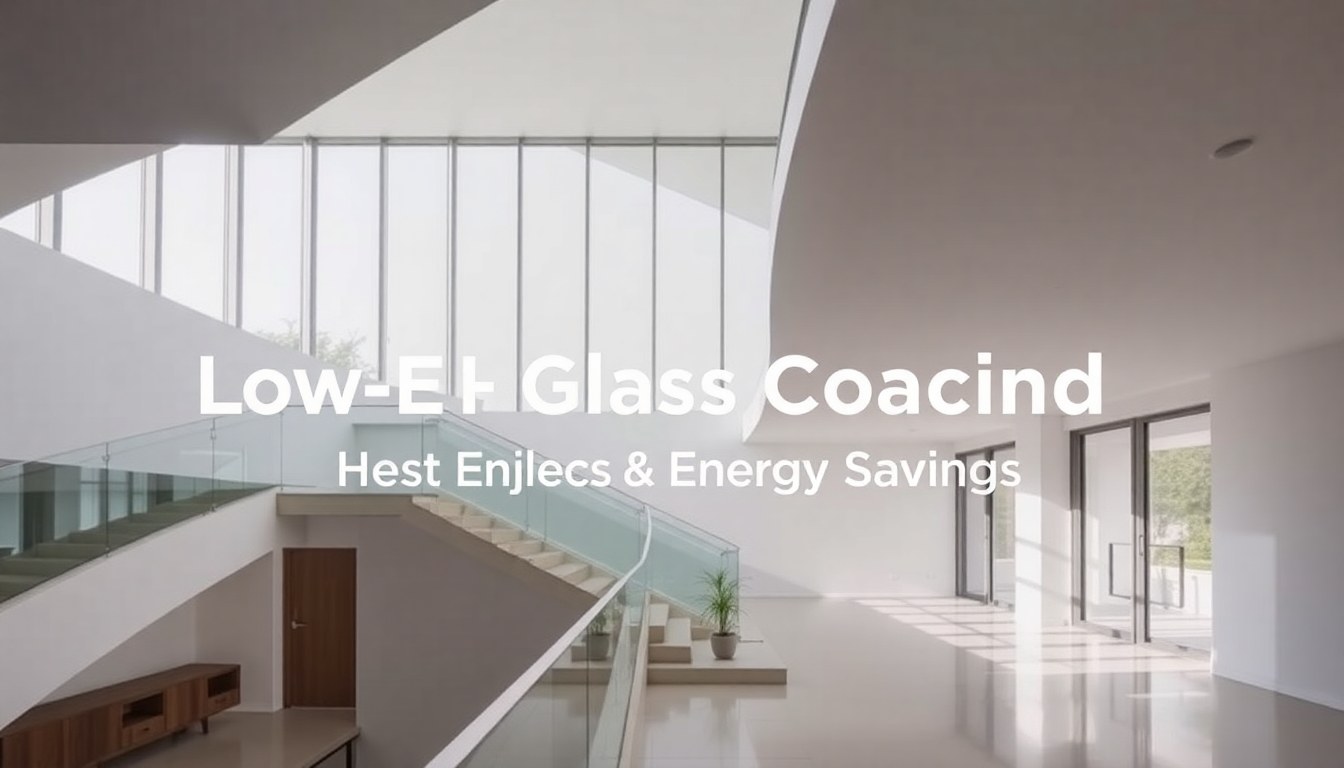
India's brutal summer heat drives energy bills sky-high, yet most buildings still rely on standard glass that absorbs and transmits solar radiation like a greenhouse. Low-emissivity (Low-E) glass coatings are a game-changer—they selectively block infrared heat while letting visible light through, cutting cooling costs by 20–30% without darkening your interiors. If you're building or renovating in any Indian city, understanding Low-E technology is essential to making smart glass choices.
What Are Low-E Glass Coatings?
Low-emissivity coatings are microscopically thin metallic or metal-oxide layers applied to glass surfaces. These coatings are engineered to reflect thermal radiation (infrared light) back outside while allowing visible light to pass through. The coating is so thin—typically 100–200 nanometers—that it's invisible to the naked eye, yet it dramatically alters how glass interacts with heat.
There are two main types of Low-E coatings: sputtered (hard-coat) and pyrolytic (soft-coat). Hard-coat Low-E is fused to glass during manufacturing at extremely high temperatures, making it durable and ideal for single-pane applications. Soft-coat Low-E is applied in a vacuum chamber after glass production and performs better thermally, making it the preferred choice for insulated glass units (IGUs) used in modern construction. Both are widely available in India through major glass manufacturers and distributors.
How Low-E Coatings Reduce Solar Heat Gain
The sun's energy reaches Earth as a spectrum: visible light (which we see), infrared radiation (which we feel as heat), and ultraviolet rays (which fade furnishings). Standard clear glass transmits nearly 90% of the sun's total energy, turning buildings into ovens. Low-E coatings selectively block infrared wavelengths—the primary source of heat—while maintaining high visible light transmission (VLT) of 60–80%.
This selective filtering works through a principle called emissivity. All materials emit thermal radiation when heated; emissivity is the measure of how readily they do so. Low-E coatings have an emissivity value of 0.05–0.15 (compared to 0.84 for regular glass), meaning they reflect most heat back rather than absorbing and re-emitting it into the building. In practical terms, a room with Low-E windows stays noticeably cooler during peak afternoon hours.
Solar Heat Gain Coefficient (SHGC)
The Solar Heat Gain Coefficient quantifies how much solar energy passes through glass. Standard clear glass has an SHGC of 0.86; Low-E glass typically ranges from 0.20 to 0.50, depending on the coating type and number of panes. For Indian summers, an SHGC below 0.40 is recommended in south-facing and west-facing windows to minimize cooling loads. This single metric is crucial when specifying glass for commercial buildings, malls, or high-rise residences where facade heat gain can increase HVAC costs by 40% or more.
Thermal Insulation Benefits Beyond Summer
While heat rejection dominates discussions in India, Low-E coatings also improve winter thermal performance by reflecting interior heat back indoors. This dual benefit—blocking external heat in summer, retaining internal heat in winter—makes Low-E glass a year-round efficiency upgrade. The coating's insulating value is measured by the U-value; Low-E IGUs typically achieve U-values of 1.0–1.5 W/m²K, compared to 2.7–3.2 for standard double-glazed units.
In climates like Bangalore, Pune, or the Western Ghats where nights cool significantly, Low-E glass reduces heating demand during winter months. Combined with proper window orientation and shading design—where architects like those at Makrand Pataskar Architect excel—Low-E windows create thermally balanced interiors year-round.
Low-E Glass vs. Standard Tinted Glass: A Direct Comparison
Tinted glass (bronze, gray, or green) reduces solar transmission by absorbing light and heat, then re-emitting much of that heat into the building. While it lowers SHGC (typically to 0.40–0.60), it also cuts visible light transmission to 40–50%, making interiors darker and requiring artificial lighting even during daylight. Tinted glass also heats up significantly, which can increase HVAC load as the warm glass re-radiates heat indoors.
Low-E glass, by contrast, maintains high visible light transmission (70–80%) while achieving lower SHGC values (0.20–0.35). This means brighter, more naturally lit spaces with superior heat rejection. For office buildings, retail spaces, and residences, Low-E is superior because occupants get daylight without glare or heat. The trade-off: Low-E costs 15–25% more than tinted glass, but the energy savings and improved daylighting typically justify the investment within 5–7 years.
Cost-Benefit Analysis for Indian Buildings
A 10,000 sq. ft. commercial building in Mumbai with standard clear glass might spend ₹8–12 lakhs annually on cooling. Upgrading to Low-E glass can reduce that by 20–30%, saving ₹1.6–3.6 lakhs per year. Over a 20-year building lifespan, that's ₹32–72 lakhs in energy savings, far exceeding the ₹15–20 lakh upgrade cost. Residential buildings see proportionally similar returns, especially in south-facing apartments where heat gain is most severe.
Installation and Compatibility Considerations
Low-E coatings are applied to glass before fabrication into IGUs, so they're not retrofittable to existing windows. However, when replacing windows or designing new buildings, specifying Low-E is straightforward. The coating must face the correct direction: in hot climates like India, the Low-E coating should face outward (exterior side of the IGU) to reflect heat away. In cooler climates with significant heating needs, the coating faces inward to retain warmth—but this is rarely the priority in India.
Low-E glass works with all standard framing systems: aluminum, uPVC, wood, or steel. It's compatible with laminated glass for safety, toughened glass for strength, and even smart glass technologies. Interior designers and architects like SIRA INTERIORS and Studio Grid routinely specify Low-E in premium residential and commercial projects across India, recognizing it as a hallmark of energy-conscious design.
Maintenance and Durability
Low-E coatings are remarkably durable. Hard-coat versions withstand weather exposure and cleaning without degradation. Soft-coat versions, while more thermally efficient, are more delicate and must be protected by the IGU's outer pane—they should never face the weather directly. Both types require only standard glass cleaning; no special maintenance is needed beyond regular washing with mild soap and water.
The coating's lifespan matches the glass itself—typically 25–30 years or more. Manufacturers like Saint-Gobain, Guardian, and Asahi, whose products are widely distributed in India, back their Low-E coatings with 10–15 year warranties covering defects. Degradation is rare under normal conditions, making Low-E a reliable long-term investment.
Frequently Asked Questions
Does Low-E glass reduce natural light too much?
No. Low-E coatings are specifically designed to block infrared heat while transmitting visible light. Most Low-E products maintain 70–80% visible light transmission, which is actually higher than tinted glass (40–50%). Interiors remain bright and naturally lit. You may notice a very slight greenish or bluish tint on the glass itself when viewed from an angle, but this is imperceptible once installed and does not affect interior brightness.
Can Low-E glass be used in all Indian climates?
Yes, Low-E glass is beneficial across India. In hot regions (Delhi, Mumbai, Bangalore, Chennai), the heat-rejection benefit is primary. In cooler hill stations (Shimla, Ooty, Darjeeling), the insulating benefit becomes relevant during winter. The key is choosing the right coating type and SHGC value for your specific climate and building orientation. Consult with architects or glass suppliers in your region to select the optimal specification.
How much can I save on electricity bills with Low-E glass?
Savings depend on building size, orientation, existing cooling systems, and local electricity rates. Typically, residential buildings see 15–25% reductions in cooling costs, while commercial buildings (with higher cooling loads) see 20–30% reductions. In absolute terms, a residential flat in Mumbai might save ₹3,000–8,000 annually; a large office might save ₹5–15 lakhs. Energy audits and building simulations provide precise estimates for your specific project.
Is Low-E glass more expensive than regular glass?
Yes, Low-E glass costs 15–25% more than standard clear glass. However, when compared to the cost of extra air-conditioning capacity, higher electricity bills, and reduced occupant comfort, the investment is quickly recovered. Most building codes in India now incentivize or mandate energy-efficient glazing in commercial buildings, making Low-E a cost-effective compliance strategy.
Does Low-E coating affect the view or create reflections?
Low-E coatings do not impair views. From inside, the glass looks clear. From outside, you may notice a slight reflectance (the coating reflects some light), but this is minimal and uniform. The reflectance is actually lower than standard clear glass, which reflects 8% of incident light. Low-E reflectance is typically 5–7%, making it less noticeable and more aesthetically pleasing than conventional glass.
Make the Smart Choice for Your Next Project
Low-E glass coatings are no longer a luxury—they're a sensible investment for any building in India facing rising energy costs and intense solar heat. Whether you're designing a residential apartment, office tower, or retail space, specifying Low-E glass delivers measurable savings, improved comfort, and a smaller carbon footprint. Connect with experienced architects and glass suppliers through Glassy.in to find certified Low-E glass products and expert installation partners in your city. Start your project with the right glazing choice, and let your building work smarter, not harder, against India's summer heat.