
Glass Guides
Low-E Glass Coating Explained: How It Reduces Heat in Bangalore Summers
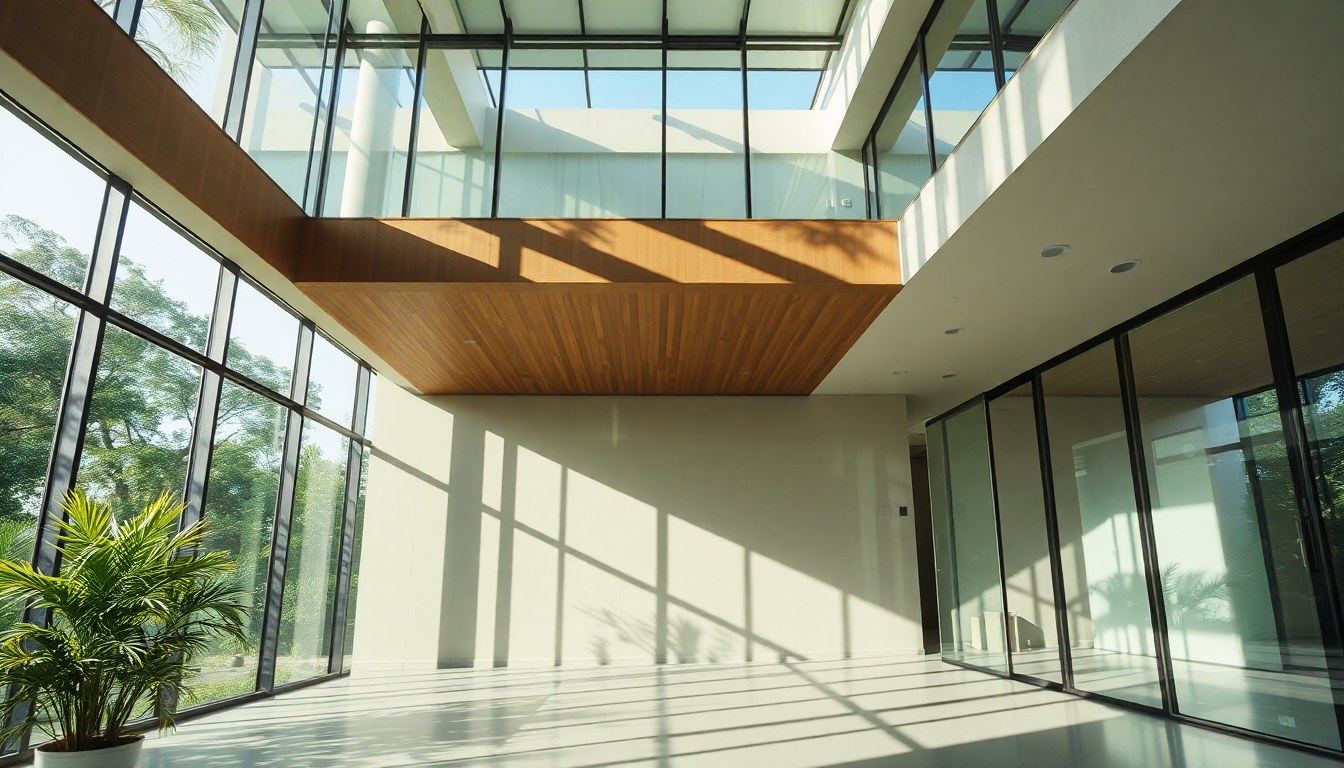
Bangalore's summers can push indoor temperatures into uncomfortable territory, driving air-conditioning costs through the roof. Low-emissivity (low-E) glass coating is a proven technology that reflects infrared heat while allowing visible light to pass through, keeping interiors cooler without sacrificing natural light. If you're building or renovating in a tropical climate, understanding how this coating works and its financial impact is essential to making smart glazing choices.
What Is Low-E Glass Coating?
Low-emissivity (low-E) coating is an ultra-thin, transparent layer of metallic oxides applied to glass surfaces. The coating is engineered to reflect infrared (heat) radiation while transmitting most of the visible light spectrum. This selective filtering is what makes low-E glass so effective in warm climates—it keeps radiant heat out while maintaining brightness indoors.
The coating is typically applied during the manufacturing process and bonds chemically to the glass. It's invisible to the naked eye, measuring just a few microns thick, yet it can reduce the solar heat gain coefficient (SHGC) of a window by 30–50% compared to standard clear glass. This makes it an intelligent choice for south-facing and west-facing windows in Bangalore homes and commercial buildings.
How the Coating Works at the Molecular Level
Low-E coatings work by exploiting the properties of different wavelengths of light. Visible light (wavelengths 400–700 nanometers) passes through the glass largely unimpeded, preserving your view and natural illumination. Infrared radiation (wavelengths above 700 nanometers), which carries heat, is reflected back outward by the metallic oxide layer. This selective transmission is achieved through careful material selection—typically silver, tin oxide, or zinc oxide layers—that are tuned to the desired optical and thermal properties.
Types of Low-E Coatings: Hard-Coat vs. Soft-Coat
There are two main categories of low-E coating technology, each with distinct advantages and trade-offs.
Hard-Coat (Pyrolytic) Low-E Glass
Hard-coat low-E is applied to the glass surface during the manufacturing process while the glass is still hot. The coating fuses chemically to the glass, making it extremely durable and resistant to scratching. Hard-coat glass can be tempered, laminated, and processed after coating without degradation. However, hard-coat coatings are less thermally efficient than soft-coat alternatives, with a lower solar heat gain coefficient. They are ideal for applications where the glass will be handled, transported, or processed further, such as in architectural projects managed by firms like studio anoma in Bangalore.
Soft-Coat (Sputtered) Low-E Glass
Soft-coat low-E is applied in a vacuum chamber after the glass has cooled, using a process called magnetron sputtering. The resulting coating is more thermally efficient—it can achieve SHGC values as low as 0.23 compared to hard-coat's typical 0.40. However, soft-coat is delicate and cannot tolerate scratching, moisture, or contact with alkaline materials. It must be sealed within an insulated glass unit (IGU) to protect it. For this reason, soft-coat is the standard choice in modern double-glazed and triple-glazed windows for residential and commercial buildings.
Heat Reduction Benefits in Bangalore's Climate
Bangalore experiences a tropical climate with significant solar radiation year-round. Summer temperatures regularly exceed 35°C, and direct sunlight through untreated windows can push interior surface temperatures 10–15°C higher. Low-E coatings directly address this challenge.
- Reduced Solar Heat Gain: Low-E glass can reduce the solar heat gain coefficient by 30–50%, meaning less infrared heat enters the building.
- Lower Air-Conditioning Load: With less heat entering through windows, HVAC systems run less frequently and consume less energy, directly lowering electricity bills.
- Improved Comfort: Rooms with low-E windows maintain more stable temperatures and experience fewer hot spots near glazed areas, enhancing occupant comfort.
- UV Protection: Many low-E coatings also block 99% of ultraviolet (UV) radiation, protecting furniture, artwork, and flooring from fading.
- Maintained Daylighting: Unlike reflective films or heavy tints, low-E coatings preserve natural light transmission, reducing dependence on artificial lighting during the day.
For architects and interior designers working on projects in Bangalore, such as studio anoma, specifying low-E glass in south and west-facing windows is a standard best practice for energy-efficient design.
Cost Analysis and ROI for Bangalore Homeowners
The upfront cost of low-E glass is higher than standard clear glass, but the long-term savings often justify the investment, especially in tropical climates where cooling costs are substantial.
Initial Cost Premium
Low-E coated glass typically costs 15–30% more than standard clear glass, depending on the type of coating, glass thickness, and whether it's part of an insulated glass unit. For a typical Bangalore home with 200 square meters of glazing, upgrading to soft-coat low-E glass in an IGU might add ₹80,000 to ₹1,50,000 to the total window budget. Hard-coat low-E is less expensive, adding around ₹30,000 to ₹60,000 for the same area but with lower thermal performance.
Energy Savings and Payback Period
Studies in Indian cities with climates similar to Bangalore show that low-E glass can reduce cooling energy consumption by 20–35%. For a home with an annual air-conditioning bill of ₹30,000–₹50,000, this translates to annual savings of ₹6,000–₹17,500. At an average savings rate of ₹10,000 per year, a ₹1,00,000 investment in low-E windows would pay for itself in 10 years. Many homeowners also experience additional indirect savings through reduced peak demand charges and improved HVAC system longevity due to lower operating stress.
For commercial buildings, the ROI is often faster because cooling costs are higher and the building operates year-round. Developers and building managers should consult with experienced glass dealers like Silicate Glass work to assess the cost-benefit analysis for their specific project.
Government Incentives and Green Building Standards
Buildings that incorporate low-E glass may qualify for incentives under India's Energy Conservation Building Code (ECBC) and can achieve higher ratings under green building certifications like LEED, IGBC, or GRIHA. These certifications can increase property value and attract premium tenants or buyers, further improving the overall ROI.
Installation and Maintenance Considerations
Proper installation is critical to the performance of low-E glass. The coating must face the correct direction within the insulated glass unit—typically facing inward (toward the interior of the building) in cooling-dominant climates like Bangalore. Incorrect orientation can significantly reduce its effectiveness.
Soft-coat low-E glass requires careful handling during installation. The sealed IGU protects the coating, but the edges and seals must be properly sealed to prevent moisture infiltration, which can degrade the coating over time. Professional installation by experienced glaziers is strongly recommended. If you're planning a project in Bangalore, working with established glass dealers ensures proper specification and installation of low-E systems.
Maintenance of low-E glass is straightforward—regular cleaning with mild soap and water is sufficient. Avoid abrasive cleaners or hard scrubbing, which could damage the coating if it's exposed (though in an IGU, the coating is protected). The coating itself does not degrade under normal indoor and outdoor exposure and will perform reliably for the life of the window, typically 20–30 years or more.
Frequently Asked Questions
Does low-E glass look different from regular glass?
No, low-E glass appears virtually identical to standard clear glass to the naked eye. The coating is transparent and only a few microns thick. You may notice a very slight greenish or bluish tint when looking at the edge of the glass or at an acute angle, but this is minimal and not visible when looking through the window normally. This makes low-E glass an excellent choice for buildings where aesthetics matter.
Can low-E glass be used in all window orientations?
Low-E glass is most beneficial on south and west-facing windows in the Northern Hemisphere (and north and west-facing in the Southern Hemisphere), where solar heat gain is highest. On north-facing windows or in shaded areas, the benefit is reduced. However, using low-E glass uniformly across all orientations simplifies manufacturing and installation, and the modest additional cost is often justified by the overall energy performance and UV protection benefits.
Is low-E glass suitable for retrofitting existing windows?
Retrofitting existing single-pane windows with low-E glass is not practical because the coating must be applied during manufacturing or sealed within an IGU. However, you can replace old windows with new low-E insulated glass units. This is a common renovation strategy in Bangalore, especially for older homes and commercial buildings seeking to improve energy efficiency.
How much can I save on my electricity bill with low-E glass?
Savings depend on your current cooling costs, the percentage of your building's surface area that is glazed, and your climate. In Bangalore, homeowners typically see 20–35% reductions in cooling energy consumption, translating to annual savings of ₹5,000–₹15,000 for a typical home. Commercial buildings with larger glazed areas and continuous cooling may save significantly more.
What is the lifespan of low-E coating?
When properly installed in an insulated glass unit, low-E coating is extremely durable and will last the life of the window—typically 20–30 years or more. The metallic oxide coating does not degrade under normal exposure to sunlight, temperature fluctuations, or indoor air. The limiting factor is usually the sealant or spacer in the IGU, not the coating itself.
Make the Smart Choice for Your Bangalore Home or Building
Low-E glass coating is a proven, cost-effective technology for reducing heat and cooling costs in tropical climates like Bangalore. Whether you're designing a new home, renovating an existing property, or planning a commercial building, specifying low-E glass in your windows is an investment in long-term comfort and energy savings. Connect with experienced glass suppliers and architects on glassy.in's directory to find trusted partners who can guide you through material selection, cost estimation, and professional installation. Browse our glass business directory today to discover local dealers, architects, and interior designers specializing in energy-efficient glazing solutions.