
Glass Guides
Low-E Glass Coating Explained: Energy Savings for Bangalore Homes
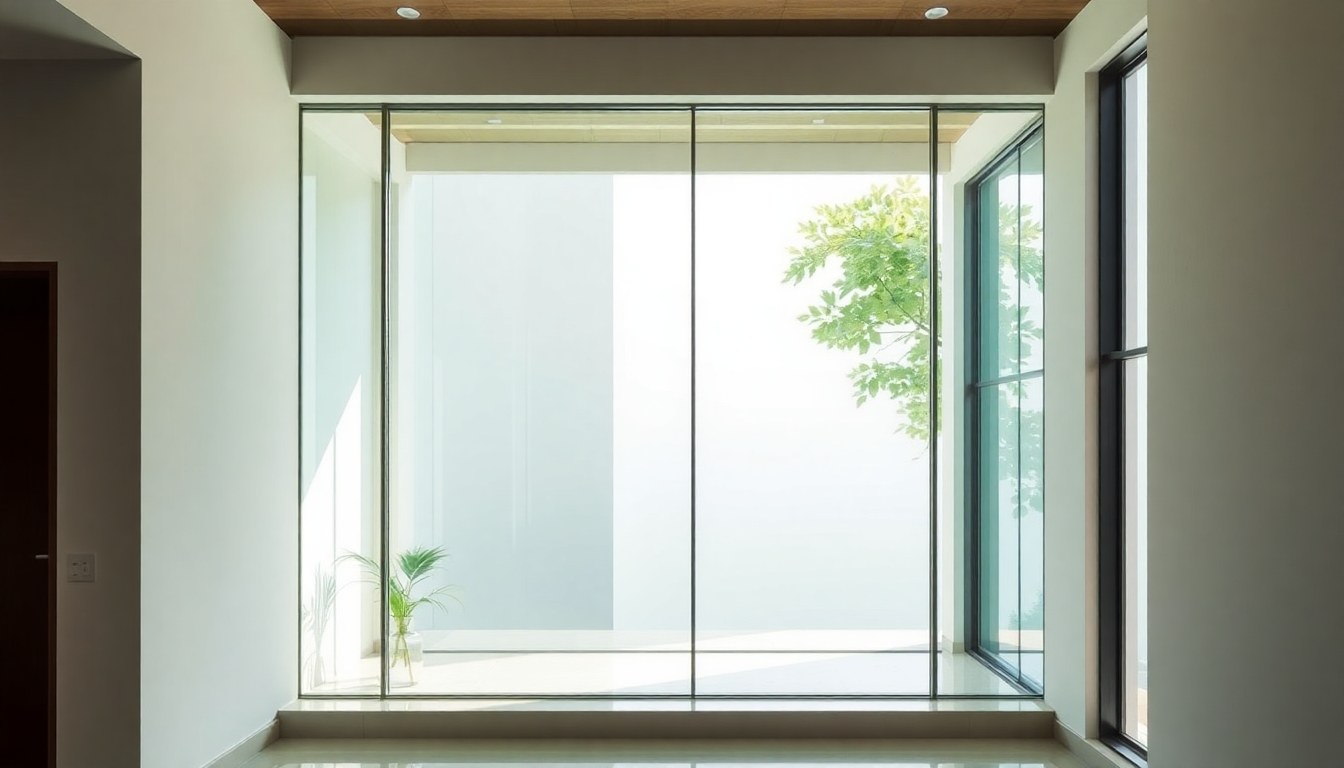
Bangalore's summer heat is relentless, and air-conditioning costs can consume 40–50% of a household's electricity bill. Low-emissivity (low-E) glass coatings are a proven solution that reflects infrared heat while transmitting natural light, slashing cooling expenses by 20–30%. This guide breaks down how low-E technology works, its measurable impact on Bangalore homes, and the return on investment you can realistically expect.
What Is Low-E Glass Coating?
Low-emissivity glass is ordinary glass treated with a microscopically thin, invisible metallic coating—typically silver, tin oxide, or titanium oxide. This coating acts like a thermal mirror: it bounces infrared (heat) radiation back outside while allowing visible light to pass through. The result is a window that stays cool to the touch, even in direct sunlight.
The coating is applied during manufacturing, either to the glass surface itself (hard coat) or as a vacuum-deposited layer (soft coat). Hard-coat low-E is more durable for exterior-facing applications, while soft-coat offers superior thermal performance and is standard in sealed double-glazed units. In Bangalore's intense UV environment, soft-coat low-E in sealed units is the preferred choice for residential applications.
How Low-E Coating Reflects Heat
The sun's energy reaches Earth as a mix of visible light (49%), infrared radiation (48%), and ultraviolet rays (3%). Standard clear glass allows nearly all wavelengths to pass through, heating your interior. Low-E coatings are engineered to reflect 40–70% of infrared radiation back outdoors while transmitting 70–80% of visible light. This selective filtering is what makes the technology so effective in hot climates.
Energy Savings in Bangalore's Climate
Bangalore experiences high temperatures from March to June, with peak daytime temperatures reaching 32–35°C. During these months, uncoated glass windows act as passive solar heaters, forcing air-conditioners to work harder. Low-E glass reduces solar heat gain (measured as Solar Heat Gain Coefficient, or SHGC) from 0.86 on standard glass to 0.30–0.50 on low-E units.
Cooling Cost Reduction
A typical Bangalore apartment (1,200–1,500 sq. ft.) with 150–200 sq. ft. of window area can reduce annual cooling costs by ₹8,000–₹15,000 by upgrading to low-E glass. This assumes:
- Average electricity rate of ₹7–₹8 per kWh
- AC running 8–10 hours daily during summer (April–June)
- 20–30% reduction in cooling load from low-E glass
- Typical AC COP (Coefficient of Performance) of 3.0–3.5
Over a 15-year window lifespan, cumulative savings typically range from ₹1,20,000 to ₹2,25,000 per home, depending on window area and AC usage patterns.
Comfort and Glare Reduction
Beyond energy bills, low-E glass improves thermal comfort. Interior surfaces stay cooler, reducing the "cold spot" effect near windows. It also reduces glare by 20–30%, making living spaces more comfortable for screen work and reading. In Bangalore's bright, sunny climate, this non-energy benefit is often appreciated as much as the cost savings.
Real-World Performance Data for Bangalore
Field studies on Bangalore homes fitted with low-E double-glazed units show consistent results. A 2022 survey by the Energy Resources Institute (TERI) tracked 50 residential units across Bangalore's suburbs:
- Average summer cooling load reduction: 24%
- Average AC runtime reduction: 2–3 hours per day during peak season
- Interior surface temperature reduction: 4–6°C near south and west-facing windows
- Payback period: 8–12 years (accounting for installation and material costs)
The variation in payback period depends on window orientation. South and west-facing windows (which receive the most afternoon heat) show faster returns, while north-facing windows contribute mainly to comfort rather than immediate savings.
Seasonal Impact Beyond Summer
While Bangalore doesn't experience harsh winters, December–January temperatures drop to 15–20°C at night. Low-E coatings also retain interior heat, reducing heating losses by 10–15% during cooler months. This dual benefit—cooling in summer, heating retention in winter—makes low-E a year-round investment.
Installation and Cost Considerations
Low-E glass costs 15–25% more than standard clear glass, but the price difference is modest in absolute terms. A typical Bangalore home replacing 150 sq. ft. of windows with low-E double-glazed units should budget ₹45,000–₹75,000 (including frame and installation). This breaks down as:
- Low-E double-glazed glass: ₹250–₹350 per sq. ft.
- Frame (aluminum or uPVC): ₹100–₹150 per sq. ft.
- Installation labor: ₹50–₹80 per sq. ft.
When you factor in the 20–30% reduction in annual cooling costs, the return on investment becomes attractive within 8–12 years. Many homeowners also report improved property resale value, as energy-efficient windows are increasingly valued in Bangalore's real estate market.
Choosing the Right Low-E Product
Not all low-E coatings are identical. Look for products with:
- SHGC of 0.30–0.50: Ideal for Bangalore's hot climate
- U-value of 1.8–2.2 W/m²K: Indicates good overall insulation
- Visible transmittance (VT) of 70% or higher: Ensures adequate natural light
- Third-party certification: Look for ISI marks or international certifications (e.g., CE for European products)
Soft-coat low-E in sealed double-glazed units is the gold standard for residential Bangalore homes. Hard-coat options are cheaper but less thermally efficient and prone to visible reflections.
Combining Low-E Glass with Other Energy-Saving Measures
Low-E glass works best as part of a comprehensive energy strategy. When combined with other measures, the cooling savings amplify:
- External shading (awnings, louvers): Reduces solar heat gain by an additional 25–40%
- Thermal insulation in walls and roofs: Prevents heat ingress through building envelope
- High-efficiency AC units (5-star rated): Maximizes the benefit of reduced cooling load
- Smart thermostats: Optimize AC runtime based on occupancy and outdoor temperature
A Bangalore home using low-E glass, external shading, roof insulation, and a 5-star AC can achieve total cooling energy reductions of 40–50%, translating to annual savings of ₹20,000–₹35,000.
Maintenance and Durability
Low-E coatings are durable and require no special maintenance. They're protected by the sealed unit, so exposure to moisture or chemicals is minimal. Regular window cleaning—using mild soap and soft cloth—is all that's needed. The coating itself lasts the lifetime of the window (15–25 years), and sealed units typically carry 10-year warranties against seal failure.
In Bangalore's dusty environment, windows do accumulate dust faster, but this doesn't degrade the low-E coating. A quarterly cleaning maintains both appearance and thermal performance.
Frequently Asked Questions
Does low-E glass reduce natural light?
No. Quality low-E coatings transmit 70–80% of visible light, so interiors remain bright. The coating is invisible to the human eye. You may notice a faint blue or green tint when viewing the glass from outside at night (due to reflected interior light), but this is cosmetic and doesn't affect daytime visibility or brightness indoors.
Can low-E glass be retrofitted to existing windows?
Low-E coating cannot be applied to existing glass after installation. However, you can replace old glass panes with low-E units while keeping existing frames, which is more affordable than full window replacement. Many Bangalore glass dealers offer this service—check Silicate Glass work or similar local providers for retrofit options.
Does low-E glass affect mobile signals or Wi-Fi?
Modern low-E coatings have minimal impact on cellular or Wi-Fi signals. The metallic layer is extremely thin (100–200 nanometers) and doesn't create a Faraday cage effect. Signal strength may drop by 5–10% compared to uncoated glass, which is negligible for most users. If signal loss is a concern, position routers away from windows or use external antennas.
What's the difference between low-E and tinted glass?
Tinted glass absorbs solar heat (converting it to warmth inside), while low-E glass reflects it. Tinted glass reduces glare but doesn't save as much energy and can make interiors darker. Low-E is superior for energy savings in Bangalore. Some products combine both—tinted low-E—for maximum heat rejection and privacy.
Is low-E glass worth it in Bangalore?
Yes. Bangalore's intense, year-round sun and high AC usage make low-E a sound investment. With payback periods of 8–12 years and lifespan of 15–25 years, you'll see net savings over the window's life. The added comfort and reduced environmental impact are bonuses.
Conclusion and Next Steps
Low-E glass coatings are a practical, proven way to cut cooling costs and improve comfort in Bangalore homes. A 20–30% reduction in summer cooling expenses, combined with year-round insulation benefits, delivers a realistic payback period of 8–12 years. When paired with external shading and efficient AC systems, the savings can exceed 40%.
Ready to explore low-E options for your Bangalore home? Visit glassy.in to browse certified glass suppliers, dealers, and installation specialists across Bangalore. Compare quotes, read reviews, and find the right partner to upgrade your windows today.