
Glass Guides
Low-E Glass Coating Degradation: Signs Your IGU Needs Replacement
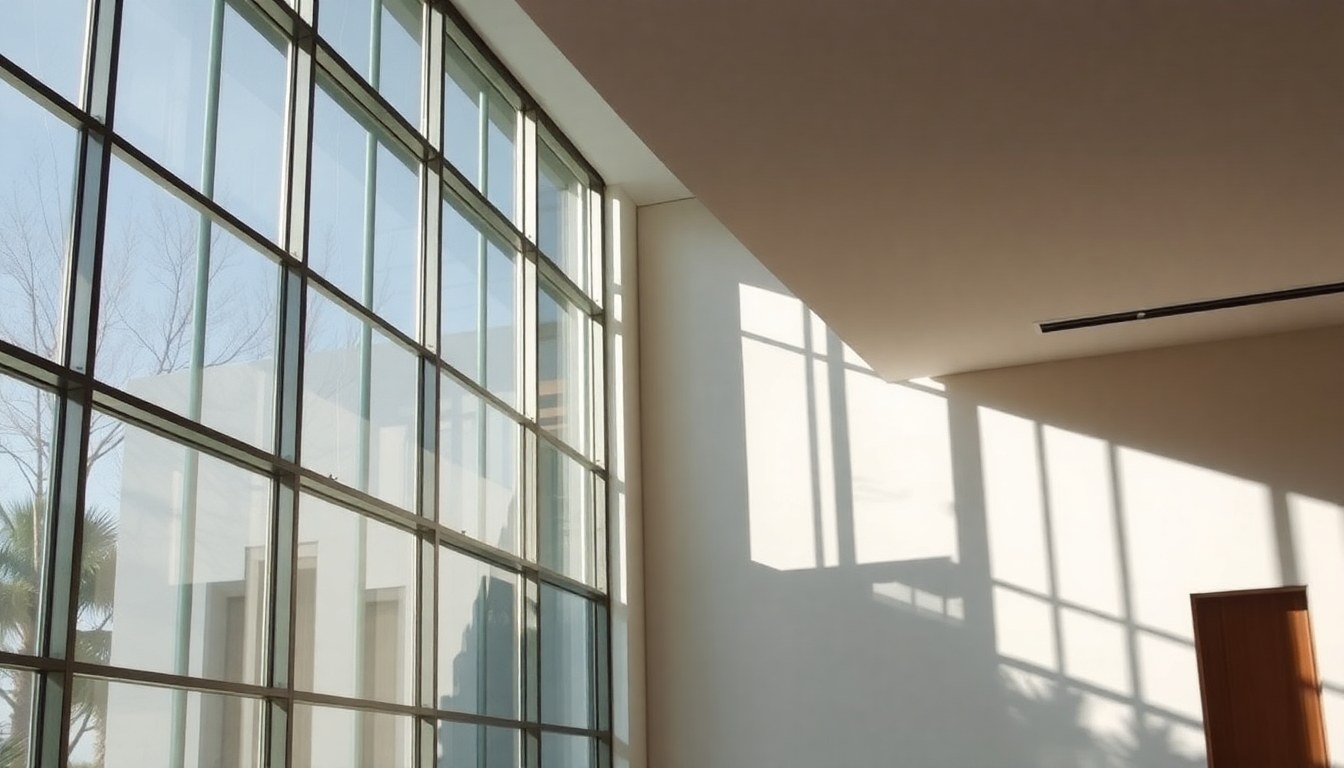
Low-emissivity (low-E) glass coatings are engineered to reflect heat while allowing light through, making them essential for energy-efficient windows and insulated glass units (IGUs). However, these microscopic metallic coatings can degrade over time, leading to cloudiness, discoloration, and loss of thermal performance. Understanding the warning signs helps you decide whether maintenance or replacement is necessary—and saves you money on energy bills.
What Is Low-E Glass Coating and Why Does It Degrade?
Low-E coatings are ultra-thin layers of metallic oxide (typically silver or tin oxide) applied to glass surfaces during manufacturing. They work by reflecting infrared radiation back into your home during winter while allowing solar heat gain in summer. This technology can reduce heat loss by up to 50% compared to standard glass, making it a popular choice in modern construction and renovation projects across India.
Degradation occurs through several mechanisms. Moisture infiltration between glass panes is the primary culprit—when the seal around an IGU fails, humidity and oxygen penetrate the cavity, corroding the delicate coating. Chemical reactions with gases trapped inside the unit, thermal cycling (repeated expansion and contraction), and poor manufacturing quality can also accelerate breakdown. In humid climates like coastal regions or monsoon-affected areas, this process happens faster.
Common Signs Your Low-E Coating Is Degrading
Cloudiness and Haze
Visible cloudiness or haze inside the IGU is one of the most obvious indicators of coating degradation. This appears as a milky film between the glass panes and cannot be cleaned from the outside. Unlike surface dust, internal haze indicates moisture has entered the sealed unit and begun corroding the metallic coating. The haze typically starts in corners where condensation is most likely to accumulate.
Discoloration or Staining
You may notice brownish, yellowish, or greenish discoloration on the interior glass surface. This is oxidation of the coating materials—a chemical breakdown that indicates advanced degradation. Discoloration patterns often follow moisture paths within the cavity, appearing as streaks or patches rather than uniform coverage. This stage suggests the IGU's seal has been compromised for some time.
Reduced Thermal Performance
If your heating or cooling costs have increased noticeably, your low-E coating may no longer be functioning effectively. A degraded coating loses its reflective properties, allowing more heat to escape in winter and enter in summer. You might also notice temperature differences near windows—cold spots in winter or hot areas in summer indicate the insulation value has dropped significantly.
Visible Condensation Between Panes
Condensation forming between the glass layers (not on the surface) is a clear sign the seal has failed. This moisture is trapped inside the cavity and cannot evaporate naturally. Over time, this moisture causes the coating to corrode and creates the cloudiness described above. If you see water droplets or frost between panes, replacement is usually necessary.
Peeling or Flaking Coating
In severe cases, you may actually see the coating beginning to peel away from the glass surface, appearing as silver or metallic flakes. This is irreversible damage and means the coating has lost adhesion to the substrate. Once peeling begins, the window's energy efficiency is completely compromised.
Diagnosing the Problem: Is It Really the Coating?
Before assuming replacement is necessary, confirm the issue is actually coating degradation. Surface condensation on the outside of windows (especially on cold mornings) is normal and does not indicate a problem. Similarly, dust or dirt on the glass surface can be cleaned away. The key distinction is that coating degradation occurs inside the sealed unit and cannot be removed by cleaning.
Check the window's age and warranty. Most IGU manufacturers offer 10–15 year warranties on low-E coatings. If your windows are within this period and showing degradation, contact the supplier or installer—many will replace units at no cost. For windows beyond warranty, consult a professional glass technician who can assess whether repair or replacement is more cost-effective. Professionals like those at Silicate Glass Work can provide detailed inspections and recommendations tailored to your specific situation.
Maintenance Tips to Extend Low-E Coating Lifespan
While you cannot reverse coating degradation, proper maintenance can slow the process and protect your investment:
- Maintain Proper Ventilation: Ensure bathroom and kitchen exhaust fans vent outside, not into attics or walls. Excess indoor humidity accelerates seal failure and coating corrosion.
- Monitor Seals Regularly: Inspect the caulking and weatherstripping around window frames annually. Replace any cracked or deteriorated sealant immediately to prevent moisture infiltration.
- Control Interior Humidity: Keep indoor humidity between 30–50% using dehumidifiers or air conditioning. High humidity (above 60%) speeds up coating degradation.
- Clean Gently: Use only soft cloths and mild soapy water on low-E glass. Avoid abrasive cleaners or rough materials that can scratch the coating's surface.
- Avoid Thermal Shock: Do not expose windows to sudden extreme temperature changes (e.g., spraying cold water on hot glass). This stress can weaken seals and accelerate degradation.
- Professional Inspection: Have windows inspected every 5 years, especially in humid climates. Early detection of seal failure can sometimes allow repair rather than full replacement.
Replacement Options and Considerations
If your low-E IGU has degraded beyond repair, replacement is the practical solution. Modern low-E coatings are significantly more durable than older versions, with many manufacturers offering 20–25 year warranties. When selecting replacement units, specify high-quality coatings and ensure proper installation by certified professionals.
The cost of IGU replacement varies based on size, frame type, and coating specification. In India, expect to pay ₹800–₹2,500 per square foot for quality low-E IGUs, depending on the region and supplier. While this is an investment, the energy savings typically recover the cost within 5–7 years through reduced heating and cooling expenses. When planning window replacement, architects and interior designers like Linear Design can help integrate new glass specifications with your overall design vision.
Ensure your installer uses proper spacers (preferably warm-edge spacers), high-quality sealants, and follows manufacturer guidelines for installation. Poor installation is a leading cause of premature seal failure. Request a warranty certificate and keep records of the work performed.
Frequently Asked Questions
Can I clean away the cloudiness inside my IGU?
No. Cloudiness inside a sealed IGU cannot be cleaned because it forms between the glass panes where moisture has entered. The haze is caused by coating corrosion and moisture accumulation, not surface dirt. This is a sign the seal has failed and the unit needs replacement.
How long do low-E coatings typically last?
Quality low-E coatings last 15–25 years under normal conditions. Lifespan depends on climate (humid regions see faster degradation), installation quality, and maintenance. Poor ventilation and high indoor humidity can reduce lifespan to 10 years or less. Always check your manufacturer's warranty for specific coverage.
Is coating degradation covered by warranty?
Most manufacturers offer 10–15 year warranties on low-E coating performance. If your IGU is within the warranty period and shows signs of degradation, contact your supplier or installer immediately. Many will replace the unit at no charge. Warranty terms vary, so review your documentation carefully.
Can I replace just the coating without replacing the entire IGU?
No. The low-E coating is applied during manufacturing and cannot be recoated in the field. Once degraded, the only solution is to replace the entire IGU. Some suppliers offer refurbished units at a lower cost, but a complete new unit is the most reliable option.
Will replacing my IGU significantly reduce my energy bills?
Yes, if your current low-E coating is degraded. A functioning low-E IGU can reduce heat loss by 50% compared to single-pane glass. Replacing a degraded unit with a new high-performance low-E IGU typically reduces heating and cooling costs by 10–20%, depending on climate and how much of your window area is affected.
Conclusion and Next Steps
Low-E glass coating degradation is a common issue in older IGUs, particularly in humid climates across India. Cloudiness, discoloration, and rising energy bills are clear warning signs that your coating has failed. While maintenance cannot reverse degradation, proper ventilation, humidity control, and regular inspections can extend the lifespan of your current windows and protect new installations.
If you suspect your IGU needs replacement, contact a qualified glass supplier or installer in your area. Professionals at Kajal Glass Shop and similar trusted dealers can provide assessments and recommend the best solutions for your home. For larger renovation projects, consult with architects or interior designers who can specify appropriate low-E coatings as part of your overall design strategy.
Browse the glassy.in directory to find certified glass suppliers, installers, and design professionals near you. Whether you need urgent replacement or long-term planning, our network of verified businesses can help ensure your windows perform at their best for decades to come.