
Glass Guides
Low-E Coated IGU Glass: Reduce Summer Heat in Bangalore Homes by 40%
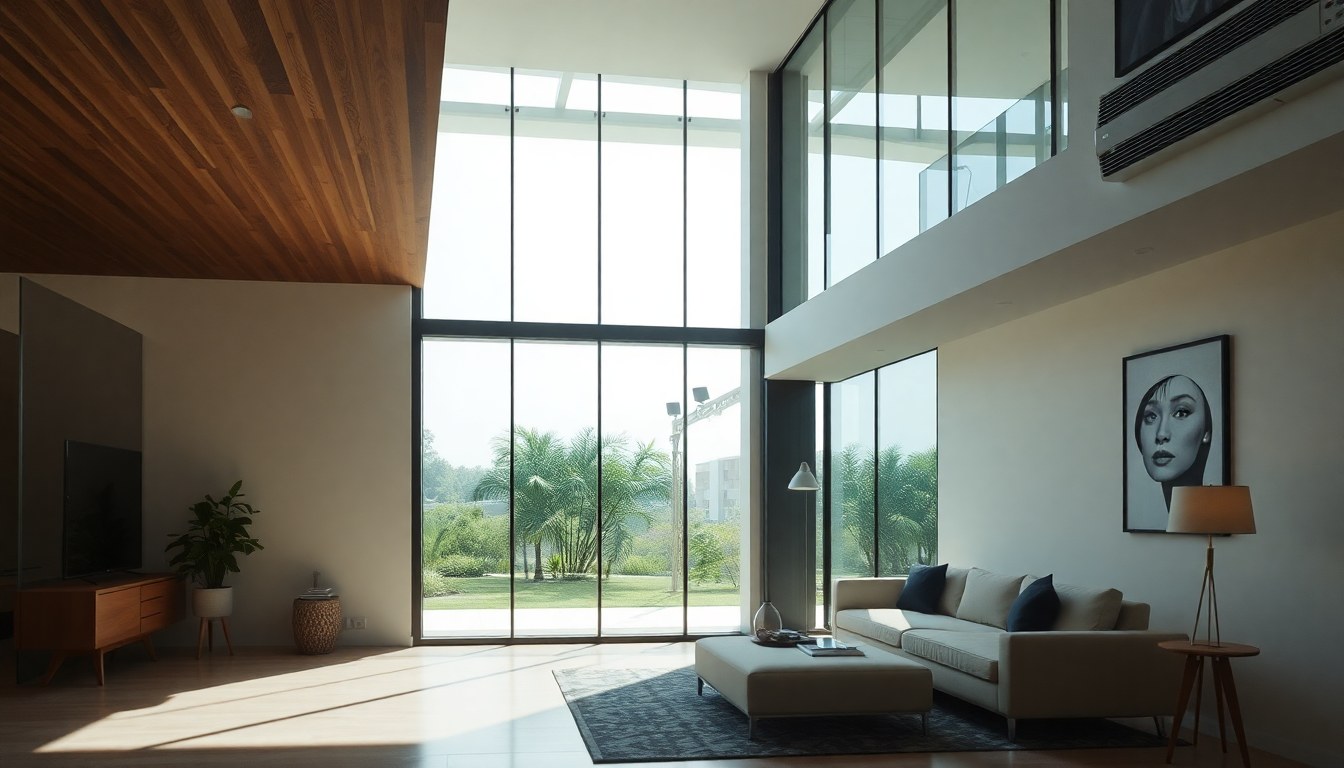
Bangalore's relentless summer heat drives air conditioning costs through the roof, with homeowners spending significantly more on cooling than in milder climates. Low-emissivity (low-E) coated insulated glazing units (IGU) offer a proven solution to reduce solar heat gain by up to 40%, cutting cooling loads and energy bills substantially. This guide explains the science behind low-E coatings, how they perform in Bangalore's specific climate conditions, and why they represent one of the smartest investments for modern homes.
What Is Low-E Coated IGU Glass?
Low-emissivity coating is a microscopically thin, transparent metallic layer applied to glass surfaces that reflects infrared (heat) radiation while allowing visible light to pass through. In an insulated glazing unit (IGU), two or three panes of glass are separated by air or gas-filled gaps, with low-E coating typically applied to one or more interior surfaces. This combination creates a thermal barrier that keeps heat outside during summer and retains warmth inside during winter.
The coating itself is usually made from silver, tin oxide, or other metallic compounds applied through sputtering or chemical vapor deposition. The result is nearly invisible to the naked eye—your windows look normal, but they work like thermal shields. For Bangalore homes, the summer-focused benefit of heat reflection is particularly valuable, as the city experiences intense solar radiation for six to eight months annually.
How Low-E Coating Works
Low-E coatings operate on a simple principle: they have high reflectivity to infrared radiation (which carries heat) but high transmissivity to visible light. When sunlight strikes the coated glass, the coating allows the visible light spectrum to enter your home (so you maintain clarity and natural light) but reflects 40-70% of the infrared radiation back outside. This selective transmission is what makes low-E glass fundamentally different from tinted or reflective glass, which blocks both heat and light equally.
Low-E Glass Performance in Bangalore's Climate
Bangalore's climate presents a unique challenge: it experiences high solar irradiance, especially from March to May, with temperatures regularly exceeding 35°C. The city's elevation (around 920 meters) means clearer skies and stronger UV radiation compared to coastal regions. Low-E coated IGU glass is specifically engineered to address these conditions.
Heat Reduction Metrics for Bangalore
Studies and real-world installations show that low-E coated IGU glass reduces solar heat gain coefficient (SHGC) from a typical 0.80 (for standard clear glass) to 0.25-0.35 (for high-performance low-E coatings). In practical terms, this means:
- 40% reduction in solar heat gain compared to standard clear glass IGU
- Visible light transmittance (VLT) of 65-75%, maintaining brightness without glare
- U-value improvement from 2.7 W/m²K (standard IGU) to 1.4-1.8 W/m²K (low-E IGU)
- Annual cooling load reduction of 25-35% for typical Bangalore homes
For a 2,000 sq. ft. home with 200 sq. ft. of glazing (windows and glass doors), switching to low-E coated IGU can reduce peak summer cooling demand by 1-2 tons of air conditioning capacity, translating to ₹15,000-₹30,000 in avoided AC installation costs plus 20-30% lower monthly electricity bills during summer months.
UV Protection and Comfort Benefits
Beyond heat reduction, low-E coatings block 99% of UV radiation, protecting furniture, artwork, and flooring from fading. Homeowners also report improved thermal comfort—fewer hot spots near windows, more consistent room temperatures, and reduced glare during peak sun hours. In Bangalore's intense afternoon sun, this comfort improvement is noticeable within days of installation.
Types of Low-E Coatings: Hard Coat vs. Soft Coat
Two main technologies dominate the market: hard-coat (pyrolytic) and soft-coat (sputtered) low-E coatings. Understanding the differences helps you choose the right product for your Bangalore home.
Hard-Coat (Pyrolytic) Low-E
Hard-coat low-E is applied during the glass manufacturing process at extremely high temperatures, fusing the coating into the glass surface. It is extremely durable, scratch-resistant, and can withstand years of handling during installation. However, hard-coat low-E has slightly lower thermal performance (U-value around 2.0-2.2 W/m²K) and higher visible light absorption compared to soft-coat alternatives. Hard-coat is ideal for single-pane applications and situations where durability is paramount, though it is less common in modern IGU assemblies.
Soft-Coat (Sputtered) Low-E
Soft-coat low-E is applied in a controlled vacuum chamber after the glass is manufactured, creating a more delicate but higher-performance coating. Soft-coat delivers superior thermal performance (U-value as low as 1.4 W/m²K) and better solar heat rejection, making it the preferred choice for Bangalore's climate. The coating is protected inside the sealed IGU unit, so durability is not compromised. Most premium low-E IGU products sold in India use soft-coat technology for this reason.
Cost-Benefit Analysis for Bangalore Homeowners
Low-E coated IGU glass costs 20-40% more than standard clear IGU—typically ₹800-₹1,200 per sq. ft. compared to ₹600-₹800 for standard IGU. For a home with 200 sq. ft. of glazing, this represents an additional investment of ₹40,000-₹80,000. However, the return on investment is compelling in Bangalore's hot climate.
Energy Savings Calculation
A typical Bangalore home using air conditioning 8-10 hours daily during summer (April-June) spends ₹15,000-₹25,000 monthly on cooling. Low-E glass reduces this by 25-35%, saving ₹4,000-₹8,000 per month during peak season. Over three months of peak summer, annual savings can reach ₹12,000-₹24,000. Factoring in reduced maintenance costs for AC units (they operate at lower capacity and last longer) and improved comfort, the additional investment in low-E coating typically pays for itself within 3-5 years.
Additionally, homes with energy-efficient features like low-E glass command a 5-8% price premium in Bangalore's real estate market, further enhancing long-term value.
Government Incentives and Certifications
While direct government subsidies for residential low-E glass are limited, some Bangalore municipalities offer energy efficiency rebates under state-level green building initiatives. Products certified by NFRC (National Fenestration Rating Council) or equivalent Indian standards (BIS) provide assurance of performance claims. Always verify certifications before purchase.
Installation and Maintenance Considerations
Proper installation is critical to realizing the benefits of low-E coated IGU glass. Poor sealing, incorrect orientation, or inadequate framing can compromise thermal performance. When planning a window upgrade or new construction, consulting with experienced architects and glass installers ensures optimal results. Firms like DCAE-DC Architects Engineers and StudioPHI Architects have expertise in specifying high-performance glazing for tropical climates.
Maintenance of low-E glass is straightforward—standard window cleaning with mild soap and water is sufficient. Avoid abrasive materials or harsh chemicals that could damage the coating. The sealed IGU unit itself requires no maintenance; if condensation appears between panes, it indicates seal failure and the unit should be replaced.
Orientation matters significantly in Bangalore. West and south-facing windows benefit most from low-E coating due to afternoon heat gain. North-facing windows receive less direct sun and may prioritize daylighting over heat rejection. A qualified architect can optimize glass selection by orientation for maximum energy efficiency.
Frequently Asked Questions
Does low-E coating reduce natural light and make my home darker?
No. Modern low-E coatings maintain 65-75% visible light transmittance, meaning your home remains bright and well-lit. The coating is nearly invisible and does not create a noticeable darkening effect. You may notice a slight reduction in glare during peak sun hours, which most homeowners appreciate.
Is low-E coating suitable for all window orientations in Bangalore?
Low-E coating is beneficial for all orientations, but it delivers the greatest energy savings on west and south-facing windows that receive intense afternoon sun. North-facing windows receive less direct solar gain, so standard IGU may be sufficient for those exposures. An energy audit or consultation with an architect can help optimize glass selection by window location.
How long does low-E coating last?
When installed as part of a sealed IGU unit, low-E coating is protected and lasts the lifetime of the glass—typically 20-30 years or more. The sealed unit itself is the limiting factor; if the seal fails, the entire IGU should be replaced. Hard-coat low-E is more scratch-resistant if exposed, but soft-coat low-E (used in IGU) is fully protected and equally durable.
Can I retrofit existing windows with low-E coating?
Retrofitting existing single-pane or older IGU windows with low-E coating is not practical. Low-E coating must be applied during manufacturing or in a controlled vacuum environment. The cost-effective approach is to replace old windows with new low-E coated IGU units. This also improves structural integrity and weather sealing.
What is the difference between low-E and tinted glass for heat reduction?
Tinted glass reduces both heat and visible light equally, making your home darker and reducing natural daylighting. Low-E coating selectively reflects heat while allowing light through, maintaining brightness. For Bangalore homes, low-E is superior because it reduces cooling costs without sacrificing the benefits of natural light and views.
Conclusion: Make the Smart Choice for Your Bangalore Home
Low-E coated IGU glass represents one of the most effective and cost-efficient upgrades for managing summer heat in Bangalore homes. With 40% heat reduction, 25-35% cooling cost savings, and long-term durability, the investment pays for itself within 3-5 years while dramatically improving comfort and home value. Whether you're building new or renovating, specifying low-E glass should be a priority in Bangalore's hot climate.
Ready to upgrade your home's glazing? Browse verified glass suppliers, manufacturers, and installation experts in Bangalore on glassy.in, India's largest glass-business directory. Find the right partner to specify and install high-performance low-E coated IGU glass tailored to your home's needs.