
Glass Guides
Low-E Coated Glass vs Standard Tinted Glass: Thermal Performance & ROI
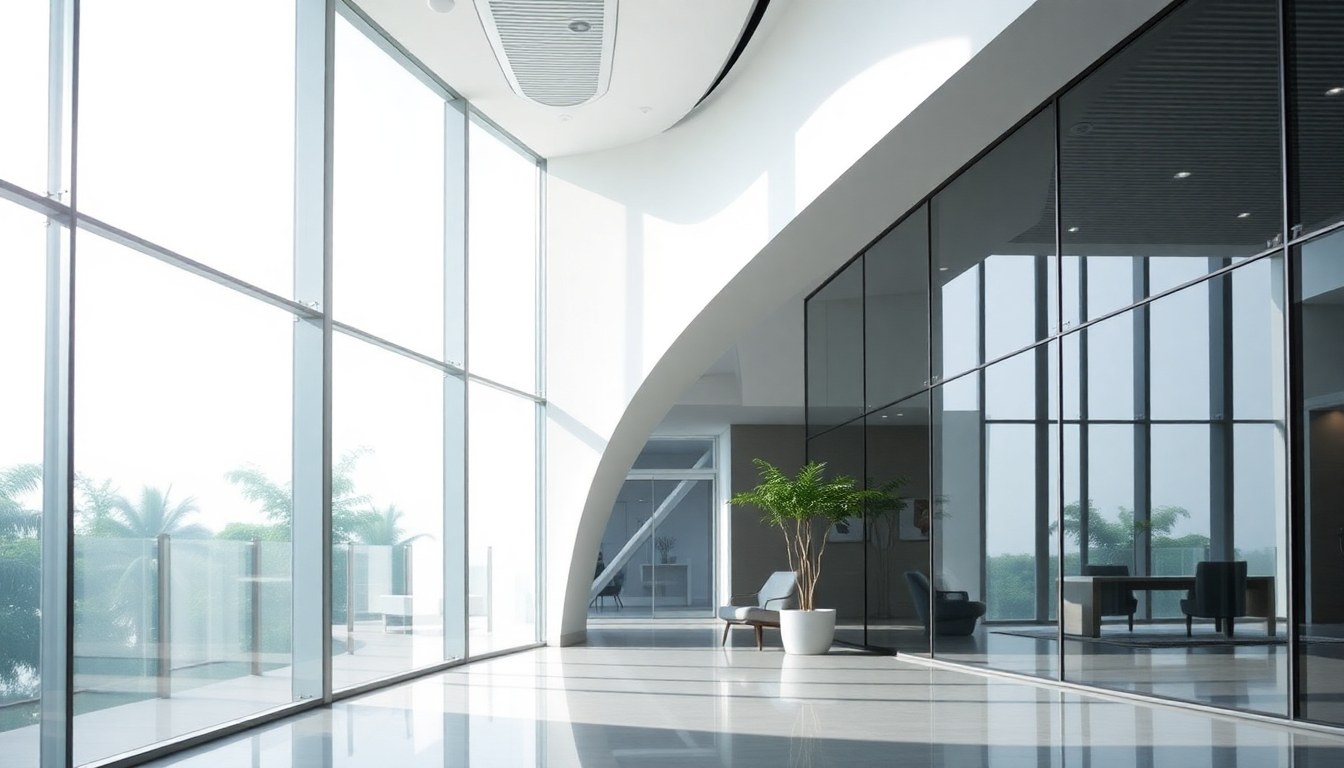
When you're choosing glass for a new building or renovation in India, the decision between low-emissivity (low-E) coated glass and standard tinted glass can significantly impact your energy bills and comfort. Both reduce heat gain, but they operate on fundamentally different principles—and their performance varies dramatically across seasons. Understanding these differences helps you invest wisely in the right solution for your climate and budget.
What Is Low-E Coated Glass and How Does It Work?
Low-emissivity glass features an ultra-thin metallic or metal-oxide coating (typically silver, tin oxide, or a combination) applied to one surface during or after manufacturing. This microscopic layer—invisible to the naked eye—reflects infrared radiation (heat) while allowing visible light to pass through. The coating works year-round: in summer, it bounces solar heat away; in winter, it reflects interior heat back indoors, reducing heating losses.
The effectiveness of low-E coatings is measured by their emissivity value (ranging from 0.04 to 0.15 for high-performance coatings). Lower values mean better heat reflection. Hard-coat low-E (applied during glass production) is more durable but less efficient; soft-coat low-E (applied post-production in a vacuum chamber) offers superior thermal performance but requires protective handling during installation.
Types of Low-E Coatings Available in India
- Hard-coat (pyrolytic) low-E: Applied at 600°C during float glass production; more robust and cheaper, but emissivity around 0.15
- Soft-coat (sputtered) low-E: Vacuum-deposited after production; superior performance (emissivity 0.04–0.08) but requires careful handling and protective spacers in IGUs
- Spectrally selective low-E: Optimized to reject near-infrared heat while maximizing visible light transmission; ideal for tropical climates
Standard Tinted Glass: Mechanism and Limitations
Tinted glass achieves heat reduction through bulk absorption. Colored metallic oxides (iron, cobalt, or bronze) are mixed into the molten glass during production, causing the entire pane to absorb solar radiation. The absorbed energy is then re-radiated both inward and outward, with roughly 50% of the heat entering the building interior. This is why tinted glass alone is less efficient than low-E coatings for heat rejection.
Common tints in India include gray, bronze, and green. Gray tint is most neutral for color rendering; bronze reduces glare and offers a warmer aesthetic; green is less common but provides good light transmission. The thickness of tinted glass (typically 5mm, 6mm, or 8mm) affects the degree of heat absorption—thicker glass absorbs more heat but also costs more.
Heat Rejection Capacity of Tinted Glass
A standard 6mm bronze-tinted glass rejects approximately 50–65% of solar heat, depending on the tint depth and iron oxide concentration. However, because tinted glass absorbs rather than reflects heat, the glass itself becomes hot, increasing thermal stress and the risk of spontaneous breakage in certain edge conditions. Additionally, tinted glass provides no winter heating benefit—it absorbs heat year-round without reflecting interior warmth back indoors.
Thermal Performance Comparison: Summer and Monsoon Scenarios
Summer Performance (March–May)
In Indian summers, outdoor temperatures often exceed 40°C, and solar irradiance peaks at 800–1000 W/m². Low-E coated glass (soft-coat) reflects 60–80% of incident solar radiation, keeping the glass surface cooler and reducing indoor cooling load by 20–35%. A typical office with 500 m² of glazing using low-E glass might save 15–25 kWh per day during peak summer, translating to ₹1,500–₹2,500 daily savings in air-conditioning costs (at ₹5–6 per kWh).
Tinted glass, by contrast, absorbs 40–50% of solar heat, with much of it eventually entering the building. The same 500 m² office using bronze tint would see cooling savings of only 8–12 kWh per day—roughly 50% less effective than low-E. Additionally, the absorbed heat causes the glass surface to reach 50–60°C, creating thermal discomfort near windows and increasing stress on the pane.
Monsoon Performance (June–September)
During monsoon, cloud cover reduces solar irradiance to 300–500 W/m², and the priority shifts from heat rejection to maintaining adequate daylight. Here, tinted glass performs relatively better because the reduced sunlight means less heat absorption; however, the constant tint reduces visible light transmission (VLT) by 20–40%, requiring more artificial lighting and offsetting some energy gains. Low-E coated glass, particularly spectrally selective variants, maintains 70–80% VLT while still managing heat, making it superior for monsoon months when daylighting is valuable.
Winter Behavior (October–February)
In winter, especially in northern India, low-E coatings shine. A soft-coat low-E glass reflects 40–60% of interior heat back indoors, reducing heating losses by 25–40%. Tinted glass offers no such benefit—it remains neutral to interior warmth. For buildings with significant heating requirements (particularly in Delhi, Bangalore highlands, or hill stations), low-E glass delivers measurable winter savings.
Cost Analysis and Payback Period Calculation
Material and Installation Costs
As of 2024 in India, typical pricing is:
- Standard clear glass (6mm): ₹80–120 per sq. m.
- Standard tinted glass (6mm, bronze/gray): ₹150–250 per sq. m.
- Hard-coat low-E glass (6mm): ₹400–600 per sq. m.
- Soft-coat low-E glass (6mm, in IGU): ₹800–1,200 per sq. m. (including frame and spacer)
Installation costs are similar across all types (₹50–100 per sq. m.), but low-E glass requires skilled handling to avoid coating damage. Architects and contractors like Priya Architectural Solutions and Groove Designs recommend soft-coat low-E in insulated glass units (IGUs) for maximum durability and performance.
Energy Savings Model: 500 m² Office Building
Scenario 1: Tinted Glass (Bronze, 6mm)
- Material + installation: 500 m² × ₹250 = ₹1,25,000
- Annual cooling energy savings: ~15% (estimated 40,000 kWh/year saved) = ₹2,40,000/year at ₹6/kWh
- Payback period: 6–7 months
Scenario 2: Soft-Coat Low-E Glass (in IGU)
- Material + installation: 500 m² × ₹1,000 = ₹5,00,000
- Annual cooling energy savings: ~28% (estimated 75,000 kWh/year saved) = ₹4,50,000/year
- Payback period: 13–14 months
- 10-year net savings: ₹40,50,000 (after payback)
While low-E glass has a longer payback period, the cumulative savings over 10–15 years far exceed tinted glass. Additionally, low-E glass adds resale value and meets modern green building standards (LEED, IGBC), whereas tinted glass does not.
Factors Affecting ROI
- Climate zone: Hotter regions (Mumbai, Delhi, Hyderabad) see faster payback for low-E; cooler regions benefit less
- Electricity tariff: Higher tariffs (₹8–10/kWh in some metros) improve low-E ROI significantly
- Building orientation: West-facing glazing sees 30–40% more solar load; low-E pays back faster here
- HVAC efficiency: Modern, well-maintained air-conditioning systems amplify the benefits of low-E glass
- Occupancy patterns: 24/7 buildings (hospitals, data centers) see higher absolute savings with low-E
Durability, Maintenance, and Long-Term Considerations
Tinted glass is extremely durable—the color is integral to the material, so it never fades or degrades. Maintenance is straightforward: standard window cleaning with mild soap and water. Tinted glass also resists moisture ingress better than soft-coat low-E, making it preferable in high-humidity coastal areas (Mumbai, Kochi) unless the low-E is in a sealed IGU.
Soft-coat low-E coatings, while highly effective, are more delicate. The coating can be scratched during installation or cleaning, and prolonged moisture exposure (in poorly sealed IGUs) can cause coating degradation. Hard-coat low-E avoids these issues but with lower efficiency. In India's monsoon climate, soft-coat low-E must be specified in sealed, high-quality IGUs with desiccant-filled spacers to prevent moisture ingress.
Architects like Linear Design and Makrand Pataskar Architect often recommend a hybrid approach: low-E on south and west facades (maximum solar exposure) and tinted glass on north-facing windows (minimal solar gain, lower cost).
Regulatory and Certification Considerations
India's Energy Conservation Building Code (ECBC) 2017 recommends Solar Heat Gain Coefficient (SHGC) values of 0.40 or lower for buildings in hot-humid climates. Soft-coat low-E glass typically achieves SHGC of 0.25–0.35; hard-coat low-E achieves 0.40–0.50; tinted glass achieves 0.35–0.50 depending on tint depth. For LEED or IGBC green building certification, low-E glass is strongly preferred and often mandatory for new commercial construction.
State-level incentives vary. Some states (Maharashtra, Karnataka) offer tax breaks or subsidies for buildings meeting ECBC standards; low-E glass qualifies, while basic tinted glass does not. Check with your local municipal authority or green building council for applicable incentives in your region.
Frequently Asked Questions
Can low-E glass be used in monsoon-prone areas without risk of coating degradation?
Yes, provided it is specified as soft-coat low-E within a sealed insulated glass unit (IGU) with a high-quality aluminum or warm-edge spacer and silicone or structural glazing sealant. The sealed IGU prevents moisture from reaching the coating. Hard-coat low-E is inherently more resistant to moisture but offers lower thermal performance. Ensure your glazing contractor uses ISO 9001-certified IGU manufacturers and performs quality checks on seal integrity.
Is tinted glass sufficient for energy efficiency in Indian offices, or should I upgrade to low-E?
Tinted glass reduces cooling loads by 15–25% and is cost-effective for buildings with modest air-conditioning requirements or tight initial budgets. However, if you plan to occupy the building for 10+ years or if electricity tariffs are high (₹7/kWh or above), low-E glass delivers superior long-term ROI. For new commercial construction targeting green certifications, low-E is essential.
Does low-E glass reduce natural light and daylight inside buildings?
No. Spectrally selective low-E coatings are engineered to transmit 70–80% of visible light while reflecting infrared heat. You maintain natural daylighting while rejecting heat. Standard tinted glass, conversely, reduces visible light transmission by 20–40%, often requiring supplementary artificial lighting, which increases energy consumption during monsoon months.
What is the typical lifespan of low-E coatings in India's tropical climate?
Soft-coat low-E coatings in sealed IGUs typically last 20–25 years with proper maintenance. Hard-coat low-E lasts 30+ years. Tinted glass is essentially permanent—it won't degrade. The limiting factor for low-E is usually IGU seal failure (allowing moisture ingress), which can occur in 15–20 years if spacers and sealants are poor quality. Invest in premium IGU specifications from certified manufacturers.
Can I retrofit existing windows with low-E glass, or do I need to replace entire frames?
Retrofitting soft-coat low-E requires replacing entire IGU units because the coating is applied in a controlled factory environment. Hard-coat low-E can sometimes be retrofitted as a single pane, but it offers lower performance. Full frame replacement is recommended for optimal thermal performance and durability. Consult with experienced glazing contractors or architectural firms like Artiifice Interior Pvt. Ltd. to assess your building's retrofit feasibility.
Making the Right Choice for Your Building
The choice between low-E coated glass and tinted glass depends on your project timeline, budget, climate zone, and long-term occupancy plans. Tinted glass is ideal for budget-conscious retrofits, heritage buildings, or short-term leases. Low-E glass is the superior choice for new construction, long-term ownership, green building aspirations, and climates with high cooling demands. In India's diverse climate zones—from humid coastal areas to hot-dry interiors to temperate highlands—low-E glass consistently outperforms tinted glass in energy efficiency, though at higher upfront cost.
For personalized guidance on glass selection tailored to your building's orientation, location, and usage patterns, consult experienced architects and glazing specialists. Professionals across India—from Mumbai to Bangalore to Delhi—are increasingly recommending low-E glass for its long-term value and sustainability credentials.
Ready to explore glass options for your project? Browse verified glass suppliers, architects, and installation experts on glassy.in, India's largest glass-business directory. Find local specialists who can assess your building's needs and recommend the right thermal glass solution for maximum comfort and savings.