
Buying Guides
Low-E Coated Glass vs Standard Toughened: Energy Cost Comparison for Delhi
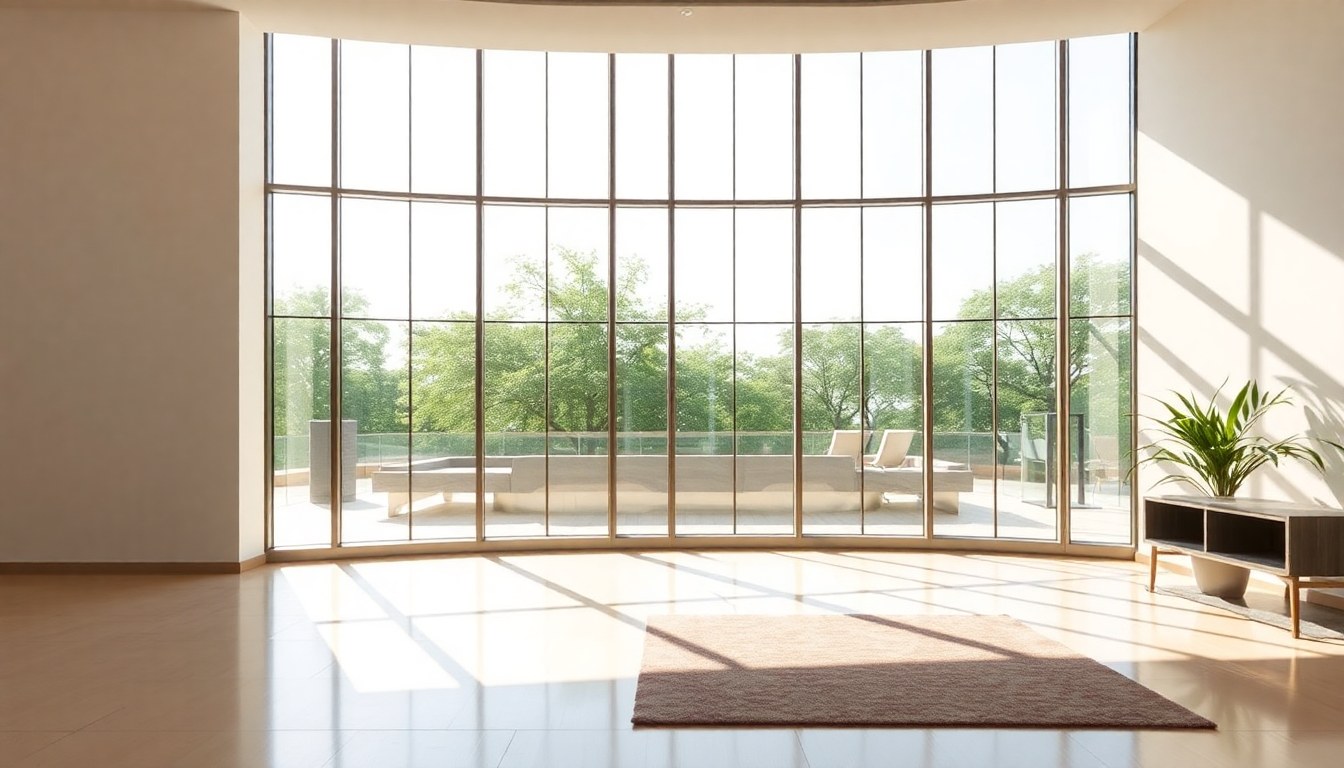
Delhi's scorching summers push air conditioning units to their limits, driving electricity bills sky-high for homeowners. Low-emissivity (low-E) coated glass has emerged as a game-changing solution that reflects heat while allowing light through, potentially cutting cooling costs by 25–30%. But is the premium price tag justified in Delhi's climate, and how long does it take to recover your investment?
Understanding Low-E Coated Glass and Standard Toughened Glass
Low-E coated glass features a microscopically thin, transparent metallic oxide layer applied to one surface. This coating is invisible to the naked eye but works by reflecting infrared radiation (heat) back outside while transmitting visible light inward. The coating is typically made from silver, tin oxide, or other metals, applied during manufacturing or retrofitted in some cases.
Standard toughened glass, by contrast, is ordinary float glass that has been heat-treated to increase its strength. Toughening makes glass four to five times stronger than annealed glass and safer when broken, but it offers zero thermal protection. It simply allows heat and light to pass through equally, making it inefficient in hot climates like Delhi.
- Low-E Glass: Reflects 40–60% of solar heat, transmits 70–80% of visible light
- Standard Toughened Glass: Reflects minimal heat, transmits 90%+ of solar radiation
- Low-E Durability: 20–30 year lifespan with proper care
- Toughened Glass Durability: 15–20 years, varies by exposure
Delhi's Climate and Why Heat Control Matters
Delhi experiences one of India's most extreme temperature variations. Summer temperatures regularly exceed 45°C, while winters dip to 5°C or below. This dramatic swing means windows are a major pathway for heat loss and gain throughout the year.
During May to September, solar heat gain through windows accounts for 25–35% of a building's cooling load. For a typical Delhi home with 150 square meters of window area, uncontrolled solar gain can force air conditioning systems to work 40–50% harder than necessary. Low-E glass directly addresses this inefficiency by rejecting solar heat before it enters the building.
Summer Performance in Delhi
Low-E coated glass reduces the Solar Heat Gain Coefficient (SHGC) from 0.86 (standard glass) to 0.30–0.45, depending on the coating type. In practical terms, this means a room with low-E windows stays 5–8°C cooler than one with standard glass, even with the same AC settings. Over a 150-day cooling season, this translates to measurable electricity savings.
Winter Considerations
Delhi's winters are mild but still require heating. Low-E coatings have a secondary benefit: they reflect interior heat back indoors, reducing heating loss by 10–15%. However, since Delhi's heating season is short (November to February) and many homes rely on heaters rather than central heating, winter savings are modest compared to summer gains.
Annual Energy Savings Calculation for Delhi Homes
Let's model a realistic scenario for a Delhi residential property to understand actual savings.
Assumptions for a Typical Delhi Home
- Built-up area: 2,000 sq ft (186 sq m)
- Window area: 150 sq m (approximately 20% of built-up area)
- AC usage: 8 hours daily during summer (May–September, 150 days)
- AC usage: 4 hours daily during winter (November–February, 90 days)
- Electricity tariff: ₹8 per kWh (Delhi average residential rate)
- AC efficiency: 3.5 SEER (Seasonal Energy Efficiency Ratio)
Cooling Season Savings (May–September)
With standard toughened glass, solar heat gain through 150 sq m of windows during peak summer adds approximately 12–15 kW of thermal load to the building. An AC unit must remove this heat, consuming extra electricity. Low-E glass reduces this load by 55–65%, cutting the additional cooling demand to 5–7 kW.
Over 150 days of 8-hour operation:
- Extra cooling load reduction: 8–10 kW
- Daily energy saved: 64–80 kWh
- Seasonal savings: 9,600–12,000 kWh
- Cost savings: ₹76,800–₹96,000 per season
Heating Season Savings (November–February)
Low-E coatings retain 10–15% of interior heat, reducing heating load. For a home using portable heaters or heat pumps:
- Heating load reduction: 2–3 kW
- Daily energy saved: 8–12 kWh
- Seasonal savings: 720–1,080 kWh
- Cost savings: ₹5,760–₹8,640 per season
Total Annual Savings
₹82,560–₹104,640 per year for a typical Delhi home. This assumes consistent AC/heating usage and doesn't account for behavioral factors like setting thermostats higher or opening windows.
Cost Analysis and Payback Period
Low-E coated glass costs significantly more than standard toughened glass, but the price gap is narrowing as demand rises across India.
Price Comparison (per sq m, Delhi market rates)
- Standard Toughened Glass (6mm): ₹300–₹450 per sq m
- Low-E Coated Glass (6mm): ₹1,200–₹1,800 per sq m
- Premium Difference: ₹750–₹1,350 per sq m
Installation Cost for 150 sq m Window Area
- Standard Toughened: ₹45,000–₹67,500 (glass + fitting)
- Low-E Coated: ₹180,000–₹270,000 (glass + fitting)
- Additional Investment: ₹112,500–₹225,000
Payback Period Calculation
Using the mid-range annual savings of ₹93,600:
- Best-case payback: 112,500 ÷ 93,600 = 1.2 years
- Worst-case payback: 225,000 ÷ 93,600 = 2.4 years
- Average payback period: 1.5–1.8 years
After the payback period, every rupee saved becomes pure profit. Over a 25-year window lifespan, total savings reach ₹2.3–₹2.6 million, making low-E glass a highly attractive long-term investment for Delhi homeowners.
Factors That Influence Your Savings
Real-world energy savings vary based on several factors specific to your home and lifestyle.
Window Orientation
Windows facing west and south receive the most intense solar heat in Delhi. If your home has large west-facing windows, low-E glass will deliver 30–40% higher savings than average. North-facing windows contribute less to cooling load, so the benefit is proportionally lower.
External Shading
Existing shade from trees, neighboring buildings, or external structures reduces solar heat gain. Homes with minimal external shading see greater benefits from low-E coatings. Conversely, if your windows are already shaded, the savings reduction is 10–20%.
AC Usage Patterns
Homes that run AC 12+ hours daily or maintain very low thermostat settings (18–20°C) see maximum savings. Homes that use AC sparingly or rely on natural ventilation see proportionally lower returns, though the investment still typically pays off within 2–3 years.
Electricity Tariff Increases
Delhi's electricity tariffs have historically increased 5–7% annually. As tariffs rise, the payback period shortens. A home with a 2-year payback today may see a 1.5-year payback in 3 years due to tariff escalation alone.
Low-E Glass Types and Which Suits Delhi
Low-E coatings come in two varieties: hard-coat and soft-coat, each with different performance profiles.
Hard-Coat (Pyrolytic) Low-E
Applied during glass manufacturing at high temperatures, hard-coat low-E is durable and resistant to scratching. It performs well in hot climates and is ideal for exterior-facing windows. Cost: ₹1,200–₹1,500 per sq m. For Delhi's intense heat, hard-coat is the preferred choice for primary windows.
Soft-Coat (Sputtered) Low-E
Applied in a vacuum chamber after manufacturing, soft-coat offers superior thermal insulation and lower SHGC values (0.25–0.35). However, it's more delicate and requires protective glazing in double-glazed units. Cost: ₹1,500–₹1,800 per sq m. Best for double-glazed windows or interior-facing applications.
For Delhi homes, hard-coat low-E in single glazing or soft-coat in double-glazed units provides the optimal balance of performance and durability.
Installation and Maintenance Tips
Proper installation and care are critical to maximizing low-E glass performance and lifespan.
- Installation: Hire certified glaziers familiar with low-E coatings. Improper fitting can compromise thermal seals and reduce effectiveness by 10–15%.
- Cleaning: Use soft cloths and mild detergent. Avoid abrasive scrubbers that can damage the coating. Clean quarterly or after dust storms.
- Ventilation: Ensure proper window seals and ventilation to prevent condensation, which can cloud the coating over time.
- Inspection: Check seals annually, especially before summer and winter seasons.
Frequently Asked Questions
Does low-E glass reduce natural light in Delhi homes?
No. Low-E coatings transmit 70–80% of visible light while blocking infrared heat. You'll notice no significant difference in brightness compared to standard glass. The coating is virtually invisible and doesn't darken rooms.
Can I retrofit low-E coatings on existing windows?
Retrofitting is possible but expensive and less effective than factory-applied coatings. Most Delhi homeowners find it more economical to replace windows entirely. Retrofitting costs ₹400–₹600 per sq m and provides 60–70% of the performance of new low-E glass.
Does low-E glass work in Delhi's winter, or only summer?
Low-E glass provides year-round benefits. In summer, it reflects heat outward; in winter, it reflects interior heat inward, reducing heating loss by 10–15%. However, Delhi's mild winters mean winter savings are modest (₹5,000–₹10,000 annually) compared to summer savings.
What's the lifespan of low-E coatings?
Factory-applied hard-coat low-E typically lasts 20–30 years with proper care. The coating doesn't degrade from heat or UV exposure in the way some materials do, though environmental factors like pollution and moisture can affect clarity over decades. Regular cleaning extends lifespan significantly.
Is low-E glass worth it for rental properties or short-term investments?
For properties held 5+ years, yes. The 1.5–2 year payback means you'll recover your investment and profit. For short-term rentals or properties sold within 2 years, the ROI is marginal unless you can command a rental premium (typically 8–12% higher rent in premium Delhi localities).
Making Your Decision: A Practical Checklist for Delhi Homeowners
Before investing in low-E glass, evaluate your situation against these criteria:
- Do you have large windows facing south or west? (High priority for low-E)
- Is your home in a low-shade area with minimal external protection? (Increases savings)
- Do you plan to stay in your current home for 3+ years? (Essential for payback)
- Are you replacing windows anyway? (Marginal cost increase makes sense)
- Is your current AC electricity bill above ₹8,000–₹10,000 monthly in summer? (Strong candidate for savings)
If you answer "yes" to three or more questions, low-E glass is a sound investment for your Delhi home. When planning your window upgrade, consult with experienced architects and interior designers who understand Delhi's climate. Professionals like SIRA INTERIORS can help you assess your specific cooling loads and recommend the right glass type for your property.
Ready to explore low-E glass options for your Delhi home? Browse verified glass suppliers, manufacturers, and installation experts on glassy.in, India's largest glass-business directory. Compare quotes, read verified reviews, and connect with certified professionals who understand Delhi's unique climate challenges.