
Glass Guides
Low-E Coated Glass for Commercial Skylights: Thermal Performance Guide
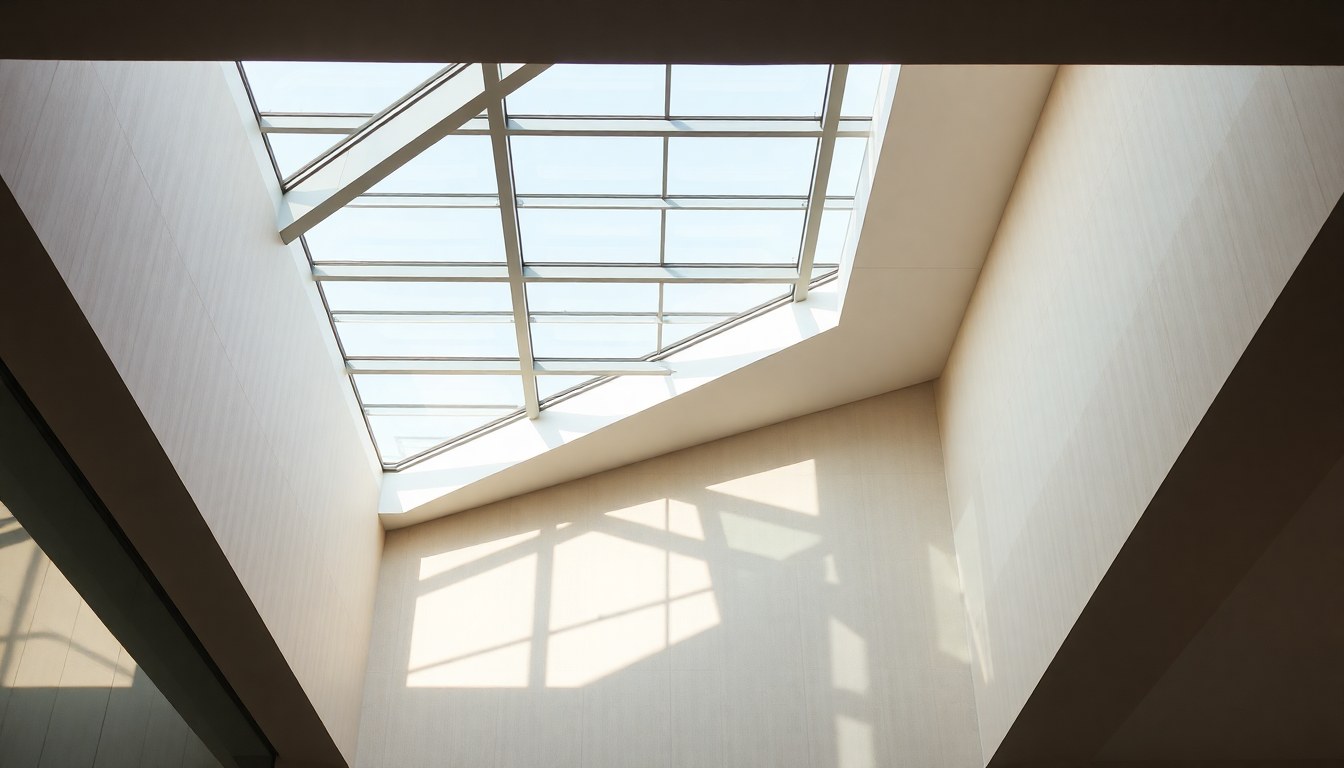
Commercial skylights flood buildings with natural light—but at a thermal cost. Low-emissivity (low-E) coated glass solves this dilemma by selectively filtering infrared radiation while maintaining daylight transmission, delivering superior thermal performance and energy efficiency in India's demanding climates. This guide explores how low-E coatings work, their measurable benefits, and how to specify them correctly for your commercial roof glazing projects.
What Is Low-E Coating and How Does It Work?
Low-emissivity coating is a microscopically thin layer of metal oxide applied to glass surfaces. This coating is invisible to the naked eye but profoundly affects how glass interacts with thermal radiation. The coating allows visible light to pass through while reflecting infrared (heat) radiation back outward, reducing the amount of thermal energy that enters or escapes a building.
The physics is straightforward: all objects emit infrared radiation proportional to their temperature. In summer, the sun's infrared energy heats the glass, which then re-radiates that heat indoors. Low-E coatings have a low emissivity value (typically 0.05 to 0.15 on a scale where 1.0 is a perfect emitter), meaning they reflect rather than absorb and re-emit thermal radiation. This selective filtering is what makes low-E glass fundamentally different from standard clear or tinted glass.
Types of Low-E Coatings
Two main categories exist: hard-coat (pyrolytic) and soft-coat (sputtered). Hard-coat low-E is applied during glass manufacturing at high temperatures and bonds permanently to the glass surface. It is more durable and suitable for applications where the coated surface will be exposed to weather or cleaning. Soft-coat low-E is applied after manufacturing in a controlled vacuum environment and offers superior thermal performance but requires protective glazing in exposed positions. For skylights, hard-coat low-E is typically preferred because it can face the exterior and withstand environmental exposure.
Thermal Performance Benefits in Indian Climates
India's diverse climate zones present unique thermal challenges. In hot-humid regions (coastal areas, southern states), summer cooling loads dominate building energy consumption. In temperate zones, winter heating may be necessary in northern regions. Low-E skylights address both scenarios by controlling heat flow in the direction that matters most.
Heat Rejection and Cooling Load Reduction
In hot climates, low-E coatings can reduce solar heat gain through skylights by 40–60% compared to standard clear glass, depending on the specific coating formulation and orientation. This translates directly to reduced air-conditioning demand. A 500 m² skylight system in a Mumbai office building, for example, might reduce peak cooling load by 15–25 kW during summer afternoons—equivalent to avoiding the installation of additional HVAC capacity worth ₹3–5 lakhs.
The solar heat gain coefficient (SHGC) is the key metric. Standard clear glass has an SHGC of approximately 0.86; low-E coatings reduce this to 0.30–0.50, depending on the type and thickness. Lower SHGC values mean more heat is reflected away. For skylights in direct sun exposure, specifying low-E glass with SHGC ≤ 0.40 is recommended in hot Indian climates.
Winter Heat Retention
In cooler months or northern regions, low-E coatings also reduce heat loss through skylights. The coating reflects interior radiant heat back into the building, improving the U-value (thermal transmittance). A standard double-glazed skylight might have a U-value of 2.8 W/m²K; with low-E coating on one pane, this improves to 1.5–1.8 W/m²K. While India's heating season is shorter than in colder climates, this benefit matters for buildings in Himachal Pradesh, Uttarakhand, and high-altitude commercial centers.
Condensation Prevention and Moisture Control
Condensation on interior skylight surfaces is a persistent problem in commercial buildings, especially in humid climates or where indoor air conditioning creates large temperature differentials. Condensation damages ceiling materials, promotes mold growth, and reduces occupant comfort. Low-E coated glass addresses this by maintaining warmer interior surface temperatures.
The interior glass surface temperature depends on the U-value and indoor/outdoor temperature difference. Low-E coatings reduce radiative heat loss from the interior surface, keeping it warmer. In a humid office building in Bangalore with outdoor temperature of 28°C and indoor temperature of 22°C, low-E coated skylights maintain interior surface temperatures 3–5°C higher than standard glass, significantly reducing the risk of condensation formation. This is especially valuable in buildings with high internal moisture loads (hospitals, laboratories, food processing facilities).
Specifying double or triple glazing with low-E coating on the inner pane (facing the conditioned space) provides the best condensation resistance. Ensure proper ventilation and dehumidification systems are in place; low-E glass alone cannot compensate for inadequate moisture control.
Energy Savings and ROI Calculation
Quantifying energy savings requires analysis of building location, orientation, occupancy patterns, and existing HVAC systems. However, industry data provides useful benchmarks. The U.S. Department of Energy estimates that low-E coatings reduce cooling energy by 20–30% in hot climates when applied to all glazing. For a commercial building with 10% of roof area as skylights, this might translate to 5–8% total energy savings if skylights are the dominant heat source.
In rupee terms, consider a 2,000 m² commercial office in Delhi with 200 m² of skylights. Standard double-glazed skylights cost approximately ₹1,200–1,500 per m² installed; low-E coated alternatives cost ₹1,800–2,300 per m². The incremental cost is ₹120,000–160,000. If annual cooling energy cost is ₹5 lakhs and low-E reduces it by 6% (₹30,000 savings), payback occurs in 4–5 years. Over a 20-year building lifespan, the net present value is strongly positive, especially when accounting for rising electricity costs.
To calculate your specific ROI, collect three data points: (1) current annual energy cost for cooling, (2) estimated percentage reduction from low-E (consult your glazing supplier or a building energy modeler), and (3) incremental cost of low-E coating. Divide incremental cost by annual savings to get payback period in years.
Specification and Installation Best Practices
Specifying low-E skylights correctly ensures you achieve the promised thermal performance. Work with architects and glazing specialists who understand your building's climate zone and operational profile. UHA Mumbai and Site Practice are experienced in commercial building design and can advise on glazing strategy.
Key Specification Criteria
- Coating placement: For hot climates, specify hard-coat low-E on the exterior surface (facing sun). For condensation control, soft-coat low-E on the interior surface (in protected double-glazing) is preferred.
- SHGC and U-value targets: In hot-humid zones, aim for SHGC ≤ 0.40 and U-value ≤ 2.0 W/m²K. In temperate zones, SHGC ≤ 0.50 and U-value ≤ 1.5 W/m²K.
- Glazing thickness and cavity: Double glazing (typically 6 mm + 12 mm air gap + 6 mm) is standard; triple glazing improves U-value further but increases cost and weight.
- Frame and seal quality: Low-E glass performance depends on proper framing and sealing. Aluminum frames should have thermal breaks; silicone sealants must be high-quality and properly applied.
- Orientation and shading: East and west-facing skylights benefit most from low-E coatings. Consider supplementary external shading (louvers, screens) for additional heat control.
Installation and Quality Control
Installation quality directly affects thermal performance. Improper sealing allows air infiltration, negating low-E benefits. Ensure installers follow manufacturer specifications for sealant application, curing times, and pressure equalization. Request third-party testing (thermographic imaging or blower-door tests) to verify air-tightness. Architects like Makrand Pataskar Architect and ConstructDesigning often include quality assurance protocols in their specifications.
Maintenance and Durability Considerations
Low-E coatings, especially hard-coat variants, are durable and require no special maintenance beyond standard glass cleaning. However, aggressive cleaning with abrasive materials can damage the coating over time. Use soft cloths and mild detergents; avoid wire brushes or acid-based cleaners. Most manufacturers warrant low-E coatings for 10–15 years against delamination or loss of performance.
In coastal areas with salt spray or industrial zones with airborne pollutants, inspect skylights annually. Hard-coat low-E is more resistant to environmental degradation than soft-coat, making it the better choice for exposed applications. If your building is in such a location, budget for periodic professional cleaning and inspection.
Frequently Asked Questions
Does low-E coating reduce visible light transmission and daylighting?
No. Low-E coatings are engineered to transmit visible light (400–700 nm wavelength) while blocking infrared radiation (700+ nm). Visible light transmission typically remains 70–80%, the same as standard clear glass. You maintain excellent daylighting while gaining thermal control. Some occupants may perceive a slight tint, depending on the coating, but this is minimal and does not significantly impact perceived brightness.
Can low-E coating be applied to existing skylights?
Not practically. Low-E coating must be applied during glass manufacturing (hard-coat) or in a vacuum chamber (soft-coat). Retrofitting existing skylights requires replacing the glass units entirely. However, if your building has aging skylights that are due for replacement anyway, upgrading to low-E is cost-effective and adds only 15–20% to the glass cost.
Which is better for skylights: hard-coat or soft-coat low-E?
For most commercial skylights exposed to weather, hard-coat low-E is preferred. It is more durable, can face the exterior, and withstands cleaning and environmental exposure. Soft-coat offers slightly better thermal performance but must be protected (placed on the interior surface of a double-glazed unit). Choose soft-coat only if your skylight design allows it to be sheltered from direct weather.
How much can I expect to save on energy costs with low-E skylights?
Energy savings depend on climate, building size, and skylight area. In hot Indian climates, expect 5–10% reduction in annual cooling energy if skylights are a significant portion of your roof glazing. In monetary terms, this translates to ₹10,000–50,000 annually for a typical commercial building. Payback period is usually 4–6 years, after which savings accumulate as profit.
Do low-E coatings work equally well in all Indian climates?
Low-E coatings deliver the greatest benefit in hot-humid climates (coastal regions, southern states) where cooling dominates energy use. In temperate zones, benefits are more modest but still positive. In very cold climates (Himalayan regions), low-E coatings help retain winter heat, but the heating season is short, so ROI is longer. Consult a building energy modeler to estimate savings for your specific location.
Conclusion and Next Steps
Low-E coated glass transforms commercial skylights from thermal liabilities into controlled daylighting sources. By selectively filtering infrared radiation, these coatings reduce cooling loads, prevent condensation, and deliver measurable energy savings across Indian climates. The incremental cost is modest—typically 40–60% above standard glazing—and payback occurs within 4–6 years for most applications.
To specify low-E skylights for your commercial project, start by defining your thermal performance targets (SHGC, U-value) based on your building's location and climate. Work with experienced architects and glazing suppliers who understand Indian building conditions. Browse the glassy.in directory to connect with qualified glass specialists, architects, and design studios who can guide your skylight specification and ensure your investment delivers the thermal performance and energy savings you expect.