
Glass Guides
Laminated Glass Soundproofing: How Many Layers Do You Need for Noise Reduction?
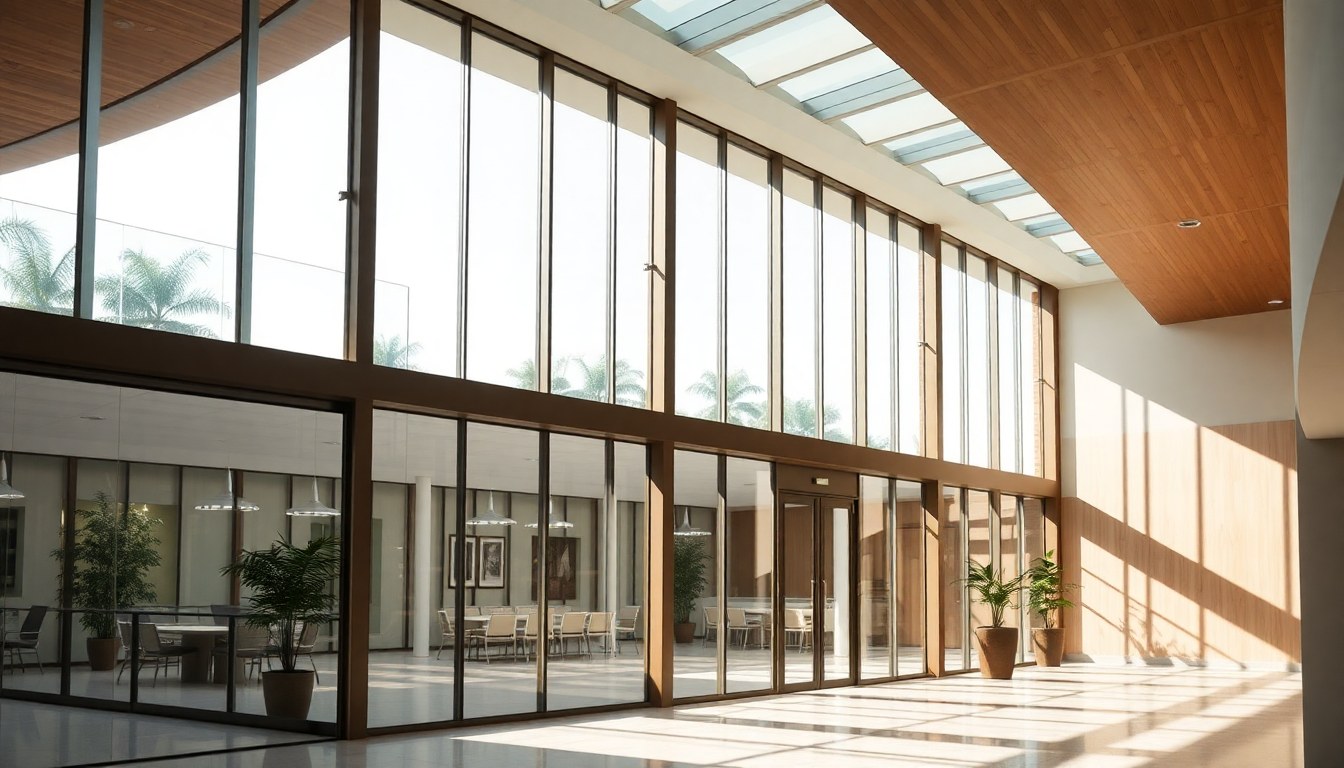
Noise pollution is a growing concern in urban India, whether you're running a recording studio, managing a restaurant, or setting up a home office near a busy road. Laminated glass with acoustic interlayers offers a proven, elegant solution—but how many layers do you actually need to achieve meaningful sound reduction? The answer depends on your noise environment, budget, and performance goals, and understanding the science behind acoustic lamination will help you make the right choice.
Understanding Acoustic Laminated Glass and Its Properties
Laminated glass consists of two or more panes of glass bonded together with a plastic interlayer, typically made of polyvinyl butyral (PVB) or structural glazing polymer (SGP). The interlayer is the key to sound dampening—it absorbs and dissipates acoustic energy rather than transmitting it, unlike ordinary tempered or annealed glass.
When sound waves hit standard glass, they cause the entire pane to vibrate, transmitting noise efficiently to the other side. Laminated glass breaks this cycle. The interlayer acts as a damping material, converting sound vibrations into heat energy. The thicker and more resilient the interlayer, the greater the noise reduction. This is why acoustic laminated glass is the material of choice for high-performance soundproofing in studios, conference rooms, and hospitality spaces across India.
How Sound Reduction Is Measured
Acoustic performance is quantified using the Sound Reduction Index (SRI), measured in decibels (dB). An SRI of 30 dB means the glass reduces noise by 30 decibels—roughly equivalent to the difference between normal conversation and a whisper. Most building codes and acoustic standards reference this metric to ensure compliance and performance predictability.
Decibel Reduction by Layer Count and Interlayer Type
The relationship between layer count and noise reduction is not perfectly linear—each additional layer yields diminishing returns. However, the cumulative effect is substantial and measurable.
Single-Layer Laminated Glass (1 Interlayer)
A single 6 mm glass pane with a standard PVB interlayer (typically 0.76 mm thick) achieves an SRI of approximately 28–32 dB. This is roughly double the performance of ordinary 6 mm annealed glass (SRI ~15 dB) and is suitable for light noise environments, such as residential areas with moderate traffic or quiet office spaces.
Two-Layer Laminated Glass (2 Interlayers)
A two-pane laminated assembly—such as 6 mm + 6 mm glass with two PVB interlayers—delivers an SRI of 33–37 dB. This configuration is the industry standard for most commercial applications: recording studios, private offices, and restaurant partitions. It provides excellent noise isolation for typical urban sound sources (traffic, HVAC systems, speech) without excessive cost or weight.
Three-Layer Laminated Glass (3 Interlayers)
A three-pane system (such as 6 mm + 6 mm + 6 mm) with three interlayers reaches 38–43 dB. This level of attenuation is required in high-noise environments: airports, concert venues, busy highways, or premium residential developments. The added mass and damping create a significant acoustic barrier.
Four or More Layers
Systems with four or more panes and interlayers can achieve 44–50+ dB of sound reduction. These are rare in standard applications but are specified for extreme noise environments or where maximum privacy is non-negotiable. The cost and structural complexity increase substantially, making them less common in India's residential and small-commercial market.
Interlayer Material Matters: PVB vs. SGP
The type of interlayer plastic significantly affects acoustic performance. Both PVB and SGP are used in India, and each has distinct characteristics.
Polyvinyl Butyral (PVB)
PVB is the most widely used interlayer for acoustic laminated glass in India. Standard PVB (0.76 mm thick) offers good sound dampening at a reasonable cost. Thicker PVB interlayers (1.52 mm or more) improve acoustic performance further, increasing the SRI by 2–4 dB compared to standard thickness. PVB is cost-effective and suitable for most commercial and residential applications.
Structural Glazing Polymer (SGP)
SGP is a more advanced interlayer material that offers superior acoustic damping compared to PVB of equivalent thickness. A single SGP interlayer can deliver performance comparable to two PVB interlayers in some frequency ranges. SGP is also stronger and more durable, making it ideal for high-performance applications. However, SGP is significantly more expensive—typically 20–40% higher cost than PVB—which limits its adoption in price-sensitive Indian markets.
Choosing the Right Number of Layers for Your Application
Selecting the optimal layer count requires understanding your noise environment and acoustic goals. Here's a practical framework:
Residential Applications (Home Offices, Bedrooms)
For homes in moderate-noise urban areas (standard traffic, neighbors), a two-layer laminated glass system (SRI 33–37 dB) is typically sufficient. This reduces external noise to comfortable levels without excessive cost. If your home is adjacent to a major highway, railway line, or airport, consider upgrading to three layers. Professional interior designers like Primeview Interior can help integrate acoustic glass into your home office or bedroom design seamlessly.
Recording Studios and Music Rooms
Recording studios require exceptional isolation to prevent external noise from contaminating recordings and to contain internal sound. A minimum of three-layer laminated glass (SRI 38–43 dB) is standard. Many professional studios use four-layer systems or combine laminated glass with additional acoustic treatments (foam, mass barriers) for optimal results. The investment is justified by the quality of recordings and the studio's market competitiveness.
Commercial Offices and Conference Rooms
In busy commercial buildings, two-layer laminated glass (SRI 33–37 dB) provides adequate privacy for confidential conversations and reduces distractions. For open-plan offices with high ambient noise, upgrading to three layers improves employee comfort and productivity. Architects and interior designers in Bangalore, such as Aaikya Architects, often specify multi-layer laminated glass partitions for corporate fit-outs.
Restaurants, Bars, and Hospitality Venues
Restaurants generate significant internal noise (conversation, music, kitchen activity) and may face external traffic noise. A two-layer laminated glass system for windows and a three-layer system for internal partitions between dining and kitchen areas creates a pleasant acoustic environment. This balance maintains the open, social feel while managing noise effectively.
High-Noise Environments (Airports, Highways)
Properties near airports or major highways require three to four-layer laminated glass systems (SRI 40+ dB). These extreme environments demand premium acoustic solutions. Specialist glass dealers like Jain Glass Company can source and install high-performance laminated glass designed for such demanding applications.
Cost and Performance Trade-offs
Acoustic laminated glass is more expensive than standard glass, and costs rise significantly with layer count. A rough cost comparison in India (as of 2024) for a 1 square meter window:
- Single-layer laminated glass: ₹800–₹1,200 per sqm
- Two-layer laminated glass: ₹1,500–₹2,200 per sqm
- Three-layer laminated glass: ₹2,200–₹3,500 per sqm
- Four-layer laminated glass: ₹3,500–₹5,000+ per sqm
Prices vary based on glass thickness, interlayer material (PVB vs. SGP), and regional availability. Consulting with reputable glass dealers ensures you get competitive pricing and quality assurance. Prime Glass and Hardware offers a range of acoustic solutions tailored to different budgets.
The key is matching performance to need. Over-specifying (e.g., four layers for a quiet residential area) wastes money. Under-specifying (e.g., single-layer for a recording studio) compromises functionality. A professional acoustic assessment or consultation with an experienced glass supplier helps optimize the investment.
Installation and Best Practices
Even the best acoustic glass performs poorly if installed incorrectly. Proper installation is critical:
- Airtight sealing: Sound travels through gaps and cracks. Use high-quality silicone sealants and ensure all edges are sealed properly.
- Structural isolation: Mount the glass frame on resilient materials (rubber gaskets, acoustic sealant) to decouple it from building structure and prevent vibration transmission.
- Cavity depth: If using a double-glazing unit with laminated panes, maximize the air gap between them (ideally 50–100 mm) for enhanced acoustic performance.
- Professional installation: Hire experienced glaziers familiar with acoustic applications. Poor installation can reduce SRI by 5–10 dB or more.
Interior designers and architects working on acoustic projects should collaborate closely with glass suppliers and glazing contractors to ensure specifications are met on-site. Tesa Interiors and Xpress Interiors are known for meticulous attention to acoustic and aesthetic details in their projects.
Frequently Asked Questions
How many layers of laminated glass do I need for a home office near a busy road?
For a typical Indian urban home office near traffic, a two-layer laminated glass system (SRI 33–37 dB) is usually adequate. This reduces traffic noise to manageable levels without excessive cost. If the road is very busy or your office is on a lower floor, consider upgrading to three layers for better isolation.
Is acoustic laminated glass the same as safety laminated glass?
No, they serve different purposes. Safety laminated glass is designed to hold together when broken, preventing injury. Acoustic laminated glass prioritizes sound dampening. However, acoustic laminated glass also provides safety benefits. For maximum benefit, specify laminated glass that meets both acoustic performance (SRI) and safety standards (IS 2553 in India).
Can I add more layers to existing windows for better soundproofing?
Replacing existing windows with multi-layer acoustic laminated glass is more effective than adding layers to old frames. If replacement is not feasible, installing a secondary window (a separate frame with laminated glass) creates an air gap that enhances acoustic performance. This retrofit approach is common in heritage buildings and older homes.
What frequency range does laminated glass soundproof best?
Laminated glass is most effective at reducing mid to high-frequency noise (speech, traffic, machinery). Low-frequency noise (bass, heavy trucks, aircraft) is harder to block and may require thicker interlayers, more layers, or complementary acoustic treatments like mass barriers or absorptive materials. For studios dealing with low-frequency content, combine laminated glass with other acoustic solutions.
How long does acoustic laminated glass last?
Quality acoustic laminated glass with PVB or SGP interlayers lasts 20–30 years or longer, depending on environmental exposure (UV, temperature fluctuations, humidity). The interlayer may yellow slightly over time in direct sunlight but maintains acoustic performance. Proper installation and maintenance extend lifespan significantly.
Conclusion and Next Steps
The number of laminated glass layers you need depends on your noise environment, acoustic goals, and budget. Two layers (SRI 33–37 dB) suit most residential and commercial applications; three layers (SRI 38–43 dB) are ideal for studios and high-noise areas. Investing in the right acoustic solution now prevents costly retrofits later and dramatically improves comfort, productivity, and quality of life.
Ready to upgrade your space with acoustic laminated glass? Explore verified glass suppliers and interior designers on glassy.in, India's largest glass-business directory. Get competitive quotes, compare services, and connect with professionals experienced in acoustic glass installations in your city.