
Glass Guides
Laminated Glass for Skylight Safety: Why It Matters in Monsoon Regions
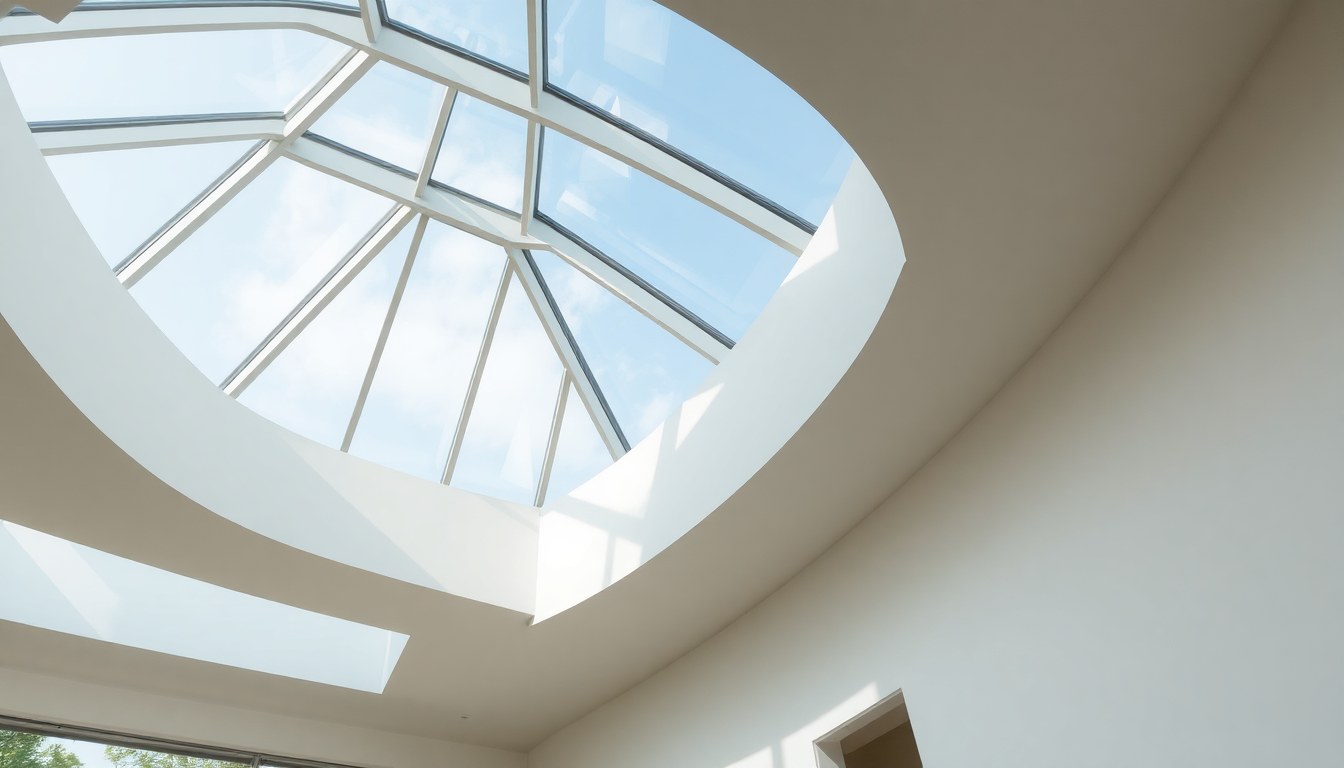
India's monsoon season brings spectacular rainfall, but it also poses serious safety risks to buildings—especially those with skylights and overhead glazing. Laminated glass has become the gold standard for skylight protection in monsoon-prone regions because it holds together when struck by debris or hail, preventing dangerous glass shards from falling into occupied spaces below. Understanding why laminated glass matters and how its PVB interlayer works is essential for homeowners, architects, and builders planning safe overhead glazing in India's high-rainfall areas.
What Is Laminated Glass and How Does It Work?
Laminated glass consists of two or more panes of glass bonded together with an interlayer, most commonly polyvinyl butyral (PVB). During manufacturing, the glass panes and interlayer are heated and pressed together under controlled conditions, creating a permanent bond that prevents separation. When laminated glass breaks, the interlayer holds the fragments in place rather than allowing them to scatter, much like a car windshield.
The PVB interlayer is the key to laminated glass's safety performance. This plastic layer absorbs impact energy, distributes stress across the glass surface, and maintains structural integrity even after damage. In a monsoon skylight, this means that hailstones, wind-driven debris, or falling branches may crack the glass, but the pane will not shatter and shower occupants with dangerous shards.
Types of Interlayers Used in Skylight Applications
- PVB (Polyvinyl Butyral): The most common interlayer, offering excellent adhesion, clarity, and sound dampening. Standard PVB provides good safety performance at a moderate cost.
- SGP (Structural Glazing Polymer): A premium interlayer with superior strength and stiffness, ideal for large skylights or areas with extreme weather exposure. SGP-laminated glass is more expensive but offers enhanced durability.
- EVA (Ethylene Vinyl Acetate): Occasionally used for decorative applications, though less common in safety-critical skylight installations.
Why Monsoon Regions Demand Laminated Glass Skylights
Monsoon rains in India are not merely heavy—they arrive with force, often accompanied by strong winds, hail, and airborne debris. Cities like Mumbai, Bangalore, and Kolkata experience wind speeds exceeding 80–100 km/h during peak monsoon months. In such conditions, even small objects become projectiles capable of shattering ordinary annealed or tempered glass skylights.
When a standard tempered glass skylight breaks, it fragments into small cubes—a safety feature designed for side windows. However, in an overhead application, these cubes still fall on people below, causing injuries. Laminated glass eliminates this risk by keeping fragments adhered to the interlayer, ensuring that if breakage occurs, no sharp pieces fall into the room.
Additionally, monsoon-related water infiltration is a serious concern. A broken skylight can allow water to pour directly into the building, damaging insulation, electrical systems, and stored goods. Laminated glass maintains its structural integrity longer after impact, reducing the window of vulnerability before repairs can be made.
Impact Resistance and Performance Standards for Skylights
In India, skylight safety is governed by the National Building Code (NBC) and Indian Standards (IS), particularly IS 2553:2021 (Code of Practice for Design, Fabrication and Erection of Structural Steelwork in Building) and relevant sections of the NBC Part 3 (Fire and Life Safety). While specific skylight standards are evolving, most building authorities and insurance companies now mandate laminated glass for overhead glazing in monsoon-prone areas.
Impact resistance testing for laminated glass typically follows ASTM E1996 (Impact Resistance of Laminated Glass) or similar international standards. Laminated glass rated for impact resistance must withstand repeated impacts from a specified missile without penetration—meaning the interlayer prevents passage of objects through the glass.
Key Performance Metrics
- Impact Energy Absorption: Laminated glass dissipates impact energy across the interlayer, reducing the likelihood of complete penetration.
- Post-Breakage Integrity: Even after cracking, laminated glass remains in place, maintaining weather seal and structural support.
- Thickness Requirements: For monsoon regions, minimum 6mm laminated glass (typically 3mm + 0.76mm PVB + 3mm) is recommended; thicker laminates (8mm or 10mm) provide enhanced protection for large spans or high-wind zones.
Building Code Requirements and Regulatory Compliance in India
The National Building Code of India (NBC 2016) specifies that overhead glazing in certain occupancy types must meet safety requirements. Section 3.19 addresses glazing materials, and while it does not explicitly mandate laminated glass for all skylights, it requires safety glazing in hazardous locations—and overhead glazing is universally considered hazardous.
Many state building departments and municipal corporations have adopted stricter local codes. For example, the Maharashtra Building Code and Karnataka Building By-Laws increasingly require laminated glass for skylights in residential and commercial buildings. Insurance companies also factor in glazing type when calculating premiums; laminated glass skylights may qualify for lower rates due to reduced breakage and injury risk.
Architects and builders in monsoon regions should verify local requirements with their municipal authority before installation. In cases where codes are ambiguous, specifying laminated glass demonstrates a commitment to safety and future-proofs the building against evolving standards.
Cost-Benefit Analysis: Laminated vs. Standard Glass Skylights
Laminated glass skylights cost approximately 40–60% more than tempered glass skylights, depending on thickness, size, and frame type. A 1.2m × 1.2m laminated skylight unit might cost ₹8,000–₹12,000, while a comparable tempered unit costs ₹5,000–₹7,000. For larger commercial installations, the price difference scales proportionally.
However, the total cost of ownership favors laminated glass when monsoon risk is considered:
- Reduced Repair Costs: Laminated glass is less likely to require emergency replacement after storms, avoiding costly service calls and downtime.
- Insurance Savings: Some insurers offer 5–10% premium reductions for laminated glass installations, offsetting the initial cost difference over 5–10 years.
- Avoided Injury Liability: Preventing injuries from falling glass shards eliminates potential legal and medical costs.
- Extended Service Life: Laminated glass maintains structural integrity longer, reducing total replacement frequency.
For residential homeowners in monsoon regions, the peace of mind and safety assurance justify the premium. For commercial and institutional buildings, laminated glass is often a non-negotiable investment.
Installation and Maintenance Best Practices
Proper installation is critical to realizing the safety benefits of laminated glass skylights. The frame must be robust enough to support the weight of laminated glass, which is slightly heavier than tempered glass due to the interlayer. Frames should be designed to accommodate thermal expansion and contraction, particularly important in regions with significant temperature swings.
Seal quality is paramount. The frame-to-glass interface must be properly sealed with high-quality sealants (typically silicone or polyurethane) to prevent water infiltration during monsoon rains. Many skylight failures result from poor sealing rather than glass breakage.
Maintenance Checklist for Laminated Glass Skylights
- Pre-Monsoon Inspection: Clean glass and frames, check sealant integrity, and ensure drainage pathways are clear.
- Annual Sealant Review: Reapply sealant every 3–5 years or when visible cracks appear.
- Debris Removal: Clear leaves, dirt, and debris from skylight frames and surrounding roof areas to prevent water pooling.
- Frame Inspection: Check for rust, corrosion, or structural damage, especially in metal frames exposed to monsoon conditions.
- Post-Storm Assessment: Inspect for cracks or impact damage after severe weather; even minor cracks can propagate.
Frequently Asked Questions
Is laminated glass mandatory for all skylights in monsoon-prone areas of India?
While the National Building Code does not explicitly mandate laminated glass for all skylights, it requires safety glazing in hazardous locations, and overhead glazing qualifies. Many state building codes and municipal authorities have adopted stricter requirements. Insurance companies often require laminated glass or charge higher premiums for other types. It is prudent to check with your local building department and insurance provider before installation.
Can laminated glass skylights be repaired if cracked during a monsoon storm?
Minor cracks in laminated glass can sometimes be sealed with specialized resin injections, but this is a temporary measure. Once the interlayer is compromised, full replacement is recommended. The advantage of laminated glass is that cracks do not cause immediate catastrophic failure, allowing time for planned repairs rather than emergency replacement.
How long do laminated glass skylights typically last?
With proper installation and maintenance, laminated glass skylights can last 20–30 years or more. The interlayer may yellow or cloud slightly over decades, but structural performance remains intact. Failure typically occurs due to frame corrosion or sealant degradation rather than interlayer failure.
What is the difference between PVB and SGP interlayers for skylights?
PVB is the standard interlayer, offering good safety performance and clarity at a reasonable cost. SGP is a premium interlayer with superior strength and stiffness, making it ideal for large skylights, extreme weather exposure, or applications requiring enhanced structural support. SGP-laminated glass costs 20–30% more but provides longer service life and better performance in high-stress scenarios.
Are there any aesthetic drawbacks to laminated glass skylights?
High-quality laminated glass is optically clear and nearly indistinguishable from standard glass. Some interlayers may have a slight tint or haze, particularly SGP, but modern manufacturing has minimized this. If aesthetics are a concern, specify clear PVB interlayer and request samples before ordering to verify clarity.
Conclusion: Invest in Safety with Laminated Glass Skylights
Monsoon safety is not a luxury—it is a responsibility. Laminated glass skylights protect occupants, preserve building integrity, and provide long-term cost savings through reduced repairs and insurance benefits. Whether you are designing a new home in Bangalore, retrofitting a commercial building in Mumbai, or planning a renovation in any monsoon-prone Indian city, specifying laminated glass for overhead glazing is a decision you will not regret.
Ready to find trusted glass suppliers and installers in your area? Visit glassy.in, India's largest glass-business directory, to connect with certified laminated glass manufacturers and experienced skylight installation professionals. Browse verified ratings, compare quotes, and ensure your next skylight project meets the highest safety standards.