
Glass Guides
Laminated Glass Interlayer Types: PVB vs EVA vs SGP Performance Comparison
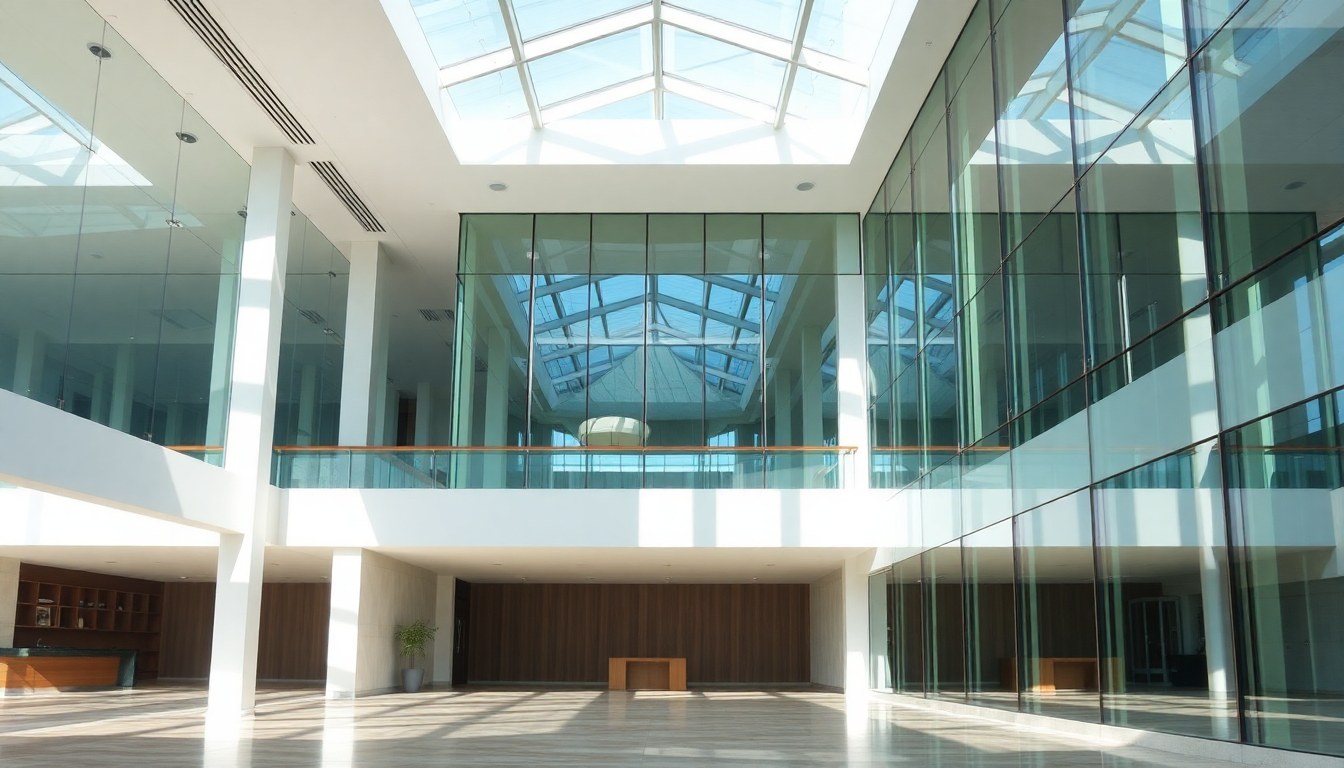
Laminated glass has become an essential building material across India, from high-rise facades in Mumbai to residential skylights in Bangalore. The secret to its strength, safety, and versatility lies not in the glass itself, but in the thin interlayer sandwiched between glass panes. Understanding the differences between PVB, EVA, and SGP interlayers can mean the difference between a glazing solution that performs flawlessly for decades and one that fails prematurely in India's demanding climate conditions.
Understanding Laminated Glass Interlayer Technology
Laminated glass consists of two or more glass layers bonded together with a plastic interlayer. When the glass breaks, the interlayer holds the fragments in place, preventing dangerous shards from scattering. This fundamental safety feature makes laminated glass mandatory for overhead glazing, balustrades, and many architectural applications across India.
The interlayer does far more than just hold broken glass together. It provides structural integrity, filters UV radiation, dampens sound, and determines how the laminated glass performs under stress. The three dominant interlayer materials—polyvinyl butyral (PVB), ethylene-vinyl acetate (EVA), and SentryGlas Plus (SGP)—each offer distinct advantages and limitations that architects and builders must consider when specifying glass for Indian projects.
Modern interlayer technology has evolved significantly since laminated glass was first commercialized. Today's materials can be engineered for specific performance characteristics, from enhanced acoustic insulation for urban environments to superior structural rigidity for frameless glass applications. Selecting the appropriate interlayer requires understanding your project's unique demands.
PVB Interlayers: The Industry Standard
Polyvinyl butyral remains the most widely used laminated glass interlayer globally, and for good reason. PVB offers an excellent balance of performance, cost-effectiveness, and manufacturing reliability. This thermoplastic resin has been refined over decades to deliver consistent results in diverse applications, from automotive windscreens to architectural glazing.
Performance Characteristics of PVB
PVB interlayers typically range from 0.38mm to 2.28mm in thickness, with multiple layers often combined for enhanced performance. The material exhibits good optical clarity, blocks 99% of UV radiation, and provides adequate adhesion to glass surfaces. Under normal conditions, PVB-laminated glass maintains its integrity and appearance for 20-30 years, making it suitable for most commercial and residential applications.
However, PVB has notable limitations in high-stress environments. The material softens at temperatures above 40°C, which can occur in India's summer months, particularly in direct sunlight. This temperature sensitivity reduces the structural stiffness of the laminate, causing deflection in large glass panels. PVB also absorbs moisture over time, potentially leading to delamination or clouding at exposed edges if not properly sealed.
Cost and Availability in India
PVB interlayers represent the most economical choice for laminated glass, with material costs approximately 30-40% lower than SGP alternatives. The widespread availability of PVB and established manufacturing processes across India make it the default choice for budget-conscious projects. Major glass processors in cities like Bangalore, Delhi, and Chennai stock PVB in various thicknesses, ensuring quick turnaround times for standard applications.
EVA Interlayers: The Versatile Alternative
Ethylene-vinyl acetate has gained popularity in India's glass industry as a cost-effective alternative to PVB, particularly for decorative and specialized applications. EVA's processing characteristics differ significantly from PVB, offering both advantages and challenges for glass fabricators.
Processing and Application Benefits
EVA interlayers cure through a different mechanism than PVB, using heat activation rather than autoclave pressure. This allows for simpler processing equipment and faster production cycles, making EVA attractive for smaller fabricators and custom projects. The material bonds well to a wider range of materials beyond glass, enabling creative applications with embedded fabrics, printed designs, or decorative elements.
Many Northitect Design Studio - Architect | Interior Designer and similar firms appreciate EVA's flexibility for artistic installations and feature walls. The interlayer accommodates irregularities in decorative materials better than PVB, expanding design possibilities for interior applications.
Performance Limitations
Despite its processing advantages, EVA exhibits inferior structural performance compared to both PVB and SGP. The material offers lower tensile strength and less consistent adhesion, particularly in high-temperature environments. EVA-laminated glass may show more deflection under load and reduced post-breakage strength, making it less suitable for structural glazing or safety-critical applications.
UV resistance in standard EVA formulations also lags behind PVB, though specialized UV-resistant EVA grades are available at higher costs. For exterior applications in India's intense sunlight, EVA requires careful specification to prevent yellowing and degradation over time. These limitations restrict EVA primarily to interior decorative applications and non-structural glazing.
SGP Interlayers: Premium Performance for Demanding Applications
SentryGlas Plus, developed by Kuraray and commonly referred to as SGP, represents the premium tier of laminated glass interlayers. This ionoplast polymer delivers substantially superior mechanical properties compared to PVB and EVA, enabling architectural possibilities that were previously unattainable with laminated glass.
Exceptional Structural Performance
SGP interlayers are approximately 100 times stiffer and five times stronger than PVB of equivalent thickness. This remarkable strength allows for thinner laminates that match or exceed the structural performance of thicker PVB constructions. The material maintains its stiffness even at elevated temperatures, showing minimal softening up to 60°C—a critical advantage for India's climate where glass surface temperatures can exceed 70°C in direct sunlight.
The enhanced post-breakage strength of SGP-laminated glass provides superior safety in impact scenarios. Even after glass fracture, SGP laminates can continue to bear significant loads, maintaining barrier function and preventing catastrophic failure. This makes SGP the preferred choice for overhead glazing, glass floors, balustrades, and hurricane-resistant facades in coastal regions.
Optical Clarity and Durability
SGP offers exceptional optical clarity with minimal yellowing over time, even under intense UV exposure. The material's low moisture absorption virtually eliminates edge delamination concerns that plague PVB laminates in humid environments. For projects where long-term appearance matters—luxury residences, premium commercial buildings, and architectural landmarks—SGP delivers unmatched durability.
Leading architectural firms like Slick Architects increasingly specify SGP for signature glass features where performance cannot be compromised. The material's reliability in India's variable climate conditions provides peace of mind for high-stakes projects.
Cost Considerations
SGP interlayers command a significant premium, typically costing 2.5 to 3 times more than equivalent PVB materials. Processing costs also run higher due to more demanding autoclave cycles and stricter quality control requirements. However, the ability to use thinner glass constructions while achieving superior performance can partially offset material costs through reduced glass weight and supporting structure requirements.
Performance Comparison for Indian Climate Conditions
India's diverse climate zones—from the humid coastal regions to the extreme heat of Rajasthan and the moderate conditions of hill stations—demand careful interlayer selection. Temperature fluctuations, high humidity, intense UV radiation, and monsoon conditions all impact laminated glass performance over its service life.
Temperature and Humidity Resistance
PVB performs adequately in temperature-controlled interior environments and moderate exterior conditions. However, in applications with sustained high temperatures or direct solar exposure, PVB's softening can lead to excessive deflection and optical distortion. EVA shows similar temperature sensitivity with additional concerns about long-term adhesion in humid conditions.
SGP excels in India's challenging climate, maintaining structural integrity across the full range of temperatures encountered in architectural applications. The material's moisture resistance prevents the edge delamination commonly seen in PVB laminates in humid coastal cities like Mumbai, Kochi, and Chennai.
Acoustic Performance
For noise reduction in urban environments, specialized acoustic PVB interlayers outperform standard PVB, EVA, and SGP. These engineered PVB products incorporate viscoelastic properties that dampen sound vibrations across critical frequency ranges. Standard SGP provides moderate acoustic insulation but cannot match acoustic-grade PVB for sound control applications.
Projects requiring both structural performance and acoustic insulation may combine SGP with acoustic PVB in hybrid laminates, though this increases complexity and cost. For most applications, specifying the appropriate interlayer thickness and glass configuration provides adequate sound control without specialized materials.
Application-Specific Recommendations
Selecting the optimal interlayer requires matching material properties to application demands and project constraints. Standard residential windows and doors perform well with PVB interlayers, offering adequate safety, UV protection, and longevity at reasonable cost. Most glass suppliers like Shree Anjani Glass and Plywood stock PVB laminates in common configurations for quick availability.
For structural glazing applications—canopies, balustrades, glass floors, and frameless systems—SGP interlayers provide the necessary strength and stiffness to meet safety requirements with optimized glass thickness. The material's temperature stability ensures consistent performance year-round, critical for load-bearing applications.
Decorative interior features, partition walls, and artistic installations benefit from EVA's processing flexibility and lower cost. The material's ability to bond diverse materials enables creative designs that would be difficult or impossible with PVB or SGP. However, designers should limit EVA to non-structural, interior applications where its performance limitations pose no safety concerns.
Frequently Asked Questions
Which interlayer is best for exterior glass facades in hot climates?
SGP interlayers perform best in hot climates due to their superior temperature stability and stiffness retention. While PVB is adequate for many exterior applications, SGP maintains structural integrity even when glass surface temperatures exceed 60°C, preventing excessive deflection and optical distortion. For large glass panels or structural glazing in cities experiencing extreme summer heat, SGP is the recommended choice despite its higher cost.
Can I use EVA interlayers for overhead glass canopies?
EVA interlayers are generally not recommended for overhead glazing or other safety-critical applications. The material's lower structural strength and reduced post-breakage performance make it unsuitable where glass failure could pose significant safety risks. Building codes and safety standards typically require PVB or SGP interlayers for overhead applications. Consult with qualified glass engineers and local building authorities before specifying interlayers for structural or safety-critical installations.
How long do different interlayers last in Indian coastal environments?
In humid coastal conditions, SGP interlayers offer the longest service life, typically exceeding 30 years without significant degradation. PVB laminates can last 20-25 years if properly edge-sealed and maintained, though moisture ingress at exposed edges may cause localized delamination. EVA shows the shortest lifespan in coastal environments, with potential adhesion and yellowing issues appearing within 10-15 years. Proper edge sealing and regular maintenance extend the life of all interlayer types.
Is the higher cost of SGP justified for residential projects?
For standard residential windows and doors, PVB interlayers typically provide adequate performance at lower cost, making SGP difficult to justify economically. However, SGP becomes cost-effective for residential applications requiring maximum safety (glass floors, large overhead panels), minimal visual distortion (expansive views), or long-term durability in harsh conditions. The ability to use thinner glass constructions with SGP may also reduce overall system costs for large installations.
Can different interlayer types be combined in a single laminate?
Yes, hybrid laminates combining different interlayer types are possible and sometimes advantageous. For example, combining SGP for structural performance with acoustic PVB for sound control creates a laminate with both properties. However, hybrid constructions increase manufacturing complexity and cost. The different materials must be compatible in terms of processing temperatures and adhesion characteristics. Consult with experienced glass fabricators to determine if hybrid laminates suit your specific application requirements.
Selecting the right interlayer for your laminated glass project requires balancing performance requirements, environmental conditions, and budget constraints. Whether you're working with architects, glass suppliers, or fabricators, understanding the distinct characteristics of PVB, EVA, and SGP interlayers ensures optimal results. Explore the comprehensive directory at glassy.in to connect with qualified glass professionals across India who can guide your interlayer selection and fabrication needs.